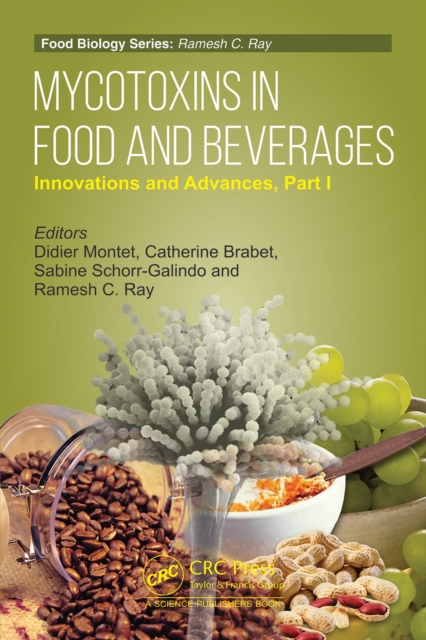
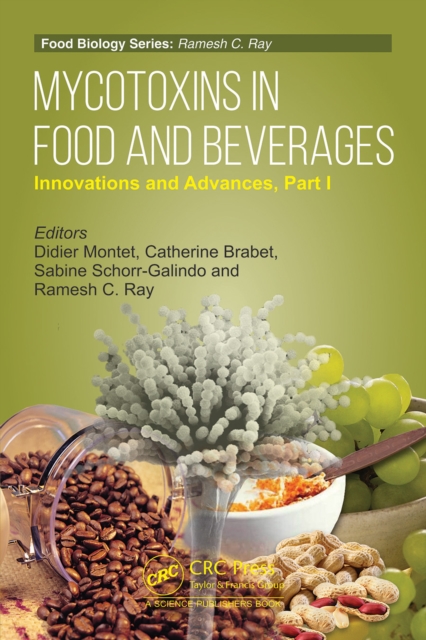
Mycotoxins are secondary metabolites produced by fungi in a wide range of foods (cereals, peanut, tree nuts, dried fruits, coffee, cocoa, grapes, spices.
Mycotoxins are secondary metabolites produced by fungi in a wide range of foods (cereals, peanut, tree nuts, dried fruits, coffee, cocoa, grapes, spices.
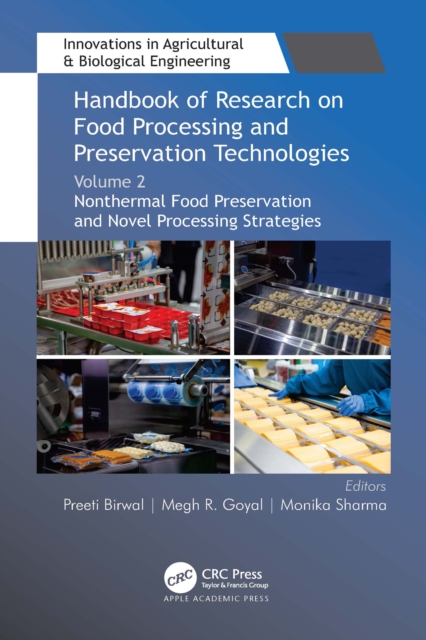
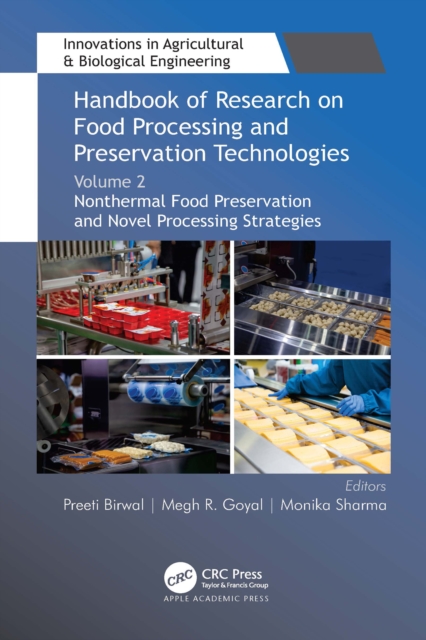
In this volume, several new food processing and preservation technologies have been investigated by researchers that have the potential to increase shelf life and preserve the quality of foods.
In this volume, several new food processing and preservation technologies have been investigated by researchers that have the potential to increase shelf life and preserve the quality of foods.
This new volume shares a plethora of valuable information on the recent advances in packaging and storage technologies used for quality preservation of fresh fruits and vegetables.
This new volume shares a plethora of valuable information on the recent advances in packaging and storage technologies used for quality preservation of fresh fruits and vegetables.
Handbook of Research on Food Processing and Preservation Technologies will be a 5-volume collection that attempts to illustrate various design, development, and applications of novel and innovative strategies for food processing and preservation.
Handbook of Research on Food Processing and Preservation Technologies will be a 5-volume collection that attempts to illustrate various design, development, and applications of novel and innovative strategies for food processing and preservation.
Food Processing and Preservation Technology: Advances, Methods, and Applications confronts the challenges of food preservation by providing new research and information on the use of novel processing and preservation technologies during production, processing, and transportation in the food industry for the improvement of shelf life and the safety of foods.
This new volume provides a birds-eye view of the properties, utilization, and importance of high resolution mass spectrometry (HRMS) for phytochemical analysis.
Food Processing and Preservation Technology: Advances, Methods, and Applications confronts the challenges of food preservation by providing new research and information on the use of novel processing and preservation technologies during production, processing, and transportation in the food industry for the improvement of shelf life and the safety of foods.
This new volume provides a birds-eye view of the properties, utilization, and importance of high resolution mass spectrometry (HRMS) for phytochemical analysis.
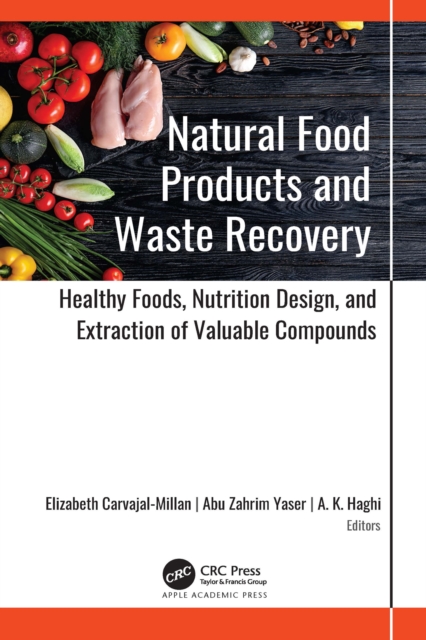
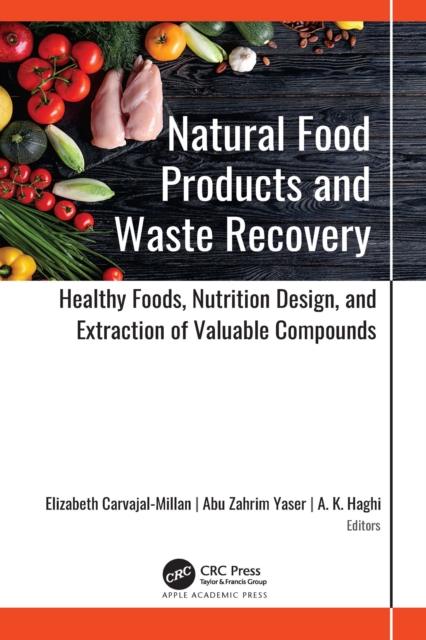
Natural Food Products and Waste Recovery: Healthy Foods, Nutrition Design, and Extraction of Valuable Compounds addresses important issues in the design of functional foods and nutraceuticals, extraction of essential compounds, and food waste management.
Natural Food Products and Waste Recovery: Healthy Foods, Nutrition Design, and Extraction of Valuable Compounds addresses important issues in the design of functional foods and nutraceuticals, extraction of essential compounds, and food waste management.
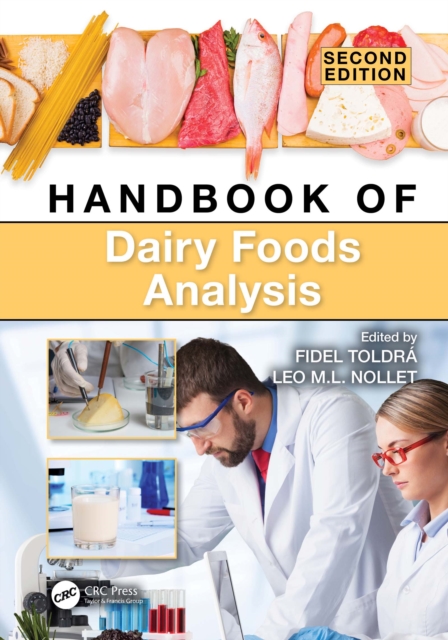
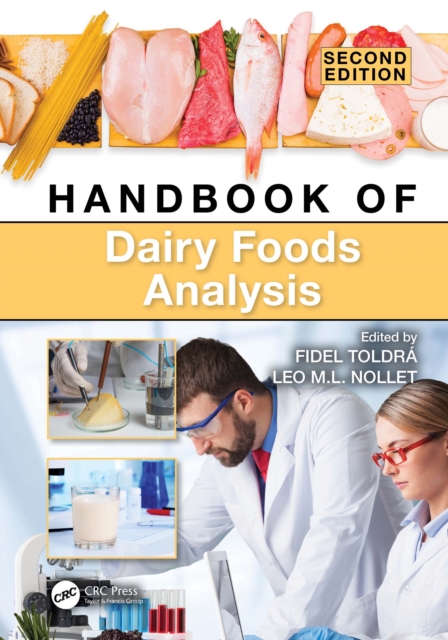
Dairy foods account for a large portion of the Western diet, but due to the potential diversity of their sources, this food group often poses a challenge for food scientists and their research efforts.
Dairy foods account for a large portion of the Western diet, but due to the potential diversity of their sources, this food group often poses a challenge for food scientists and their research efforts.
Tropical root crops-basic staples for millions of people-are highly perishable, and tremendous losses occur after harvest because of the lack of storage and processing technology.
This volume provides an overview of quarantine treatment for pests of food plants that involve heat, cold, irradiation, fumigants, modified atmospheres, and other techniques alone or in combination.
Nanotechnology has gained attention in all aspects of modern science, having vital applications in the food chain, storage, quality monitoring, processing, preservation, and packaging.
Nanotechnology has gained attention in all aspects of modern science, having vital applications in the food chain, storage, quality monitoring, processing, preservation, and packaging.
Tropical root crops-basic staples for millions of people-are highly perishable, and tremendous losses occur after harvest because of the lack of storage and processing technology.
This volume provides an overview of quarantine treatment for pests of food plants that involve heat, cold, irradiation, fumigants, modified atmospheres, and other techniques alone or in combination.
Solar energy has found its widespread use in direct conversion into electricity either by photovoltaic conversion or through thermal energy, reduction in post-harvest losses, and crop drying.
Solar energy has found its widespread use in direct conversion into electricity either by photovoltaic conversion or through thermal energy, reduction in post-harvest losses, and crop drying.
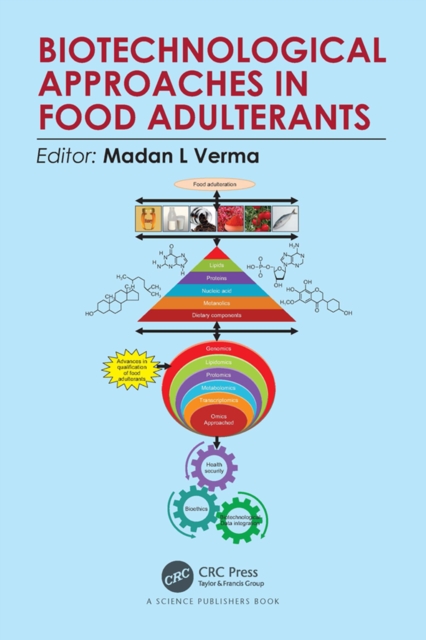
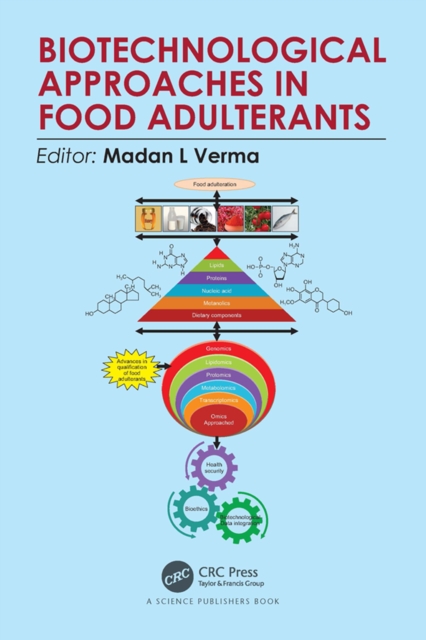
The book highlights the biotechnological advancement in the area of food adulterants and outlines the current state of art technologies in the detection of food adulterants using omics and nanobiotechnology.
The book highlights the biotechnological advancement in the area of food adulterants and outlines the current state of art technologies in the detection of food adulterants using omics and nanobiotechnology.
Food Packaging: Advanced Materials, Technologies, and Innovations is a one-stop reference for packaging materials researchers working across various industries.
Food Packaging: Advanced Materials, Technologies, and Innovations is a one-stop reference for packaging materials researchers working across various industries.
There is an ever-increasing demand for more food but one of the stumbling blocks to achieving this goal is quality and quantity losses due to various pests and pathogens and the mycotoxins synthesized by these harmful biotic entities.