This volume brings together information on the available and newly emerging technologies related to using plant compounds that have a beneficial role in food production.
This volume brings together information on the available and newly emerging technologies related to using plant compounds that have a beneficial role in food production.
This book volume sheds light on the health benefits of selected cereal grains, processing technologies of cereals, specific roles of bioactive compounds of cereals in chronic disease prevention, and traditional and latest technologies to improve the functional benefits of cereal-based products.
This book volume sheds light on the health benefits of selected cereal grains, processing technologies of cereals, specific roles of bioactive compounds of cereals in chronic disease prevention, and traditional and latest technologies to improve the functional benefits of cereal-based products.
This collection of essays by both Western and East European experts examines the efforts to develop strategies for dealing with the environmental crisis both by governments and at the grassroots level of newly emerging green movements.
This comprehensive book is a valuable and readable reference text and source for anyone who wishes to learn about food cooling applications and methods of analysis of the heat transfer during these applications.
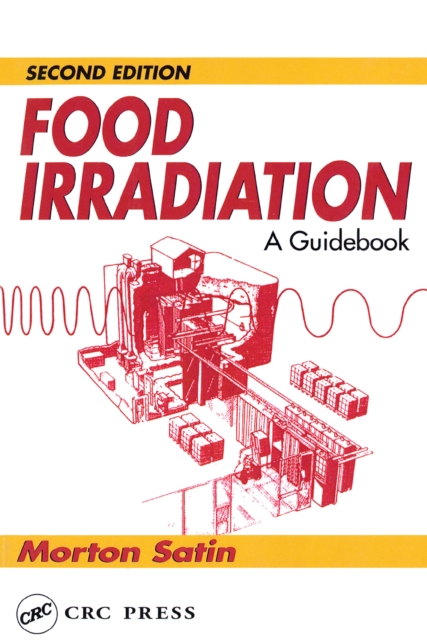
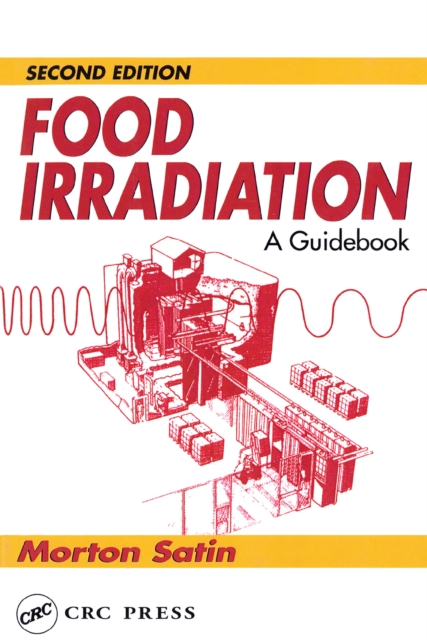
Food irradiation has been in the news lately, and this news strongly favors the consideration of food irradiation as a practical, economical method for improving food safety and shelf life.
Contributors from universities and food, pharmaceutical, and brewing companies detail the current state of yeast strain development and handling, highlighting advances in yeast selection for academic research, industry, and recombinant DNA technology.
There is an ever-increasing demand for more food but one of the stumbling blocks to achieving this goal is quality and quantity losses due to various pests and pathogens and the mycotoxins synthesized by these harmful biotic entities.
This collection of essays by both Western and East European experts examines the efforts to develop strategies for dealing with the environmental crisis both by governments and at the grassroots level of newly emerging green movements.
Functionality of Food Proteins: Mechanisms, Modifications, Methods of Assessment and Applications provides researchers and users of plant-based proteins with the latest developments on their functionality at the molecular and ingredient level, and in food applications.
Food irradiation has been in the news lately, and this news strongly favors the consideration of food irradiation as a practical, economical method for improving food safety and shelf life.
This comprehensive book is a valuable and readable reference text and source for anyone who wishes to learn about food cooling applications and methods of analysis of the heat transfer during these applications.
Contributors from universities and food, pharmaceutical, and brewing companies detail the current state of yeast strain development and handling, highlighting advances in yeast selection for academic research, industry, and recombinant DNA technology.
This new book, Biotechnical Processing in the Food Industry: New Methods, Techniques, and Applications, explores several newly emerged techniques and technologies that have significantly changed the scenario of the dairy and food sector by making the processes more stable and more economically viable.
This new book, Biotechnical Processing in the Food Industry: New Methods, Techniques, and Applications, explores several newly emerged techniques and technologies that have significantly changed the scenario of the dairy and food sector by making the processes more stable and more economically viable.
Pullulan is a polysaccharide produced by the fungus Aureobasidium pullulans and possesses some distinct properties such as excellent transparent filmforming ability, moisture absorptivity, water solubility, non-toxicity, and adhesivity.
Pullulan is a polysaccharide produced by the fungus Aureobasidium pullulans and possesses some distinct properties such as excellent transparent filmforming ability, moisture absorptivity, water solubility, non-toxicity, and adhesivity.
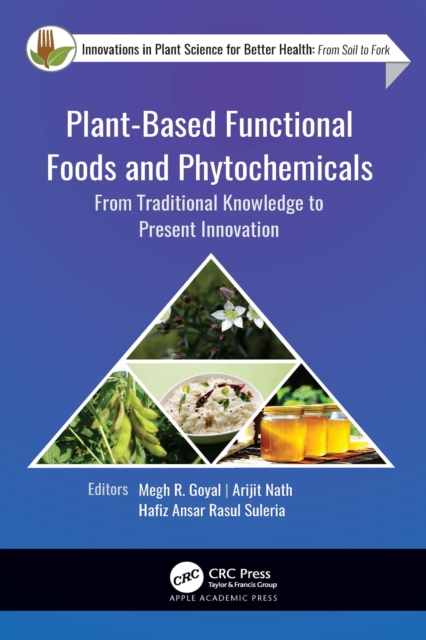
Plant-Based Functional Foods and Phytochemicals: From Traditional Knowledge to Present Innovation covers the importance of the therapeutic health benefits of phytochemicals derived from plants.
Plant-Based Functional Foods and Phytochemicals: From Traditional Knowledge to Present Innovation covers the importance of the therapeutic health benefits of phytochemicals derived from plants.
The pharmaceutical industry recognizes the shift to the use of natural products while also considering the serious concerns that have arisen regarding the claimed efficacy, quality, and safety of these products.
The pharmaceutical industry recognizes the shift to the use of natural products while also considering the serious concerns that have arisen regarding the claimed efficacy, quality, and safety of these products.
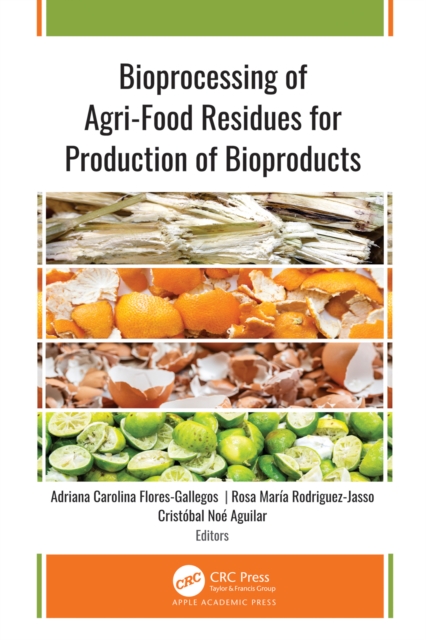
This new volume presents original research and scientific advances in the field of the food bioprocessing, bioproducts, valorization of agricultural and food wastes, microbiology, and biotechnology.
This new volume presents original research and scientific advances in the field of the food bioprocessing, bioproducts, valorization of agricultural and food wastes, microbiology, and biotechnology.
This volume, Temperate Fruits: Production, Processing, and Marketing, presents the latest pomological research on the production, postharvest handling, processing and storage, and information on marketing for a selection of temperate fruits.
This volume, Temperate Fruits: Production, Processing, and Marketing, presents the latest pomological research on the production, postharvest handling, processing and storage, and information on marketing for a selection of temperate fruits.
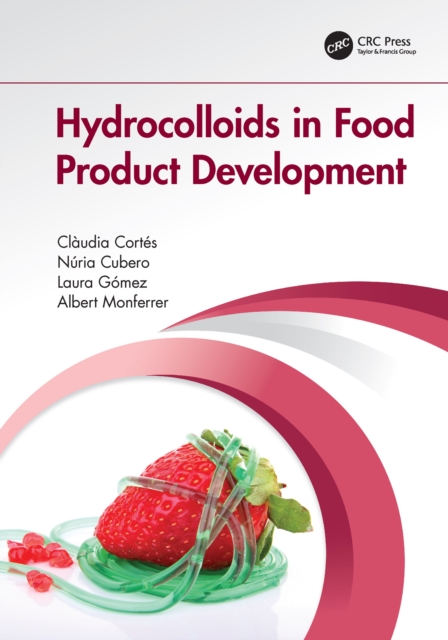
This book is an essential manual for professionals and students who wish to deepen their knowledge of food additives that modify the texture of food, thickeners and gelling agents.
Practical Applications of Physical Chemistry in Food Science and Technology provides comprehensive information, original research, and reports on scientific advances in practical applications of physical chemistry in food science and technology, making a special emphasis on incorporating sustainable development goals.
Practical Applications of Physical Chemistry in Food Science and Technology provides comprehensive information, original research, and reports on scientific advances in practical applications of physical chemistry in food science and technology, making a special emphasis on incorporating sustainable development goals.
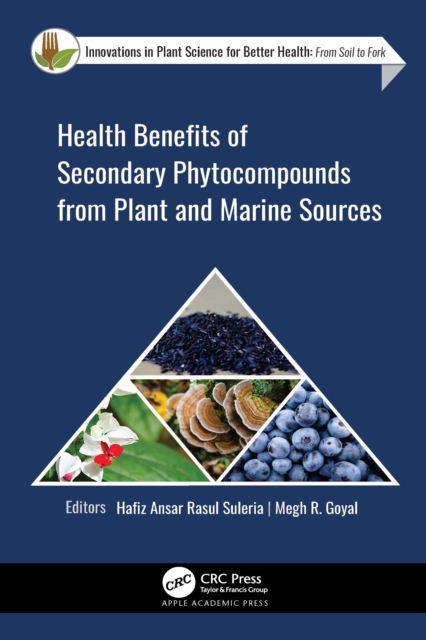
This new volume, Health Benefits of Secondary Phytocompounds from Plant and Marine Sources, looks at a selection of important issues and research topics on phytochemicals in plant-based therapeutics, covering bioactive compounds from both plant and marine sources.
This new volume, Health Benefits of Secondary Phytocompounds from Plant and Marine Sources, looks at a selection of important issues and research topics on phytochemicals in plant-based therapeutics, covering bioactive compounds from both plant and marine sources.