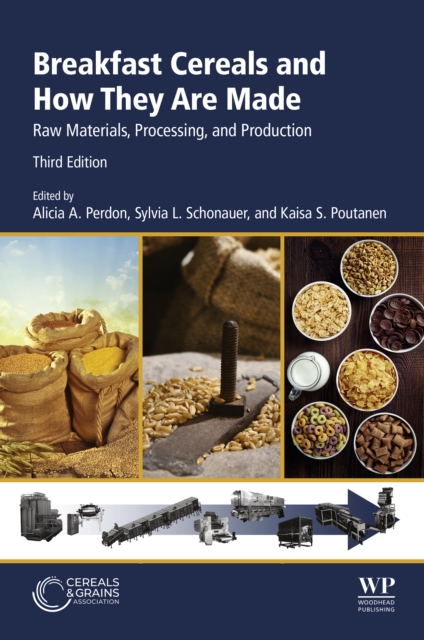
Breakfast Cereals and How They Are Made: Raw Materials, Processing, and Production, Third Edition, covers the transformation of a cereal grain across the supply chain with oversight of the entire lifecycle - from ingredient, to finished product.
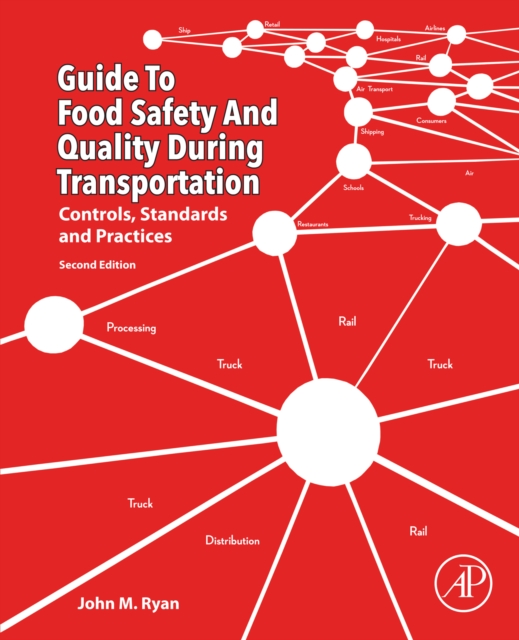
Guide to Food Safety and Quality during Transportation, Controls, Standards and Practice, Second Edition provides a solid foundation outlining logistics and delivery control solutions to protect the food transportation industry.
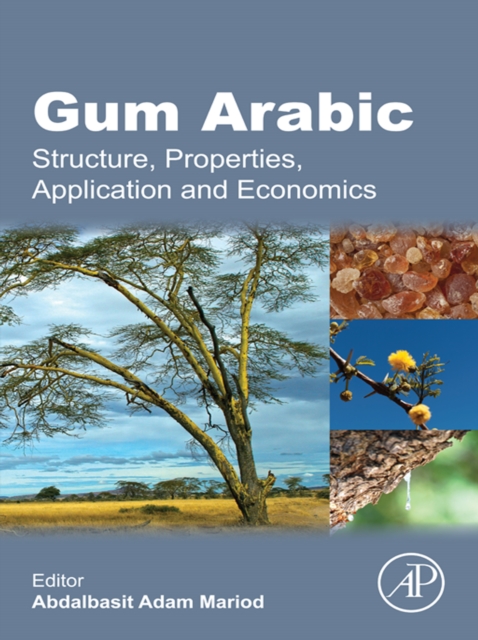
Gum Arabic: Structure, Properties, Application and Economics explores the management practices of gum Arabic producing trees and their environmental role, the characteristics and properties of the gum, and presents current and developing uses in food, feed, and medicinal applications.
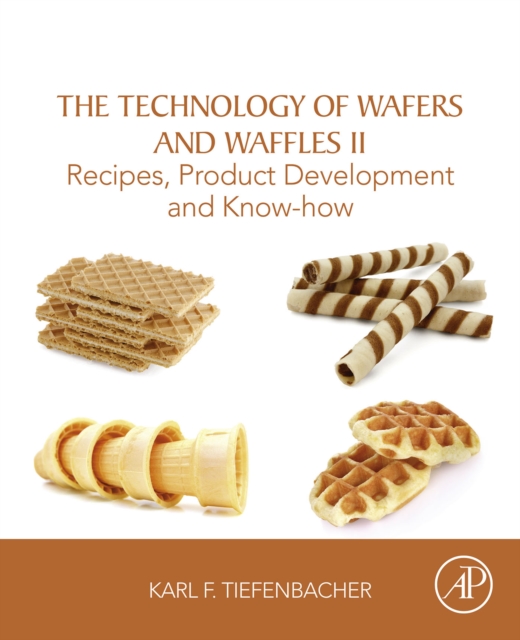
The Technology of Wafers and Waffles: Recipes, Product Development and Knowhow is the definitive reference book addressing new product development in wafers and waffles.
Sustainable Food Systems from Agriculture to Industry: Improving Production and Processing addresses the principle that food supply needs of the present must be met without compromising the ability of future generations to meet their needs.
Nanotechnology Applications in Food: Flavor, Stability, Nutrition, and Safety is an up-to-date, practical, applications-based reference that discusses the advantages and disadvantages of each application to help researchers, scientists, and bioengineers know what and what not to do to improve and facilitate the production of food ingredients and monitor food safety.
Molecular Nutrition: Vitamins presents the nutritional and molecular aspects of vitamins with a specific focus on vitamins A, B1 (thiamine), B2 (riboflavin), B# (niacin), B5 (pantothenic acid), B6, (pyridoxine), B7 (biotin), B9 (folate), B12 (colbamin), C, D, E, and K.
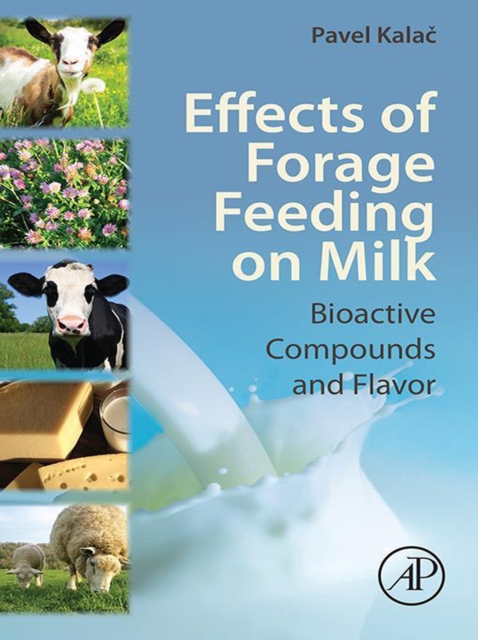
Effects of Forage Feeding on Milk: Bioactive Compounds and Flavor collates the research related to biologically active compounds associated with chain fresh/preserved temperate forages, the dairy animal, and cow's, goat's, and ewe's milk and milk products.
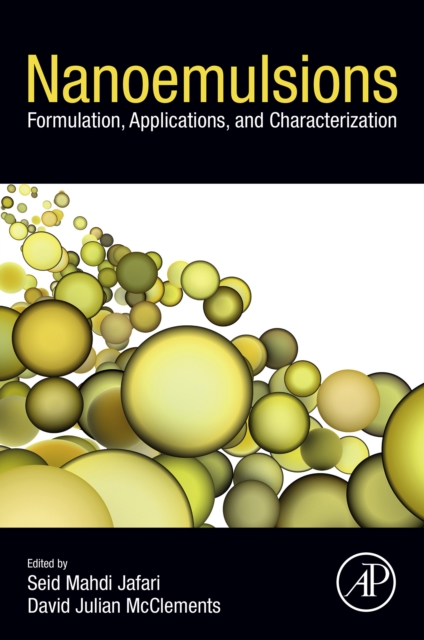
Nanoemulsions: Formulation, Applications, and Characterization provides detailed information on the production, application and characterization of food nanoemulsion as presented by experts who share a wealth of experience.
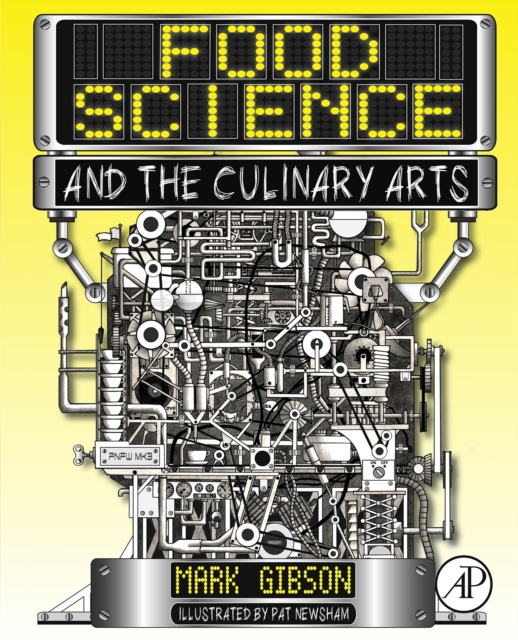
Food Science and the Culinary Arts is a unique reference that incorporates the principles of food and beverage science with practical applications in food preparation and product development.
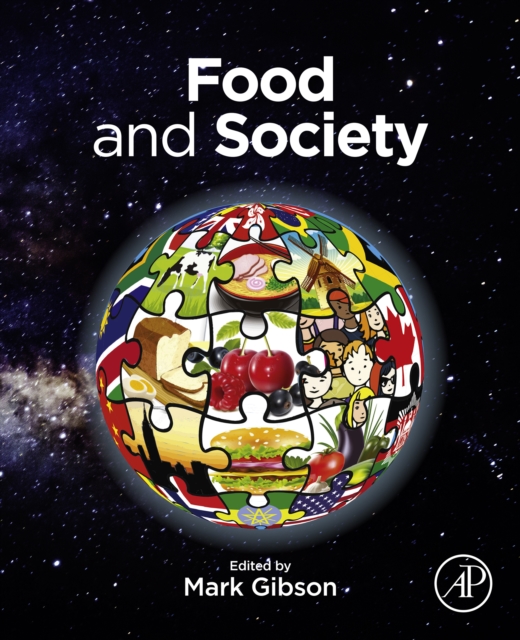
Food and Society provides a broad spectrum of information to help readers understand how the food industry has evolved from the 20th century to present.
New Research and Developments of Water-Soluble Vitamins, Volume 83, provides updated knowledge about nutrients in foods and how to avoid their deficiency, especially for those essential nutrients that should be present in the diet to reduce disease risk and optimize health.
Nutritional and Health Aspects of Food in Eastern Europe provides an analysis of traditional and ethnic foods from Eastern Europe, including selections from Russia, Belarus, Ukraine, Estonia, Latvia and Lithuania.
Lactose: Evolutionary Role, Health Effects, and Applications is a professional reference that addresses the latest research from the fields of food science, nutritional science, and evolutionary biology.
Pediatric Food Preferences and Eating Behaviors reviews scientific works that investigate why children eat the way they do and whether eating behaviors are modifiable.
Handbook of Advanced Chromatography /Mass Spectrometry Techniques is a compendium of new and advanced analytical techniques that have been developed in recent years for analysis of all types of molecules in a variety of complex matrices, from foods to fuel to pharmaceuticals and more.
Environmental Nutrition: Connecting Health and Nutrition with Environmentally Sustainable Diets explores the connection between diet, environmental sustainability and human health.
Sorghum and Millets: Chemistry, Technology and Nutritional Attributes, Second Edition, is a new, fully revised edition of this widely read book published by AACC International.
Sprouted Grains: Nutritional Value, Production and Applications is a complete and comprehensive overview of sprouted grains, with coverage from grain to product.
Rice Chemistry and Technology, Fourth Edition, is a new, fully revised update on the very popular previous edition published by the AACC International Press.
Biopolymers for Food Design, Volume 20 in the Handbook of Bioengineering series, describes how biopolymers have made a major impact in the food industry, from food design, to food control and safety.
The Role of Materials Science in Food Bioengineering, Volume 19 in the Handbook of Food Bioengineering, presents an up-to-date review of the most recent advances in materials science, further demonstrating its broad applications in the food industry and bioengineering.
Food Processing for Increased Quality and Consumption, Volume 18 in the Handbook of Food Bioengineering series, offers an updated perspective on the novel technologies utilized in food processing.
Alternative and Replacement Foods, Volume 17, a volume in the Handbook of Food Bioengineering series, presents the most up-to-date research on synthetic and replacement food components for scientists and researchers.
Food Control and Biosecurity, Volume Sixteen, the latest release in the Handbook of Food Bioengineering series, is an essential resource for anyone in the food industry who needs to understand safety and quality control to prevent or reduce the spread of foodborne diseases.
Advances in Biotechnology for Food Industry, Volume Fourteen in the Handbook of Food Bioengineering series, provides recent insight into how biotechnology impacts the global food industry and describes how food needs are diverse, requiring the development of innovative biotechnological processes to ensure efficient food production worldwide.
Food Quality: Balancing Health and Disease, Volume Thirteen in the Handbook of Food Bioengineering series, provides essential information for researchers, scientists and students on the relationship between the quality of foods and disease at the biological level.
The Impact of Nanoscience in the Food Industry, Volume 12 in The Handbook of Food Bioengineering series, explores how nanoscience applications in food engineering offer an alternative to satisfying current food needs that cannot be fulfilled by natural products.
Diet, Microbiome and Health, Volume 11, in the Handbook of Food Bioengineering series, presents the most up-to-date research to help scientists, researchers and students in the field of food engineering understand the different microbial species we have in our guts, why they are important to human development, immunity and health, and how to use that understanding to further promote research to create healthy food products.
Bioactive Polysaccharides offers a comprehensive review of the structures and bioactivities of bioactive polysaccharides isolated from traditional herbs, fungi, and seaweeds.
Microbial Contamination and Food Degradation, Volume 10 in the Handbook of Food Bioengineering series, provides an understanding of the most common microbial agents involved in food contamination and spoilage, and highlights the main detection techniques to help pinpoint the cause of contamination.
Food Packaging and Preservation, Volume 9 in the Handbook of Food Bioengineering series, explores recent approaches to preserving and prolonging safe use of food products while also maintaining the properties of fresh foods.
Therapeutic Foods, Volume 8 in the Handbook of Food Bioengineering series, is an essential resource for anyone investigating foods that may be utilized as therapeutic agents.
Genetically Engineered Foods, Volume 6 in the Handbook of Food Bioengineering series, is a solid reference for researchers and professionals needing information on genetically engineered foods in human and animal diets.
Handbook of Coffee Processing By-Products: Sustainable Applications presents alternative and sustainable solutions for coffee processing by-products and specifies their industrial potential, both as a source for the recovery of bioactive compounds and their reutilization in the pharmaceutical, biotechnological, food, biotechnology, and cosmetic industries, also covering environmental and agronomic applications.
The Molecular Nutrition of Fats presents the nutritional and molecular aspects of fats by assessing their dietary components, their structural and metabolic effects on the cell, and their role in health and disease.
Microalgae in Health and Disease Prevention is a comprehensive reference that addresses the historical and potential use of microalgae, its extracts, secondary metabolites, and molecular constituents for enhancing human health and preventing diseases.
Nanoencapsulation Technologies for the Food and Nutraceutical Industries is a compendium which collects, in an easy and compact way, state-of-the-art details on techniques for nanoencapsulation of bioactive compounds in food and nutraceutical industries.
Water Quality Monitoring and Management: Basis, Technology and Case Studies presents recent innovations in operations management for water quality monitoring.
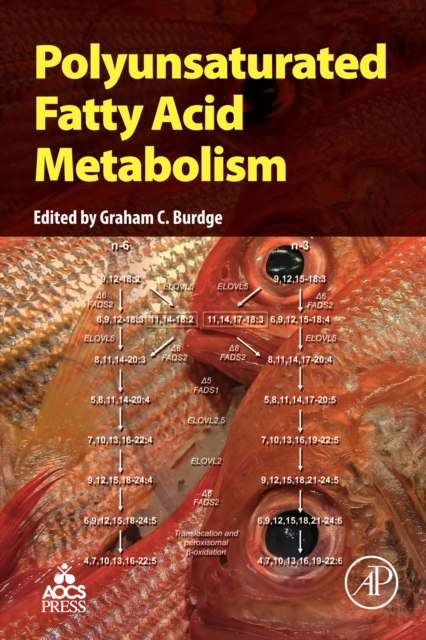
Polyunsaturated Fatty Acid Metabolism explores a number of major roles of PUFA in the body, including its role as a component of cell membranes and how it provides substrates for the synthesis of lipid second messengers.
Food Biosynthesis, Volume One in the Handbook of Food Bioengineering series, describes the main aspects related to the biological production of synthetic ingredients and natural foods, highlighting the impact of bacteria and plants in the biosynthesis of key food components.
Food Bioconversion, Volume Two in the Handbook of Food Bioengineering series is an interdisciplinary resource of fundamental information on waste recovery and biomaterials under certain environmental conditions.
Soft Chemistry and Food Fermentation, Volume Three, the latest release in the Handbook of Food Bioengineering series is a practical resource that provides significant knowledge and new perspectives in food processing and preservation, promoting renewable resources by applying soft ecological techniques (i.
Ingredients Extraction by Physico-chemical Methods, Volume Four, the latest release in the Handbook of Food Bioengineering series, reveals the most investigated extraction methods of ingredients and their impact on the food industry.