Food and nutrition security - identified via availability, access, utilization, and stability - and transitions to sustainable food systems are major discourses in the agro-food arena, as many countries today experience different forms of malnutrition simultaneously, such as child undernutrition, anemia among women, and adult obesity.
Advanced Techniques of Honey Analysis: Characterization, Authentication, and Adulteration presents an overview of honey - its classification, composition, safety, present status, quality issues and prospects - before delving into honey adulteration and presenting various methodologies for honey analysis.
Food Security, Poverty and Nutrition Policy Analysis: Statistical Methods and Applications, Third Edition combines statistical data analysis and computer literacy, applying the results to develop policy alternatives through a series of statistical methods for real world food insecurity, malnutrition and poverty problems.
This book creates a multidisciplinary forum of discussion on Ficus carica with particular emphasis on its horticulture, post-harvest, marketability, phytochemistry, extraction protocols, biochemistry, nutritional value, functionality, health-promoting properties, ethnomedicinal applications, technology and processing.
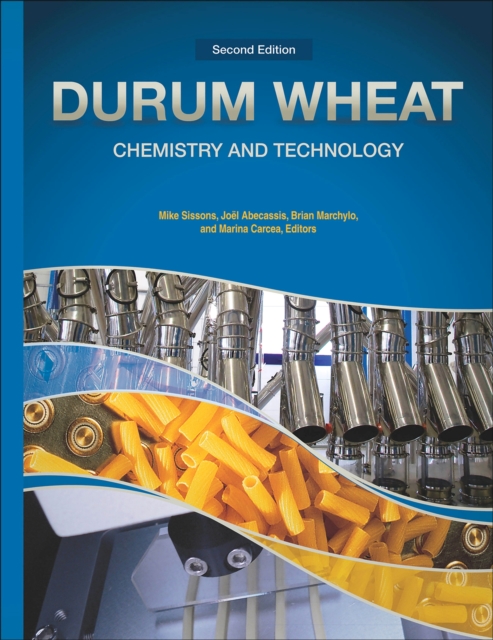
The most extensive and comprehensive reference on durum wheat chemistry and technology ever available, this ambitious update to the first edition covers more diverse and interesting topics in a new expanded format.
Advances in Food and Nutrition Research recognizes the integral relationship between the food and nutritional sciences and brings together outstanding and comprehensive reviews that highlight this relationship.
Even though frequent disaster losses occur in rural and agricultural areas, a substantial number of the prevailing disaster research has focused on urban areas, often failing to notice rural populations, communities, and rural development as a whole.
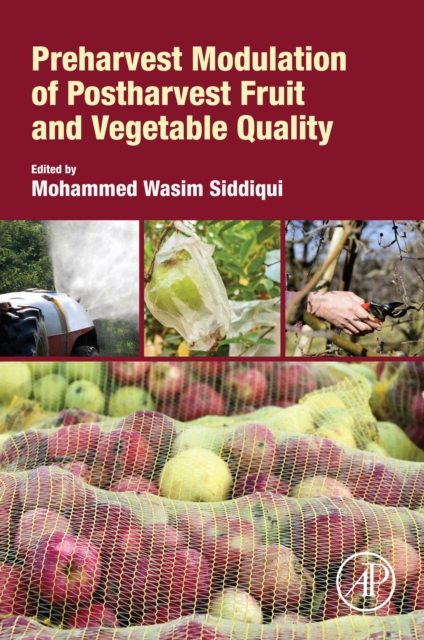
Preharvest Modulation of Postharvest Fruit and Vegetable Quality is the first book to focus on the potential yield quality, quantity and safety benefits of intervention during growth.
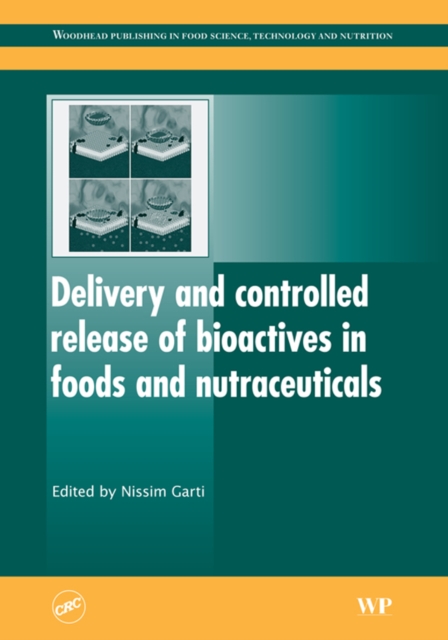
This book introduces recovery and stabilization of common bioactive materials in foods as well as materials science aspects of engineering stable bioactive delivery systems.
The flavor of a food is often the most desirable quality characteristic for the consumer, yet the understanding of flavour is a fascinatingly complicated subject, which calls for interdisciplinary research efforts.
Integrating the Packaging and Product Experience in Food and Beverages: A Road-Map to Consumer Satisfaction focuses on the interrelationship between packaging and the product experience.
Developing Food Products for Customers with Specific Dietary Needs explains the process for developing foods for customers who have specific dietary needs, further shining a light on the number of increasing medical conditions related to food intake that have emerged in the past few decades.
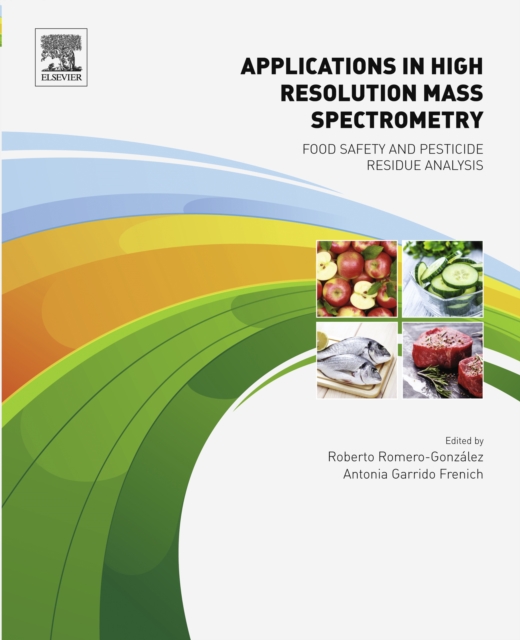
Applications of High Resolution Mass Spectrometry: Food Safety and Pesticide Residue Analysis is the first book to offer complete coverage of all aspects of high resolution mass spectrometry (HRMS) used for the analysis of pesticide residue in food.
Active ingredients in foods must remain fully functional for as long as necessary and be transported and discharged appropriately to have the desired nutritional effect.
Valorization of Agri-Food Wastes and By-Products: Recent Trends, Innovations and Sustainability Challenges addresses the waste and by-product valorization of fruits and vegetables, beverages, nuts and seeds, dairy and seafood.
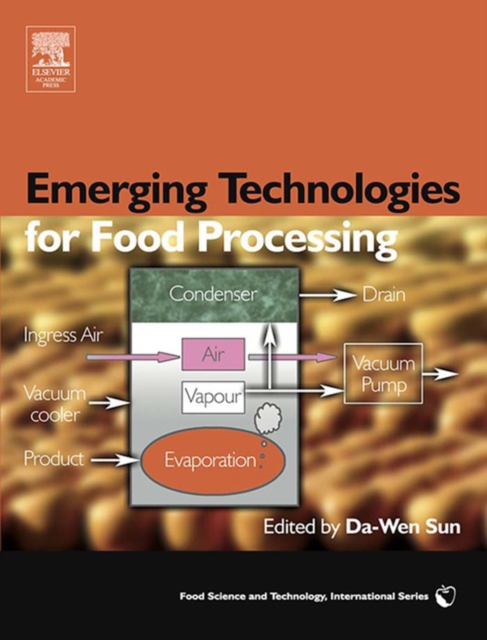
Emerging Technologies for Food Processing presents a comprehensive review of innovations in food processing, stresses topics vital to the food industry today, and pinpoints the trends in future research and development.
Nutritional oncology is an increasingly active interdisciplinary field where cancer is investigated as both a systemic and local disease originating with the changes in the genome and progressing through a multi-step process which may be influenced at many points in its natural history by nutritional factors that could impact the prevention of cancer, the quality of life of cancer patients, and the risk of cancer recurrence in the rapidly increasing population of cancer survivors.
This book provides an ample overview of the current state of research on nutrition's influence on the human microbiome and how it can be leveraged in personalized diets.
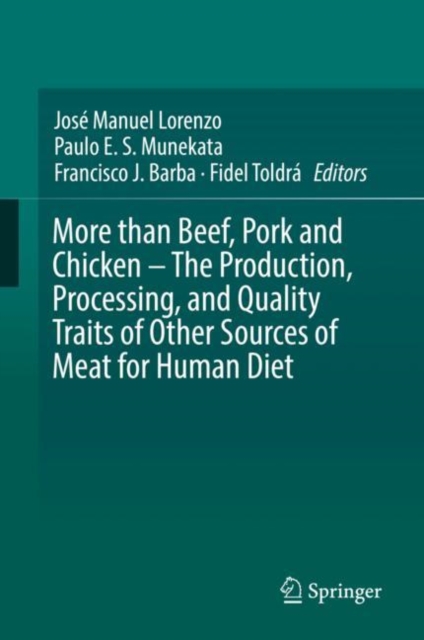
This comprehensive work explores the demand, supply and variable consumer attitude toward a wide variety of unconventional and exotic animal species that are consumed in different parts of the world.
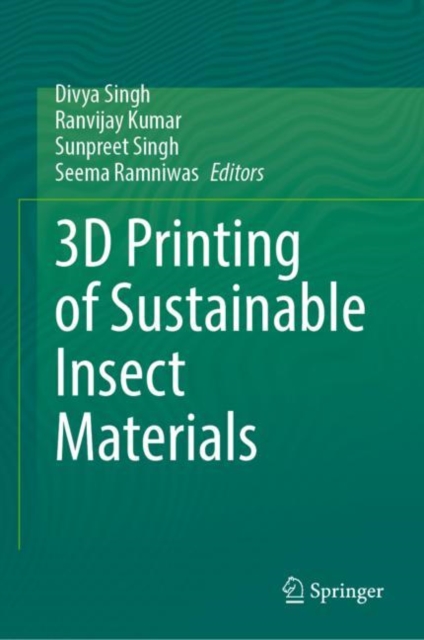
This book compiles a diverse and interdisciplinary range of scientific literature, laboratory developments, industrial implications and future prospects covering Entomophagy in 3D food printing to fight against hunger and nutritional deficiencies.
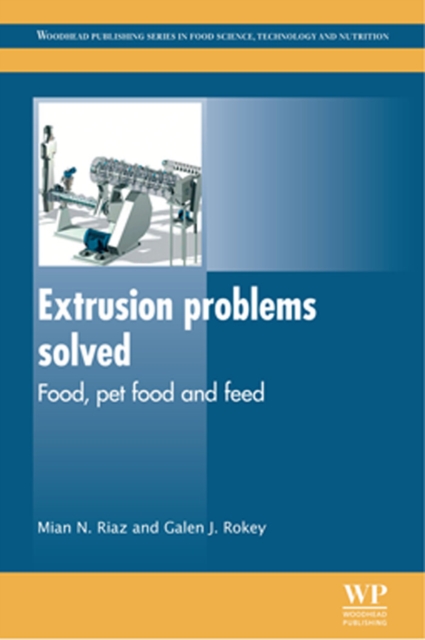
Extrusion is widely used for the preparation of a variety of foodstuffs including breakfast cereals, snack food and pasta, as well as pet food and animal and aquaculture feed.
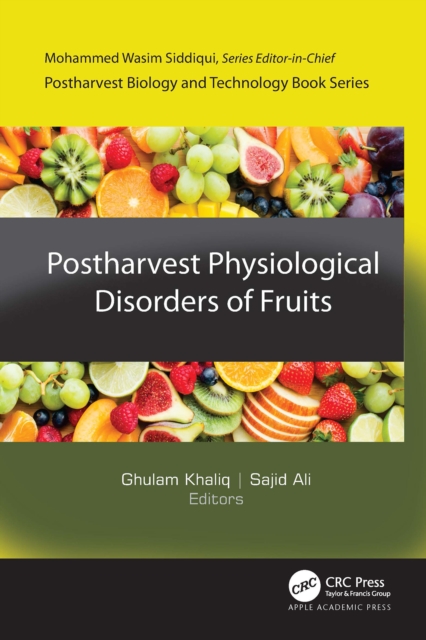
Fruits are valuable products; they are, however, highly perishable in nature and need special measures to maintain their quality while transporting them long distances for sale.
Integrated Agriculture - An Approach for Sustainable Agriculture offers a comprehensive examination of a transformative agricultural paradigm aimed at revolutionizing farming practices worldwide.
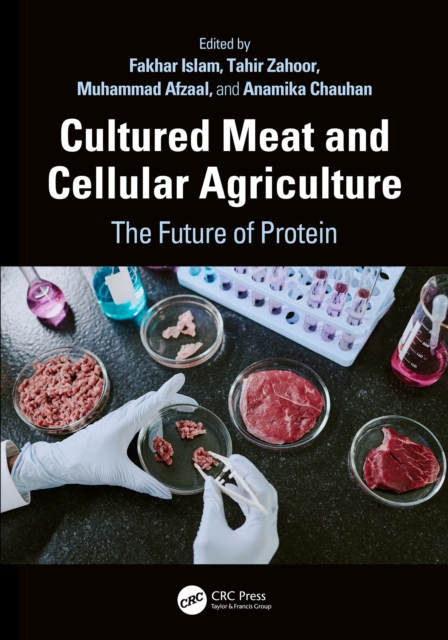
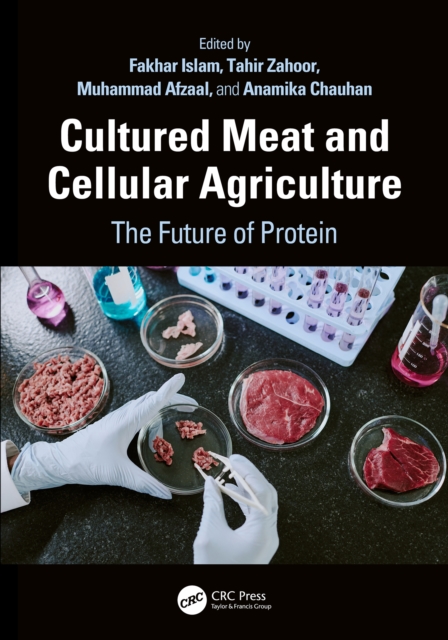
Cultured meat and cellular agriculture offer the promise of sustainable solutions to address the growing demand for protein while mitigating the environmental impact of conventional animal agriculture.
Cultured meat and cellular agriculture offer the promise of sustainable solutions to address the growing demand for protein while mitigating the environmental impact of conventional animal agriculture.
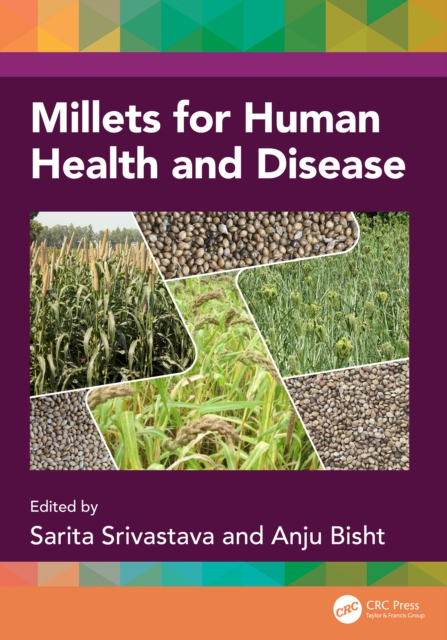
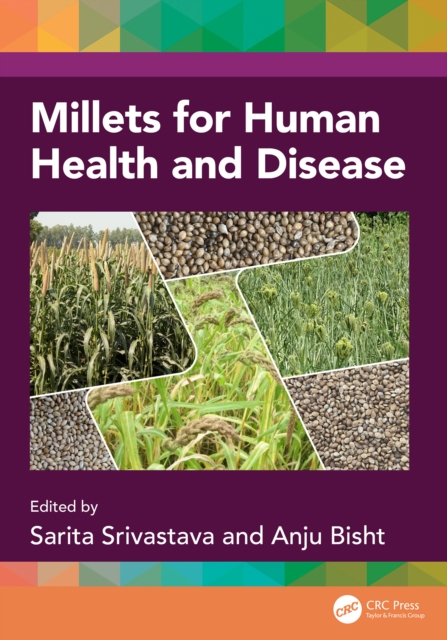
This book provides a comprehensive overview of the nutritional, therapeutic, and functional potential of millets, highlighting their role in promoting human health and preventing disease.
This book provides a comprehensive and scientifically rigorous exploration of dust explosion hazards, with a specific focus on both pharmaceutical and food industries.
This book provides a comprehensive overview of the nutritional, therapeutic, and functional potential of millets, highlighting their role in promoting human health and preventing disease.
This book provides a comprehensive and scientifically rigorous exploration of dust explosion hazards, with a specific focus on both pharmaceutical and food industries.