Practical Guide to Comparative Advertising: Dare to Compare is an authoritative, engaging handbook on comparative advertising for food and non-food consumer products.
FDA Warning Letters About Food Products: How to Avoid or Respond to Citations uses examples of FDA warning letters about food products as training tools to discuss important quality and manufacturing issues encountered by food companies around the world as they bring food products into the US market.
Sustained Energy for Enhanced Human Functions and Activity addresses the basic mechanistic aspects of energy metabolisms, the chemistry, biochemistry and pharmacology of a variety of botanical ingredients, micronutrients, antioxidants, amino acids, selected complexes, and other nutracueticals which have demonstrated a boost in and the sustainability of functional energy.
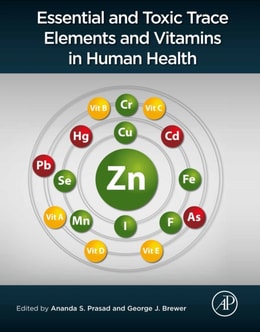
Essential and Toxic Trace Elements and Vitamins in Human Health is a comprehensive guide to the wide variety of micronutrients that affect human health, including fat-soluble and water-soluble vitamins that support diverse biochemical functions, trace elements with established and suggested links to health maintenance, and elements with known human toxicity such as arsenic, cadmium, and lead.
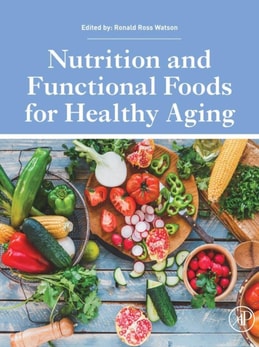
Nutrition and Functional Foods for Healthy Aging aims to equip anyone studying geriatric nutrition or working with aging adults with the latest scientific reviews of critical topics.
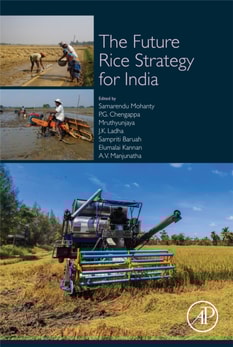
The Future Rice Strategy for India presents forward-looking insights toward achieving sustainable development of the rice sector, ensuring future food and nutritional security.
Immunity and Inflammation in Health and Disease: Emerging Roles of Nutraceuticals and Functional Foods in Immune Support provides a comprehensive description of the various pathways by which the vertebrate immune system works, the signals that trigger immune response and how fnew and novel nutraceuticals and functional foods, can be used to contain inflammation and also to boost immunity and immune health.
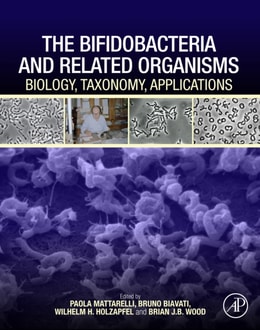
The Bifidobacteria and Related Organisms: Biology, Taxonomy, Applications brings together authoritative reviews on all aspects of Bifidobacteria and related genera.
Advances in Food and Nutrition Research recognizes the integral relationship between the food and nutritional sciences, bringing together outstanding and comprehensive reviews that highlight this relationship.
Marine Enzymes Biotechnology: Production and Industrial Applications, Part II - Marine Organisms Producing Enzymes provides a huge treasure trove of information on marine organisms.
Practical Handbook of Soybean Processing and Utilization is a single source of information on all aspects of soybean processing and utilization written by experts from around the globe.
Understanding Food Systems: Agriculture, Food Science, and Nutrition in the United States explores the complex and evolving system from which the United States gets its food.
A staple food for thousands of years for the inhabitants of the Mediterranean region, olive oil is now becoming popular among consumers all over the world.
Novel Approaches of Nanotechnology in Food, a volume in the Nanotechnology in the Agri-Food Industry series, represents a summary of the most recent advances made in the field of nanostructured materials that have significant impact on the agri-food industry.
Encapsulations, a volume in the Nanotechnology in the Agri-Food Industry series,presents key elements in establishing food quality through the improvement of food flavor and aroma.
Emulsions, the third volume of the Nanotechnology in the Food Industry series, is an invaluable resource for anyone in the food industry who needs the most recent information about scientific advances in nanotechnology on this topic.
Nutraceuticals, the fourth volume in the Nanotechnology in the Agri-Food Industry series, is an invaluable resource for anyone in the food industry who needs the most current information about scientific advances in this field.
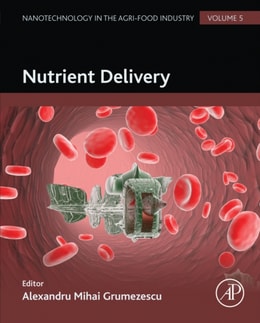
Nutrient Delivery: Nanotechnology in the Agri-Food Industry, Volume Five, discusses the fabrication, merits, demerits, applications, and bioavailability enhancement mechanisms of various nanodelivery systems.
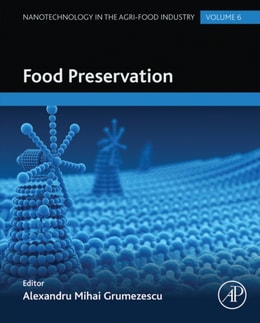
Food Preservation, Volume Six, the latest in the Nanotechnology in the Agri-Food Industry series, discusses how nanotechnology can improve and control the growth of pathogenic and spoilage compounds to improve food safety and quality.
Food Packaging: Nanotechnology in the Agri-Food Industry, Volume 7, focuses on the development of novel nanobiomaterials, the enhancement of barrier performance of non-degradable and biodegradable plastics, and their fabrication and application in food packaging.
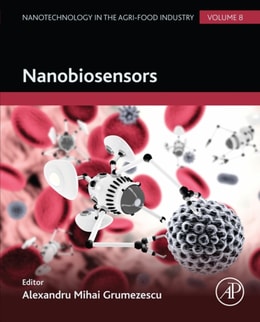
Nanobiosensors: Nanotechnology in the Agri-Food Industry, Volume 8, provides the latest information on the increasing demand for robust, rapid, inexpensive, and safe alternative technologies that monitor, test, and detect harmful or potentially dangerous foods.
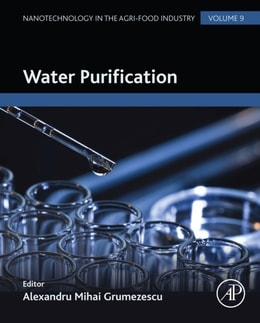
Water Purification, a volume in the Nanotechnology in the Food Industry series, provides an in-depth review of the current technologies and emerging application of nanotechnology in drinking water purification, also presenting an overview of the common drinking water contaminants, such as heavy metals, organics, microorganisms, pharmaceuticals, and their occurrences in drinking water sources.
This comprehensive new soybean reference book disseminates key soybean information to "e;drive success for soybeans via 23 concise chapters covering all aspects of soybeans--from genetics, breeding and quality to post-harvest management, marketing and utilization (food and energy applications), U.
Since the original publication of this book in 1992, the bleaching process has continued to attract the attention of researchers and the edible-oil industry.
This book gives a complete picture of the canola crop including its history, botany, genetics, distribution, breeding and biotechnology, production, processing, composition, nutritional properties and utilization of the seed, oil and meal, as well as an economic profile.
This book addresses new applications of omega-3 fatty acids from both plant and marine sources in food supplements and pharmaceuticals and covers three basic areas: structure and function, production and processing, and health effects.
Palm Oil: Production, Processing, Characterization, and Uses serves as a rich source of information on the production, processing, characterization and utilization of palm oil and its components.
Nanotechnology is a rapidly expanding field which includes fundamental nanoscale phenomena and processes, nanomaterials, nanoscale devices and systems, nanomanufacturing, and benefits and risks of nanotechnology.
The Norovirus: Features, Detection and Prevention of Foodborne Disease is a unique and valuable reference for both researchers in industry and students who need to understand how this specific pathogen behaves in order to improve control of food as a transmission of this infectious biological agent.
Pathophysiology of Bariatric Surgery: Metabolism, Nutrition, Procedures, Outcomes and Adverse Effects uses a metabolic and nutritional theme to explain the complex interrelationships between obesity and metabolic profiles before and after bariatric surgery.
Proteomics in Food Science: From Farm to Fork is a solid reference providing concepts and practical applications of proteomics for those in various disciplines of food science.
Incorporating Cultures' Role in the Food and Agricultural Sciences addresses the practical needs of the professors, administrators and students who often face challenges of working together with Indigenous peoples with whom they have no prior experience.
Biofuels, Bioenergy and Food Security: Technology, Institutions and Policies explores the popular 'Food versus Fuel' debates, discussing the complex relationship between the biofuel and agricultural markets.
Statistical Aspects of the Microbiological Examination of Foods, Third Edition, updates some important statistical procedures following intensive collaborative work by many experts in microbiology and statistics, and corrects typographic and other errors present in the previous edition.
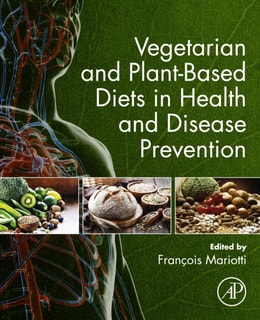
Vegetarian and Plant-Based Diets in Health and Disease Prevention examines the science of vegetarian and plant-based diets and their nutritional impact on human health.
Marine Enzymes Biotechnology: Production and Industrial Applications, Part I, Production of Enzymes provides a huge treasure trove of information on marine organisms.
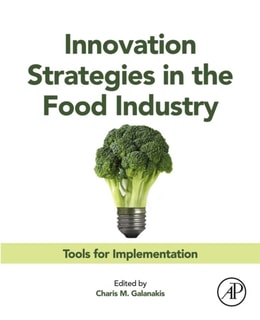
Innovation Strategies in the Food Industry: Tools for Implementation is an indispensable resource for the food industry to introduce innovations in the market, stand out from the competition and satisfy consumer demands.
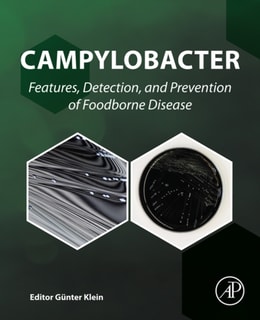
Campylobacter: Features, Prevention and Detection of Foodborne Disease is a unique and valuable reference for researchers in academics and industry as well as risk managers and students in the field needing to understand how this specific pathogen behaves in order to improve control of the whole food processing chain.
Advances in Food and Nutrition Research recognizes the integral relationship between the food and nutritional sciences, bringing together outstanding and comprehensive reviews that highlight this relationship.
The Craft and Science of Coffee follows the coffee plant from its origins in East Africa to its current role as a global product that influences millions of lives though sustainable development, economics, and consumer desire.
Food Fraud provides an overview of the current state on the topic to help readers understand which products are being impacted, how pervasive food fraud is, and what laws are in effect across the developed world.