Citrus Fruit Processing offers a thorough examination of citrus-from its physiology and production to its processing, including packaging and by-product processing.
Food Safety: A Roadmap to Success is a hands-on book that discusses the key pieces of the food safety puzzle, culture, management commitment, organizational structure, implementation, and the glue that holds it together, communication/education/training, influence, accountability, and metrics.
Nutritional Pathophysiology of Obesity and Its Comorbidities: A Case-Study Approach challenges students and practitioners to understand the role of nutrients within the pathophysiology and development of disease, specifically those diseases which develop as a result of obesity.
Fruits, Vegetables, and Herbs: Bioactive Foods in Health Promotion brings together experts from around the world working on the cutting edge of research on fruit, vegetables, and herbs in health promotion.
The Vitamins: Fundamental Aspects in Nutrition and Health, Fifth Edition, provides the latest coverage of the biochemistry and physiology of vitamins and vitamin-like substances.
Nutrition in the Prevention and Treatment of Disease, Fourth Edition, is a compilation of current knowledge in clinical nutrition and an overview of the rationale and science base of its application to practice in the prevention and treatment of disease.
Food Fortification in a Globalized World outlines experiences over the past 50 years-and future potential-for the application of food fortification across a variety of foods in the industrialized and developing world.
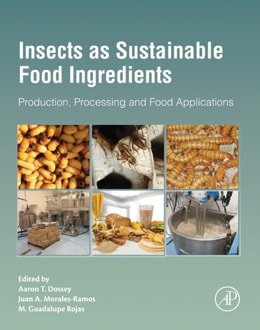
Insects as Sustainable Food Ingredients: Production, Processing and Food Applications describes how insects can be mass produced and incorporated into our food supply at an industrial and cost-effective scale, providing valuable guidance on how to build the insect-based agriculture and the food and biomaterial industry.
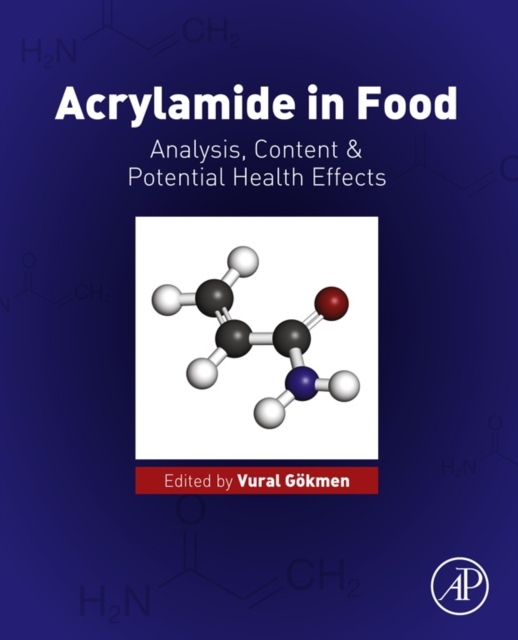
Acrylamide in Food: Analysis, Content and Potential Health Effects provides the recent analytical methodologies for acrylamide detection, up-to-date information about its occurrence in various foods (such as bakery products, fried potato products, coffee, battered products, water, table olives etc.
Fish and Fish Oil in Health and Disease Prevention provides an authoritative review of the role of fish and fish oil intake in the promotion of human health.
Developing New Functional Food and Nutraceutical Products provides critical information from conceptualization of new products to marketing, aiming to present a solid understanding of the entire process through detailed coverage of key concepts, namely innovation, regulation, manufacturing, quality control, and marketing.
Sensory and Instrumental Evaluation of Alcoholic Beverages introduces the value of sensory analysis to the alcoholic beverage industry through the detailed lens of sensory analysis techniques.
Lactose-Derived Prebiotics: A Process Perspective is the first scientific reference to provide a comprehensive technological overview of the processes to derive oligosaccharides from dairy for use in functional foods.
Prebiotics and Probiotics in Human Milk: Origins and Functions of Milk-Borne Oligosaccharides and Bacteria provides a comprehensive, yet approachable, treatise on what is currently known about the origins and functions of human milk oligosaccharides (HMO), the complex sugars in milk that are not digested by the infant.
Producing Safe Eggs: Microbial Ecology of Salmonella takes the unique approach of interfacing problems of Salmonella and microbial contamination with commercial egg production.
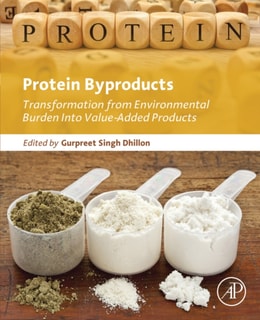
Protein Byproducts: Transformation from Environmental Burden into Value-Added Products deals with the added value of proteinaceous waste byproducts, discussing in detail the different sources of protein-rich byproducts, their extraction, recovery, and characterization.
Agro-industrial Wastes as Feedstock for Enzyme Production: Apply and Exploit the Emerging and Valuable Use Options of Waste Biomass explores the current state-of-the-art bioprocesses in enzyme production using agro-industrial wastes with respect to their generation, current methods of disposal, the problems faced in terms of waste and regulation, and potential value-added protocols for these wastes.
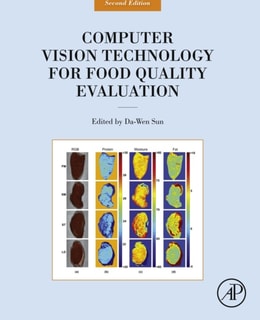
Computer Vision Technology for Food Quality Evaluation, Second Edition continues to be a valuable resource to engineers, researchers, and technologists in research and development, as well as a complete reference to students interested in this rapidly expanding field.
Fermented Foods in Health and Disease Prevention is the first scientific reference that addresses the properties of fermented foods in nutrition by examining their underlying microbiology, the specific characteristics of a wide variety of fermented foods, and their effects in health and disease.
Advances in Food and Nutrition Research recognizes the integral relationship between the food and nutritional sciences, bringing together outstanding and comprehensive reviews that highlight this relationship.
Advances in Food and Nutrition Research recognizes the integral relationship between the food and nutritional sciences and brings together outstanding and comprehensive reviews that highlight this relationship.
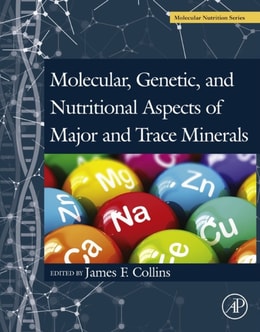
Molecular, Genetic, and Nutritional Aspects of Major and Trace Minerals is a unique reference that provides a complete overview of the non-vitamin micronutrients, including calcium, copper, iodine, iron, magnesium, manganese, molybdenum, phosphorus, potassium, selenium, sodium, and zinc.
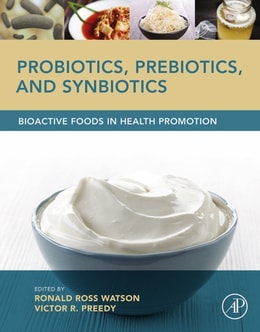
Probiotics, Prebiotics, and Synbiotics: Bioactive Foods in Health Promotion reviews and presents new hypotheses and conclusions on the effects of different bioactive components of probiotics, prebiotics, and synbiotics to prevent disease and improve the health of various populations.
Nutraceuticals: Efficacy, Safety and Toxicity brings together all current knowledge regarding nutraceuticals and their potential toxic effects as written by the scientists at the forefront of their study.
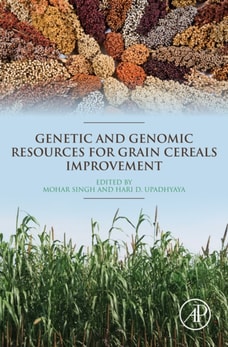
Genetic and Genomic Resources For Cereals Improvement is the first book to bring together the latest available genetic resources and genomics to facilitate the identification of specific germplasm, trait mapping, and allele mining that are needed to more effectively develop biotic and abiotic-stress-resistant grains.
Food Hygiene and Toxicology in Ready-to-Eat Foods is a solid reference for anyone in the food industry needing to understand the complex issues and mechanisms of biological control and chemical hazards to ensure food safety.
Food Safety in the 21st Century: Public Health Perspective is an important reference for anyone currently working in the food industry or those entering the industry.
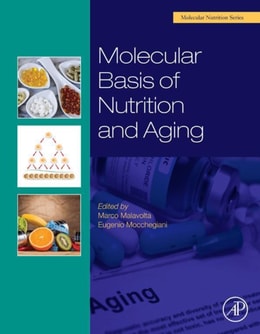
Molecular Basis of Nutrition and Aging: A Volume in the Molecular Nutrition Series focuses on the nutritional issues associated with aging and the important metabolic consequences of diet, nutrition, and health.
Food Security in the Developing World provides an entry point into the complex and challenging subject of providing access to nutritious and safe food in a readable format, capturing the essence of the subject in an effective and impactful manner.
Food Safety and Quality Systems in Developing Countries, Volume One: Export Challenges and Implementation Strategies considers both the theoretical and practical aspects of food safety and quality systems implementation by major world markets and new and emerging markets in developing countries.
Food Safety and Quality Systems in Developing Countries, Volume 2: Case Studies of Effective Implementation begins with a general overview of some of the issues and considerations that impact effective implementation of food safety and quality systems and put this in the context of some of the more noteworthy foodborne illness incidents in the recent past.
Antimicrobial Resistance and Food Safety: Methods and Techniques introduces antimicrobial resistant food-borne pathogens, their surveillance and epidemiology, emerging resistance and resistant pathogens.
Health of HIV Infected People: Food, Nutrition and Lifestyle with Antiretroviral Drugs provides basic and applied knowledge on the supportive roles of bioactive foods, exercise, and dietary supplements on HIV/AIDS patients receiving antiretroviral drugs.
Marine Antioxidants: Preparations, Syntheses, and Applications provides the most updated and comprehensive knowledge on utilizing marine-derived substances for cosmeceutical, pharmaceutical and nutraceutical developments.
Antimicrobial Food Packaging takes an interdisciplinary approach to provide a complete and robust understanding of packaging from some of the most well-known international experts.
Diet and Exercise in Cystic Fibrosis, a unique reference edited by distinguished and internationally recognized nutritionist and immunologist Ronald Ross Watson, fills the gap in the current dietary modalities aimed at controlling cystic fibrosis.
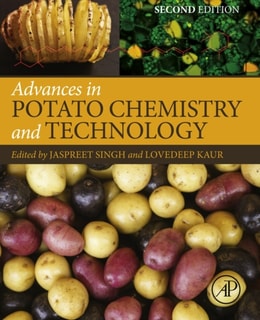
Advances in Potato Chemistry and Technology, Second Edition, presents the latest knowledge on potato chemistry, including the identification, analysis, and uses of chemical components in potatoes.
Enzymes: Novel Biotechnological Approaches for the Food Industry provides an in-depth background of the most up-to-date scientific research and information related to food biotechnology and offers a wide spectrum of biological applications.
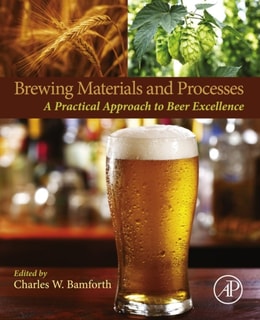
Brewing Materials and Processes: A Practical Approach to Beer Excellence presents a novel methodology on what goes into beer and the results of the process.
Rapid Detection of Food Adulterants and Contaminants: Theory and Practice contains solid information on common adulterants and contaminants in various foods, guidelines for different standards, permissible limits prescribed by food regulatory authorities, and related detection techniques.
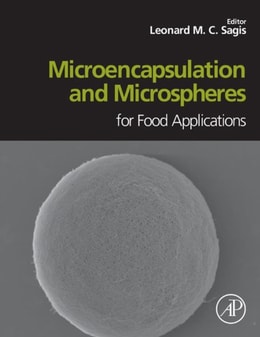
Microencapsulation and Microspheres for Food Applications is a solid reflection on the latest developments, challenges, and opportunities in this highly expanding field.
Food Safety: Emerging Issues, Technologies and Systems offers a systems approach to learning how to understand and address some of the major complex issues that have emerged in the food industry.