Electronic Noses and Tongues in Food Science describes the electronic products of advanced chemical and physical sciences combined with intuitive integration of microprocessors, advanced bioinformatics and statistics.
Advances in Food and Nutrition Research recognizes the integral relationship between the food and nutritional sciences and brings together outstanding and comprehensive reviews that highlight this relationship.
Adapting High Hydrostatic Pressure (HPP) for Food Processing Operations presents commercial benefits of HPP technology for specific processing operations in the food industry, including raw and ready-to-eat (RTE) meat processing, dairy and seafood products, drinks and beverages, and other emerging processes.
Transparency for Sustainability in the Food Chain lays out the key issues and challenges in food safety, food quality, chain integrity, the link with consumers, and the technological base of tracking and tracing systems.
Molecular Microbial Diagnostic Methods: Pathways to Implementation for the Food and Water Industry was developed by recognized and experienced highlevel scientists.
Coffee in Health and Disease Prevention presents a comprehensive look at the compounds in coffee, their reported benefits (or toxicity risks) and also explores them on a health-condition specific level, providing researchers and academics with a single-volume resource to help in identifying potential treatment uses.
Preservation and Shelf Life Extension focuses on the basic principles of ultraviolet light technology as applied in low-UV transmittance treatments of food fluids and solid foods.
Food Plant Safety: UV Applications for Food and Non-Food Surfaces discusses the fundamental principles of ultraviolet (UV) light technology, and gives practical recommendations on UV processes and systems design for specific processing operations, as well as how microbial efficacy of UV light can improve the quality of existing product lines.
Essential Oils in Food Preservation, Flavor and Safety discusses the major advances in the understanding of the Essential Oils and their application, providing a resource that takes into account the fact that there is little attention paid to the scientific basis or toxicity of these oils.
Advances in Food and Nutrition Research recognizes the integral relationship between the food and nutritional sciences and brings together outstanding and comprehensive reviews that highlight this relationship.
Written by a diverse group of research professionals, Postharvest Decay: Control Strategies is aimed at a wide audience, including researchers involved in the study of postharvest handling of agricultural commodities, and undergraduate and graduate students researching postharvest topics.
Advances in Food and Nutrition Research recognizes the integral relationship between the food and nutritional sciences and brings together outstanding and comprehensive reviews that highlight this relationship.
The second edition of Emerging Technologies in Food Processing presents essential, authoritative, and complete literature and research data from the past ten years.
Postharvest Handling, Third Edition takes a global perspective in offering a system of measuring, monitoring, and managing produce processing to improve food quality, minimize food waste, reduce risks and uncertainties, and maximize time and resources.
Diet and Nutrition in Dementia and Cognitive Decline offers researchers and clinicians a single authoritative source which outlines the complex interrelationships between cognitive decline, dementia and the way diet can be modified to improve outcomes.
Nutrition in the Prevention and Treatment of Abdominal Obesity focuses on the important roles that exercise, dietary changes, and foods play in promoting as well as reducing visceral fat.
Phase Transitions in Foods, Second Edition, assembles the most recent research and theories on the topic, describing the phase and state transitions that affect technological properties of biological materials occurring in food processing and storage.
As the wine industry has experienced a period of rapid global expansion, there is a renewed emphasis on quality and consistency even within the small winery industry.
Guide to Food Safety and Quality During Transportation provides a sound foundation for the improvement of the transportation sector responsible for the movement of food.
This first volume of a two-volume work presents the manifold applications of beneficial microbes and microbiomes in plant growth promotion, in enhancing crop resilience and in control of phytopathogens through microbial antagonists.
This second volume of a two-volume work reviews beneficial bioactive compounds from various microorganisms such as bacteria, fungi, cyanobacteria in plant diseases management and the postharvest management of fruits using microbial antagonists.
Antioxidants in Food, Vitamins and Supplements bridges the gap between books aimed at consumers and technical volumes written for investigators in antioxidant research.
This fully revised and updated edition begins with insights into the scope, importance and continuing growth opportunities in the nutraceutical and functional food industries and explores the latest regulatory changes and their impacts.
Available water disinfection systems rely mainly on large-scale filtration and the combination of filtration (to remove solids), and subsequent application of chemical disinfectants.
Cancer: Oxidative Stress and Dietary Antioxidants bridges the trans-disciplinary divide and covers in a single volume the science of oxidative stress in cancer and then the potentially therapeutic usage of natural antioxidants in the diet or food matrix.
Aging: Oxidative Stress and Dietary Antioxidants bridges the trans-disciplinary divide and covers in a single volume the science of oxidative stress in aging and the potentially therapeutic use of natural antioxidants in the diet or food matrix.
Diabetes: Oxidative Stress and Dietary Antioxidants bridges the trans-disciplinary divide among diabetologists, endocrinologists, and nutritionists in understanding and treating diabetes.
Understanding of the interactions of milk proteins in complex food systems continues to progress, resulting in specialized milk-protein based applications in functional foods, and in protein ingredients for specific health applications.
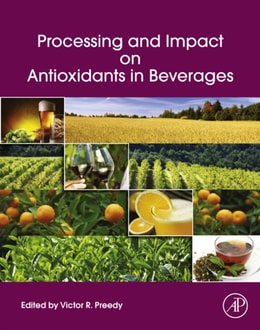
Processing and Impact on Antioxidants in Beverages presents information key to understanding how antioxidants change during production of beverages, how production options can be used to enhance antioxidant benefit, and how to determine the production process that will result in the optimum antioxidant benefit while retaining consumer acceptability.
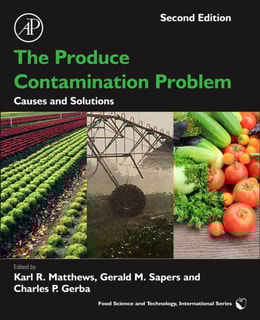
Understanding the causes and contributing factors leading to outbreaks of food-borne illness associated with contamination of fresh produce is a worldwide challenge for everyone from the growers of fresh-cut produce through the entire production and delivery process.
This selection of key presentations from the Food Structures, Digestion and Health conference is devoted to the unique and challenging interface between food science and nutrition, and brings together scientists across several disciplines to address cutting-edge research issues.
The Handbook of Nutrition, Diet and the Eye is the first book to thoroughly address common features and etiological factors in how dietary and nutritional factors affect the eye.
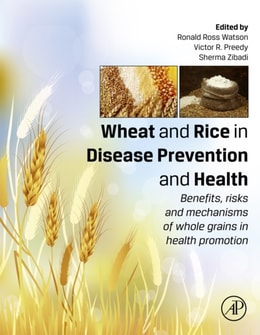
Wheat and Rice in Disease Prevention and Health reviews the wide range of studies focusing on the health benefits and disease prevention associated with the consumption of wheat and rice, the two most widely consumed whole grains.
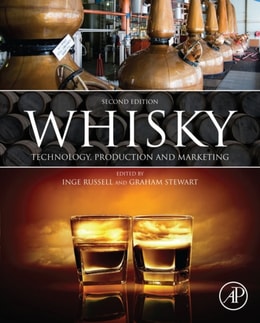
Whisky: Technology, Production and Marketing explains in technical terms the science and technology of producing whisky, combined with information from industry experts on successfully marketing the product.
Long recognized as the bestselling textbook for teaching food engineering to food science students, this 5e transitions with today's students from traditional textbook learning to integrated presentation of the key concepts of food engineering.
Polyphenols in Plants assists plant scientists and dietary supplement producers in assessing polyphenol content and factors affecting their composition.
The book provides a comprehensive overview to understanding the integrated impact of the concepts of cellular and molecular aspects, models, environmental factors, and lifestyle involved in premature aging.
While diet has long been recognized as having potential to alleviate symptoms of inflammatory diseases including arthritis, lupus and fibromyalgia, research indicates that specific foods offer particular benefits in preventing or mitigating specific symptoms.