Bioactive Food as Dietary Interventions for Liver and Gastrointestinal Disease provides valuable insights for those seeking nutritional treatment options for those suffering from liver and/or related gastrointestinal disease including Crohn's, allergies, and colitis among others.
The role of diet in the prevention, control and treatment of diabetes continues to provide significant opportunity for non-pharmaceutical interventions for many of the over 20 million people who live with this disease.
Bioactive Food as Dietary Interventions for the Aging Population presents scientific evidence of the impact bioactive foods can have in the prevention and mediation of age related diseases.
One major example of the synergy of bioactive foods and extracts is their role as an antioxidant and the related remediation of cardiovascular disease.
Nutrition and Enhanced Sports Performance: Muscle Building, Endurance, and Strength provides a comprehensive overview to understanding the integrated impact of nutrition on performance.
This new edition of Innovations in Food Packaging ensures that readers have the most current information on food packaging options, including active packaging, intelligent packaging, edible/biodegradable packaging, nanocomposites and other options for package design.
Advances in Food and Nutrition Research recognizes the integral relationship between the food and nutritional sciences and brings together outstanding and comprehensive reviews that highlight this relationship.
Advances in Food and Nutrition Research recognizes the integral relationship between the food and nutritional sciences and brings together outstanding and comprehensive reviews that highlight this relationship.
Food Industry Wastes: Assessment and Recuperation of Commodities presents emerging techniques and opportunities for the treatment of food wastes, the reduction of water footprint, and creating sustainable food systems.
Culinary Nutrition: The Science and Practice of Healthy Cooking is the first textbook specifically written to bridge the relationship between food science, nutrition and culinology as well as consumer choices for diet, health and enjoyment.
The accelerated globalization of the food supply, coupled with toughening government standards, is putting global food production, distribution, and retail industries under a high-intensity spotlight.
Nutrient Metabolism, Second Edition, provides a comprehensive overview of the supply and use of nutrients in the human body and how the body regulates intake.
This volume on medicinal foods from the sea narrates the bioactive principles of various marine floral (vertebrate and Invertebrate), faunal (Macro and Micro algal) and microbial sources.
This book covers a broad range of topics about the cricket from its development, regeneration, physiology, nervous system, and behavior with remarkable recent updates by adapting the new, sophisticated molecular techniques including RNAi and other genome editing methods.
Advances in Food and Nutrition Research recognizes the integral relationship between the food and nutritional sciences and brings together outstanding and comprehensive reviews that highlight this relationship.
Nutrigenetics: Applying the Science of Personal Nutrition provides a fully referenced, readable guide to understanding the rationale and importance of nutrigenetic applications and explains why single nutrition recommendations will not fit everybody or even a majority of modern humans.
Handbook of Farm, Dairy and Food Machinery Engineering is the essential reference for engineers who need to understand those aspects of the food industry from farm machinery to food storage facilities to the machinery that processes and packages our foods.
Among the major challenges facing society today, seeking renewable alternatives to petroleum-based fuels and manufactured goods is critically important to reducing society's dependency on petroleum and tackling environmental issues associated with petroleum use.
While there have been many claims of the benefits of teas through the years, and while there is nearly universal agreement that drinking tea can benefit health, there is still a concern over whether the lab-generated results are representative of real-life benefit, what the risk of toxicity might be, and what the effective-level thresholds are for various purposes.
Chemical Analysis of Food: Techniques and Applications reviews new technology and challenges in food analysis from multiple perspectives: a review of novel technologies being used in food analysis, an in-depth analysis of several specific approaches, and an examination of the most innovative applications and future trends.
The fourth edition of this bestselling text will again provide the latest coverage of the biochemistry and physiology of vitamins and vitamin-like substances.
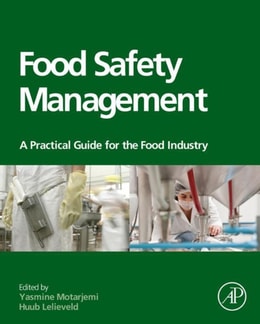
Food Safety Management: A Practical Guide for the Food Industry with an Honorable Mention for Single Volume Reference/Science in the 2015 PROSE Awards from the Association of American Publishers is the first book to present an integrated, practical approach to the management of food safety throughout the production chain.
Food processing is the step of the food chain that principally affects a food's physical or biochemical properties, along with determining the safety and shelf life of the product.
Advances in Food and Nutrition Research recognizes the integral relationship between the food and nutritional sciences and brings together outstanding and comprehensive reviews that highlight this relationship.
Advances in Food and Nutrition Research recognizes the integral relationship between the food and nutritional sciences and brings together outstanding and comprehensive reviews that highlight this relationship.
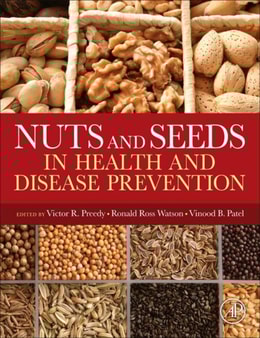
The use of nuts and seeds to improve human nutritional status has proven successful for a variety of conditions including in the treatment of high cholesterol, reduced risk of Type-2 Diabetes, and weight control.
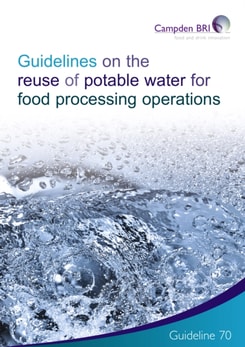
Guidelines on the reuse of potable water for food processing operations provides help on the assessment of microbiological, chemical and physical hazards that can enter potable water following its first use in a food processing operation.
Ensure that you have a robust system in place that identifies the source (time and place) of all incoming materials, records how they were mixed, and identifies when and where they were dispatched, so that appropriate action can be taken in the event of a problem.