This book provides a new approach to the control of food transformation processes, emphasizing the advantage of considering the system as a multivariable one, and taking a holistic approach to the decision-making process in the plant, considering not only the technical but also the economic implications of these decisions.
This book provides a comprehensive examination of the role of gut microbiome/microflora in nutrition, metabolism, disease prevention and health issues, including farm animal health and food value, and human gastrointestinal health and immunity.
World health authorities recommend people maximize their protein intake through vegetable sources (such as pulses), and reduce protein intake from animal sources.
This book presents exotic fruit processing as a way to obtaining traditional and innovative fruit products by means of various food processing technologies.
This book focuses on polyphenols in the Mediterranean diet, providing a detailed overview of their chemical structure, extraction and analysis methods, and their role in the diet and in flavor.
The technology used to ripen bananas is affected by a wide range of factors, including the cultivar, growing conditions, harvesting method, and maturity at which the fruit are harvested and handled.
This book provides an overview of mitigation strategies and positive health effects of Maillard Reaction products in the contexts of food processing and storage.
This book examines the puzzle of why genetically modified organisms continue to be controversial despite scientific evidence declaring them safe for humans and the environment.
This book focuses on various types of bioactive compounds, including secondary metabolites, oligosaccharides, polysaccharides, flavonoids, peptides/proteins, carotenoid pigments, quinones, terpenes, and polyunsaturated fatty acids, and presents an overview of their nutraceutical activities.
This volume is the first centralized source of technological and policy solutions for sustainable agriculture and food systems resilience in the face of climate change.
Now in its updated second edition, this book describes emerging chiral environmental pollutants and their importance in environmental and human toxicology, as well as enantiomer selective separation and analytical methods.
This book addresses the shelf life of foods, a key factor in determining how food is distributed and consequently where and when different food products are available for consumption.
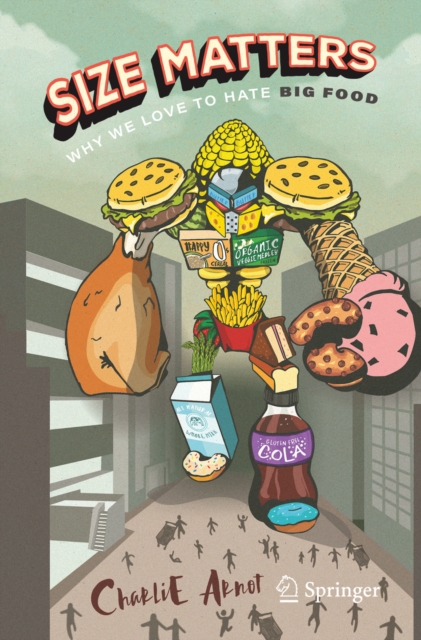
Despite food being safer, more affordable and more available than at any time in human history, consumers are increasingly skeptical and critical of today's food system.
The growing importance of glycobiology and carbohydrate chemistry in modern biotechnology and the pharmaceutical industry makes accurate carbohydrate analysis indispensable.
Now in its 6th Edition, this highly acclaimed textbook provides sanitation information needed to ensure hygienic practices and safe food for food industry personnel as well as students.
Based on the lived experiences of incarcerated persons and staff, this book explores the symbolic significance of prison foodways to normalization, autonomy, identity construction, power, group formation and security.
This book aims to describe, though in a quite light way, the social role of plant diseases, letting the reader know the topical importance of plant pathology, as well as the role of plant pathologists in our society.
Reviews of Environmental Contamination and Toxicology attempts to provide concise, critical reviews of timely advances, philosophy and significant areas of accomplished or needed endeavor in the total field of xenobiotics, in any segment of the environment, as well as toxicological implications.
This book comes out of the 12th Iberoamerican Congress of Food Engineering, which took place at the University of Algarve in Faro, Portugal in July 2019.
This book covers innovations in starter culture, production of health beneficial fermented food products, technological intervention in beer, wine and spirits production, marketing of alcoholic beverages, modernization of dairy plants for production of fermented dairy products, non-diary probiotics, development of automatic fermenters, and packaging technology.
This text comprehensively covers the analysis, enzymology, physiology and genetics of valuable natural products used in the food industry that are attractive targets for biotechnological production.
Natural compounds obtained from plants represent a tremendous global market due to their use as food additives, cosmetics, in agriculture and in pharmaceuticals.
This brief outlines the state-of-art of the food industry within the Indian Sub-continent, providing a detailed insight into the current science of nutrition and industrial technology.