Elevated blood concentrations of homocysteine, B vitamins deficiencies and oxidative stress are etiological factors for many human chronic diseases, yet the etiologic relationship of hyperhomocysteinemia to these disorders remains poorly understood.
Substitution and adulteration in traded herbal raw material are common practice in the herbal industry due to the extinction of required species, deforestation and incorrect taxonomical identification.
This book is based on selected papers from keynote and symposium sessions given at the 16th International Union of Food Science and Technology (IUFoST) World Congress, held in Foz do Iguacu, Brazil August, 2012.
Advances in Food Rheology and Its Applications presents the latest advances in the measurement and application of food rheology, one of the most important tools for food companies when characterizing ingredients and final products, and a predictor of product performance and consumer acceptance.
';Research Methodology and Techniques in Foods, Nutrition and Dietetics' is an essential purchase for students of nutrition and dietetics, and also for those students who major in other subjects that have a nutrition component, such as food science, medicine, pharmacy and nursing.
With the advancement of science and technology and rapidly growing application of these in every walk of life have made obsolete the entire concept of conventional management theories and practices.
Nutrition and Functional Foods in Boosting Digestion, Metabolism and Immune Health explores the role of appropriate nutrition and digestive enzymes in healthy digestion.
The Vitamins: Fundamental Aspects in Nutrition and Health, Fifth Edition, provides the latest coverage of the biochemistry and physiology of vitamins and vitamin-like substances.
Acrylamide in Food: Analysis, Content and Potential Health Effects provides the recent analytical methodologies for acrylamide detection, up-to-date information about its occurrence in various foods (such as bakery products, fried potato products, coffee, battered products, water, table olives etc.
Food Safety in Middle East provides the latest research data on food safety in the Arab countries of the Middle East and summarizes recent developments on food safety practices, policies, and legislations.
Advanced Food Analysis Tools: Biosensors and Nanotechnology provides the latest information on innovative biosensors and tools that are used to perform on-site detection tests.
Fish and Fish Oil in Health and Disease Prevention provides an authoritative review of the role of fish and fish oil intake in the promotion of human health.
Developing New Functional Food and Nutraceutical Products provides critical information from conceptualization of new products to marketing, aiming to present a solid understanding of the entire process through detailed coverage of key concepts, namely innovation, regulation, manufacturing, quality control, and marketing.
Sensory and Instrumental Evaluation of Alcoholic Beverages introduces the value of sensory analysis to the alcoholic beverage industry through the detailed lens of sensory analysis techniques.
Producing Safe Eggs: Microbial Ecology of Salmonella takes the unique approach of interfacing problems of Salmonella and microbial contamination with commercial egg production.
Advances in Food and Nutrition Research recognizes the integral relationship between the food and nutritional sciences and brings together outstanding and comprehensive reviews that highlight this relationship.
Kompetenz in Lebensmittelsicherheit bedeutet Verständnis und Know-how über Aufbau, Zusammensetzung und Eigenschaften der Lebensmittel und ihrer Rohstoffe sowie über die Zusammenhänge der globalen Versorgungskette.
Molecular, Genetic, and Nutritional Aspects of Major and Trace Minerals is a unique reference that provides a complete overview of the non-vitamin micronutrients, including calcium, copper, iodine, iron, magnesium, manganese, molybdenum, phosphorus, potassium, selenium, sodium, and zinc.
The Molecular Nutrition of Amino Acids and Proteins provides an in-depth look at the involvement and role of amino acids and proteins in molecular nutrition.
Applications of nanotechnology are the remarkable sizes dependent on physiochemical properties of nanomaterials that have led to the developed protocols for synthesizing nanomaterials over a range of size, shapes and chemical compositions.
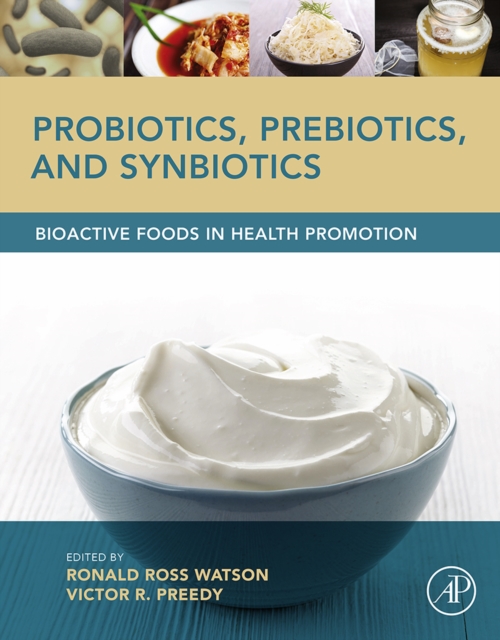
Probiotics, Prebiotics, and Synbiotics: Bioactive Foods in Health Promotion reviews and presents new hypotheses and conclusions on the effects of different bioactive components of probiotics, prebiotics, and synbiotics to prevent disease and improve the health of various populations.
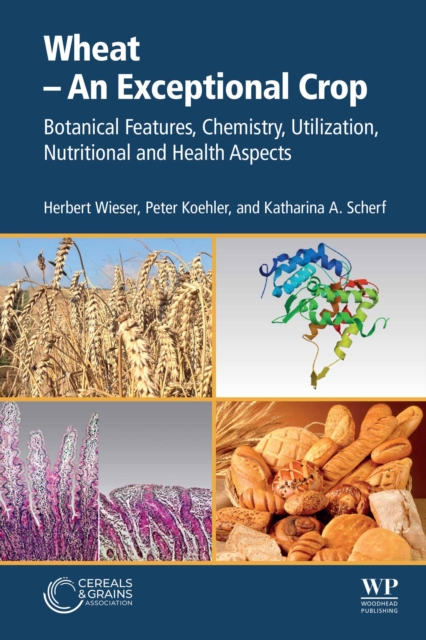
Wheat - An Exceptional Crop: Botanical Features, Chemistry, Utilization, Nutritional and Health Aspects presents the exceptional position of wheat among food crops.
Saffron explores the properties, metabolism and health effects of saffron ingredients, along with processing issues and the industrial applications that are affected by these aspects.
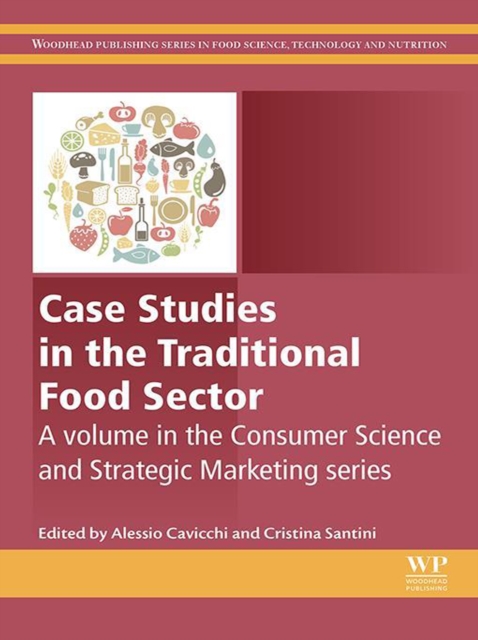
Consumer Science and Strategic Marketing: Case Studies in the Traditional Food Sector aims to close the gap between academic researchers and industry professionals through real world scenarios and field-based research.
Methods for Consumer Research, Volume One: New Approaches to Classic Methods brings together world leading experts in global consumer research who provide a fully comprehensive state-of-the-art coverage of advances in the classical methods of consumer science.
The development of high-quality foods with desirable properties for both consumers and the food industry requires a comprehensive understanding of food systems and the control and rational design of food microstructures.
Omega-3 fatty acids provide many health benefits, from reducing cardiovascular disease to improving mental health, and consumer interest in foods enriched with omega-3 fatty acids is increasing.
Instrumental measurements of the sensory quality of food and drink are of growing importance in both complementing data provided by sensory panels and in providing valuable data in situations in which the use of human subjects is not feasible.
Scallops: Biology, Ecology, Aquaculture and Fisheries, Third Edition, continues its history as the definitive resource on scallops, covering all facets of scallop biology, including anatomy, taxonomy, physiology, ecology, larval biology, and neurobiology.
Chemical contaminants in food, from pesticides and veterinary drug residues to contamination from food packaging, are a major concern for the food industry.