Lactic Acid Bacteria as Cell Factories: Synthetic Biology and Metabolic Engineering describes the most recent developments on the metabolic engineering and synthetic biology of Lactic Acid Bacteria (LAB) for production of biologically active biomolecules (enzymes, organic acids, bacteriocins, bioactive peptides, etc.
This important work aims at analysing the level of nutritin and carrying capacity of agricultural and under existion level of land resource exploition for food production.
This publication titled, "e;Food, Catering and Beverage Manage-ment"e; provides readers with an introductory overview of catering, food service, beverages and accommodation management.
This book is written and designed to know the perception and buying behaviour of consumers towards Online Grocery and Frozen Foods so to analyze the challenges while running business and to analyze the effect of these on the success or failure of a business.
This book introduces the methods of Food Technology, setting its essence 0ut simply and concisely, and illustrating how it has been and can be applied in industrial practice.
This book discusses table and hatching eggs, quality-based grading of eggs, pre-incubation, incubation, hatching and post-hatch monitoring period, and how the next-generation management of these process can be enriched by informatics through non-destructive technologies, signal processing, machine learning, AI, IoT applications, etc.
This book includes multi-national research studies (social and natural science research, as well as more directly practical university-based knowledge) about cultural heritage, land, and societal development in varied countries.
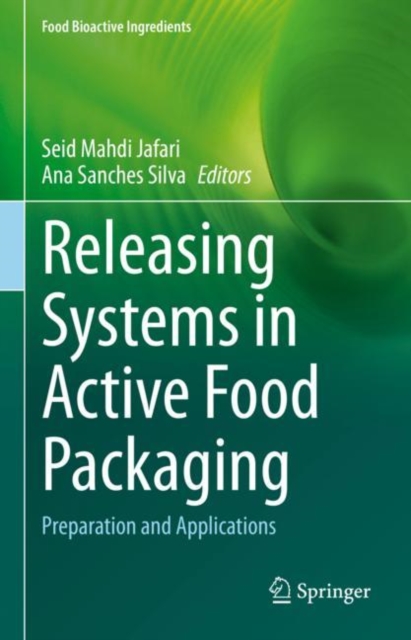
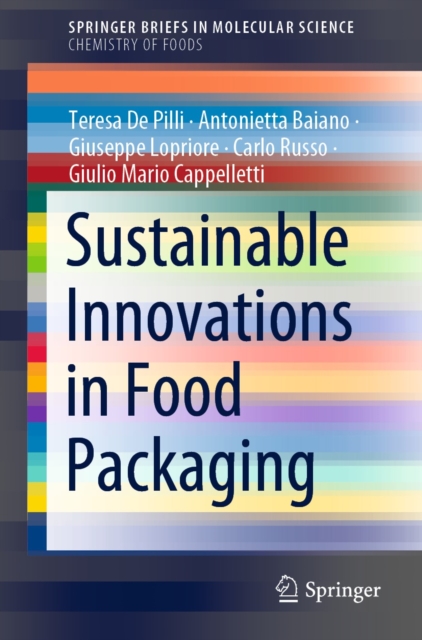
Valuable progress has been made in food packaging over the past two decades, reflecting advancements in process efficiency, improved safety and quality throughout the supply chain, and the need to reduce product loss and environmental impact.
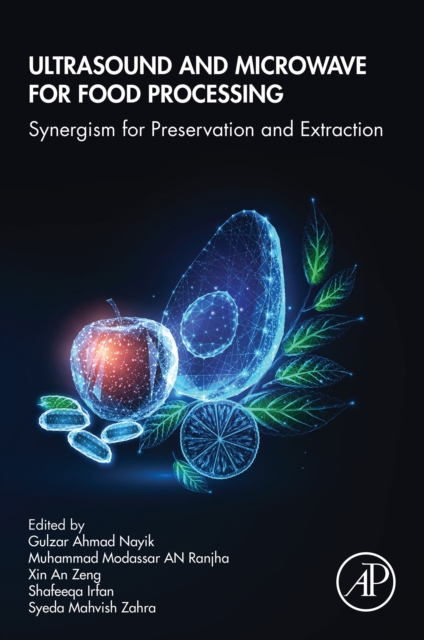
Ultrasound and Microwave for Food Processing: Synergism for Preservation and Extraction analyzes the efficiency and validity of the combined effect of sonication and microwave in food processing, preservation, and extraction.
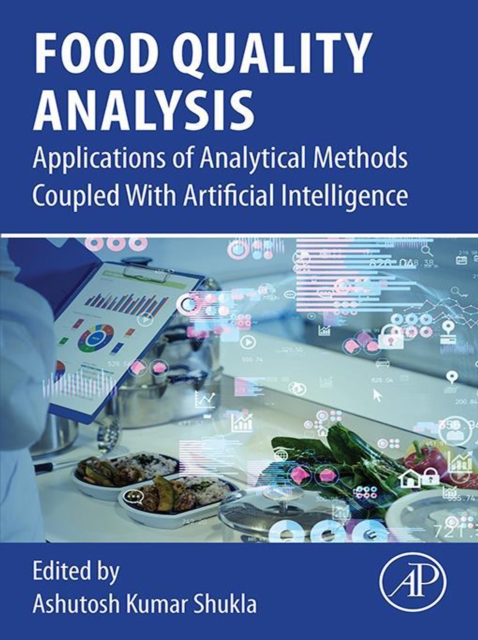
Food Quality Analysis: Applications of Analytical Methods Coupled With Artificial Intelligence provides different spectroscopic techniques and their application to food quality analysis, with the unique approach of adding multivariate analysis as well as artificial intelligence applications.
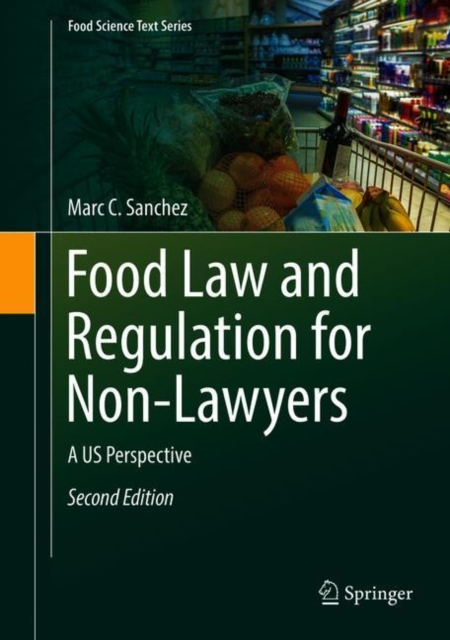
Designed and modeled after a six-week introductory food law course taught at Northeastern University, Food Law and Regulation for Non-Lawyers offers a succinct overview of key topics and core concepts for food scientists, quality managers, and others who need to understand the regulation of food in the U.
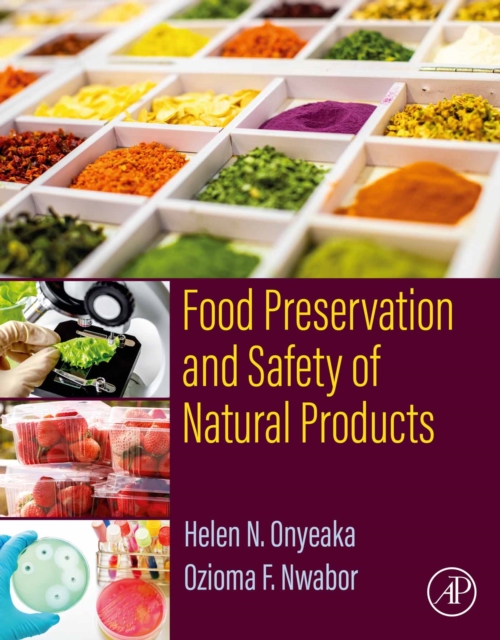
Food Preservation and Safety of Natural Products addresses the most common causes of food spoilage that create significant loss to global food production while also discussing how food serves as a vehicle for the transmission of pathogenic microorganisms responsible for mild to debilitating health conditions in humans.
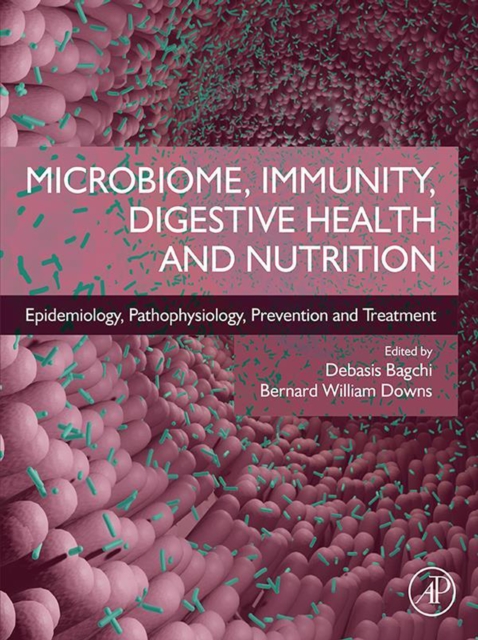
Microbiome, Immunity, Digestive Health and Nutrition: Epidemiology, Pathophysiology, Prevention and Treatment addresses a wide range of topics related to the role of nutrition in achieving and maintaining a healthy gut microbiome.
Diet, Inflammation, and Health introduces concepts of inflammation, the role of acute inflammatory responses in good health, and the association of chronic systemic inflammation with mental distress, cognitive decline, and chronic diseases, ranging from diabetes to cardiovascular diseases, stroke, and cancer.
Your complete guide to making simple, healthy smoothiesWhen you need a nutritious breakfast on the go or a midday snack, it doesn't get any easier than a smoothie.
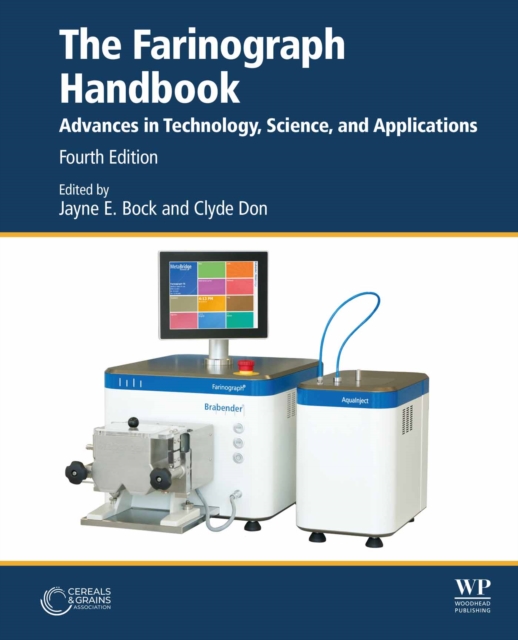
The Farinograph Handbook: Advances in Technology, Science and Applications, Fourth Edition, highlights the instrument's changes over the last three decades.
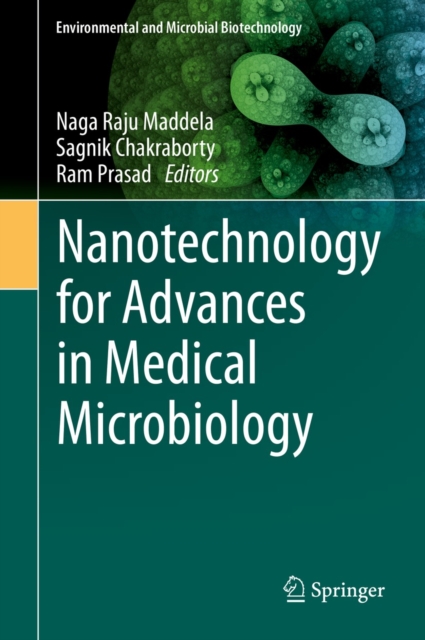
Combined fields of Microbiology and Nanotechnology have been most successful in providing novel solutions for protecting the health of humans and environment.
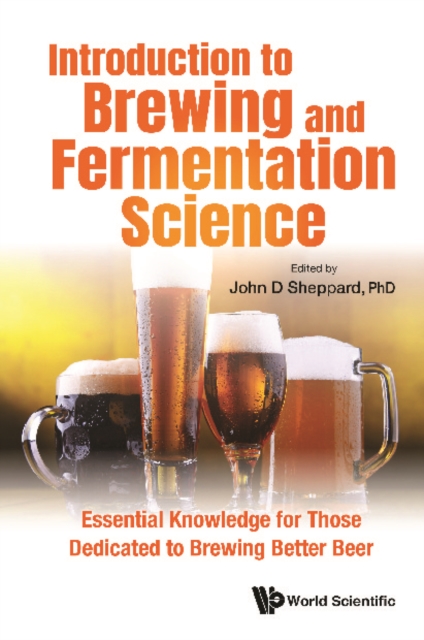
Written as an introduction to the science of brewing and beer fermentation, this book provides an up-to-date overview of the science behind the various operations involved in the making of beer.
This edited volume evaluates recent EU quality policy, focusing on the structure, governance, technical specifications and performances - economic, environmental and social - of Food Quality Schemes (FQS) in the European Union and South East Asia.
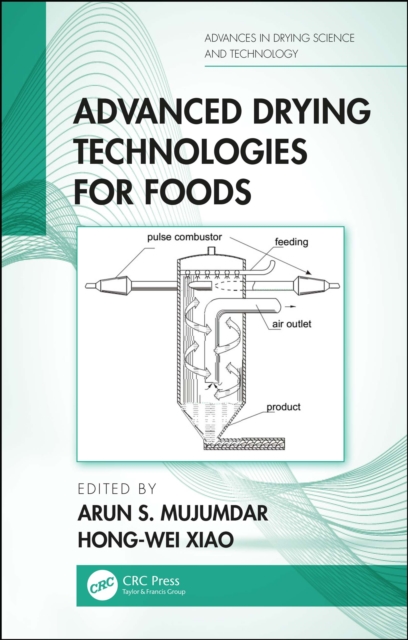
The goal of all drying research and development is to develop cost-effective innovative processes that yield high-quality dried products with less energy consumption and reduced environmental impact.
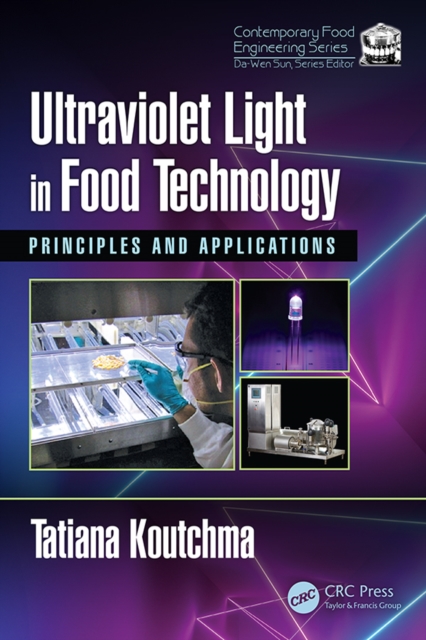
UV light is one of a number of emerging non-thermal food processing technologies that can be used in a broad range of applications producing food products with longer shelf-life, more safe, and with higher nutritional quality.
Food biopolymers: Structural, functional and nutraceutical properties provides valuable coverage of all major food biopolymers from plant, animal and marine sources.
This book focuses on probiotics and gut microbiota, as well as their roles in alleviating the toxicity of various environmental pollutants, presenting the latest research findings and explaining advanced research methods and tools.
A food system comprises the entire range of actors and interlinked activities related to food production, processing, distribution, marketing and trade, preparation, consumption, and disposal.
This Brief provides a comprehensive overview of Cyclospora cayetanensis, a protozoan apicomplexan parasite that leads to outbreaks of traveler's diarrhea in consumers.
This book applies an approach to study the externalization of cost under capitalism in the production of Argentine yerba mate, an infusion with stimulant properties long used by indigenous peoples.
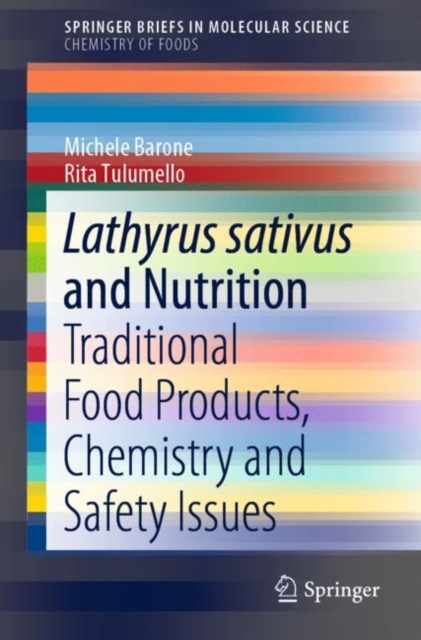
This book addresses the traditional use of a specific crop legume, grass pea (Lathyrus sativus), as a food product and ingredient for typical food products.
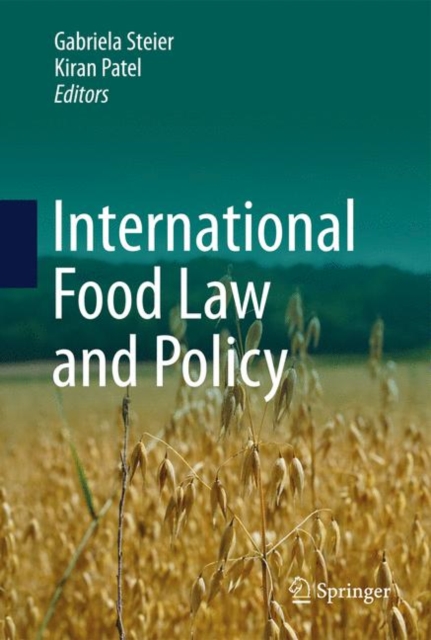
International Food Law and Policy is the first interdisciplinary piece of academic literature of its kind with a comprehensive, reader-friendly approach to teaching the major aspects of food regulation, law, policy, food safety and environmental sustainability in a global context.
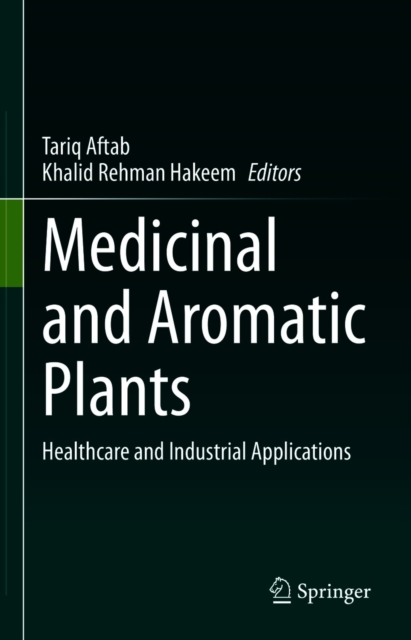
Before the concept of history began, humans undoubtedly acquired life benefits by discovering medicinal and aromatic plants (MAPs) that were food and medicine.
This book discusses the scope and limitations of the antimicrobial and antioxidant properties of foods as medicines or medicinal coadjuvants in traditional Indian herbal therapies.
This book reviews recent research and applications of chitin and chitosan, as natural alternatives of fossil fuel products, in medicine and pharmacy, agriculture, food science and water treatment.
This book reviews recent research and applications of chitin and chitosan, as natural alternatives of fossil fuel products, in green chemistry, energy, biotechnology, bioprinting, medicine, water treatment, agriculture and food science.