This book introduces the Chinese boletes, including the history, ecological and economic values, as well as the geographical distribution patterns with a highlight on the Tylopilus species.
This book puts together all aspects of valorization of vegetable and fruit wastes (VFWs) into different biocommodities and platform chemicals using fermentation and non-fermentation processes.
This book provides readers with a comprehensive overview of cold plasma technology for tackling the various food-related hazards in a wide range of food sectors.
The book introduces the definition, classification, source and structure of hydrocolloids and provides a comprehensive description of their functionalities and food-related applications.
Combined fields of Microbiology and Nanotechnology have been most successful in providing novel solutions for protecting the health of humans and environment.
This book provides knowledge of the basic theory, spectral analysis methods, chemometrics, instrumentation, and applications of near-infrared (NIR) spectroscopy-not as a handbook but rather as a sourcebook of NIR spectroscopy.
This book is dedicated to present different aspects of reproductive physiology and molecular endocrinology of commercially important as well as potential aquaculture fish species.
This book focuses on the preparation and characterisation of polyvinyl alcohol (PVA)/ halloysite nanotube (HNT) bionanocomposite films with different HNT contents for potential use in food packaging.
This book focuses on probiotics as sustainable foods and medicines, discussing issues such as screening and identification of probiotics, health claims, and advances in processing technologies, as well as food safety.
Sugarcane enjoys a prominent position among agro-industrial crops and is commercially grown in 115 tropical and subtropical countries around the world.
This book focuses on probiotics and gut microbiota, as well as their roles in alleviating the toxicity of various environmental pollutants, presenting the latest research findings and explaining advanced research methods and tools.
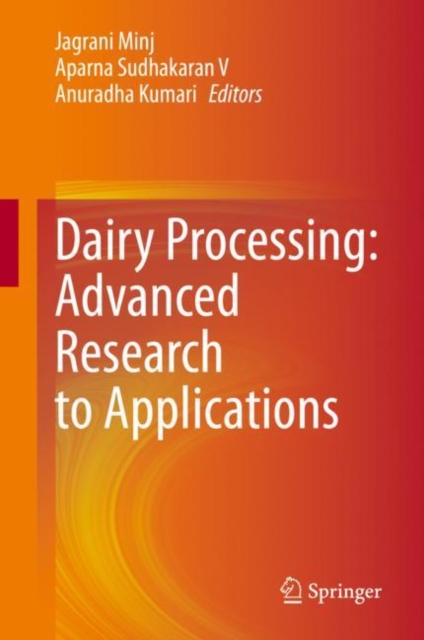
This book discusses quality-related aspects of milk and milk products, covering the various analytical procedures for testing the quality and composition.
Food systems involve a range of activities concerning food production, processing, distribution, marketing and trade, preparation, consumption and disposal.
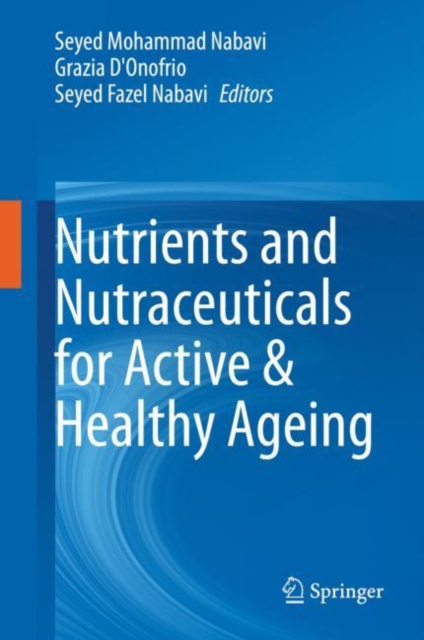
This book focuses on the nutrients and nutraceuticals that promote active and healthy ageing - recently defined by the WHO as the process of development and maintenance of functional capacity that allows well-being at an advanced stage of life.
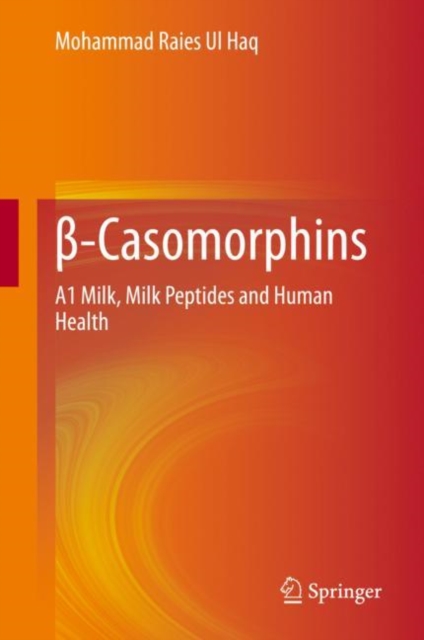
This book compiles the latest research on the A1 and A2 forms of cow milk, and attempts to show a correlation between the type of cow milk consumption and reported incidence of certain diseases (type 1 diabetes mellitus, cardiovascular diseases, sudden infant death syndrome and neurological disorders).
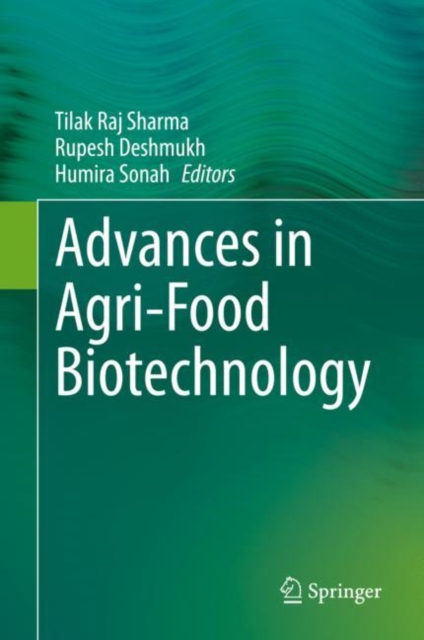
This book provides a comprehensive review of recent innovations in food science that are being used to tackle the challenges of food safety, nutritional security and sustainability.
A food system comprises the entire range of actors and interlinked activities related to food production, processing, distribution, marketing and trade, preparation, consumption, and disposal.
This book discusses systems and synthetic biotechnologies for the production of nutraceuticals, and summarizes recent advances in nutraceutical research in terms of the physiological effects on health, potential applications, drawbacks of traditional production processes, characteristics of production strains, and advances in microbial production based on systems and synthetic biotechnology.
The book provides an overview of bio-manufacturing techniques for the production, purification, characterization and modification of chito/chitin oligosaccharides and their monomers.
"e;Microalgae Biotechnology for Food, Health and High Value Products"e; presents the latest technological innovations in microalgae production, market status of algal biomass-based products, and future prospects for microalgal applications.
This book systematically covers immunoassays for food, presenting detailed approaches such as antigen design, food matrix pre-treatment and detection format optimization for 9 classes of food hazards and nutrition constituents.
This book introduces readers to both seed treatment and seedling pretreatments, taking into account various factors such as plant age, growing conditions and climate.
This book presents a wealth of perspectives on studying the manufacturing end of food processing industries, with a special focus on regions with a low industrial base and multiple missing markets, institutional finance being the most prominent example.
This is the first book to explore the science underlying the concept of "e;koku"e;, which is central to an understanding of the palatability of food within Japanese cuisine and is attracting increasing interest among food scientists and professionals worldwide.
This book summarizes the types, contents, analytical methods, formation mechanisms and control strategies for hazardous substances produced during the thermal processing of foods.
This book comprehensively describes the biological underpinnings of red meat production, discussing the current state of the science in the context of the provision of red meat products perceived by consumers to offer a quality eating experience.
This book comprehensively describes the biological underpinnings of red meat production, discussing the current state of the science in the context of the provision of red meat products perceived by consumers to offer a quality eating experience.
This book discusses the latest research and new techniques in the field of lactic acid bacteria, including comparative genomics, transcriptomics, proteomics and metabolomics.
This book introduces readers to basic studies on and applied techniques involving lactic acid bacteria, including their bioengineering and industrial applications.