El éxito de este formulario responde a que es una recopilación de datos tales como definiciones, valores importantes, características diversas, unidades, métodos, esquemas más clásicos de instalaciones.
¿Cuántas veces nos preguntamos mientras disfrutamos de una botella de vino, lo que habrá tenido que ocurrir, desde que se plantó la viña, se cortó el racimo y se obtuvo el caldo, hasta el momento en el que lo degustamos?
Asia has a long history of preparation and consumption of various types of ethnic fermented foods and alcoholic beverages based on available raw substrates of plant or animal sources and also depending on agro-climatic conditions of the regions.
This book represents an original research contribution in the area of aroma volatile biochemistry and the molecular analysis of basmati and non-basmati rice cultivars of India.
This book describes the dietary habits (such as use of probiotics, synbiotics, prebiotics and dietary fiber) that could modify and reduce the risk of developing colorectal cancer (CRC).
This book combines several ideas and philosophies and provides a detailed discussion on the value addition of fruits, vegetables, spices, plantation crops, floricultural crops and in forestry.
This volume brings together research on development in three major areas of contemporary global relevance: agriculture and food security, energy, and the institutions of national innovation.
This timely and comprehensive text focuses on important recent advances in applied sustainability in the baking industry, connecting all the current methods and strategies into a single book.
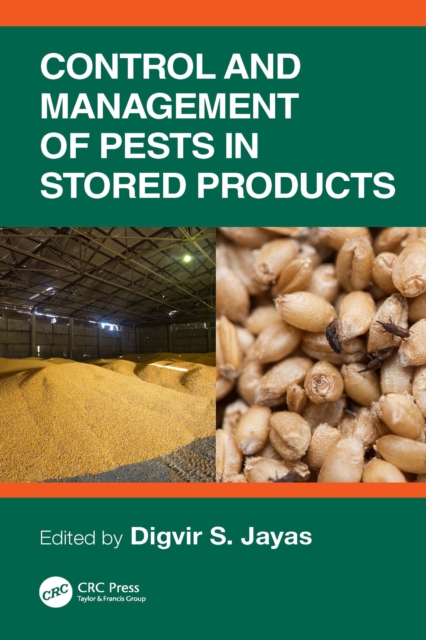
Stored commodities are man-made ecosystems and interactions of biological agents with its surrounding physical environment could result in significant economic losses if physical environment is not manipulated to make it lethal or at least difficult for survival of biological agents.
The aim of this book is to provide experimental protocols covering many aspects of glycobiology, glycotechnology, and chemistry: biochemistry, molecular and cellular biology, genetics, physiology, and medicine.
The aim of this book is to provide experimental protocols covering many aspects of glycobiology, glycotechnology, and chemistry: biochemistry, molecular and cellular biology, genetics, physiology, and medicine.
Chemoprevention is currently regarded as one of the most promising avenues for the control of cancer, with human epidemiological and animal studies indicating that the risk of cancer may be modified by changes in diet.
This book covers a broad range of topics about the cricket from its development, regeneration, physiology, nervous system, and behavior with remarkable recent updates by adapting the new, sophisticated molecular techniques including RNAi and other genome editing methods.
The purpose of this publication is to elucidate the biological aspect of the abiotic stress response from the field to the molecular level in horticultural plants.
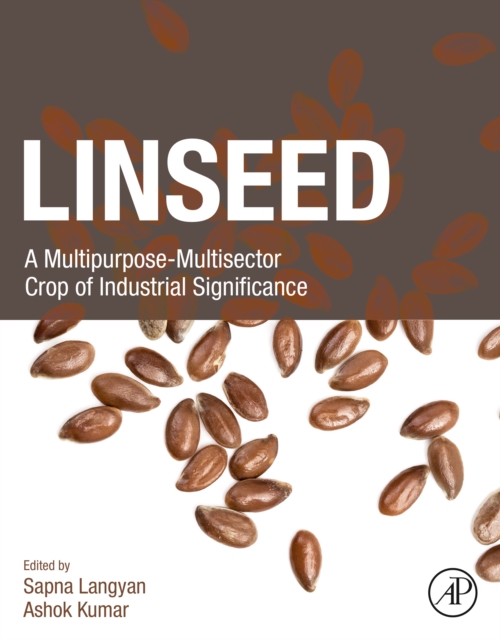
Linseed: A Multipurpose-Multisector Crop of Industrial Significance provides a general overview of linseed as a multipurpose-multisector crop for obtaining a number of valuable products.
Täglich werden in Deutschland Millionen von Menschen über die Außer-Haus-Verpflegung mit Speisen versorgt, insbesondere über die Gemeinschaftsverpflegung.
Functional foods, also known as nutraceuticals, began to gain prominence in the 1980s in Japan as "e;foods for specified health use"e; and became more widely recognized in the 1990s as research and interest in foods that could provide specific health benefits beyond essential nutrition grew worldwide.
Although nanotechnology has revolutionized fields such as medicine, genetics, biology, bioengineering, mechanics, and chemistry, its increasing application in the food industry is relatively recent in comparison.
Although nanotechnology has revolutionized fields such as medicine, genetics, biology, bioengineering, mechanics, and chemistry, its increasing application in the food industry is relatively recent in comparison.
Although nanotechnology has revolutionized fields such as medicine, genetics, biology, bioengineering, mechanics, and chemistry, its increasing application in the food industry is relatively recent in comparison.
Although nanotechnology has revolutionized fields such as medicine, genetics, biology, bioengineering, mechanics, and chemistry, its increasing application in the food industry is relatively recent in comparison.
Although nanotechnology has revolutionized fields such as medicine, genetics, biology, bioengineering, mechanics, and chemistry, its increasing application in the food industry is relatively recent in comparison.
Food microbiology has seen enormous growth in the last decade, fueled by the global pandemic of COVID-19 and continual routine outbreaks with traditional foodborne pathogens.
Das erfolgreiche und gut eingeführte Werk Biochemie der Ernährung von Gertrud Rehner und Hannelore Daniel liegt nunmehr in der dritten Auflage vor und eignet sich als Lehrbuch für Studenten der Ernährungswissenschaft wie auch als Nachschlagewerk für Ernährungswissenschaftler, Mediziner, Biologen und Chemiker.
More than twenty years after the idea of this Carotenoids book series was first discussed, we finally reach the end of the project with Volume 5, which covers the functions and actions of carotenoids in human nutrition and health.