For the first time, this singular and comprehensive text presents a focus on quantitative studies aiming to describe food digestion and the tools that are available for quantification.
This third edition of this text is organized into seven sections that address the educational needs of dietitians around the world who seek current information about nutritional management of chronic kidney disease (CKD).
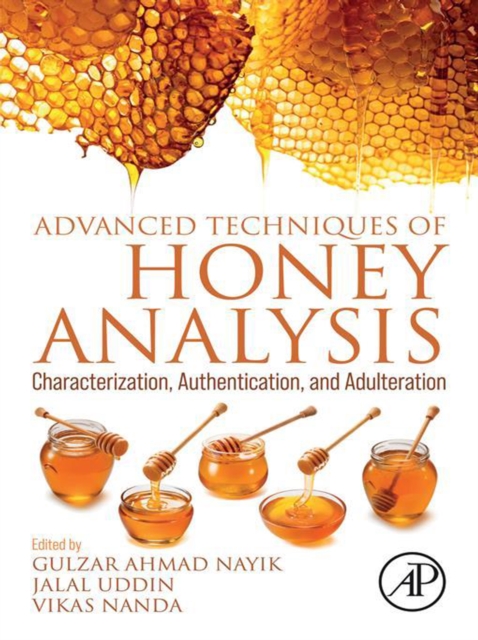
Advanced Techniques of Honey Analysis: Characterization, Authentication, and Adulteration presents an overview of honey - its classification, composition, safety, present status, quality issues and prospects - before delving into honey adulteration and presenting various methodologies for honey analysis.
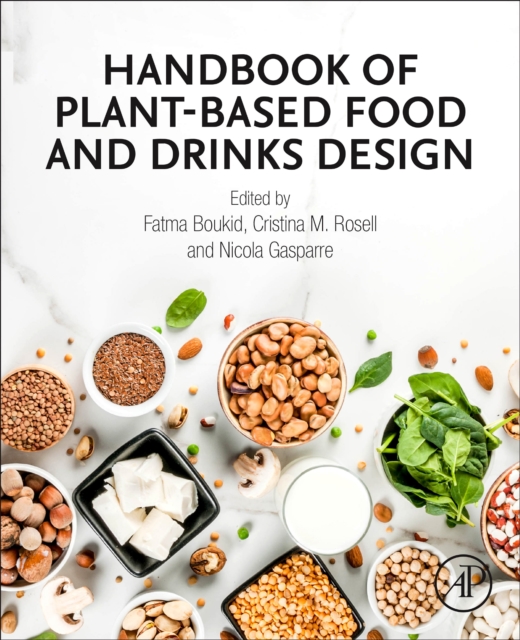
Handbook of Plant-Based Food and Drinks Design discusses conventional and emerging technologies for plant-based ingredient improvement (yield, nutritional composition and functional properties) while considering food safety, sustainability, and social impact to explore current and potential markets through research and innovation.
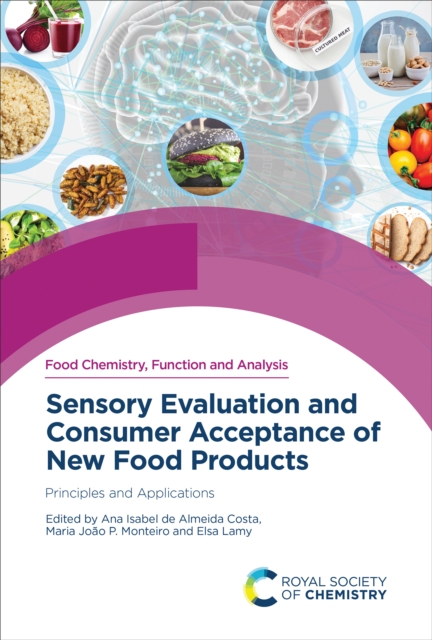
Large amounts of money, time and effort are devoted to sensory and consumer research in food and beverage companies in an attempt to maximize the chances of new products succeeding in the marketplace.
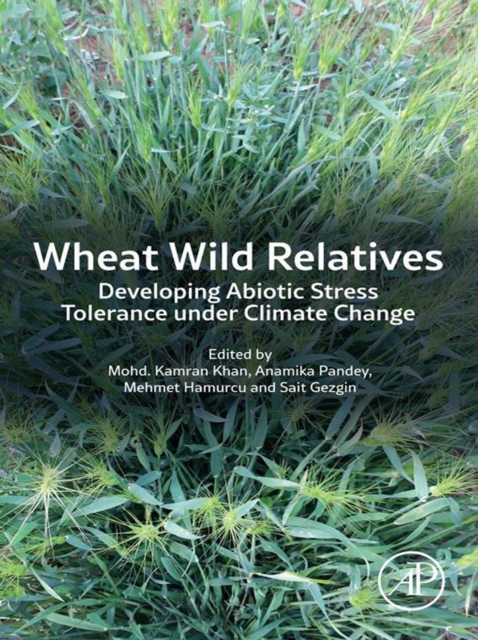
Wheat Wild Relatives: Developing Abiotic Stress Tolerance under Climate Change presents a state-of-the-art outline of the problem, including issues, opportunities, and modern developments in the utilization of Wild Wheat Relatives (WWR) and related neglected species for wheat crop improvement, specifically focusing on environmental constraints.
Bioactive natural compounds have gained attention in recent years due to their potential health benefits, including reducing the risk of diabetes, cancer, and cardiovascular diseases.
Vitamin E is a well described and established fat-soluble essential micronutrient and as such has to be provided to the human body on a regular basis in order to avoid deficiency and maintain a healthy status.
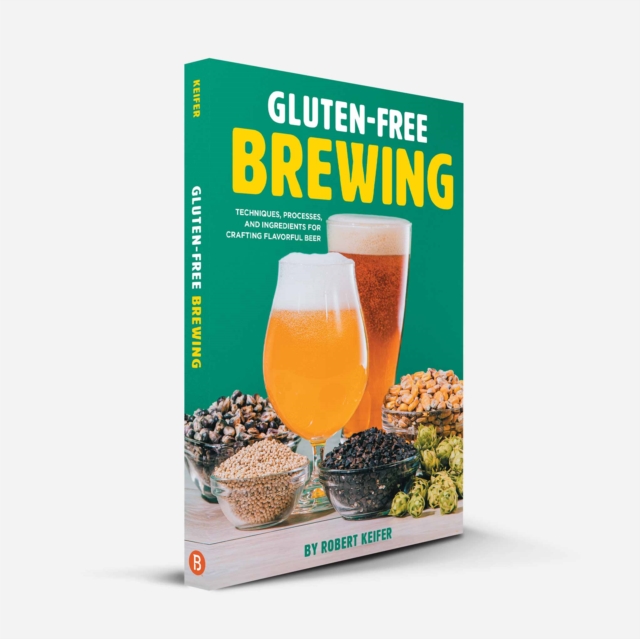
The ubiquity of gluten-containing grains, such as barley, wheat, and rye, in modern-day brewing has prevented many potential consumers from fully enjoying the craft beer revolution.
Health and wellness foods, snacks and beverages are of increasing importance to manufacturers as consumer interest in healthy lifestyles and the demand for healthier products and services continue to escalate.
Health and wellness foods, snacks and beverages are of increasing importance to manufacturers as consumer interest in healthy lifestyles and the demand for healthier products and services continue to escalate.
'Darina Allen is Ireland's Delia Smith and Mary Berry rolled into one' - The Times'She is without doubt one of the most important people working in the food world today' - Skye GyngellWe all know cooking from scratch is healthier for our waistlines and our wallets, but pressed for time and inspiration, most of us turn to the same meals again and again.
The Latin American region has been at the forefront in combating infections caused by Escherichia coli strains in humans, animals, and the environment.
Based on the popular MUNCHIES and VICELAND television series Bong Appetit, this cannabis cookbook features 65 'high'-end recipes for sweet and savoury dishes as well as cocktails to satisfy all your catering needs!
SHORTLISTED FOR THE FORTNUM & MASON FOOD AND DRINK AWARDS 2021The Food Almanac is a seasonal collection of recipes and stories celebrating the joy of food - a dazzling, diverse mix of memoir, history, short stories and poems alongside recipes, cooking tips, menus and reading lists.
Engineering Aspects of Food Quality and Safety aims to fill the knowledge gap in current technological advances and methods for food safety and quality, dedicating entire sections to analytical techniques from quality testing to packaging, post-harvest methods from product utilization to storage to chemical engineering principles and pre-harvest interventions from genetic engineering and mechanization to the links between pre-and-post harvest techniques.
Together with its companion volume, Handbook of herbs and spices: Volume 2 provides a comprehensive and authoritative coverage of key herbs and spices.
This wide-ranging text reviews the wealth of recent research on assessing and managing the risks from pesticide, veterinary and other chemical residues in food.
The accurate measurement of additives in food is essential in meeting both regulatory requirements and the need of consumers for accurate information about the products they eat.
Environmental awareness in the food industry has become increasingly important in recent years, as a result of consumer pressure and increasing regulation.
There has been a wealth of recent research on the complex changes involved in bread making and how they influence the many traits consumers use to define quality.