Plant foods are rich in micronutrients, but they also contain an immense variety of biologically-active, non-nutritive compounds that contribute to colour, flavour and other characteristics.
Off-flavours and taints are defined as unpleasant odours or tastes, the first resulting from the natural deterioration of a food, the second from its contamination by some other chemical.
One of the most innovative sectors in the rapidly growing functional foods market is that comprising so-called 'performance' functional foods which affect mood, mental and physical performance.
The emergence of 'minimal' processing techniques, which have a limited impact on a food's nutritional and sensory properties, has been a major new development in the food industry.
Many measurements of product and process characteristics have traditionally been 'off-line', involving removing the product and taking it to a quality control laboratory for analysis over a period of hours or even days.
Since Arnold Bender's classic Food processing and nutrition in 1978, there has been no single volume survey of the impact of processing on the nutritional quality of food.
The stability and shelf-life of a food product are critical to its success in the market place, yet companies experience considerable difficulties in defining and understanding the factors that influence stability over a desired storage period.
Nitrate and nitrite are potentially dangerous substances which can have a detrimental effect on the ecological balance of rivers and lakes, and can cause harm to human health.
The Hazard Analysis and Critical Control Point (HACCP) system has now become generally accepted as the key safety management system for the food industry worldwide.
Chemical contaminants in food, from pesticides and veterinary drug residues to contamination from food packaging, are a major concern for the food industry.
Genetic modification is one of the most important and controversial issues facing the food industry - nowhere more so than in cereal production and processing.
The final manual describes the range of packaging options available together with storage and handling, highlighting the key issues in retaining product quality.
This manual takes readers through such secondary processes as coating, sandwiching and icing, concentrating on common production problems and how they can be solved.
This manual explains the principles and machinery involved in baking and post-baking processes, and the key issues in maintaining both quality and throughput.
Duncan Manley has over thirty years' experience in the biscuit industry and during this period has collected recipes and examples of best practice from the leading manufacturers of biscuit, cracker and cookie products throughout the world.
This manual describes the various types of biscuit dough, the key stages in dough mixing and handling, and identifies potential problem areas and solutions.
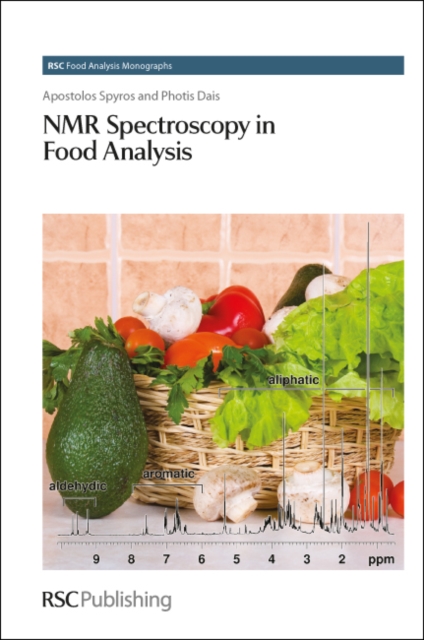
During the last two decades, the use of NMR spectroscopy for the characterization and analysis of food materials has flourished, and this trend continues to increase today.