Food safety is important and consumers have a right to expect that those who supply the food that they buy have taken every care to manufacture products that will do them no harm.
Dealing with the latest information on polysaccharide gum research, particularly focused on gum Arabic, as discussed at the World Conference on "e;New developments in Acacia Gums Research and Products"e;, this book covers the production, identification, classification and application of these important carbohydrate polymers.
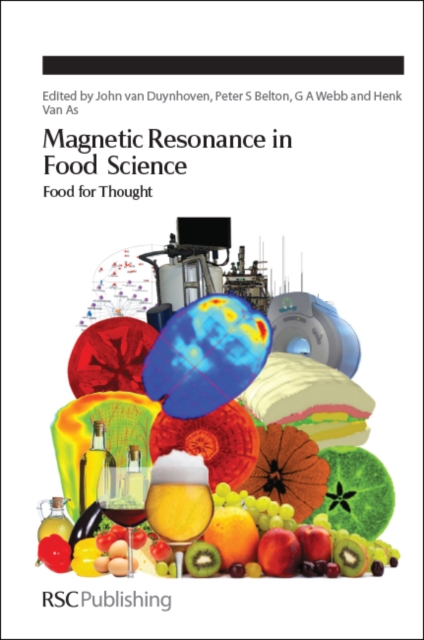
The Clermont-Ferrand-Theix Institut National de la Recherche Agronomique (INRA) was proud to organize the 10th International Conference on the applications of Magnetic Resonance in Food Science to celebrate its 10th anniversary.
There are many challenges and problems in food science and magnetic resonance methods may be used to provide answers and deepen both fundamental and practical knowledge.
This book is the Proceedings of the 12th International Flavor Conference, 4th George Charalambous Memorial Symposium, held May 25-29, 2009 in Skiathos, Greece.
This Proceedings Volume provides an overview of current research and development presented at the Total Food 2009 International Conference in Norwich, April 2009.
Experts from around the world present changes in the global marketplace and developments in research methodologies underpinning new product development (NPD) in this essential collection.
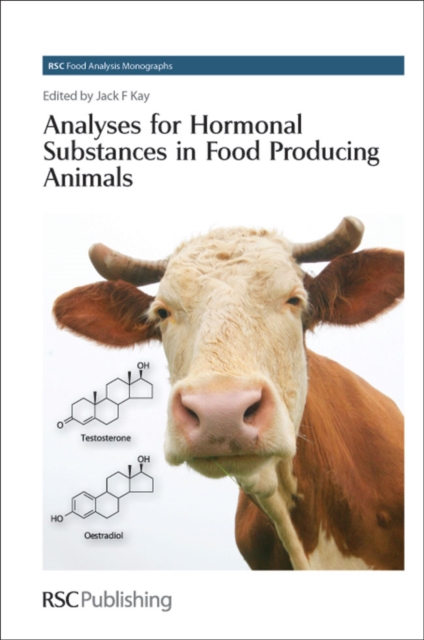
The rise in the incidence of health problems such as reproductive disorders and testicular and breast cancer has been linked by some to endocrine disrupting chemicals in the environment.
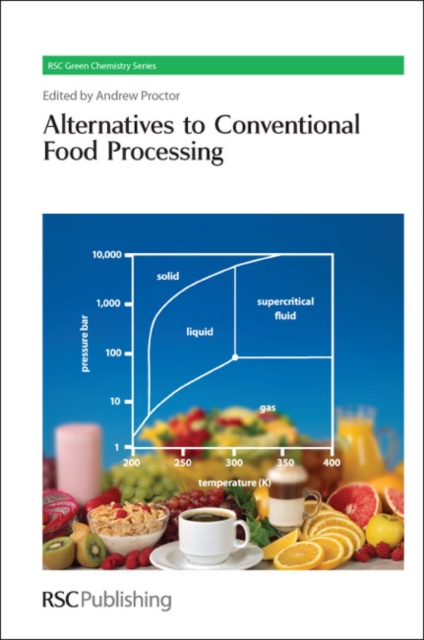
Superheated steam drying (SSD) has long been recognized for several major advantages it offers over other convective dryers, including high energy efficiency by utilization of energy in the exhaust steam, higher product quality due to the absence of oxygen, and avoidance of fire and explosion hazards.
Recent developments in the field of nanotechnology have paved the way for lots of innovation in a number of industrial and consumer sectors, including food and food packaging.
The prevalence of food allergy is increasing and consumers are now more aware of allergy and intolerance than ever, with retailers launching special ranges of foods suitable for people with particular allergies, and allergy featuring regularly in the media.
Food structure at the molecular level and how it impacts on health, taste, texture and shelf life is becoming an increasingly important area of science.
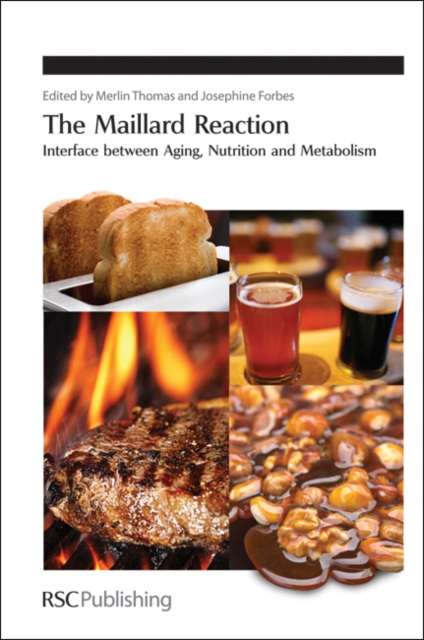
Research in the field of the Maillard reaction has developed rapidly in recent years as a result of not only the application of improved analytical techniques, but also of the realisation that the Maillard reaction plays an important role in some human diseases and in the ageing process.
Food Colloids: Interactions, Microstructure and Processing describes the principles and practice underlying the formulation of food emulsions, dispersions, gels, and foams.
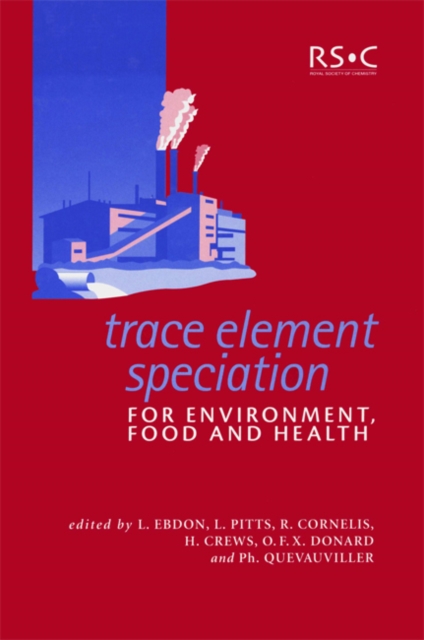
The ongoing progress of science has shown that it is important for analytical scientists to determine not only the presence of particular elements, but also their species.
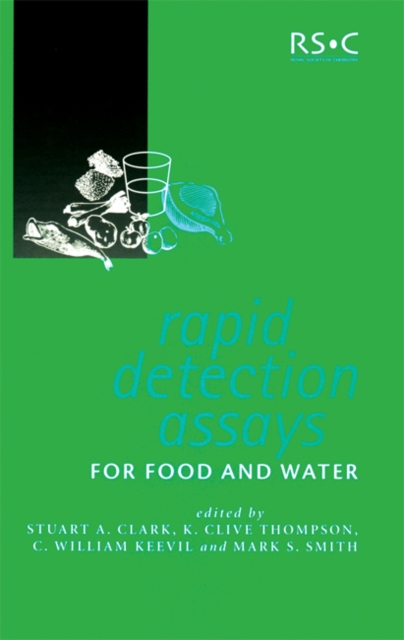
The detection of harmful chemicals and microbial pathogens in food and water destined for consumers is of paramount importance the world over and it is vital that new techniques and discoveries are widely disseminated.
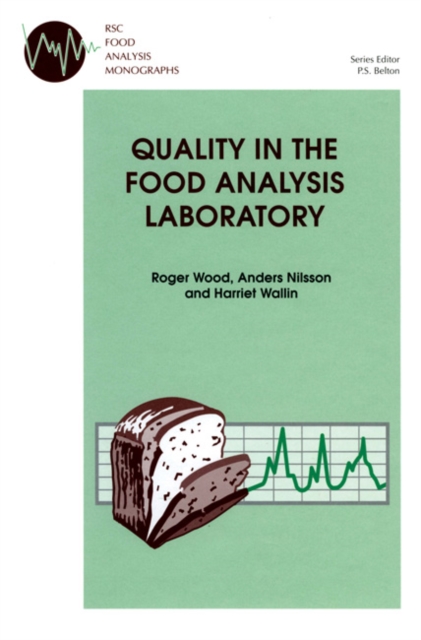
Fit-for-purpose is a phrase familiar to all users of analytical data, who need to be assured that data provided by laboratories is both appropriate and of the required quality.
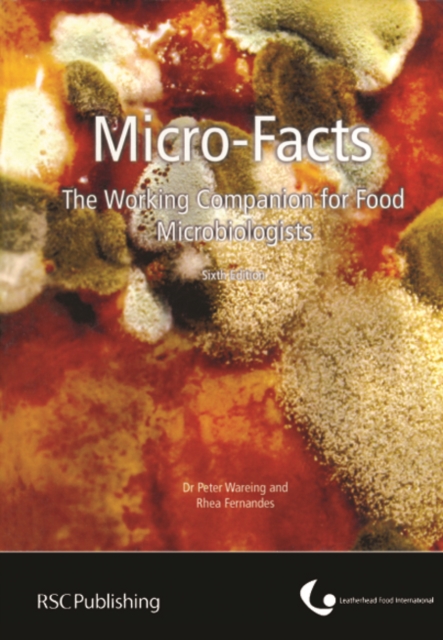
Micro-Facts has proved to be a useful ready reference for practising food microbiologists and others concerned with ensuring the microbiological safety of foods.