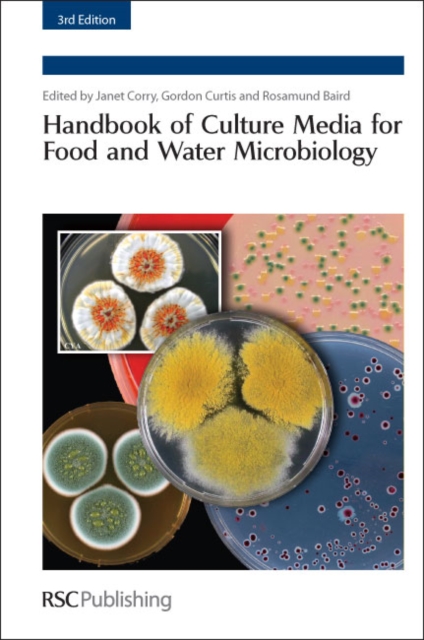
This is the highly anticipated third edition of a book written by the Working Party on Culture Media of the International Committee on Food Microbiology and Hygiene.
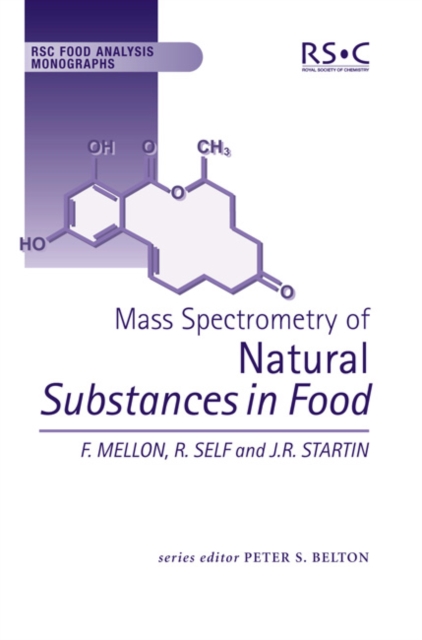
Introducing the principles, practice and applications of mass spectrometric techniques in the study of natural substances in foods, this book conveys the depth and breadth of modern mass spectrometry in relation to food analysis.
The breadth and depth of knowledge of gums and stabilisers has increased tremendously over the last two decades, with researchers in industry and academia collaborating to accelerate the growth.
Food macromolecules play a crucial role in the formulation of a wide range of food products such as beverages, bread, cheese, dressings, desserts, ice-cream, and spreads.
Food Colloids: Fundamentals of Formulation describes the physico-chemical principles underlying the formulation of multi-component, multi-phase food systems.
Food scientists aim to control the taste and texture of existing food products and to formulate new structures of high quality using novel combinations of ingredients and processing methods.
This unique book covers the key issues relating to the control and management of the most commonly occurring food borne bacteria which compromise the safety and quality of food.
Since its inception in the early 1980s, capillary electrophoresis (CE) offers a great deal of flexibility as a modern analytical technique, and has found applications within many fields of analysis, particularly pharmaceutical science and biochemistry.
It is believed that beer has been produced, in some form, for thousands of years - the ancient Egyptians being one civilization with a knowledge of the fermentation process.
During the past decade, the importance of amorphous water-soluble substances has been increasingly recognised within the food and pharmaceutical industries.
"e;Omega-3 Fatty Acids: A Scientific Approach to Healthy Ageing and Optimized Nutrition,"e; looks at the biochemistry of long chain fatty acids and their importance to health, well-being and the reduction of inflammation in the body to help control age related diseases.
The Missing Ingredient is about what makes good food, and the first book to consider the intrinsic yet often forgotten role of time in creating the flavours and textures we love.
Recent developments have enabled the production of in-pack processed foods with improved sensory quality as well as new types of heat-preserved products packaged in innovative containers.
Active ingredients in foods must remain fully functional for as long as necessary and be transported and discharged appropriately to have the desired nutritional effect.
Cereal grains and their fractions contain many health-protecting compounds such as phytochemicals, vitamins and indigestible carbohydrates, but the texture and taste of functional cereal products can be less than ideal.
Pulsed electric field (PEF) food processing is a novel, non-thermal preservation method that has the potential to produce foods with excellent sensory and nutritional quality and shelf-life.
Due to increasing consumer demand for safe, high quality, ethical foods, the production and consumption of organic food and produce has increased rapidly over the past two decades.
This volume covers the developments in pesticide usage, with particular emphasis on the regulations that safeguard users, consumers and the environment.
Understanding the structural, compositional and physicochemical properties of the wheat used in bread, biscuits, pasta and other consumer products is important.
Continuing disquiet over the use of animal by-products in livestock nutrition has provided renewed impetus for the greater exploitation of conventional and novel crop plants both as food and as industrial raw materials.
The International Symposium on Plant Polymeric Carbohydrates, which was held as a satellite symposium of the International Carbohydrate Meeting, has become a symposium in its own right, bringing together an number of experts to exchange knowledge.