The rise in the incidence of health problems such as reproductive disorders and testicular and breast cancer has been linked by some to endocrine disrupting chemicals in the environment.
The meal is the key eating occasion, yet professionals and researchers frequently focus on single food products, rather than the combinations of foods and the context in which they are consumed.
Understanding of the scientific basis of quality attributes in meat is becoming more advanced, providing more effective approaches to the control of meat eating and technological quality.
The Swiss wine industry is waking up to a new challenge: to raise the competitiveness of its wines, which has been eroded by the general strength of the country's currency during the first half of the 1990s and is becoming ever more evident as the liberalisation of the country's trade regime is taking hold.
This is the first book to cover in a comprehensive way, the conduct and structure of the international sugar industry from cultivation right through to end use.
Consumers demand quality milk with a reasonable shelf-life, a requirement that can be met more successfully by the milk industry through use of improved processes and technologies.
Consumers demand quality milk with a reasonable shelf-life, a requirement that can be met more successfully by the milk industry through use of improved processes and technologies.
Experts from around the world present changes in the global marketplace and developments in research methodologies underpinning new product development (NPD) in this essential collection.
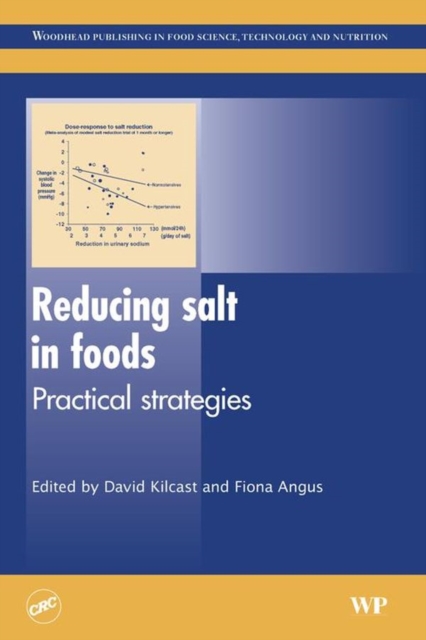
Concerns have grown that consumption levels of salt are well above those needed for nutritional purposes and that this can lead to adverse effects on health, in particular cardiovascular disease.
Red meat, poultry and eggs are, or have been, major global causes of foodborne disease in humans and are also prone to microbiological growth and spoilage.
In order for food businesses, scientists and policy makers to develop successful products, services and policies, it is essential that they understand food consumers and how they decide which products to buy.
Despite declining stocks, a major portion of the harvest of fish and marine invertebrates is discarded or used for the production of low value fish meal and fish oil.
Although the aim of cooking foods is to make them more appetizing and microbiologically safe, it is now known that cooking and food processing at high temperatures generate various kinds of toxic substances, such as heterocyclic amines and acrylamide, via the Maillard reaction.
The study of food and nutrition covers many disciplines, ranging from agriculture, biology, physics and chemistry to food technology, nutrition and medicine.
Developments such as the increasing globalisation of the food industry, new technologies and products, and changes in the susceptibility of populations to disease, have all highlighted the problem of emerging pathogens.
In the light of recent legislation and a number of food safety incidents, traceability of food products back from the consumer to the very beginning of the supply chain has never been so important.
As health problems such as obesity, heart disease and diabetes increase in many developed and developing countries, the food industry has come under mounting pressure to improve the nutritional quality of its products.
With such advantages as more rapid heating and preservation of sensory and nutritional quality, microwave processing has proved a versatile technology.
Since the first book published by Woodhead on the global sugar business (The international sugar trade) was released in 1996, the world sugar market has undergone fundamental change.