Advances in Food and Nutrition Research, Volume 99 highlights new advances in the field, with this updated volume presenting interesting chapters on a variety of topics, including Personalizing bakery products using 3D food printing, Dietary fiber in bakery products: source, processing, and function, The realm of plant proteins with focus on their application in developing new bakery products, Guiding the formulation of baked goods for the elderly population through food oral processing: challenges and opportunities, Gluten free bakery products: Ingredients and processes, Enhancing health benefits of bakery products using phytochemicals, Sugar, salt and fat reduction of bakery products, and more.
Biosensors for Sustainable Food - New Opportunities and Technical Challenges addresses the challenges associated with sustaining the globally increasing demand for food that has been forecast for the next centuries and the immediate need for the food production system to adopt sustainable practices to protect the environment and human health.
Polymer Green Flame Retardants covers key issues regarding the response of polymers during fire, the mechanisms of their flame retardation, the regulations imposed on their use, and the health hazards arising from their combustion.
New and Future Developments in Catalysis is a package of books that compile the latest ideas concerning alternate and renewable energy sources and the role that catalysis plays in converting new renewable feedstock into biofuels and biochemicals.
An important challenge brought to chemical engineering by new emerging technologies, in particular then by nano and bio technologies, is to deal with complex systems that cannot be dealt with and cannot be fully understood on a single scale.
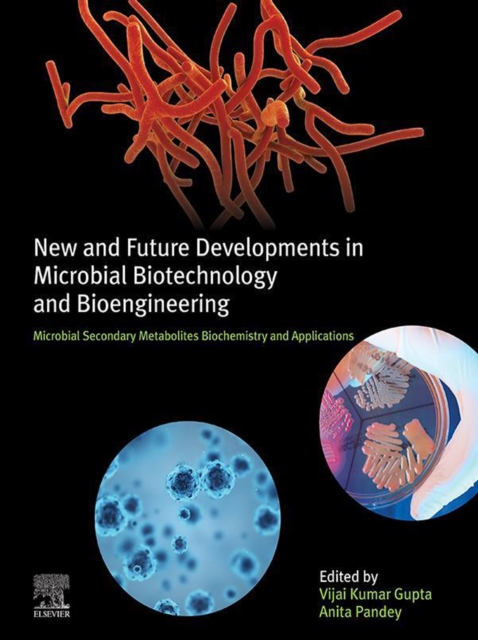
New and Future Developments in Microbial Biotechnology and Bioengineering: Microbial Secondary Metabolites Biochemistry and Applications examines the areas of biotechnology and chemical engineering, covering aspects of plants, bacteria and machines, and using microbes as factories.
Industrial Process Scale-up: A Practical Innovation Guide from Idea to Commercial Implementation, Second Edition helps industrial process innovators in research, development and commercial start-ups assess the risks of commercial-scale implementation, also providing them with practical guidelines and methods to reduce the risks to acceptable levels.
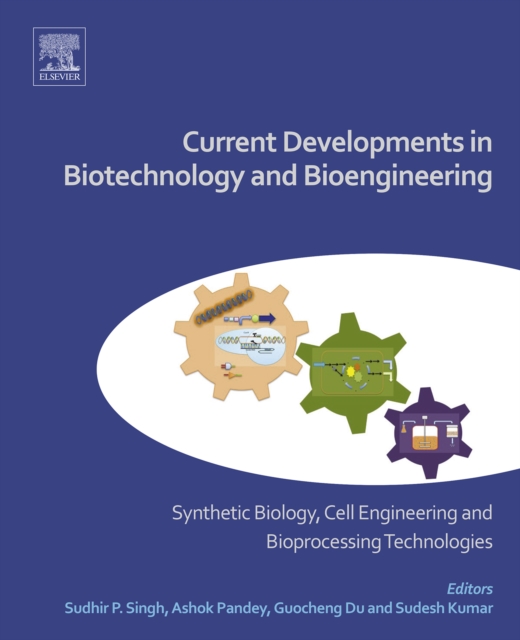
Current Developments in Biotechnology and Bioengineering: Synthetic Biology, Cell Engineering and Bioprocessing Technologies covers the current perspectives and outlook of synthetic biology in the agriculture, food and health sectors.
Nanolayer Research: Methodology and Technology for Green Chemistry introduces the topic of nanolayer research and current methodology, from the basics, to specific applications for green science.
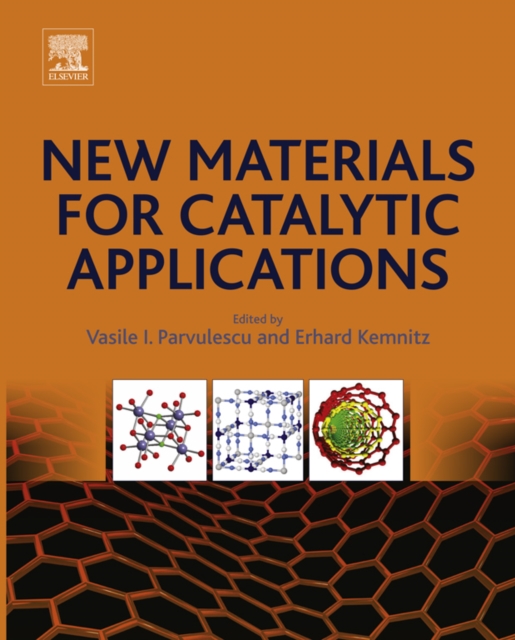
New Materials for Catalytic Applications proposes the use of both new and existing materials for catalytic applications, such as zeolites, metal oxides, microporous and mesoporous materials, and monocrystals.
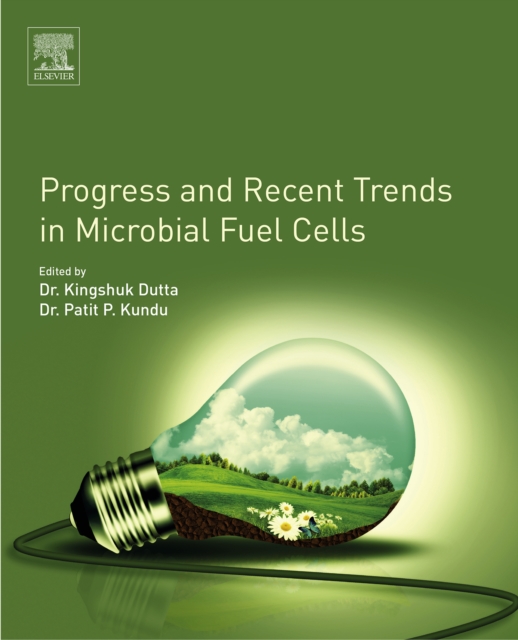
Progress and Recent Trends in Microbial Fuel Cells provides an in-depth analysis of the fundamentals, working principles, applications and advancements (including commercialization aspects) made in the field of Microbial Fuel Cells research, with critical analyses and opinions from experts around the world.
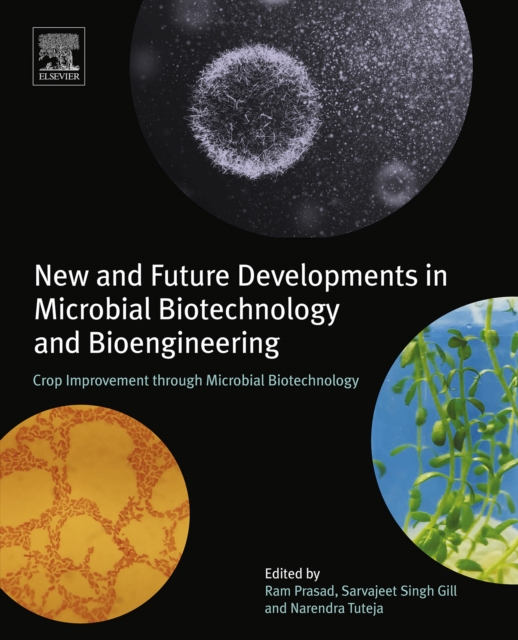
Crop Improvement through Microbial Biotechnology explains how certain techniques can be used to manipulate plant growth and development, focusing on the cross-kingdom transfer of genes to incorporate novel phenotypes in plants, including the utilization of microbes at every step, from cloning and characterization, to the production of a genetically engineered plant.
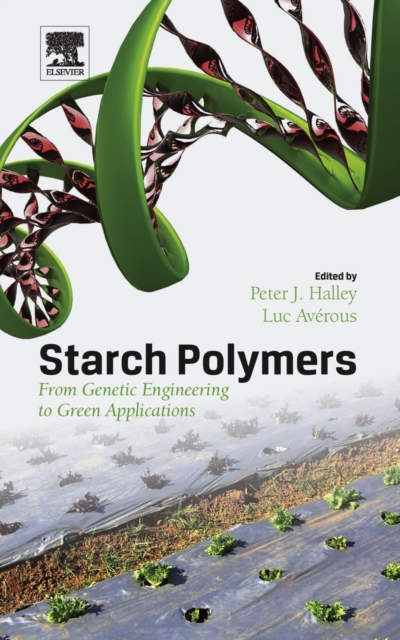
This book focuses on starch polymers including starch genetics, biotechnological and chemical modification, nanostructures, processing, characterization, properties and applications.
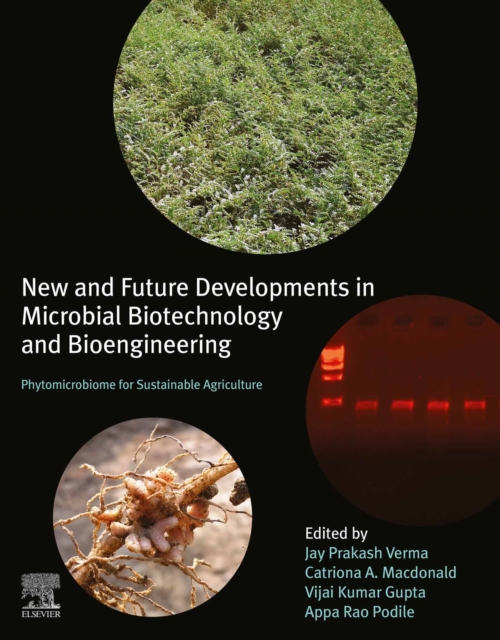
New and Future Developments in Microbial Biotechnology and Bioengineering: Phytomicrobiome for Sustainable Agriculture provides a comprehensive overview of the phytomicrobiome and a holistic approach for its various mechanisms, including plant growth, nutrient content, crop yield improvement, soil fertility, and health management.
Mathematical Modelling of Gas-Phase Complex Reaction Systems: Pyrolysis and Combustion, Volume 45, gives an overview of the different steps involved in the development and application of detailed kinetic mechanisms, mainly relating to pyrolysis and combustion processes.
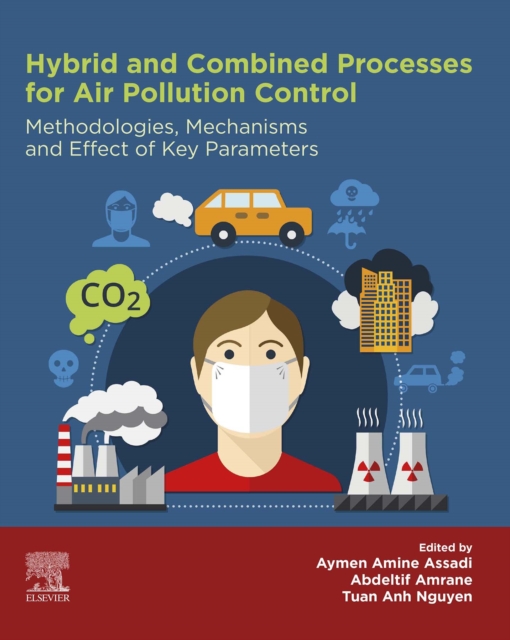
Hybrid and Combined Processes for Air Pollution Control: Methodologies, Mechanisms and Effect of Key Parameters provides an exhaustive inventory of hybrid and combined processes in the field of air treatment.
Biochemical Engineering and Biotechnology, 2nd Edition, outlines the principles of biochemical processes and explains their use in the manufacturing of every day products.
Carbon Dioxide to Chemicals and Fuels provides a snapshot of the present status of this rapidly growing field, examining ongoing breakthroughs in research and development, motivations, innovations and their respective impacts and perspectives.
Development in Wastewater Treatment Research and Processes: Microbial Ecology, Diversity and Functions of Ammonia Oxidizing Bacteria covers up-to-date research on ammonia oxidizing bacteria and their application for the removal of ammonia nitrogen from wastewater treatment plants (WWTPs), discussing remaining gaps in their biology and functions.
Development in Waste Water Treatment Research and Processes: Innovative Microbe-Based Applications for Removal of Chemicals and Metals in Wastewater Treatment Plants focuses on the exploitation of various biological treatment technologies and their use to treat toxic and hazardous contaminants present in industrial effluent and restore the contaminated sites, a topic which lacks discussion in existing titles on the global market.
Current Developments in Biotechnology and Bioengineering: Resource Recovery from Wastes includes the latest and innovative research and technological developments in the biotechnology and bioengineering pertaining to various resource(s) recovery from wastes.
Quickly start using the current version of Aspen Plus(R) to solve chemical engineering problemsDiscover how to solve chemical engineering problems with Aspen Plus in just 24 hours, with no prior experience.
Fluorinated ionomer polymers form impermeable membranes that conduct electricity, properties that have been put to use in large-scale electrochemical applications, revolutionizing the chlor-alkali industry and transforming production methods of some of the world's highest-production commodity chemicals: chlorine, sodium hydroxide and potassium hydroxide.
Handbook of Adhesives and Surface Preparation provides a thoroughly practical survey of all aspects of adhesives technology from selection and surface preparation to industrial applications and health and environmental factors.
Polylactic Acid (PLA) is the first viable thermoplastic that can be produced from a plant-based feedstock such as corn or sugar cane, and yet be processed by the conventional melt processing technologies.
This book bridges the technology and business aspects of thermoplastics, providing a guide designed for engineers working in real-world industrial settings.
Handbook of Fire and Explosion Protection Engineering Principles: for Oil, Gas, Chemical and Related Facilities is a general engineering handbook that provides an overview for understanding problems of fire and explosion at oil, gas, and chemical facilities.
This book features a brief history of additive manufacturing and 3D/4D printing techniques, as well as the advantages, applications, and overall challenges facing the technology.
Polymeric Foams Structure-Property-Performance: A Design Guide is a response to the design challenges faced by engineers in a growing market with evolving standards, new regulations, and an ever-increasing variety of application types for polymeric foam.
The Toxicity of Plutonium, Americium and Curium provides a biological basis for an assessment of the radiological health problems resulting from human exposure to americium, curium, and plutonium.
Computational Methods in Reactor Shielding deals with the mathematical processes involved in how to effectively control the dangerous effect of nuclear radiation.
New Sources of Oil & Gas: Gases from Coal, Liquid Fuels from Coal, Shale Tar Sands, and Heavy Oil Sources is a collection of papers that covers various concerns in exploiting alternative sources of oil and gas.
Oils and Gases from Coal reviews the state-of-the-art in oil and gases from coal in Europe and North America based on the work of the Symposium on the Gasification and Liquefaction of Coal.
This text for advanced undergraduate and graduate students covers the fundamental relationships between the structure and properties of materials and biological tissues.
This book suggests the development of single and multi-layer fractional-order neural networks that incorporate fractional-order activation functions derived using fractional-order derivatives.
Analytical Methods for Coal and Coal Products, Volume III, is the third of a three-volume treatise that aims to provide a detailed presentation of what constitutes the first comprehensive reference work devoted exclusively to the subject of analytical methodology for coal and coal products.
Analytical Methods for Coal and Coal Products, Volume II, aims to provide a detailed presentation of what constitutes the first comprehensive reference work devoted exclusively to the subject of analytical methodology for coal and coal products.