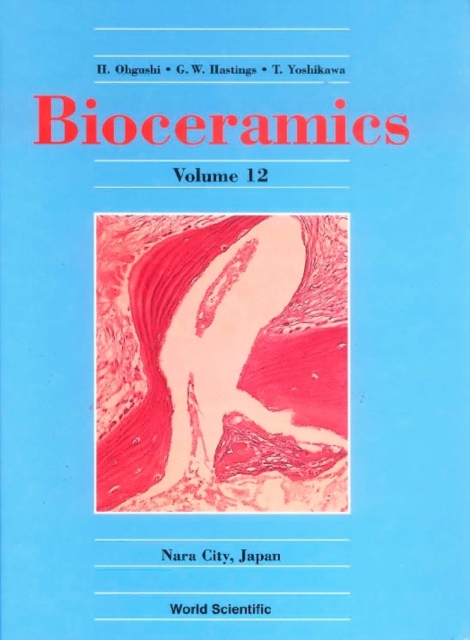
The topics covered in this volume include: biomedical applications; fabrication processes; structural, physical and biological analyses; and clinical applications of ceramics.
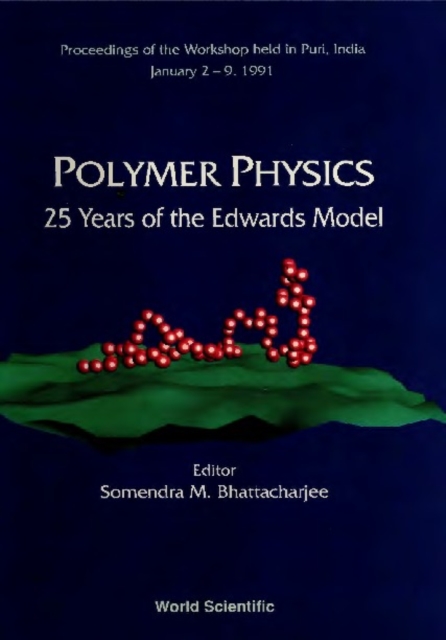
The proceedings of this workshop contains 5 important papers by S A Edwards on the Edwards Model and includes discussions on recent theoretical developments in polymer physics.
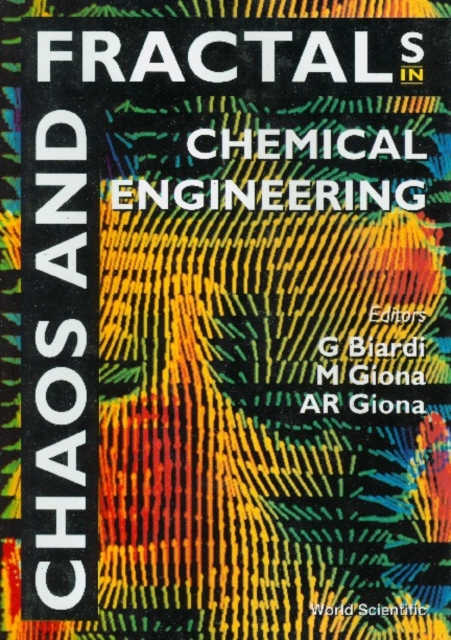
This conference focused on the current research and future perspectives on the application of disordered systems theory, fractals and chaotic dynamical systems to chemical engineering problems.
This volume is a collection of the papers presented at the International Conference on Fractal Concepts and the Application of Chaos in Chemical Engineering Problems.
The 5th of a prestigious series of conferences, these proceedings are devoted to the latest achievements in ceramic materials and components for engines.
This volume concentrates on the controversy within the scientific community over how to explain, understand and describe the photophysics/photochemistry of this class of materials.
The monograph presents a detailed mathematical examination of the generalised laws of diffusion in capillary porous solids as applicable to particular geometric situations of interest in the technology of drying.
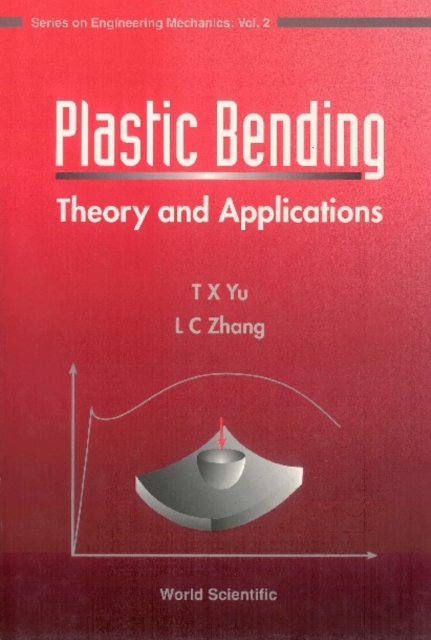
From the point of view of mechanics, this monograph systematically demonstrates the theory of plastic bending and its engineering applications; most of the contents of the book are based on the authors' research in the past decade.
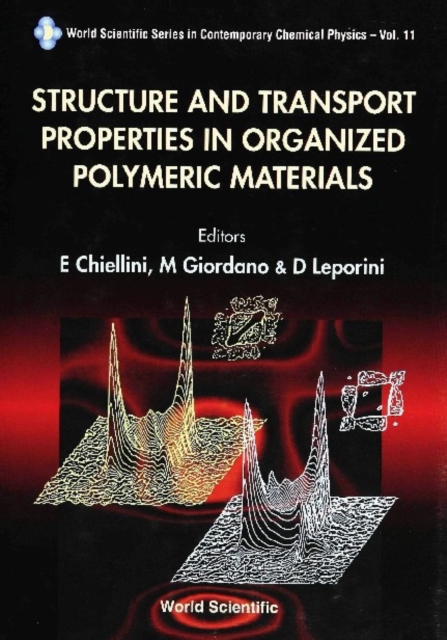
This multi-authored book includes selected contributions reviewing the results achieved in the synthesis and characterization of organized polymeric materials.
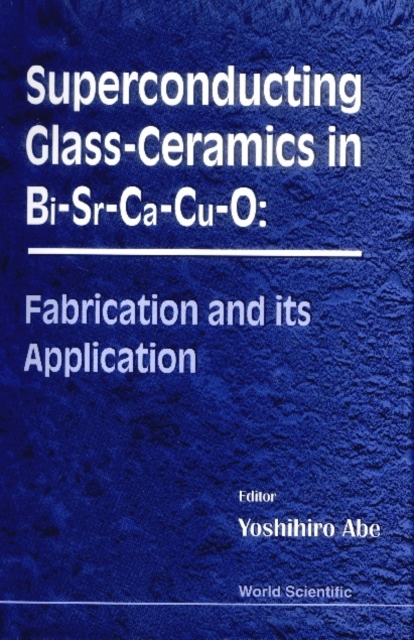
High Tc oxide superconductors such as Bi(Pb)-Sr-Ca-Cu-O (BSCCO) and Y-Ba-Cu-O (YBCO) systems are usually fabricated by sintering given mixtures of raw materials.
This monograph provides detailed background on the image processing problems encountered in the food industry when automatic control and inspection systems are being designed and installed.
This volume contains the technical papers presented at the international symposium entitled "e;Processing and Fabrication of Advanced Materials VIII"e;, held in Singapore in 1999.
This book consists of peer-reviewed articles reporting on the latest developments in several food engineering and agricultural processing laboratories at US land-granted universities.
Numerous articles have been published on cholorosulfonyl isocyanate (CSI), but no book compiling research on this versatile reagent has been available up to now.
Hydrothermal techniques have been widely used in the synthesis of advanced materials, the treatment of wastes, and the preparation and extraction of special chemicals.
Adsorption is the basis of various emerging technologies that will be essential for addressing the problems of technologies that will be essential for addressing the problems of energy conservation and environmental protection.
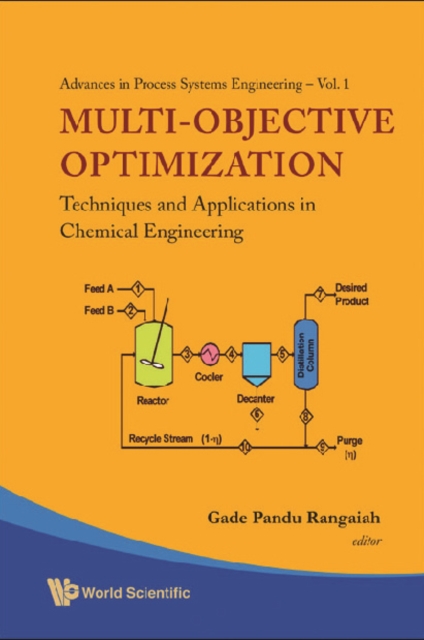
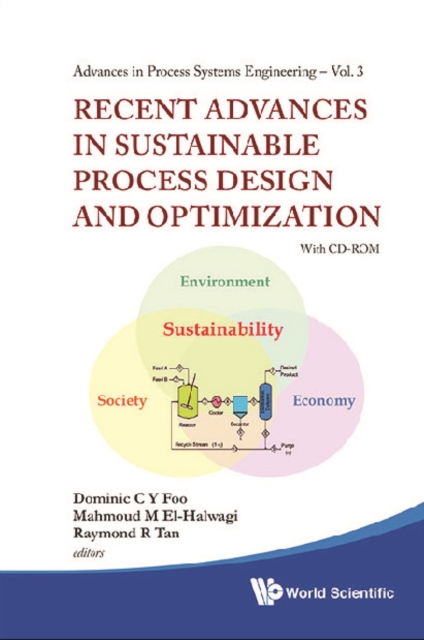
This book is a compilation of the various recently developed techniques emphasizing better chemical processes and products, with state-of-the-art contributions by world-renowned leaders in process design and optimization.
Held in Singapore from 9 to 11 October 2009, the 2009 International Conference on Chemical, Biological and Environmental Engineering (CBEE 2009) aims to provide a platform for researchers, engineers, academicians as well as industrial professionals from all over the world to present their research and development activities in chemical, biological and environmental engineering.
Biomaterials are produced in situ and in vivo in the body using mainly hydration reactions, that is, reactions between phosphates, silicates or aluminates, and water.
This book explores why cobalt oxides have drawn interest as functional materials due to their peculiar physical properties partially originating from a rich variety of the valence and spin state of cobalt ions.
Analytical chemists in the pharmaceutical industry are always looking for more-efficient techniques to meet the analytical challenges of today's pharmaceutical industry.
Complied by an expert editorial team with noteworthy and remarkable experience, this book covers technological aspects related to probiotics, not only in terms of delivery modes but also in terms of protection technologies.
This book focuses on applications of compound library design and virtual screening to expand the bioactive chemical space, to target hopping of chemotypes to identify synergies within related drug discovery projects or to repurpose known drugs, to propose mechanism of action of compounds, or to identify off-target effects by cross-reactivity analys
This review volume, co-edited by Nobel laureate G Ertl, provides a broad overview on current studies in the understanding of design and control of complex chemical systems of various origins, on scales ranging from single molecules and nano-phenomena to macroscopic chemical reactors.
Based on an interdisciplinary approach that directly bridges orthopedic concepts to surface science, this book details cutting-edge research in bioceramics science, physical chemistry, biomedical optics, and nanomechanics.
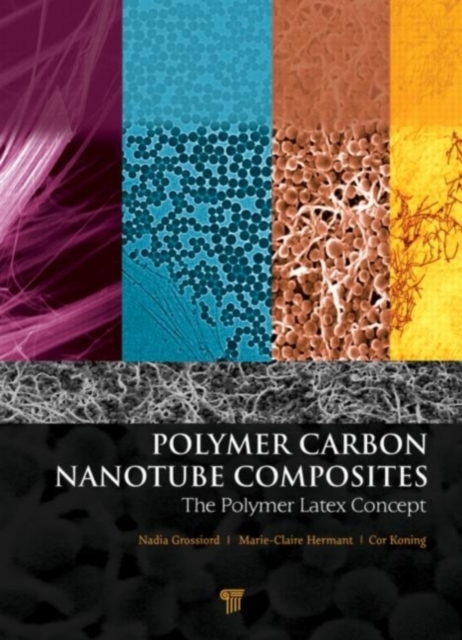
This book provides readers with a comprehensive toolbox for dispersing single-walled and multiwalled carbon nanotubes in thermoplastic polymer matrices.