This book seeks to address the challenges facing the international seafood industry via a two pronged approach: by offering the latest information on established technologies and introducing new ideas and technologies.
Now in a fully-revised new edition, this book covers the science and technology underlying cheesemaking, as practised today in the manufacture of hard, semi-soft and soft cheeses.
Our dietary intake comprises three macronutrients (protein, carbohydrate and lipid) and a large but unknown number of micronutrients (vitamins, minerals, antioxidants, etc).
Our dietary intake comprises three macronutrients (protein, carbohydrate and lipid) and a large but unknown number of micronutrients (vitamins, minerals, antioxidants, etc).
This book examines the international picture regarding probiotic food applications, placing a particular emphasis on the legal context and assessment procedures of probiotic health claims in the major markets for these products.
This book examines the international picture regarding probiotic food applications, placing a particular emphasis on the legal context and assessment procedures of probiotic health claims in the major markets for these products.
The HACCP (Hazard Analysis and Critical Control Points) system is still recognised internationally as the most effective way to produce safe food throughout the supply chain, but a HACCP system cannot operate in a vacuum.
This book seeks to address the challenges facing the international seafood industry via a two pronged approach: by offering the latest information on established technologies and introducing new ideas and technologies.
Now in a fully-revised new edition, this book covers the science and technology underlying cheesemaking, as practised today in the manufacture of hard, semi-soft and soft cheeses.
Fish Canning Handbook Fish Canning Handbook Edited by Les Bratt Canning continues to be an extremely important form of food preservation commercially, and canned fish represents a source of relatively inexpensive, nutritious and healthy food which is stable at ambient temperatures, has long shelf life and in consequence is eminently suitable for worldwide distribution.
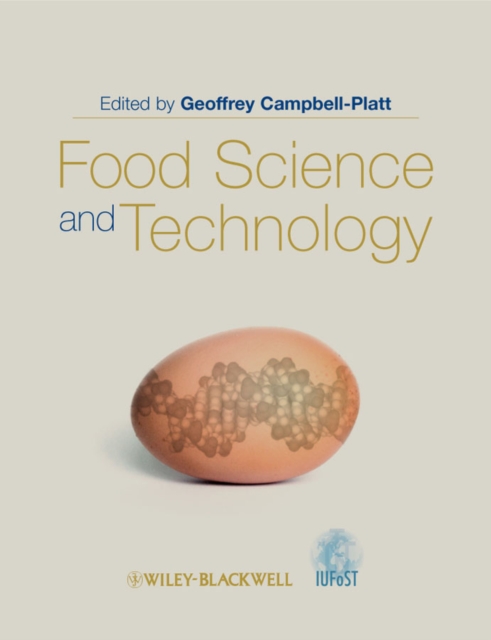
This brand new comprehensive text and reference book is designed to cover all the essential elements of food science and technology, including all core aspects of major food science and technology degree programs being taught worldwide.
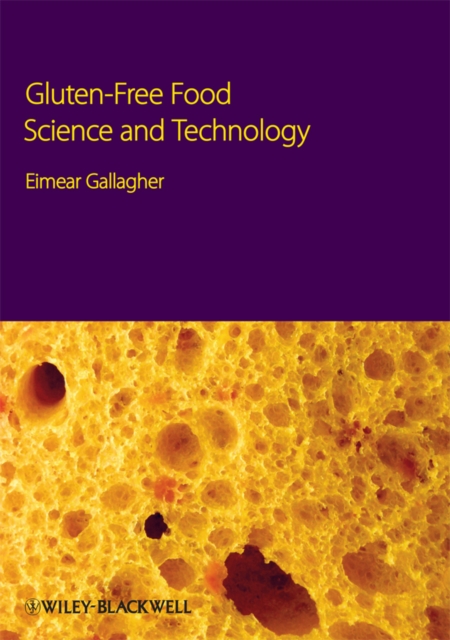
Coeliac disease (CD) and other allergic reactions/intolerances to gluten are on the rise, largely due to improved diagnostic procedures and changes in eating habits.
Stabilisers, thickeners and gelling agents are extracted from a variety of natural raw materials and incorporated into foods to give the structure, flow, stability and eating qualities desired by consumers.
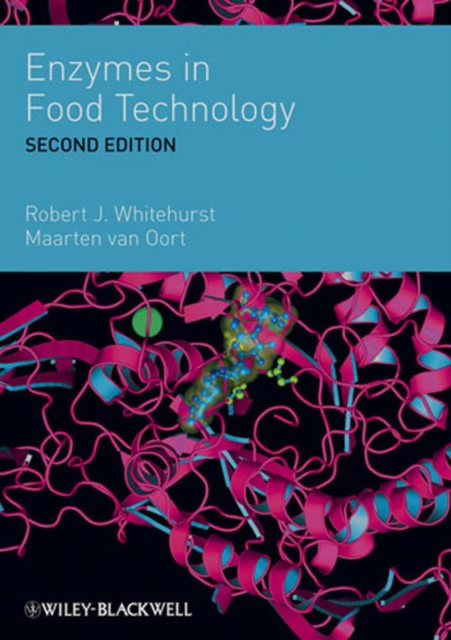
The second edition of this successful book highlights the widespread use of enzymes in food processing improvement and innovation, explaining how they bring advantages.
One of the greatest challenges facing the food industry is providing safe food to an ever-increasing number of allergic consumers through a global supply chain.
Drying is by far the most useful large scale operation method of keeping solid foods safe for long periods of time, and is of fundamental importance in most sectors of food processing.
Oils and fats are almost ubiquitous in food processing whether naturally occurring in foods or added as ingredients for functional benefits and, despite the impression given by several sources to the contrary, they remain an essential part of the human diet.
The Society of Dairy Technology (SDT) has joined with Wiley-Blackwell to produce a series of technical dairy-related handbooks providing an invaluable resource for all those involved in the dairy industry; from practitioners to technologists working in both traditional and modern large-scale dairy operations.
Oil and Gas Well Cementing for Engineers Practical approach covering the chemistry, processes, and modeling in the field of cementing engineering Oil and Gas Well Cementing for Engineers is a comprehensive and reader-friendly book that delves into the chemistry, processes, and modeling involved in cementing engineering in the oil and gas industry.
The fields of microfluidics and BioMEMS are significantly impacting cell biology research and applications through the application of engineering solutions to human disease and health problems.
Handbook of Fire and Explosion Protection Engineering Principles: for Oil, Gas, Chemical and Related Facilities is a general engineering handbook that provides an overview for understanding problems of fire and explosion at oil, gas, and chemical facilities.
Handbook of Adhesives and Surface Preparation provides a thoroughly practical survey of all aspects of adhesives technology from selection and surface preparation to industrial applications and health and environmental factors.
Polylactic Acid (PLA) is the first viable thermoplastic that can be produced from a plant-based feedstock such as corn or sugar cane, and yet be processed by the conventional melt processing technologies.
Fluorinated ionomer polymers form impermeable membranes that conduct electricity, properties that have been put to use in large-scale electrochemical applications, revolutionizing the chlor-alkali industry and transforming production methods of some of the world's highest-production commodity chemicals: chlorine, sodium hydroxide and potassium hydroxide.
As a consultant to the plastics industry, Ottmar Brandau's focus is on using his engineering knowhow and production management experience to improve quality and productivity, cut down cycle time and introduce secondary processes such as inline printing.
The fields of microfluidics and BioMEMS are significantly impacting cell biology research and applications through the application of engineering solutions to human disease and health problems.
Chemical Physics of Food Edited by Peter Belton Based on the principle that food science requires the same rigour as the more traditional physical sciences, Professor Peter Belton has drawn together an international team of authors to demonstrate the chemical physics approach to food.
Water-soluble polymers or hydrocolloids are widely used in many fields, including food, agriculture, ceramics, paper and ink technology, explosives and the textile industry.
The use of real or near real time measurement of chemical production process parameters as the basis for achieving control or optimisation of a manufacturing process has wide application in the petrochemical, food and chemical industries.