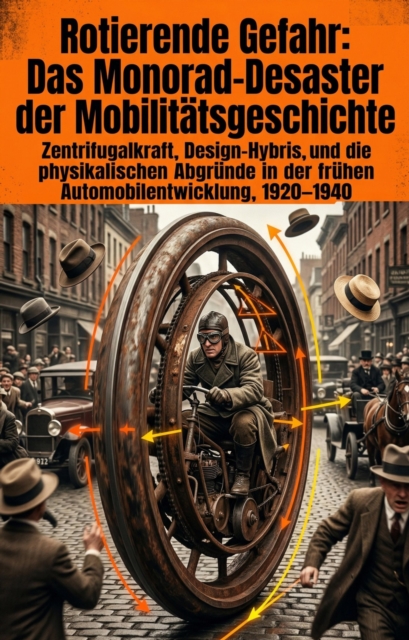
In den glorreichen Pionierjahren der Motorisierung weigerten sich viele brillante Ingenieure hartnäckig zu akzeptieren, dass vier simple Räder die ultimative Lösung des Transports sein sollten.
The De Havilland Comet was an absolute marvel of British engineering-the world's first commercial jetliner, promising to shrink the globe with unprecedented speed.
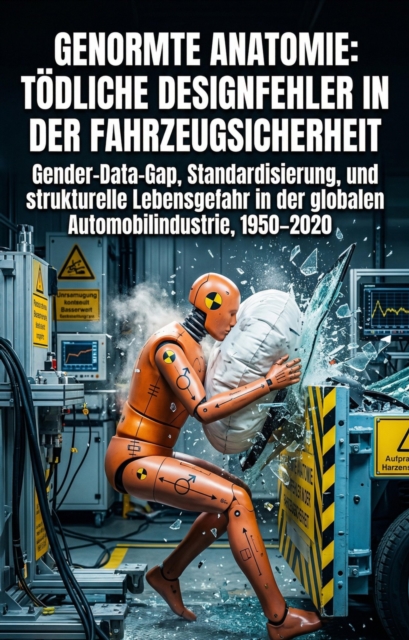
Jedes neue Automodell durchläuft hunderte spektakuläre, millionenteure Crashtests in sterilen Laboren, bevor es offiziell auf die Straße gelassen wird.
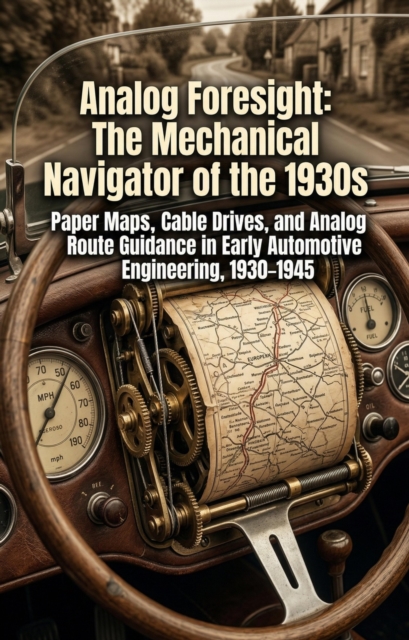
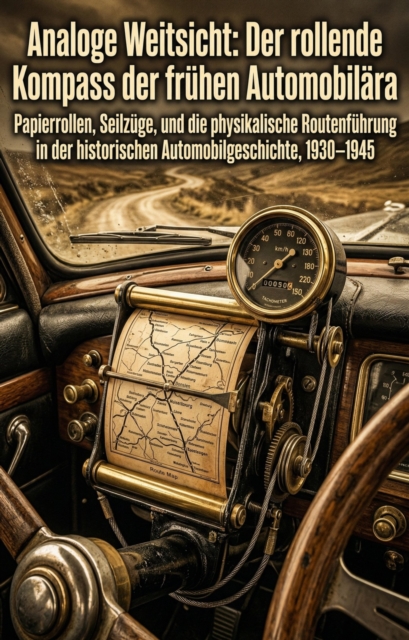
Long before satellites orbited the earth to beam real-time directions to glowing digital screens, early motorists navigated terrifyingly blank roads using nothing but folded paper and pure intuition.
In the space-age optimism of the early 1960s, the automotive industry believed the future of driving would be literally illuminated from the ground up.
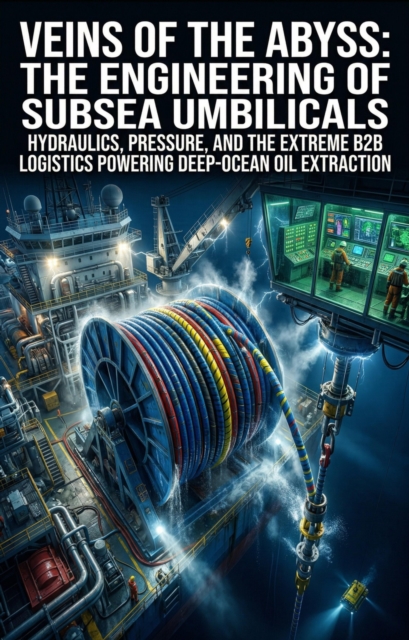
Extracting oil miles beneath the ocean's surface is not just a matter of drilling a hole; it requires controlling massive, highly volatile mechanical valves sitting in the pitch-black, freezing, high-pressure abyss.
In der grenzenlosen, technikverliebten Euphorie der frühen 1960er Jahre träumte die amerikanische Gesellschaft von fliegenden Autos und endlosen, leuchtenden Highways.
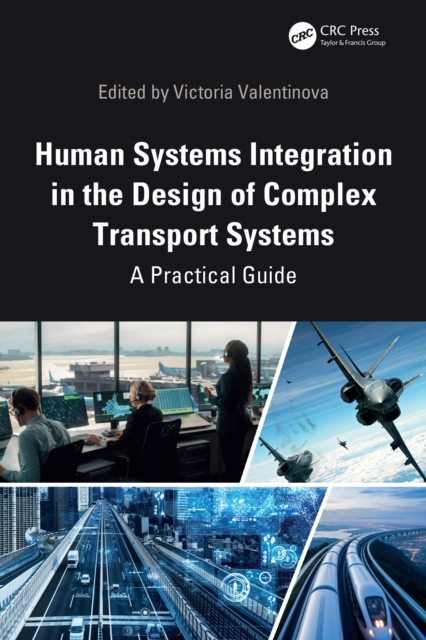
This book is intended to provide novel insights into the discipline of Human Systems Integration (HSI) and its application to the design of complex systems (including the notion of sociotechnical systems) within the transport industry.
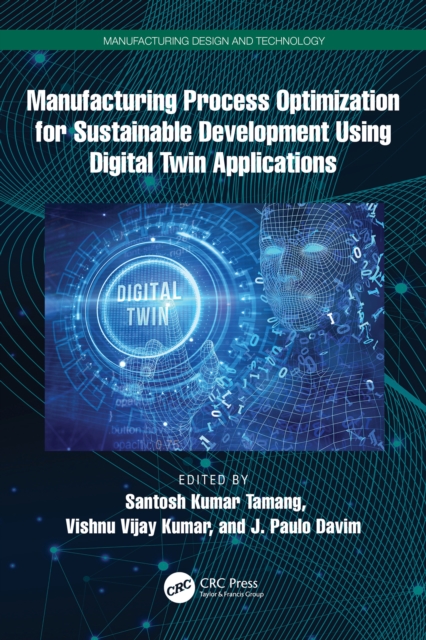
Manufacturing Process Optimization for Sustainable Development Using Digital Twin Applications explores the potential of digital twin applications in the manufacturing sector, with a primary focus on achieving sustainable development.
Lange bevor Satelliten die exakte Position unseres Fahrzeugs millimetergenau auf digitale Touchscreens projizierten, war das Reisen mit dem Auto ein riskantes Abenteuer ins völlige Ungewisse.
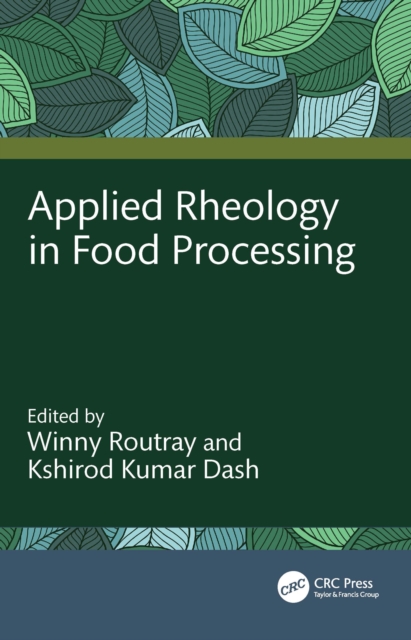
This book acts as a guide to learn about the various rheological behaviors of food, including starch suspensions, dairy products, meat products, fruits and vegetables, packaging materials, associated nanoparticles, and other aspects.
Amid global sustainability difficulties and rising economic uncertainty, this book emphasizes the necessity for integrated strategies that harmonize security, sustainable development, and technological innovation.
Gas Turbine Combined Cycle Power Plants discusses the solution of daily problems encountered in the design, development, optimization, operation, and maintenance of gas and steam turbine combined cycle power plants.
Digitalizing Material Innovations for Net-Zero Applications navigates the critical intersection of advanced materials science, cutting-edge digital engineering, and global sustainability goals.
This book acts as a guide to learn about the various rheological behaviors of food, including starch suspensions, dairy products, meat products, fruits and vegetables, packaging materials, associated nanoparticles, and other aspects.
The escalating global concern over environmental pollution has necessitated the development of innovative and sustainable solutions for pollution management.
This book is intended to provide novel insights into the discipline of Human Systems Integration (HSI) and its application to the design of complex systems (including the notion of sociotechnical systems) within the transport industry.
Manufacturing Process Optimization for Sustainable Development Using Digital Twin Applications explores the potential of digital twin applications in the manufacturing sector, with a primary focus on achieving sustainable development.
Gas Turbine Combined Cycle Power Plants discusses the solution of daily problems encountered in the design, development, optimization, operation, and maintenance of gas and steam turbine combined cycle power plants.
The escalating global concern over environmental pollution has necessitated the development of innovative and sustainable solutions for pollution management.
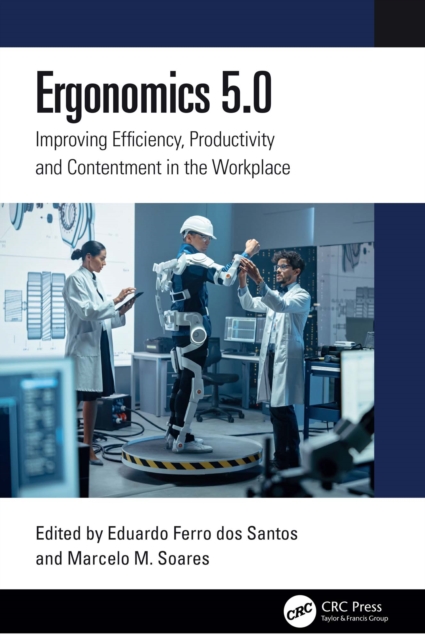
In a time defined by accelerating complexity, where technological breakthroughs-from artificial intelligence to blockchain to the emerging contours of Industry 5.
The development of advanced 2D materials beyond graphene presents a paradigm shift in energy research, offering unprecedented opportunities to revolutionize energy storage, conversion, and efficiency technologies.
This new edition of Risk Management: Concepts and Guidance is a contemporary look at project risk while still covering well-established and time-proven practices.
Amid global sustainability difficulties and rising economic uncertainty, this book emphasizes the necessity for integrated strategies that harmonize security, sustainable development, and technological innovation.
Cementitious materials, rocks and fibre-reinforced composites commonly termed as quasibrittle, need a different fracture mechanics approach to model the crack propagation study because of the presence of significant size of fracture process zone ahead of the crack-tip.
This richly illustrated book is unique in bringing Einstein's relativity to a higher level for the non-specialist than has ever been attempted before, using nothing more than grade-school algebra.
This volume describes mesoscopic systems with classically chaotic dynamics using semiclassical methods which combine elements of classical dynamics and quantum interference effects.
This book aims to identify and describe the practical key components of demand driven supply chains, and based on these components, develops a structured and integrated assessment framework that companies can use to assess their current and desired future supply chain states in light of the Demand Driven Supply Chain (DDSC) concepts.
This thesis focuses on the bottom-up design, construction and operation of supramolecular systems capable of behaving as devices and machines on the molecular scale, which is a topic of great interest in nanoscience and a fascinating challenge in nanotechnology.
Computational Geosciences with Mathematica is the only book written by a geologist specifically to show geologists and geoscientists how to use Mathematica to formulate and solve problems.
Early in my career I was given the task of designing a sub-critical nuclear reactor facility that was to be used to perform basic research in the area of reactor physics.