Books orient, intrigue, provoke and direct the reader while editing, interpreting, encapsulating, constructing and revealing architectural representation.
Books orient, intrigue, provoke and direct the reader while editing, interpreting, encapsulating, constructing and revealing architectural representation.
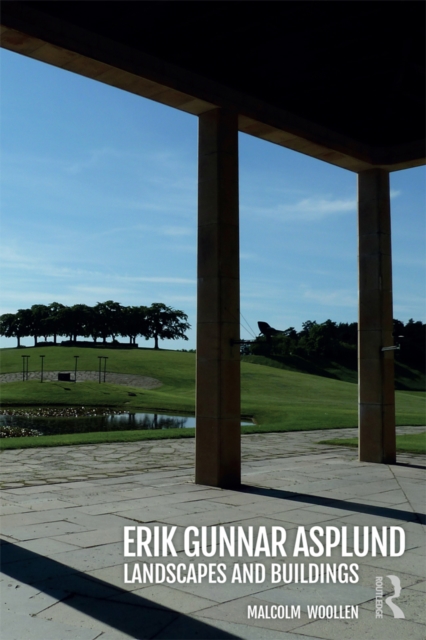
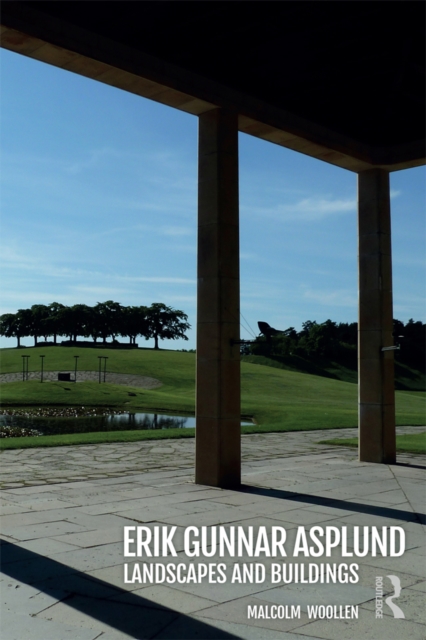
Taking an interdisciplinary approach, weaving together art, philosophy, history, and literature, this book investigates the landscapes and buildings of Swedish architect Erik Gunnar Asplund.
Taking an interdisciplinary approach, weaving together art, philosophy, history, and literature, this book investigates the landscapes and buildings of Swedish architect Erik Gunnar Asplund.
Leon Battista Alberti (1404-1472) was the most versatile humanist of the fifteenth century: author of numerous compositions in both Latin and Italian, and a groundbreaking theorist of painting, sculpture, and architecture.
Leon Battista Alberti (1404-1472) was the most versatile humanist of the fifteenth century: author of numerous compositions in both Latin and Italian, and a groundbreaking theorist of painting, sculpture, and architecture.
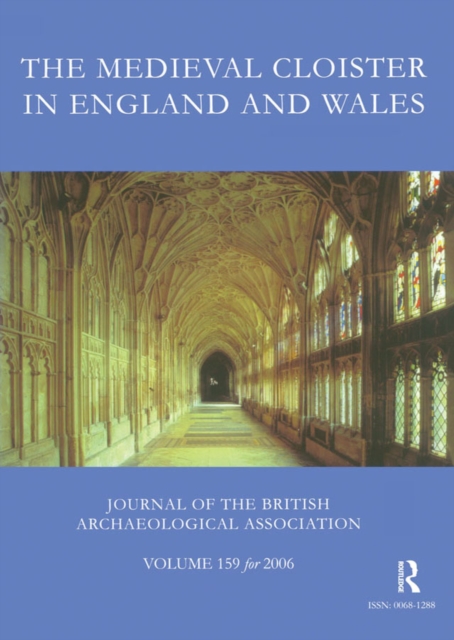
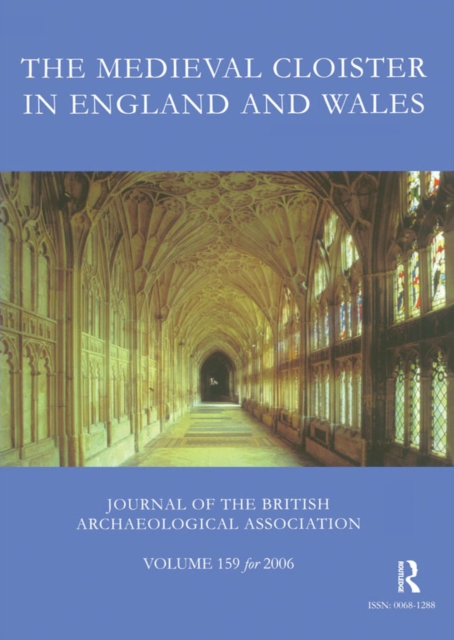
"e;This dedicated volume of the Journal of the British Archaeological Association draws together ten papers which, collectively, explore something of the art and architecture, styles and uses, of the medieval cloister in England and Wales.
"e;This dedicated volume of the Journal of the British Archaeological Association draws together ten papers which, collectively, explore something of the art and architecture, styles and uses, of the medieval cloister in England and Wales.
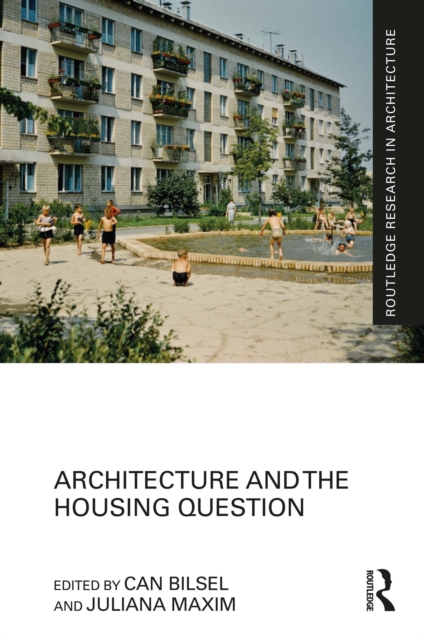
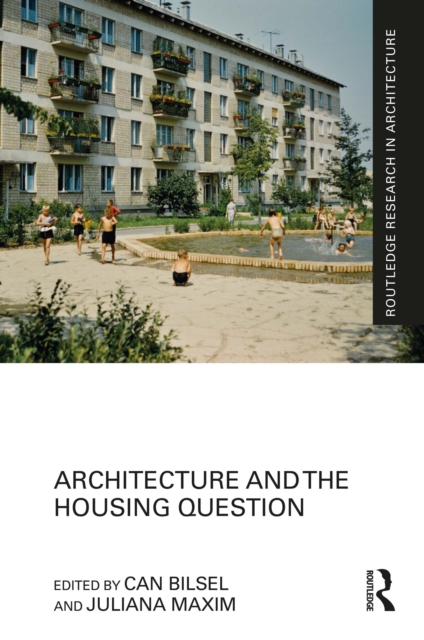
Architecture and the Housing Question examines how the design and provision of housing around the world have become central both to competing political projects and to the architecture profession.
Architecture and the Housing Question examines how the design and provision of housing around the world have become central both to competing political projects and to the architecture profession.
Traditional histories of medieval art and architecture often privilege the moment of a work's creation, yet surviving works designated as "e;medieval"e; have long and expansive lives.
Traditional histories of medieval art and architecture often privilege the moment of a work's creation, yet surviving works designated as "e;medieval"e; have long and expansive lives.
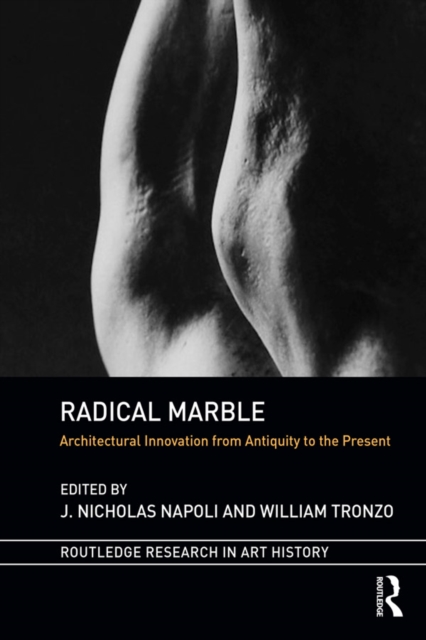
Marble is one of the great veins through the architectural tradition and fundamental building block of the Mediterranean world, from the Parthenon of mid-fifth century Athens, which was constructed of pentelic marble, to Justinian's Hagia Sophia in Constantinople and the Renaissance and Baroque basilica of St.
Marble is one of the great veins through the architectural tradition and fundamental building block of the Mediterranean world, from the Parthenon of mid-fifth century Athens, which was constructed of pentelic marble, to Justinian's Hagia Sophia in Constantinople and the Renaissance and Baroque basilica of St.
This title, originally published in 1988, examines the network of states and the political and economic systems which bound the British Empire together.
This title, originally published in 1988, examines the network of states and the political and economic systems which bound the British Empire together.
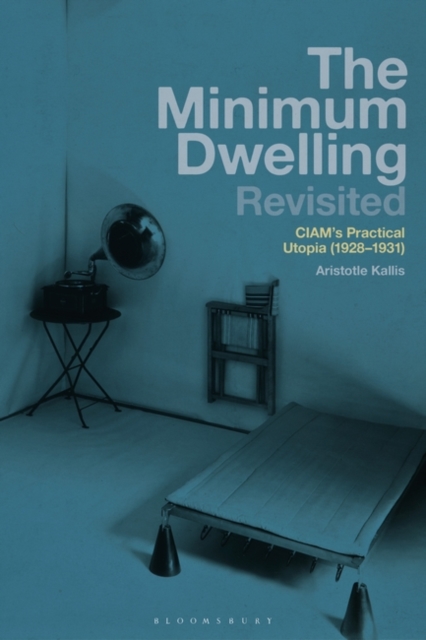
This book provides an intellectual history of the modernist "e;minimum dwelling"e;, exploring how early modernism saw mass housing as a primary vehicle for achieving the utopian transformation of society.
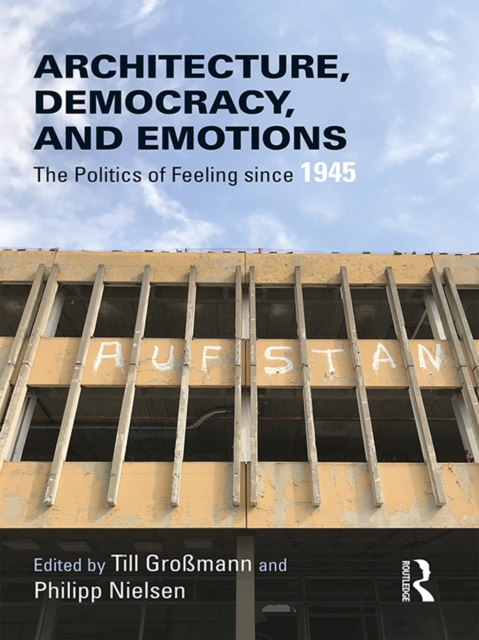
After 1945 it was not just Europe's parliamentary buildings that promised to house democracy: hotels in Turkey and Dutch shopping malls proposed new democratic attitudes and feelings.
After 1945 it was not just Europe's parliamentary buildings that promised to house democracy: hotels in Turkey and Dutch shopping malls proposed new democratic attitudes and feelings.
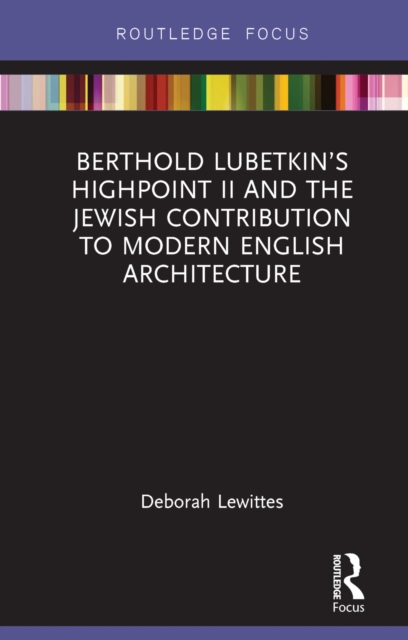
In 1935, the Russian-born Jewish architect Berthold Lubetkin and his firm Tecton designed Highpoint, a block of flats in London, which Le Corbusier called 'revolutionary'.
In 1935, the Russian-born Jewish architect Berthold Lubetkin and his firm Tecton designed Highpoint, a block of flats in London, which Le Corbusier called 'revolutionary'.
This book traces the development of John Hejduk's architectural career, using the idea of "e;exorcism"e; to uncover his thought process when examining architectural designs.
This book traces the development of John Hejduk's architectural career, using the idea of "e;exorcism"e; to uncover his thought process when examining architectural designs.
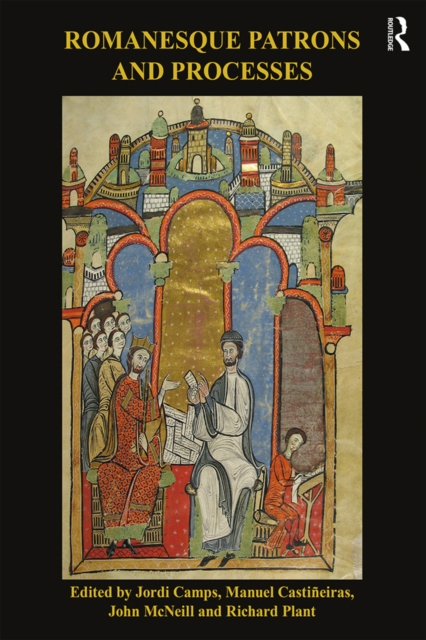
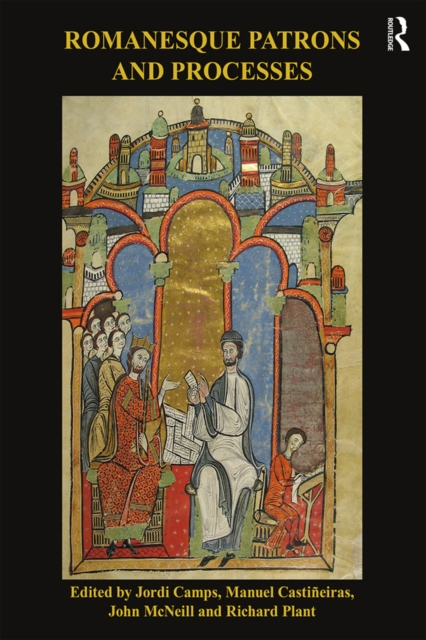
The twenty-five papers in this volume arise from a conference jointly organised by the British Archaeological Association and the Museu Nacional d'Art de Catalunya in Barcelona.
The twenty-five papers in this volume arise from a conference jointly organised by the British Archaeological Association and the Museu Nacional d'Art de Catalunya in Barcelona.
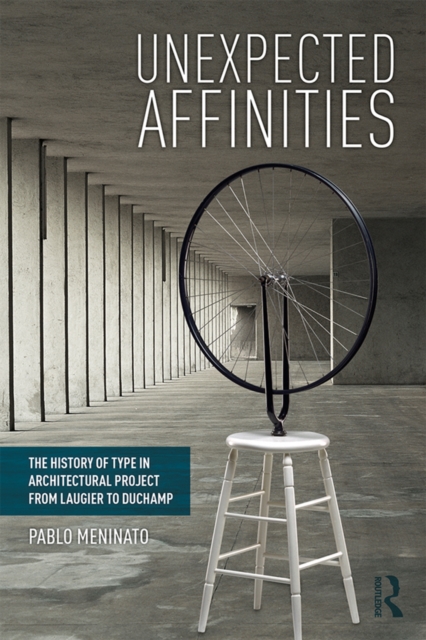
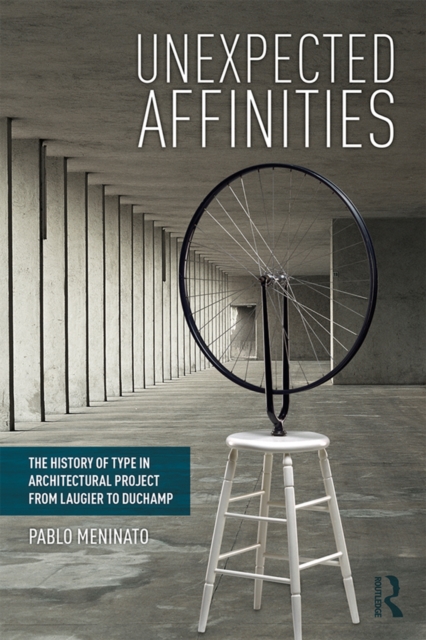
While the concept of "e;type"e; has been present in architectural discourse since its formal introduction at the end of the eighteenth century, its role in the development of architectural projects has not been comprehensively analyzed.
While the concept of "e;type"e; has been present in architectural discourse since its formal introduction at the end of the eighteenth century, its role in the development of architectural projects has not been comprehensively analyzed.
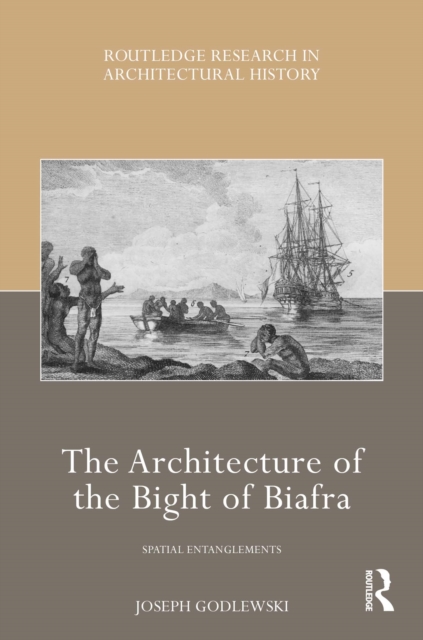
The Architecture of the Bight of Biafra challenges linear assumptions about agency, progress, and domination in colonial and postcolonial cities, adding an important sub Saharan case study to existing scholarship on globalization and modernity.
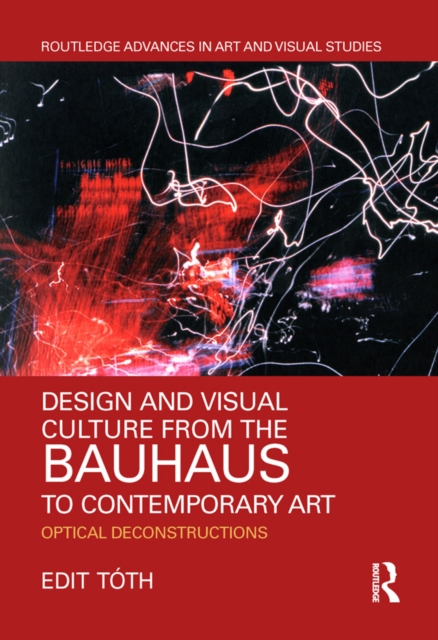
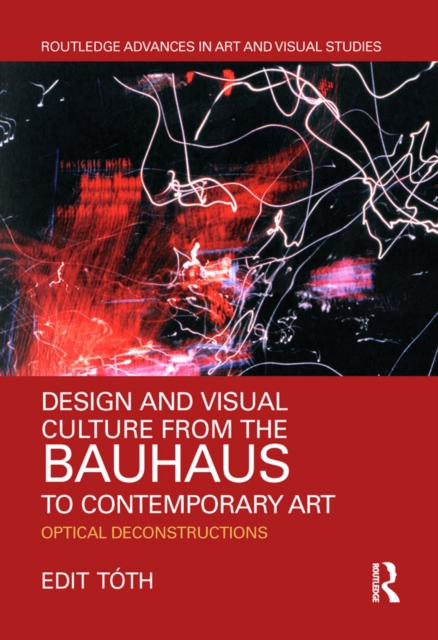
This book complements the more textually-based Bauhaus scholarship with a practice-oriented and creative interpretive method, which makes it possible to consider Bauhaus-related works in an unconventional light.
This book complements the more textually-based Bauhaus scholarship with a practice-oriented and creative interpretive method, which makes it possible to consider Bauhaus-related works in an unconventional light.
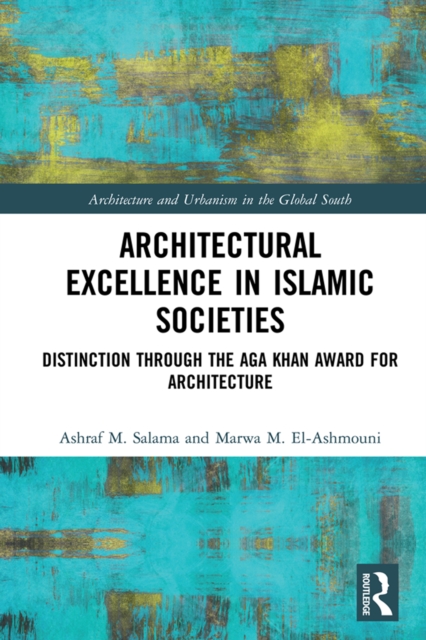
This book discusses architectural excellence in Islamic societies drawing on textual and visual materials, from the Aga Khan Documentation Center at MIT, developed over more than three decades.
This book discusses architectural excellence in Islamic societies drawing on textual and visual materials, from the Aga Khan Documentation Center at MIT, developed over more than three decades.