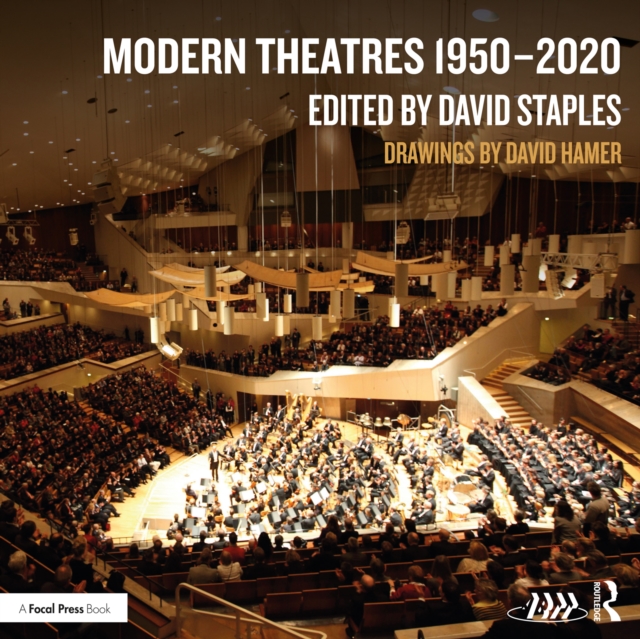
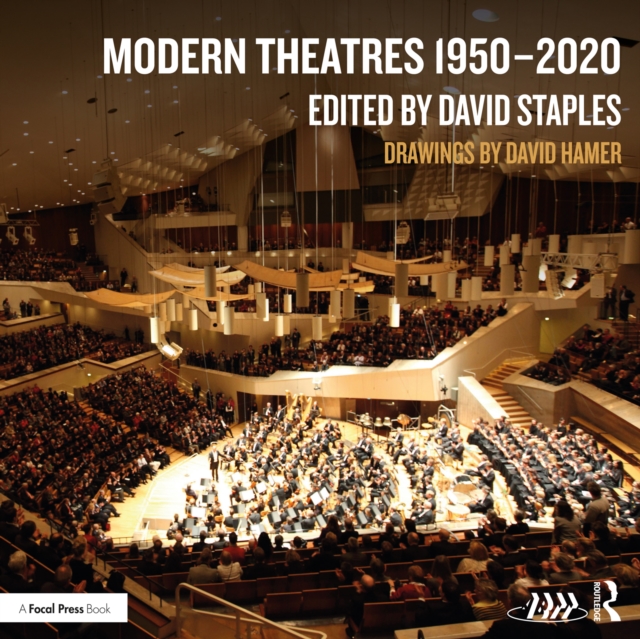
Modern Theatres 1950-2020 is an investigation of theatres, concert halls and opera houses in Asia, Europe, the Middle East and North and South America.
Modern Theatres 1950-2020 is an investigation of theatres, concert halls and opera houses in Asia, Europe, the Middle East and North and South America.
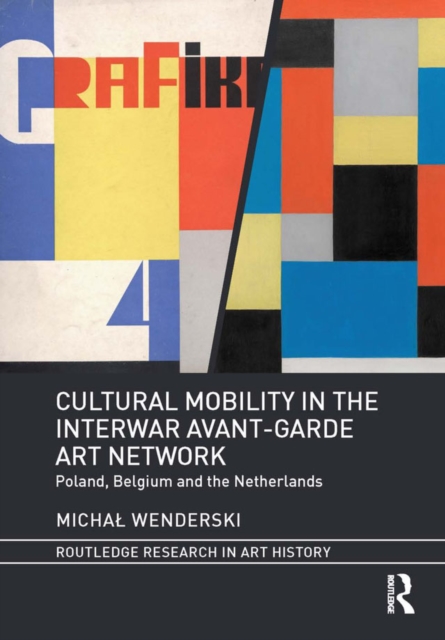
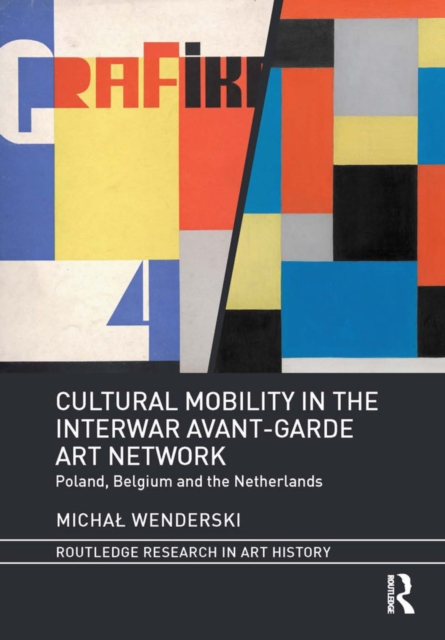
This book explores the issue of cultural mobility within the interwar network of the European avant-garde, focusing on selected writers, artists, architects, magazines and groups from Poland, Belgium and Netherlands.
This book explores the issue of cultural mobility within the interwar network of the European avant-garde, focusing on selected writers, artists, architects, magazines and groups from Poland, Belgium and Netherlands.
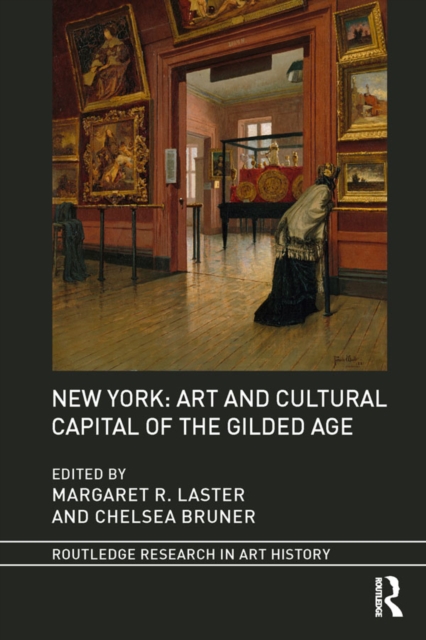
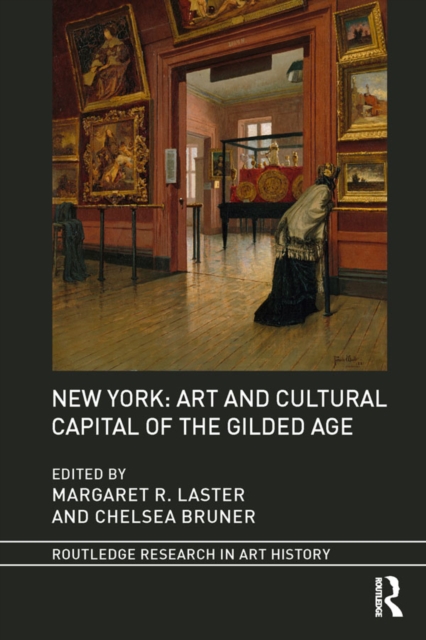
Fueled by a flourishing capitalist economy, undergirded by advancements in architectural design and urban infrastructure, and patronized by growing bourgeois and elite classes, New York's built environment was dramatically transformed in the 1870s and 1880s.
Fueled by a flourishing capitalist economy, undergirded by advancements in architectural design and urban infrastructure, and patronized by growing bourgeois and elite classes, New York's built environment was dramatically transformed in the 1870s and 1880s.
Italian architecture has long exerted a special influence on the evolution of architectural ideas elsewhere - from the Beaux-Arts academy's veneration of Rome, to modernist and postmodern interest in Renaissance proportion, Baroque space, and Mannerist ambiguity.
Italian architecture has long exerted a special influence on the evolution of architectural ideas elsewhere - from the Beaux-Arts academy's veneration of Rome, to modernist and postmodern interest in Renaissance proportion, Baroque space, and Mannerist ambiguity.
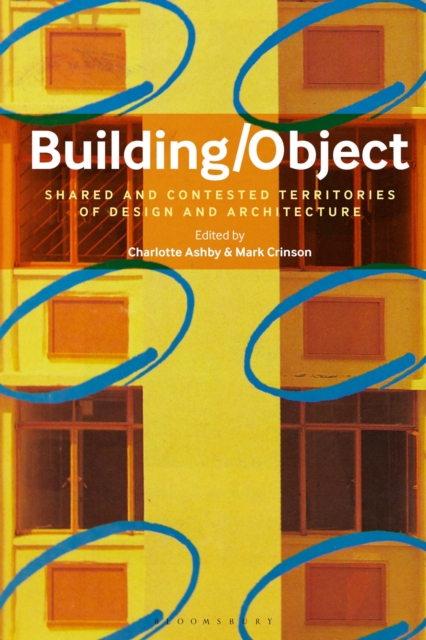
Building/Object addresses the space in between the conventional objects of design and the conventional objects of architecture, probing and reassessing the differences between the disciplines of design history and architectural history Each of the 13 chapters in this book examine things which are neither object-like nor building-like, but somewhere in between air conditioning; bookshelves; partition walls; table-monuments; TVs; convenience stores; cars exposing particular political configurations and resonances that otherwise might be occluded.
Building/Object addresses the space in between the conventional objects of design and the conventional objects of architecture, probing and reassessing the differences between the disciplines of design history and architectural history Each of the 13 chapters in this book examine things which are neither object-like nor building-like, but somewhere in between air conditioning; bookshelves; partition walls; table-monuments; TVs; convenience stores; cars exposing particular political configurations and resonances that otherwise might be occluded.
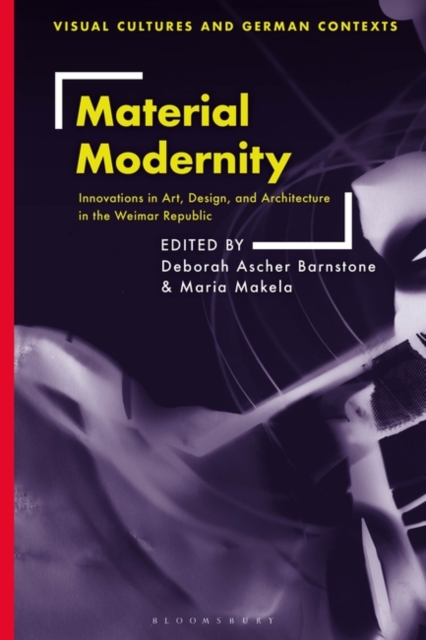
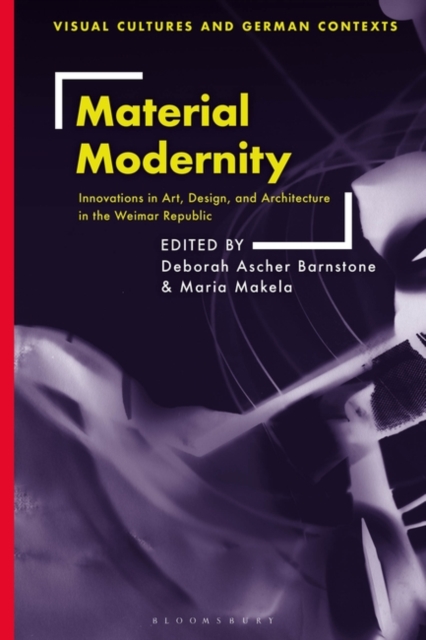
Material Modernity explores creative innovation in German art, design, and architecture during the Weimar Republic, charting both the rise of new media and the re-fashioning of old media.
Material Modernity explores creative innovation in German art, design, and architecture during the Weimar Republic, charting both the rise of new media and the re-fashioning of old media.
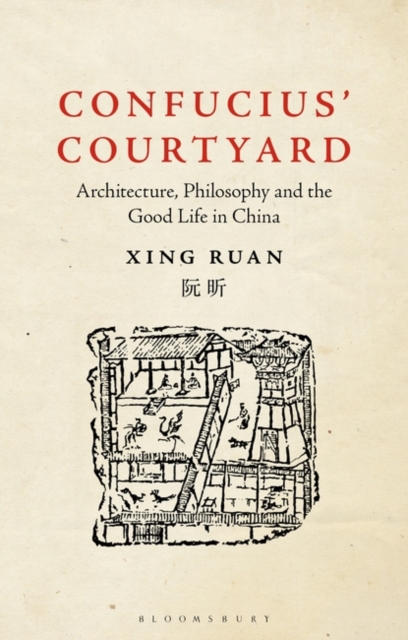
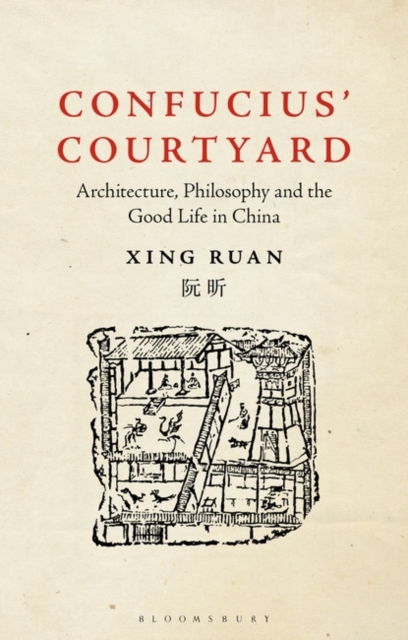
For more than three thousand years, Chinese life – from the city and the imperial palace, to the temple, the market and the family home – was configured around the courtyard.
For more than three thousand years, Chinese life – from the city and the imperial palace, to the temple, the market and the family home – was configured around the courtyard.
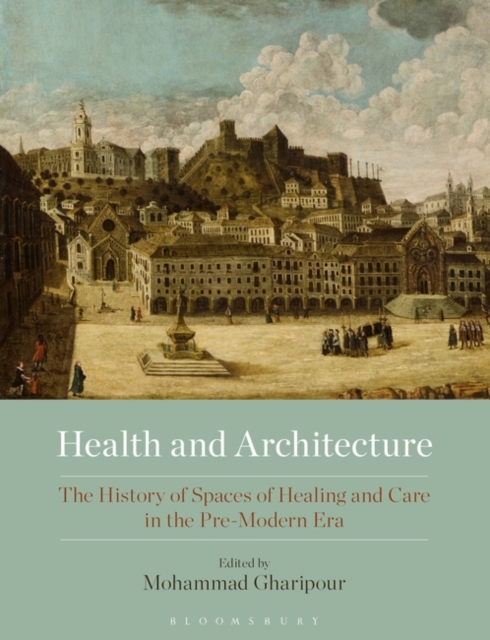
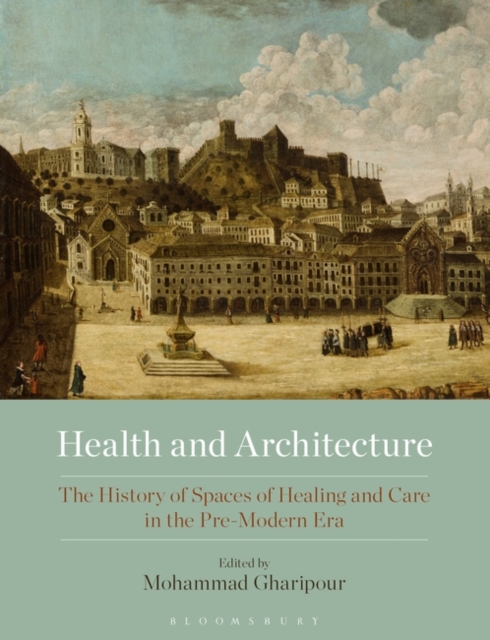
Health and Architecture offers a uniquely global overview of the healthcare facility in the pre-modern era, engaging in a cross-cultural analysis of the architectural response to medical developments and the formation of specialized hospitals as an independent building typology.
Health and Architecture offers a uniquely global overview of the healthcare facility in the pre-modern era, engaging in a cross-cultural analysis of the architectural response to medical developments and the formation of specialized hospitals as an independent building typology.
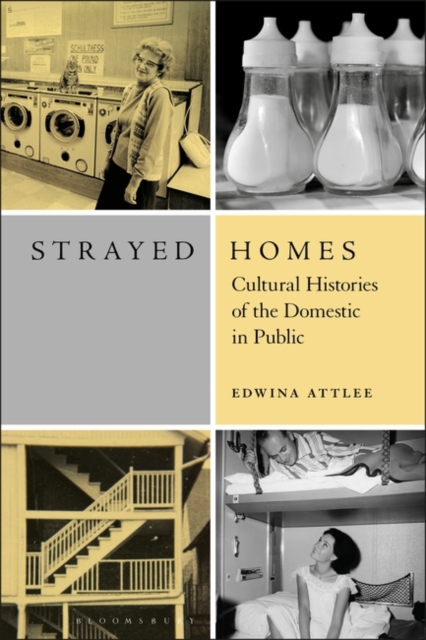
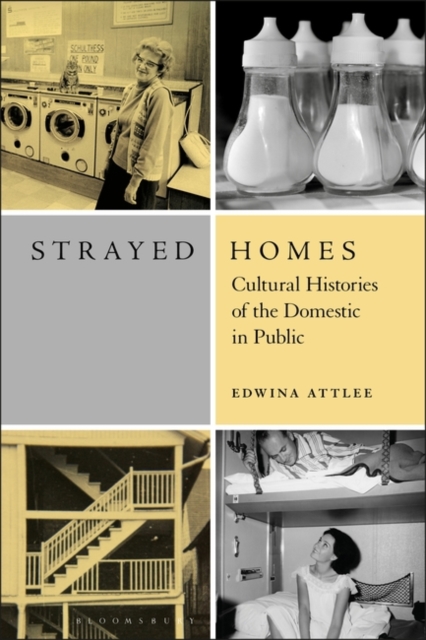
Poetic and political, Strayed Homes invites architects, interior designers, and urbanists to think again about common concepts in architecture 'private', 'public' and 'home'.
Poetic and political, Strayed Homes invites architects, interior designers, and urbanists to think again about common concepts in architecture 'private', 'public' and 'home'.
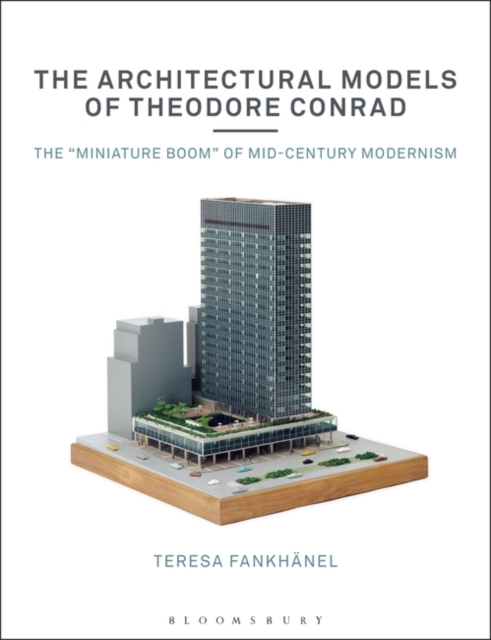
Based on the recent discovery of his fully-preserved private archive-models, photos, letters, business files, and drawings-this book tells the story of Theodore Conrad (1910-1994), the most prominent and prolific architectural model-maker of the 20th century.
Based on the recent discovery of his fully-preserved private archive-models, photos, letters, business files, and drawings-this book tells the story of Theodore Conrad (1910-1994), the most prominent and prolific architectural model-maker of the 20th century.
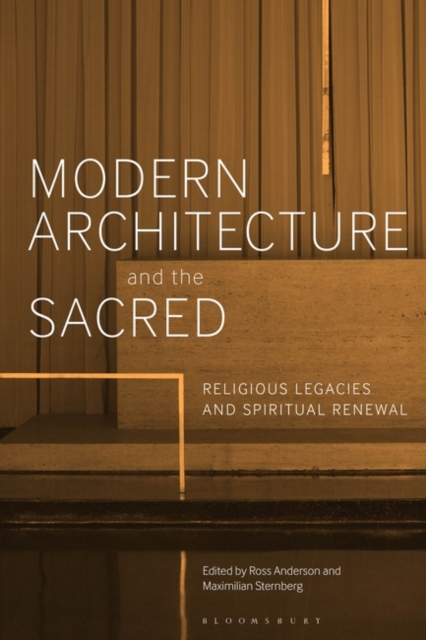
This edited volume, Modern Architecture and the Sacred,presents a timely reappraisal of the manifold engagements that modern architecture has had with 'the sacred'.
This edited volume, Modern Architecture and the Sacred,presents a timely reappraisal of the manifold engagements that modern architecture has had with 'the sacred'.
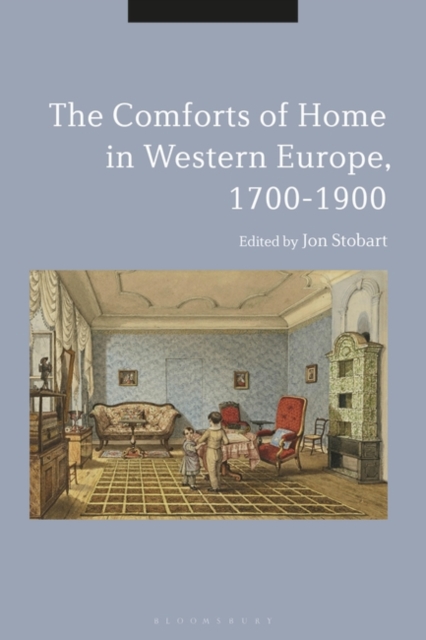
Comfort, both physical and affective, is a key aspect in our conceptualization of the home as a place of emotional attachment, yet its study remains under-developed in the context of the European house.