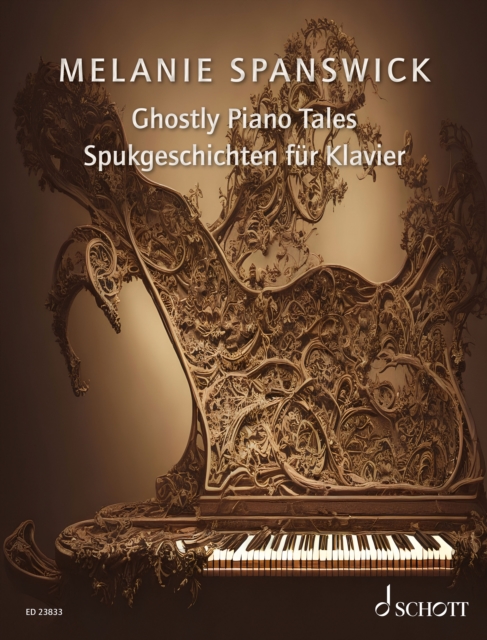
Ghostly Piano Tales is a collection of 24 imaginative solo piano pieces of very easy to medium difficulty, which are ideally suited for beginners' lessons and first auditions.
Every lover of music finds themselves, at privileged moments, in ecstasy - certain that what they are hearing has captured, somehow, an incontrovertible truth.
Every lover of music finds themselves, at privileged moments, in ecstasy - certain that what they are hearing has captured, somehow, an incontrovertible truth.
¡Descubre "Perlas Musicales Álbum N° 3" y adéntrate en un mundo de melodías atemporales, cuidadosamente seleccionadas para deleitar tanto a pianistas principiantes como experimentados!
Sumérgete en la rica tradición musical de Argentina con "Mujeres argentinas", una colección excepcional de partituras que rinden homenaje a las mujeres destacadas de la historia y la cultura del país.
Through a collection of extensive interviews with choral conductors, educators, singers, and professional leaders, this book documents the choral music community's journey through crisis and change during the COVID-19 pandemic and aids in its rebuilding in a new era where COVID-19 is endemic.
Through a collection of extensive interviews with choral conductors, educators, singers, and professional leaders, this book documents the choral music community's journey through crisis and change during the COVID-19 pandemic and aids in its rebuilding in a new era where COVID-19 is endemic.
Este álbum se propone ofrecer al principiante trozos de música que desde el comienzo de la enseñanza despierten el interés por la música y animen las horas de estudio.
Durante su vasta carrera artistica, ya sea como solista o junto al trio Nueva Colombia, German Dario Perez Salazar ha interpretado, reinterpretado y difundido la musica colombiaba dentro y fuera del pais.
Es sabido que cada generación hace su propio retrato, y lo hace lógicamente por medio de los mil elementos que constituyen la atmosfera dominante de la época.
Este clásico de la pedagogía pianística presenta los fundamentos del método desarrollado por Karl Leimer, adoptado y perfeccionado por el legendario pianista Walter Gieseking.
Dein Song mochte Kinder und Jugendliche darin ermuntern, sich aktiv mit Musik zu beschaftigen und bietet talentierten Nachwuchssongwritern Raum fur die Entfaltung ihrer eigenen musikalischen Ideen.
Classic Ragtime Music Collection constitutes an extensive library of the most well-known and universally-enjoyed works of ragtime music ever composed, reproduced from authoritative editions for the enjoyment of musicians and music students the world over.
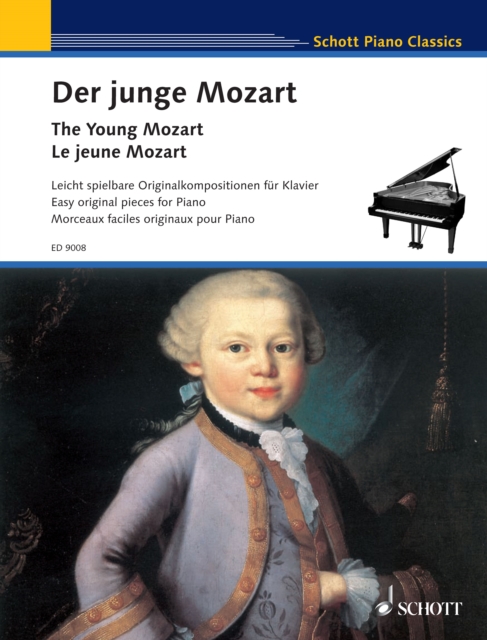
The pieces in the present volume are taken for the most part from Mozart's so-called 'London Sketch Book', written on his English tour in the year 1764, at the age of eight.
This third volume of The Classical Piano Method is for students who have completed Method Book 2, or for those who already have a firm grounding in playing the piano and are returning to the instrument.
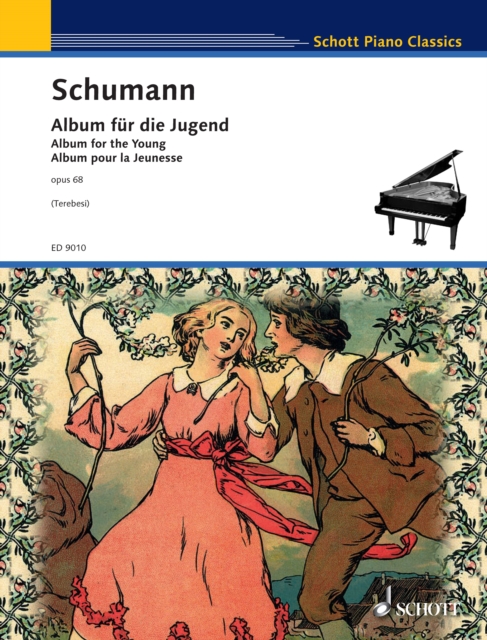
Robert Schumann's 'Album fur die Jugend' ('Album for the Young') was written in 1848 as a Christmas present for his children and was originally entitled 'Weihnachtsalbum fur Kinder, die gern Clavier spielen' ('Christmas Album, for children who like to play the piano').
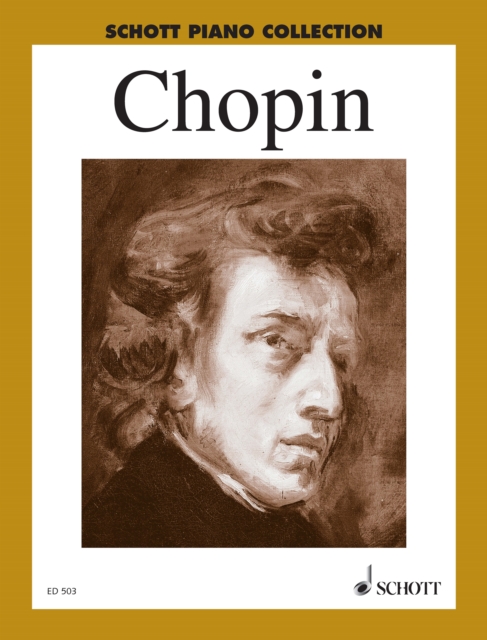
The two Chopin volumes of the 'Schott Piano Collection' series have been among the standard works of piano lessons for a long time, containing a careful selection of 38 popular piano works by Chopin.
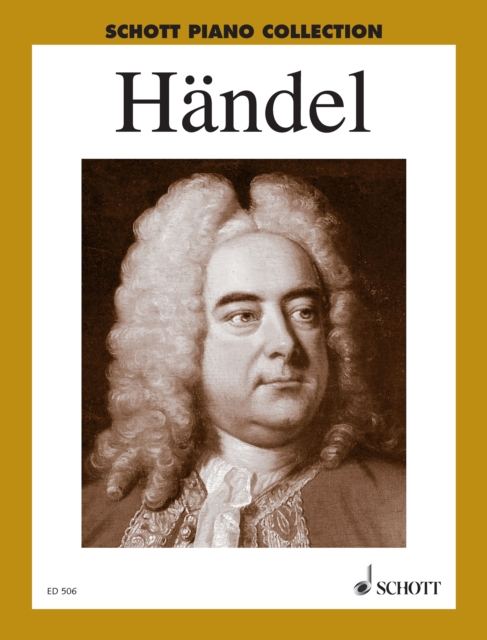
The Handel volume of the 'Schott Piano Collection' series has been among the standard works of piano lessons for a long time, containing a careful selection of 26 known and easy-to-play piano works by Handel, including the easy Minuets in G major, G minor, Bouree in G major, Sonatina in Bb major, Chaconne in D minor, Sonata in C major, Passacaille in G minor, Grobschmied Variations, and many more.
- Provides supplementary material to Piano Sight-Reading 1 - An approach based on independent learning and the recognition of rhythmic and melodic patterns - 175 exercises in a range of musical styles and keys - Each section concludes with duets to encourage players to develop musicianship and to have fun playing with your teacher, family or friends - Tunes are progressive with 'hands together' exercises in the final section - Preliminary towards grade 2