In this ethnographic study, the author takes an agnostic stance towards the truth value of conspiracy theories and delves into the everyday lives of people active in the conspiracy milieu to understand better what the contemporary appeal of conspiracy theories is.
In this ethnographic study, the author takes an agnostic stance towards the truth value of conspiracy theories and delves into the everyday lives of people active in the conspiracy milieu to understand better what the contemporary appeal of conspiracy theories is.
This book addresses the complex relationship between India's evolving, emerging media landscape, the political and economic interests of diverse media actors, and movements opposing contentious issues such as market-based economic reforms and religious nationalism.
Since its publication nearly eight decades ago, the consensus among scholars about Fabula de Equis y Zeda, by the Spanish poet Gerardo Diego (1896-1987) remains unchanged: Fabula is an enigmatic avant-garde curiosity.
Since its publication nearly eight decades ago, the consensus among scholars about Fabula de Equis y Zeda, by the Spanish poet Gerardo Diego (1896-1987) remains unchanged: Fabula is an enigmatic avant-garde curiosity.
How Disinformation Ruins Public Diplomacy evaluates and analyzes how Chinese and Russian public diplomacy strategies differ from the existing academic literature and debates, specifically in the context of the new disinformation era.
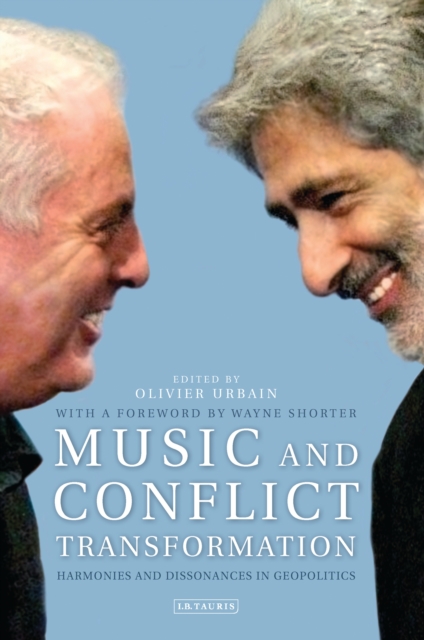
In 1999 the Israeli conductor Daniel Barenboim and the Palestinian writer Edward Said organised a concert in Weimar in which half the performers were Palestinians and the other half Israelis.
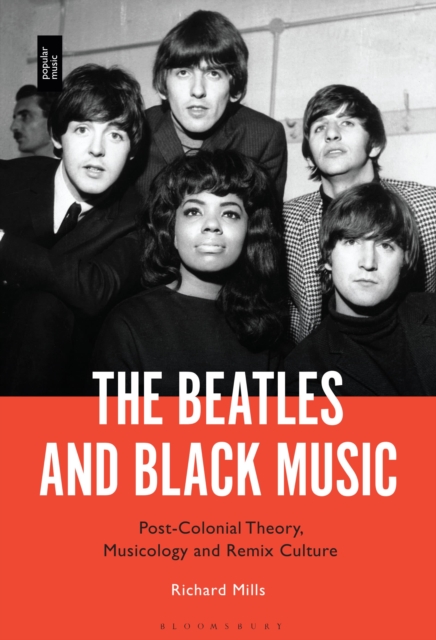
The Beatles and Black Music discusses the influence that Black music and culture has had over the Beatles throughout their collective and solo careers.
The main objectives of media regulation in Europe are to protect media freedom, to ensure the social responsibility of the media, and to prevent harm caused by speech published through the media.
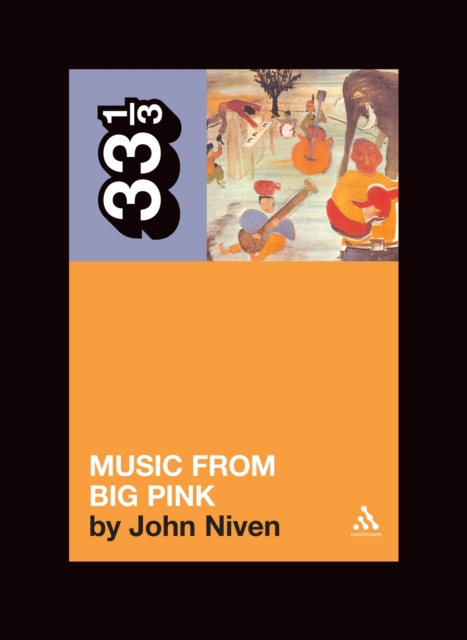
"e;Music From Big Pink is a moving book that succeeds not just in vividly evoking its time and place but in distilling one young man's cliched and minor destiny into something approaching tragedy.
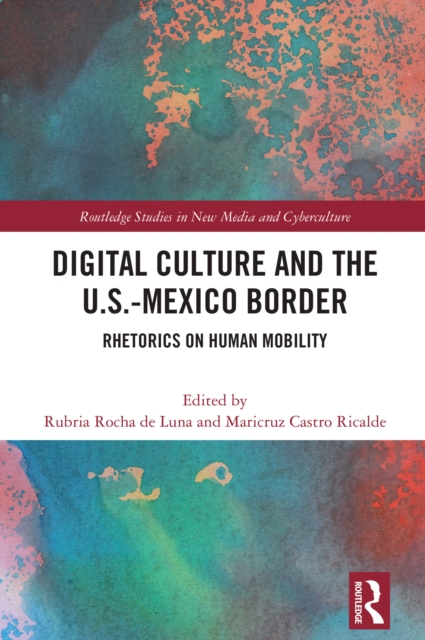
Conceptualizing how digital artifacts can function as a frontier mediated by technology in the geographical, physical, sensory, visual, discursive, and imaginary, this volume offers an interdisciplinary analysis of digital material circulating online in a way that creates a digital dimension of the Mexico-U.
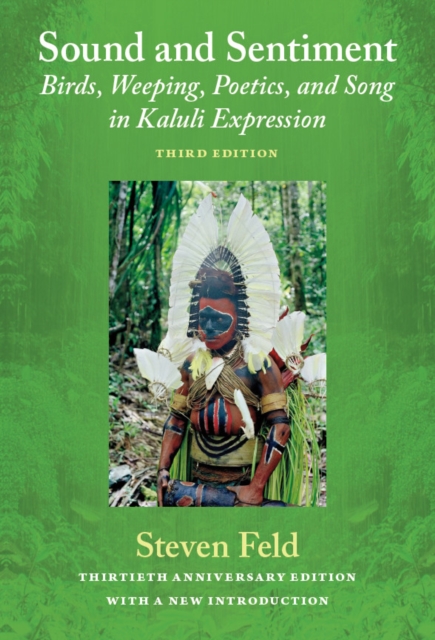
This thirtieth anniversary edition of Sound and Sentiment makes Steven Feld's landmark, field-defining book available to a new generation of scholars and students.
Recording is central to the musical lives of contemporary powwow singers yet, until now, their aesthetic practices when recording have been virtually ignored in the study of Native American expressive cultures.
An important center of dancehall reggae performance, sound clashes are contests between rival sound systems: groups of emcees, tune selectors, and sound engineers.
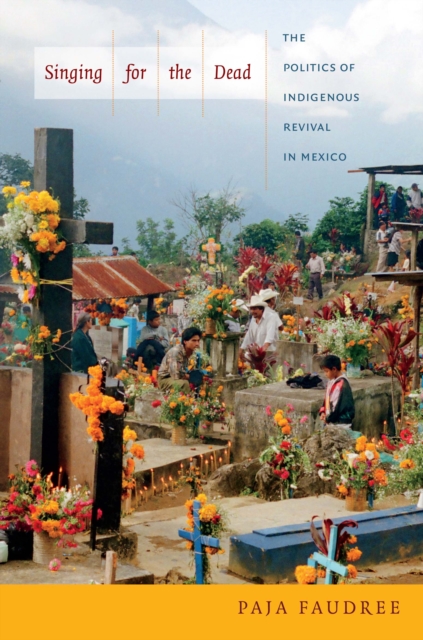
Singing for the Dead chronicles ethnic revival in Oaxaca, Mexico, where new forms of singing and writing in the local Mazatec indigenous language are producing powerful, transformative political effects.
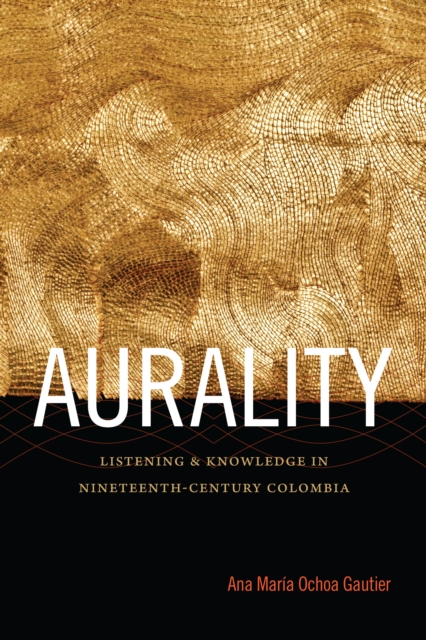
In this audacious book, Ana Maria Ochoa Gautier explores how listening has been central to the production of notions of language, music, voice, and sound that determine the politics of life.
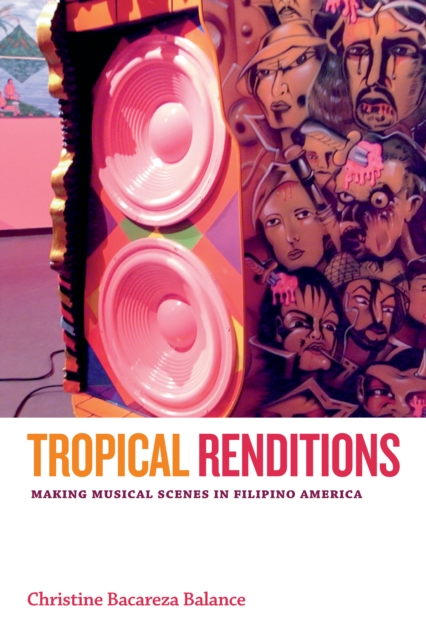
In Tropical Renditions Christine Bacareza Balance examines how the performance and reception of post-World War II Filipino and Filipino American popular music provide crucial tools for composing Filipino identities, publics, and politics.
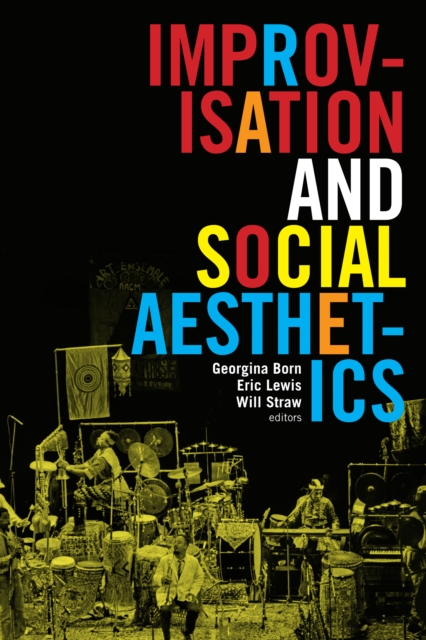
Addressing a wide range of improvised art and music forms-from jazz and cinema to dance and literature-this volume's contributors locate improvisation as a key site of mediation between the social and the aesthetic.
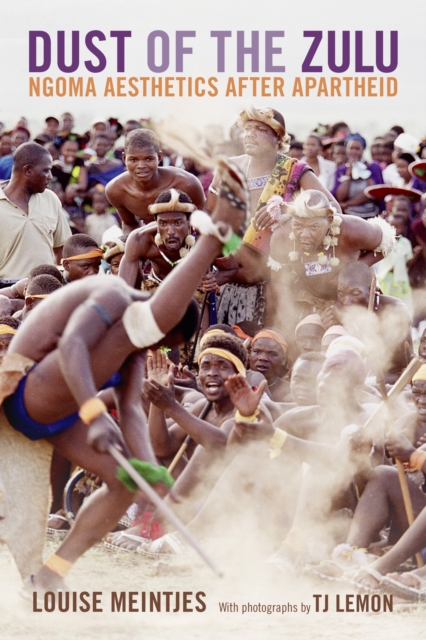
In Dust of the Zulu Louise Meintjes traces the political and aesthetic significance of ngoma, a competitive form of dance and music that emerged out of the legacies of colonialism and apartheid in South Africa.
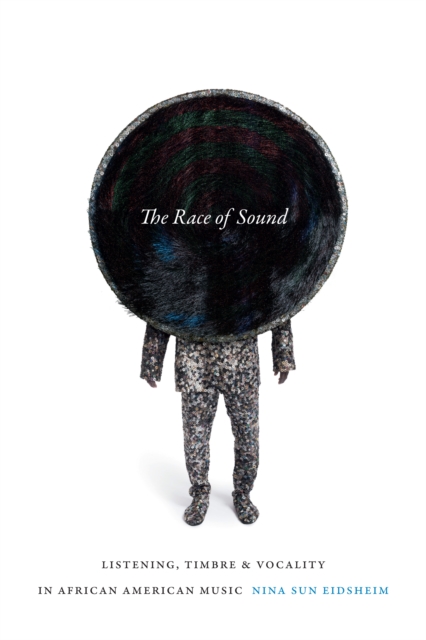
In The Race of Sound Nina Sun Eidsheim traces the ways in which sonic attributes that might seem natural, such as the voice and its qualities, are socially produced.
Following his investigation into experimental music and sound recording in Records Ruin the Landscape, David Grubbs turns his attention to the live performance of improvised music with an altogether different form of writing.