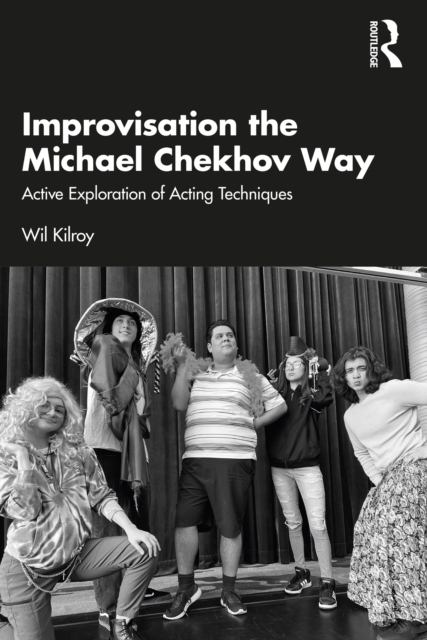
Improvisation the Michael Chekhov Way: Active Exploration of Acting Techniques provides readers with dozens of improvisational exercises based on the acting techniques of Michael Chekhov.
Listening and Talking: A Pathway to Acting provides undergraduate acting students with a clear, achievable, step-by-step way to approach the work of playing a role.
Listening and Talking: A Pathway to Acting provides undergraduate acting students with a clear, achievable, step-by-step way to approach the work of playing a role.
Shortlisted for the STR Theatre Book Prize 2025The stage of the 1700s established a star culture, with the emergence of such acting celebrities as David Garrick, Susannah Cibber, and Sarah Siddons.
Shortlisted for the STR Theatre Book Prize 2025The stage of the 1700s established a star culture, with the emergence of such acting celebrities as David Garrick, Susannah Cibber, and Sarah Siddons.
Stanislavsky and Intimacy is the first academic edited book with a focus on how intimacy protocols, choreography, and theories intersect with the broad practices of Konstantin Stanislavsky's 'system'.
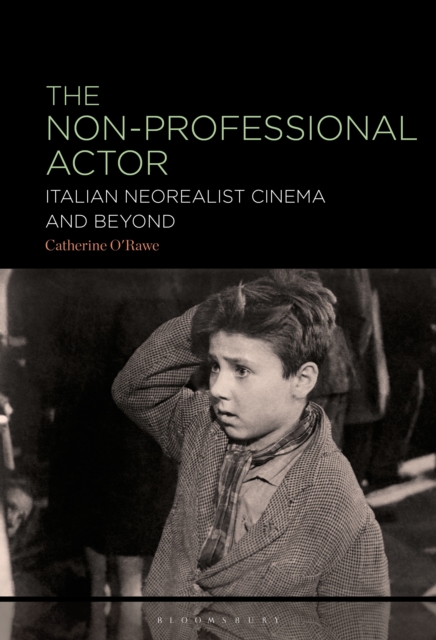
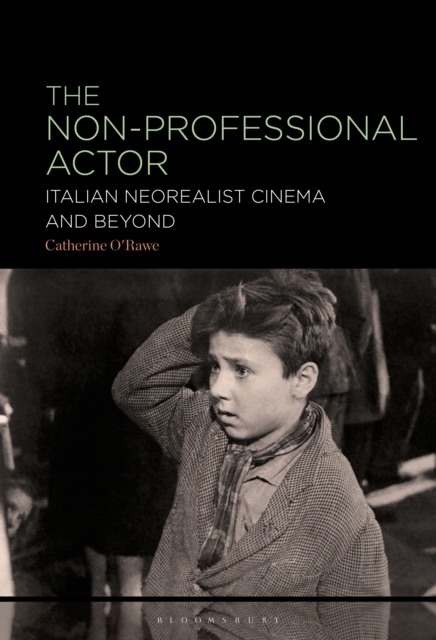
Provides the first critical overview of acting, stardom, and performance in post-war Italian film (1945-54), with special attention to the figure of the non-professional actor, who looms large in neorealist filmmaking.
Experiencing Accents: A Knight-Thompson SpeechworkA(R) Guide for Acting in Accent presents a comprehensive and systematic approach to accent acquisition for actors.
Experiencing Accents: A Knight-Thompson SpeechworkA(R) Guide for Acting in Accent presents a comprehensive and systematic approach to accent acquisition for actors.
Provides the first critical overview of acting, stardom, and performance in post-war Italian film (1945-54), with special attention to the figure of the non-professional actor, who looms large in neorealist filmmaking.
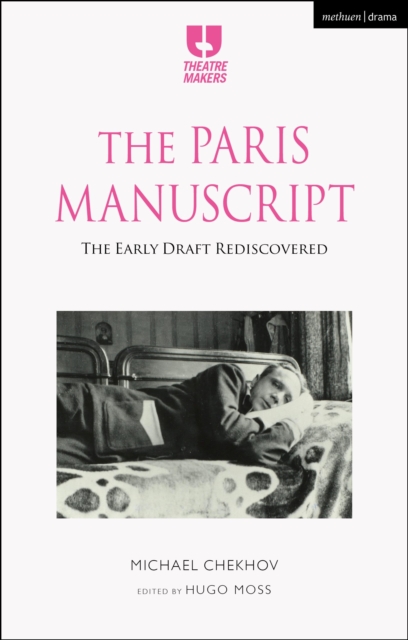
In the early 1930s, during his first years of exile and 20 years before the publication of his seminal work To the Actor, Michael Chekhov made his first incursion into the challenging task of writing about an actor's experience and his vision of the craft.
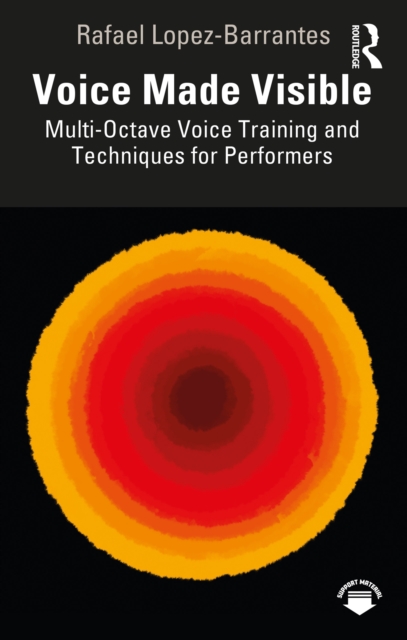
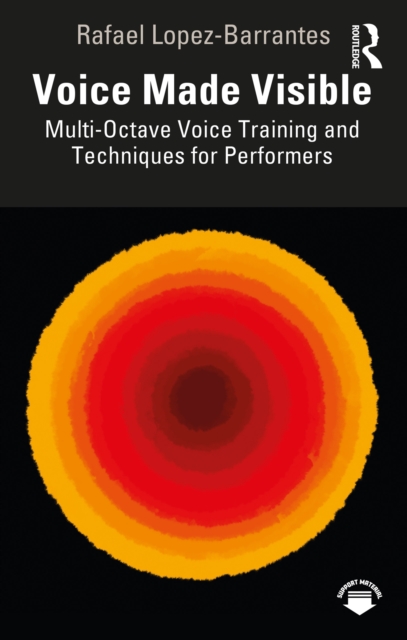
Voice Made Visible is an exploration of voice training and performance practice based on the use and application of Multi-Octave Vocal Range techniques.
Voice Made Visible is an exploration of voice training and performance practice based on the use and application of Multi-Octave Vocal Range techniques.
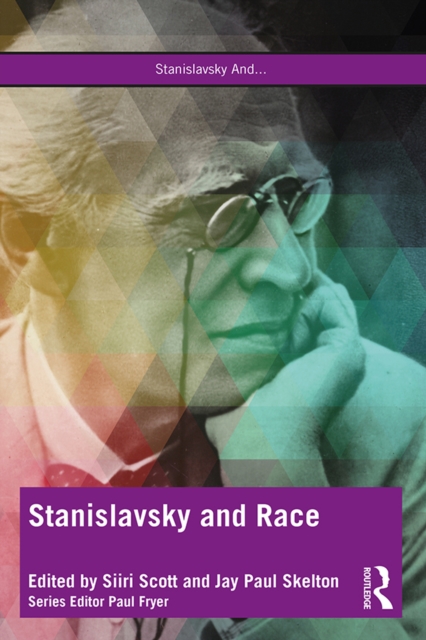
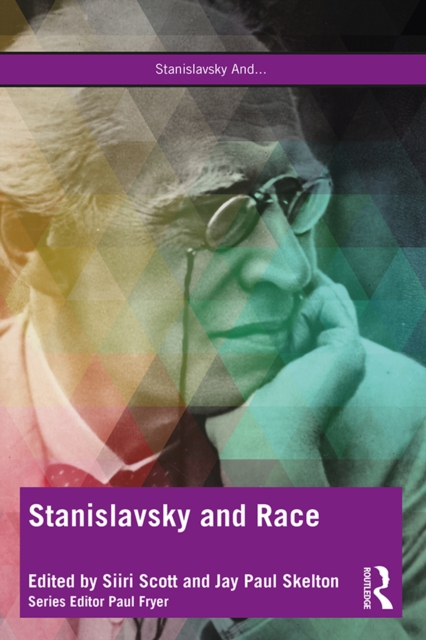
Stanislavsky and Race is the first book to explore the role that Konstantin Stanislavsky's "e;system"e; and its legacies can play in building, troubling and illuminating today's anti-racist theatre practices.
Stanislavsky and Race is the first book to explore the role that Konstantin Stanislavsky's "e;system"e; and its legacies can play in building, troubling and illuminating today's anti-racist theatre practices.
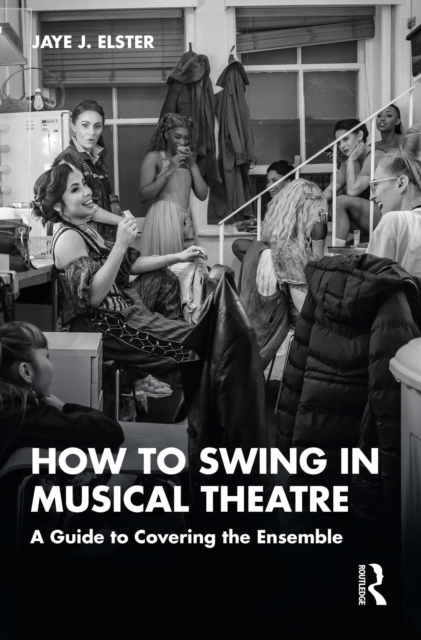
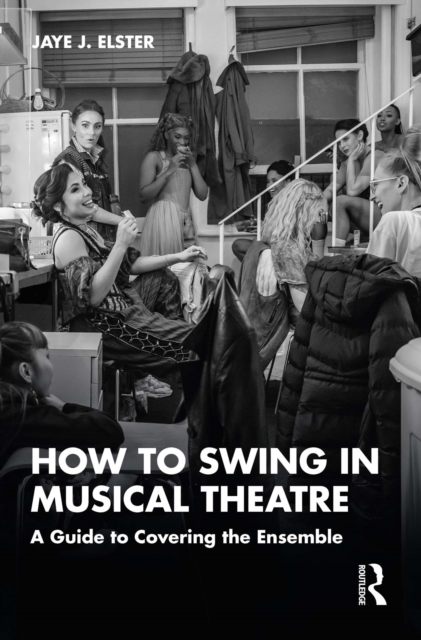
How to Swing in Musical Theatre shines a light on the most universal techniques used by cast members who, in response to absence, can perform multiple roles across an ensemble.
How to Swing in Musical Theatre shines a light on the most universal techniques used by cast members who, in response to absence, can perform multiple roles across an ensemble.
Practicing Archetype addresses performer training, specifically the self-pedagogy of actors who train solo, on their own, as an independent learning process, an opportunity for embodied research, and a form of critical pedagogy.
Stanislavski's simple exercises fire the imagination, and help readers not only discover their own conception of reality but how to reproduce it as well.
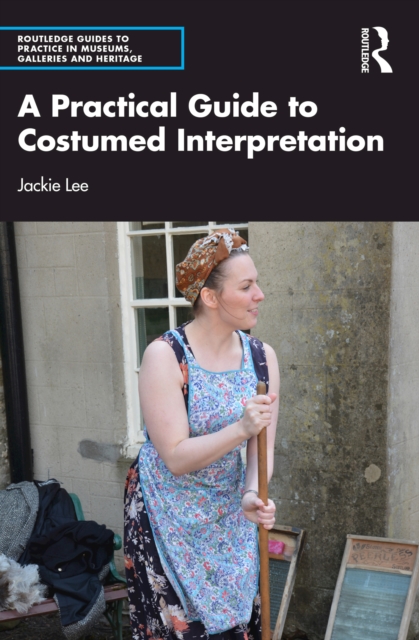
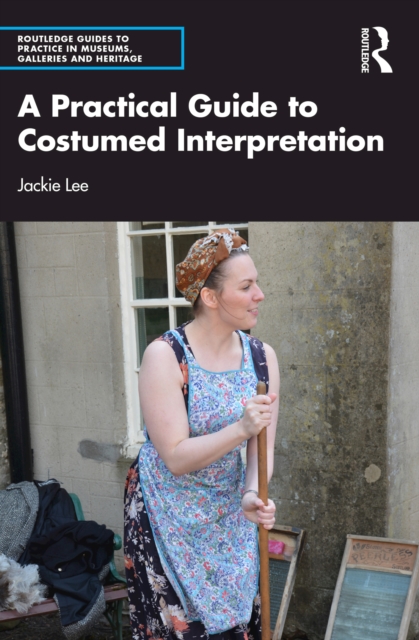
A Practical Guide to Costumed Interpretation is just that - a book that takes you through the various stages of becoming an historical costumed interpreter.
A Practical Guide to Costumed Interpretation is just that - a book that takes you through the various stages of becoming an historical costumed interpreter.
Der profunde Ratgeber zum Thema StimmeFür jeden, der in seinem Beruf viel spricht oder singt, ist die Stimme wichtiges, vielleicht sogar wichtigstes Instrument.
En este clásico estudio, Fredric Jameson da cuenta, con destreza y sensibilidad incomparables, del teatro político de Bertolt Brecht, y sostiene su importancia para las prácticas artísticas de una época turbulenta.