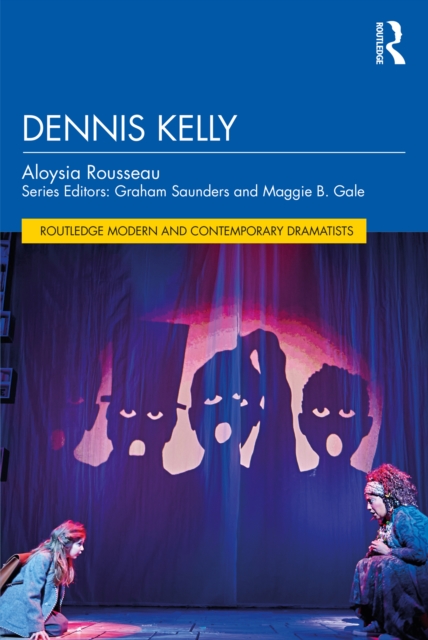
Dennis Kelly explores Kelly's unusual career path and sheds light on his eclectic approach to the arts, characterised by a refusal to write texts that people can fit within neat categories.
This book considers the notion of "e;historical escapism"e; through both costume and fashion design, illustrating how one informs the other to produce different consumable representations of the past, to quell contemporary anxieties and to confront generational traumas.
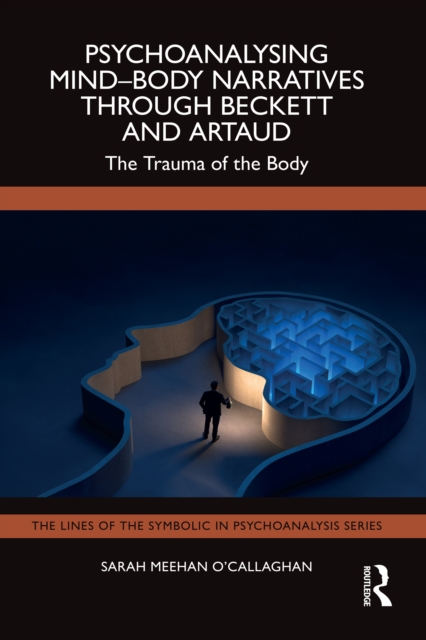
This book provides an epistemology of the body as it relates to subjectivity through an analysis of selected works of Antonin Artaud and Samuel Beckett.
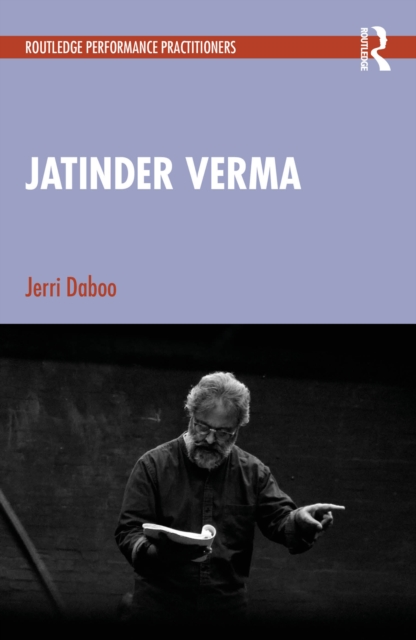
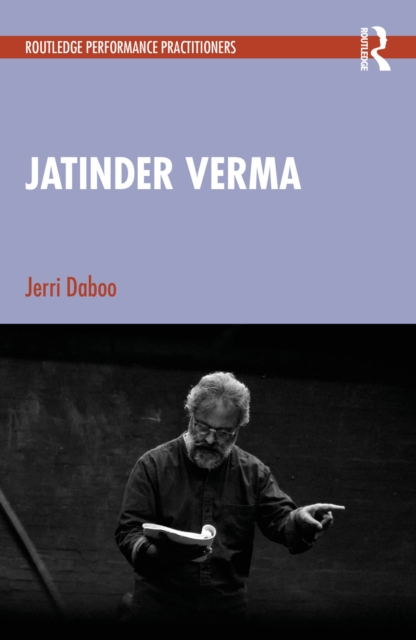
Jatinder Verma has been a pioneering figure in the development of British South Asian theatre, and a prominent spokesperson for the importance of increased diversity amongst playwrights, actors, directors, designers, and producers on the mainstream British stage.
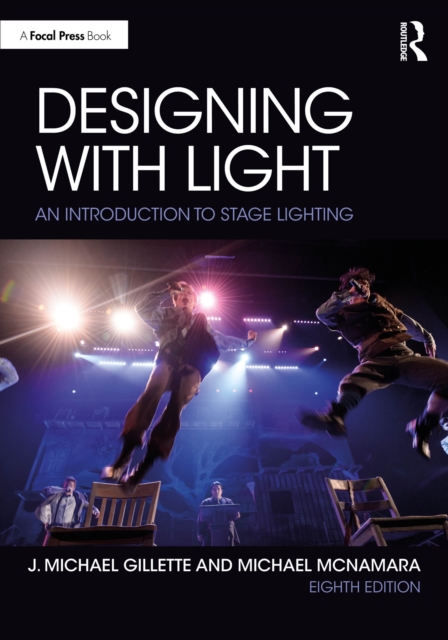
Now in its eighth edition, Designing with Light introduces readers to the art, craft, and technology of stage lighting to help them create designs that shape the audience's emotional reaction to-and understanding of-a stage production.
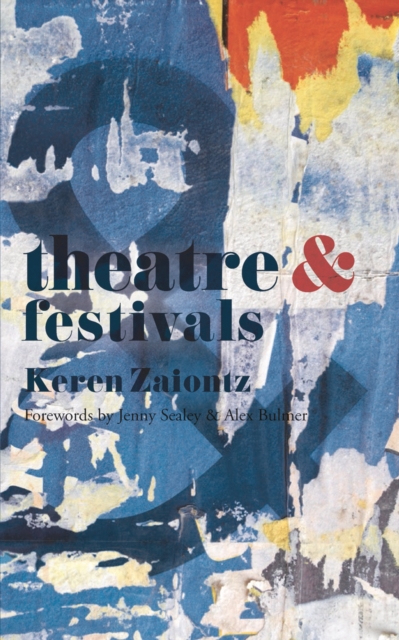
This succinct and engaging text rethinks the common wisdom that festivals, sites of collective celebration and play, provide a temporary reprieve from the grind of everyday, 'real' life.
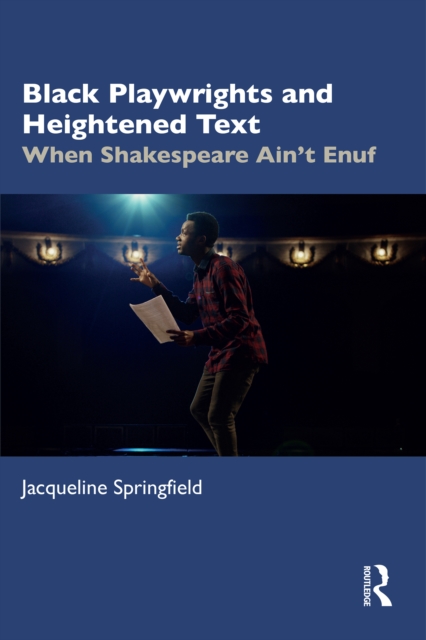
Black Playwrights and Heightened Text: When Shakespeare Ain't Enuf breaks down the misconception that heightened text sits only within a white tradition and brings the work of Black playwrights from across history to the forefront by highlighting the use of heightened dramatic text in their work.
Jatinder Verma has been a pioneering figure in the development of British South Asian theatre, and a prominent spokesperson for the importance of increased diversity amongst playwrights, actors, directors, designers, and producers on the mainstream British stage.
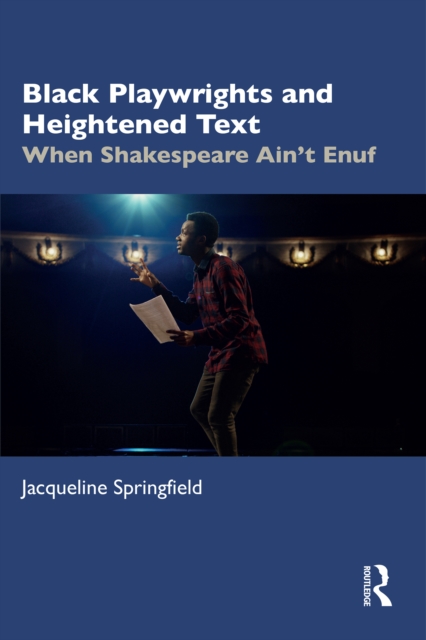
Black Playwrights and Heightened Text: When Shakespeare Ain't Enuf breaks down the misconception that heightened text sits only within a white tradition and brings the work of Black playwrights from across history to the forefront by highlighting the use of heightened dramatic text in their work.
Now in its eighth edition, Designing with Light introduces readers to the art, craft, and technology of stage lighting to help them create designs that shape the audience's emotional reaction to-and understanding of-a stage production.
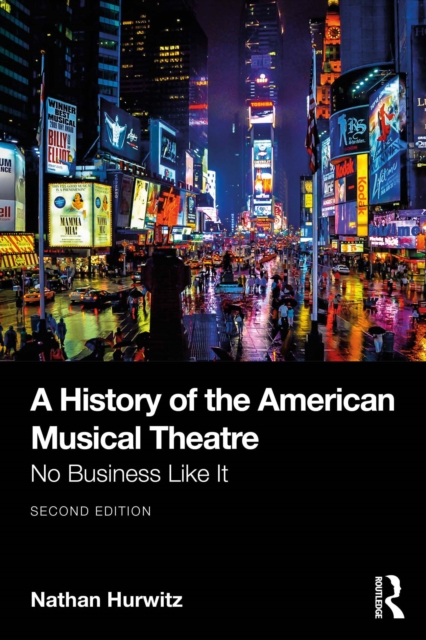
From the diverse proto-musicals of the mid-1800s, through the revues of the 1920s, the a true musicals of the 1940s, the politicization of the 1960s, the a mega-musicals of the 1980s, and the explosive jukebox musicals of the 2010s and 20s, every era in American musical theatre reflected a unique set of socio-cultural factors.
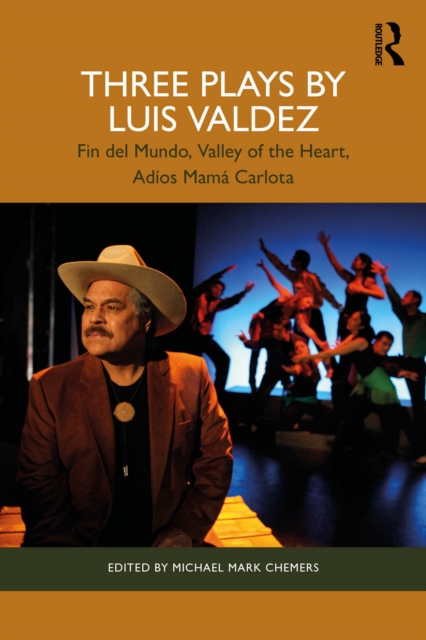
Collecting together Fin del Mundo, Valley of the Heart, and Adios Mama Carlota, this book compiles the latest plays of Luis Valdez and explores how they stand to be considered masterpieces by the man who brought the world Zoot Suit and La Bamba.
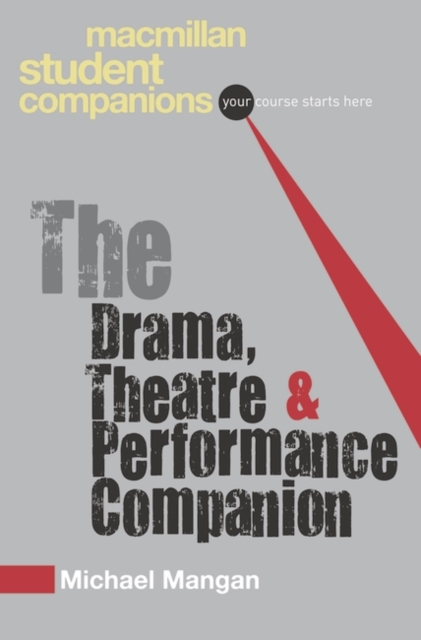
This complete companion to the study of drama, theatre and performance studies is an essential reference point for students undertaking or preparing to undertake a course either at university or at drama school.
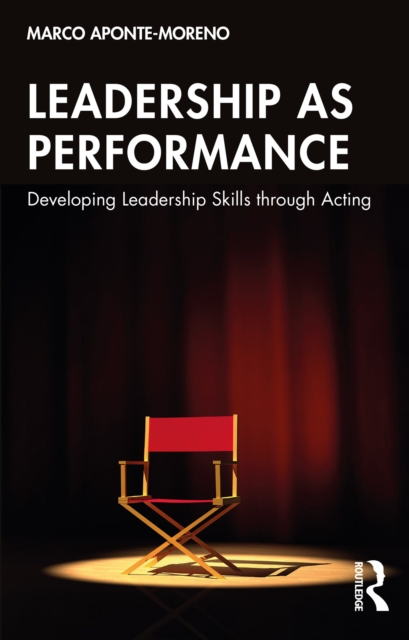
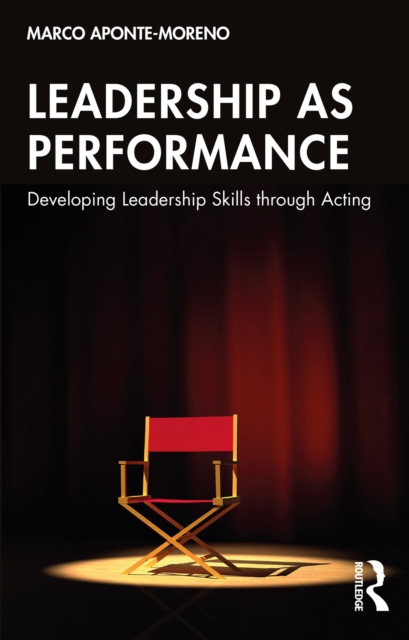
Leadership as Performance: Developing Leadership Skills through Acting is based on the premise that leadership is a performance, a role played by leaders to inspire followers to achieve a shared goal.
Leadership as Performance: Developing Leadership Skills through Acting is based on the premise that leadership is a performance, a role played by leaders to inspire followers to achieve a shared goal.
Written by Barry Singer-one of contemporary musical theater's most authoritative chroniclers-Ever After was originally published in 2003 as a history of the previous twenty-five years in musical theater, on and off Broadway.
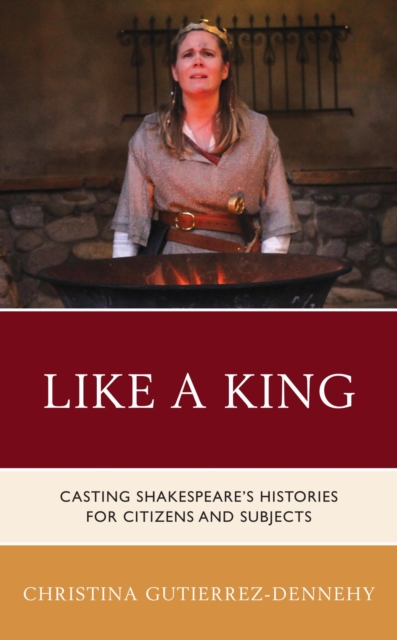
Like a King: Casting Shakespeare's Histories for Citizens and Subjects is a dual examination of Shakespeare's history plays in their early modern production contexts and of the ways the histories can speak directly to twenty-first-century American political and social concerns.
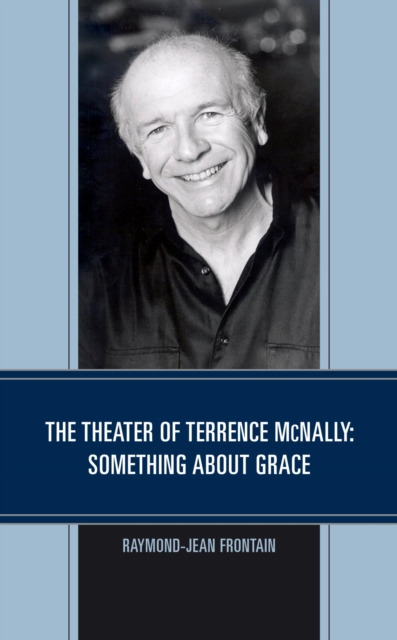
Terrence McNally's canon of plays, books for musicals and opera libretti possesses such a breadth of subject matter and diversity of dramatic modes that critics have had difficulty assessing his accomplishment.
The collection, edited by Annalisa Castaldo and Rhonda Knight, features essays by scholars interested in exploring how the material culture of sixteenth and early seventeenth English theatrical culture influenced the creation and presentation of drama and how understanding this culture can enrich scholars' current interactions with these plays as well as offer insights to actors and directors.
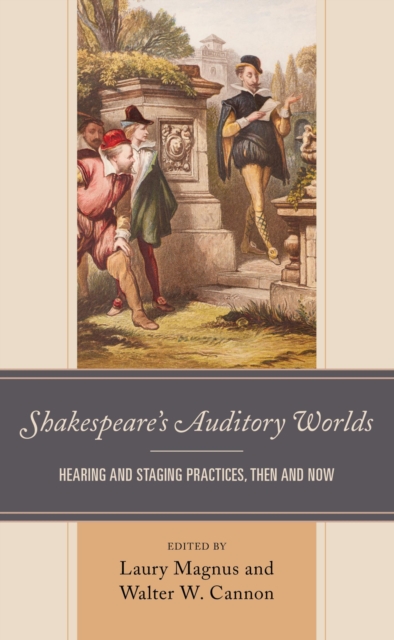
Inspired by the verbal exuberance and richness of all that can be heard by audiences both on and off Shakespeare's stages, Shakespeare's Auditory Worlds examines such special listening situations as overhearing, eavesdropping, and asides.
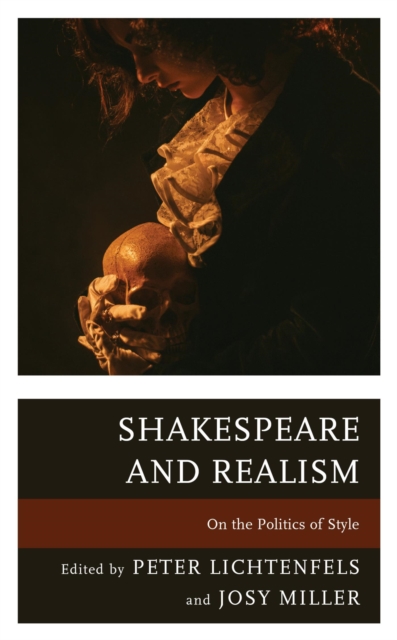
This collection of essays examines the works of the most famous writer of plays in the English language within the most culturally pervasive genre in which they are performed.
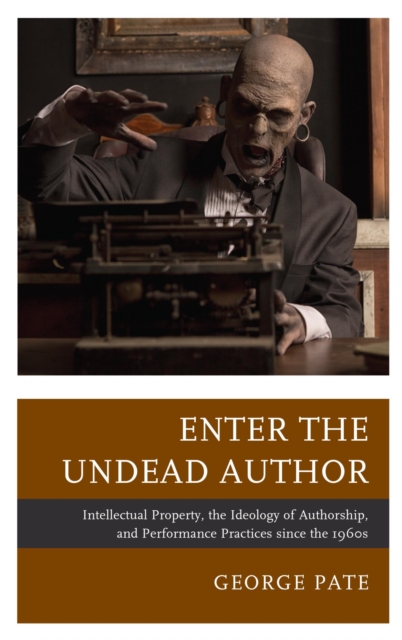
Many narratives of theater history suggest that the 1960s marked the start of a turning away from traditional, script-based, playwright-centric production practices.
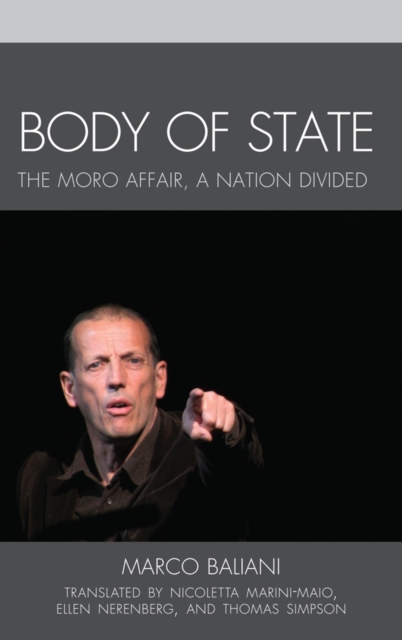
Body of State offers a translation of Marco Baliani's acclaimed dramatic monologue, Corpo di stato, concerning the 1978 kidnapping and assassination of Italian Prime Minister Aldo Moro by the terrorist Red Brigades.
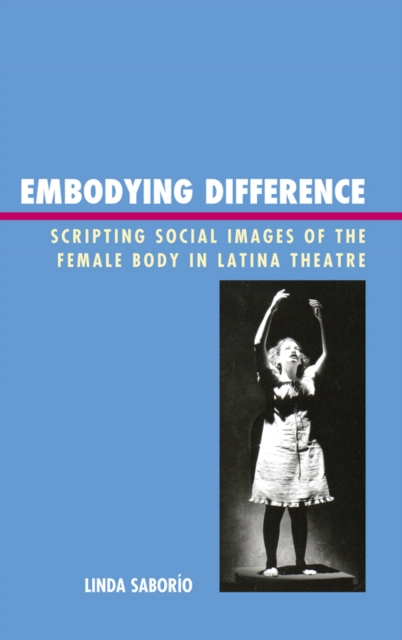
Embodying Difference: Scripting Social Images of the Female Body in Latina Theatre explores contemporary theatrical productions by Latina dramatists in the United States and focuses on the effects that neoliberal politics, global market strategies, gender formation, and racial and ethnic marginalization have had on Latinas.
From the diverse proto-musicals of the mid-1800s, through the revues of the 1920s, the a true musicals of the 1940s, the politicization of the 1960s, the a mega-musicals of the 1980s, and the explosive jukebox musicals of the 2010s and 20s, every era in American musical theatre reflected a unique set of socio-cultural factors.
Collecting together Fin del Mundo, Valley of the Heart, and Adios Mama Carlota, this book compiles the latest plays of Luis Valdez and explores how they stand to be considered masterpieces by the man who brought the world Zoot Suit and La Bamba.
This book examines musical variety clowns and the broad array of racial and ethnic impersonations they performed on four distinct touring circuits and apparatuses: the African American Theatre Owners Booking Association (TOBA), the Chinese American so-called Chop Suey Circuit, the Mexican and Mexican American carpas tours, and Country American barn dances.
This succinct and engaging text rethinks the common wisdom that festivals, sites of collective celebration and play, provide a temporary reprieve from the grind of everyday, 'real' life.