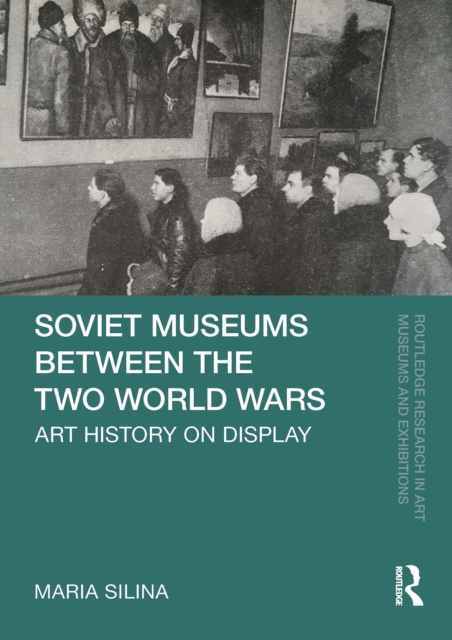
Examining the history of Soviet museums in the 1920s and 1930s, this book engages with the core problem of interwar museology: adequately representing the historical development of art to create a plausible and coherent version of its evolution.
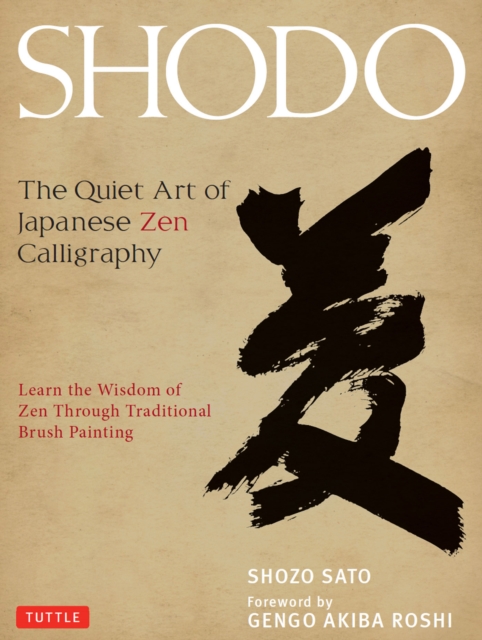
In this beautiful and extraordinary zen calligraphy book, Shozo Sato, an internationally recognized master of traditional Zen arts, teaches the art of Japanese calligraphy through the power and wisdom of Zen poetry.
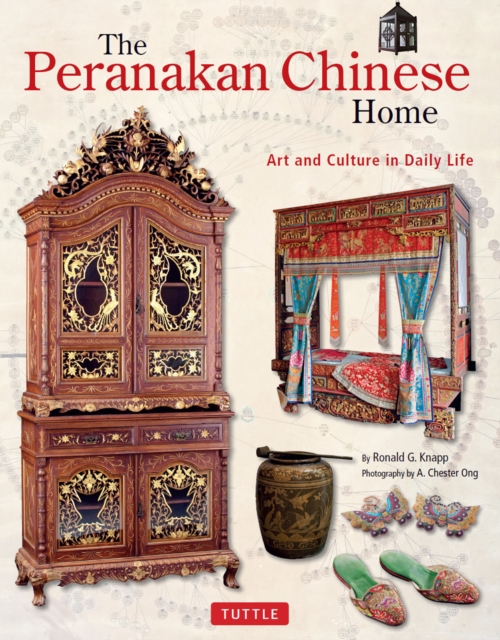
Discover the rarified Peranakan (native-born Chinese of Southeast Asia) aesthetics that are today highly sought-after for their beauty: distinctive furniture and ceramics, textiles and jewelry, and many other art objects.
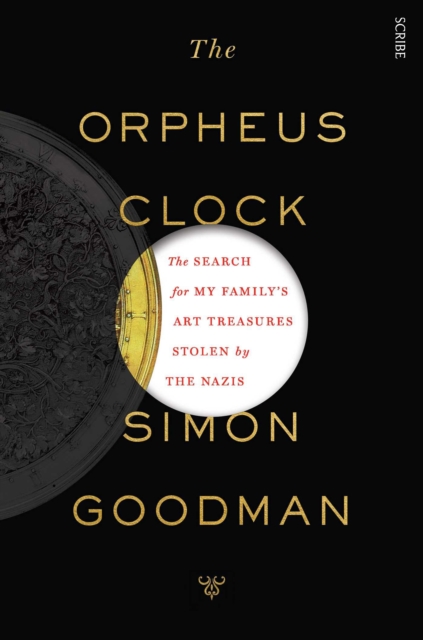
The passionate, gripping true story of one man's single-minded quest to reclaim what the Nazis stole from his family - their beloved art collection - and to restore their legacy.
The story of the American Quilt Trail, featuring the colorful patterns of quilt squares painted large on barns throughout North America, is the story of one of the fastest-growing grassroots public arts movements in the United States and Canada.
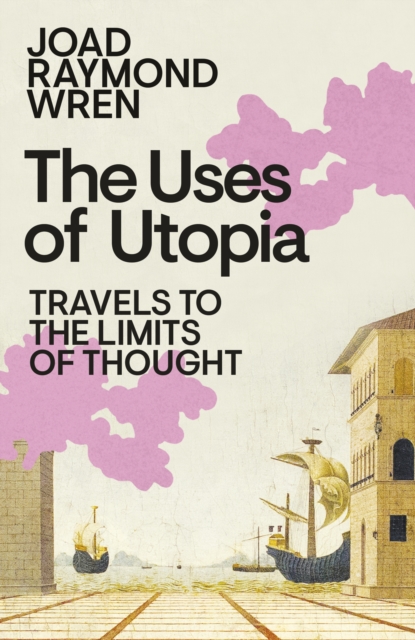
'This fascinating intellectual history of imagined paradises takes us from Thomas More to Ursula K Le Guin' (Guardian)Utopia is not somewhere you can go.
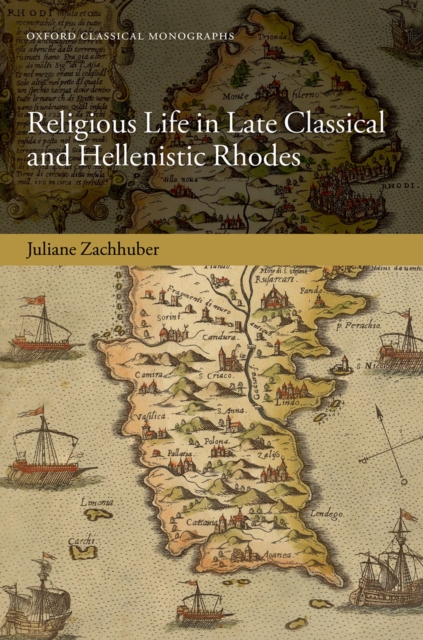
The ancient state of Rhodes was famous for many things in the Hellenistic period; it emerged as an economic powerhouse thanks to its strategic position on maritime trade routes, its status further bolstered by its proud independence in an era of great kings, and its cultural successes and heritage celebrated by contemporaries as well as later writers.
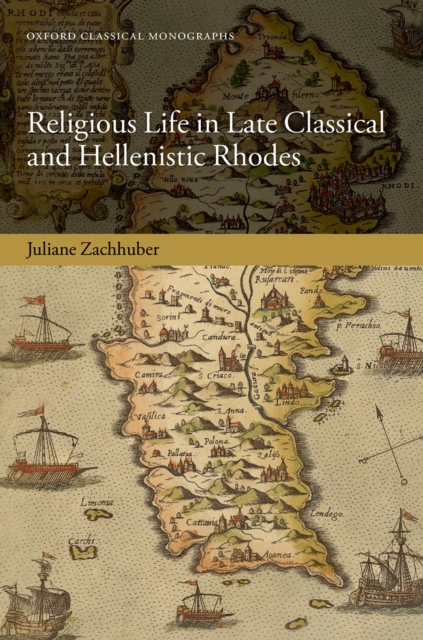
The ancient state of Rhodes was famous for many things in the Hellenistic period; it emerged as an economic powerhouse thanks to its strategic position on maritime trade routes, its status further bolstered by its proud independence in an era of great kings, and its cultural successes and heritage celebrated by contemporaries as well as later writers.
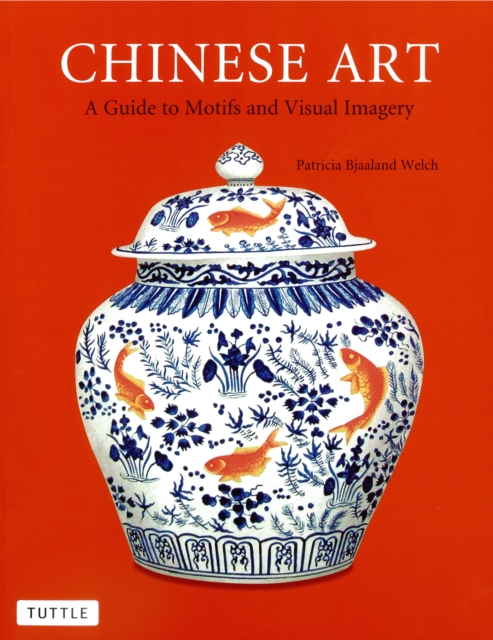
With over 630 striking color photos and illustrations, this Chinese art guide focuses on the rich tapestry of symbolism which makes up the basis of traditional Chinese art.
Moving from the Near East and Middle East (or Western Asia) across to the Pacific and Oceania by way of India, China and Japan, this beautifully illustrated book looks at 100 of the most fascinating works of art to have been created throughout this vast geographical area.
In this astounding collection of interviews, the leading philosophical theologians of our time answer questions about their own formation and their vision of the field.
In this astounding collection of interviews, the leading philosophical theologians of our time answer questions about their own formation and their vision of the field.
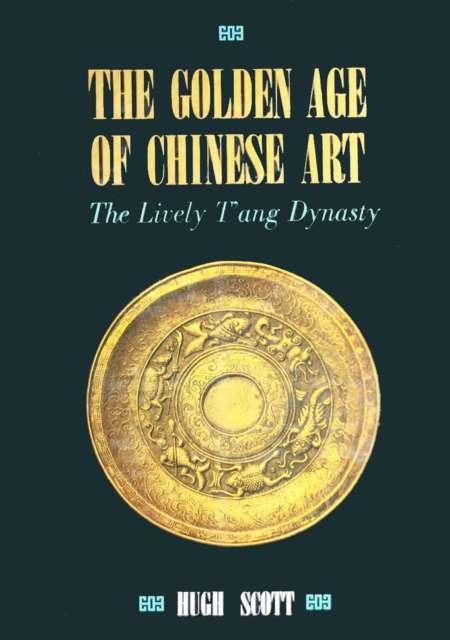
For almost three hundred years the noble T'ang Dynasty fostered a period of artistic and intellectual endeavor which has never been equaled in the history of China.
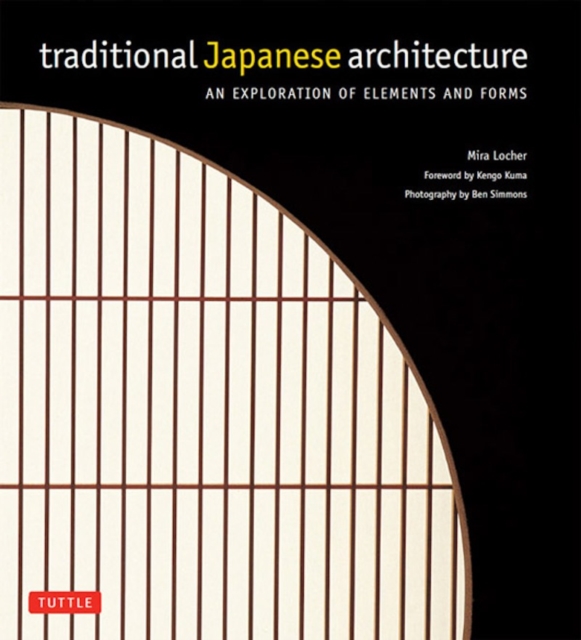
By examining the Japanese history of buildings and building designs from prehistory to modern day, lovers of Japan will develop a deeper understanding and appreciation of this island country.
By the end of the eighteenth century, the arts had been surveyed by an unprecedented series of major works on literature, music, and painting of which the author or this book provides a rich and comprehensive analysis.
Continuing with the theme of his work Renaissance Perspectives in Literature and the Visual Arts, Murray Roston applies to a later period the same critical principle: that for each generation there exists a central complex of inherited ideas and urgent contemporary concerns to which each creative artist and writer responds in his or her own way.
Blackjackal is a new three card game that takes quick analytic thinking from blackjack, table aggression and blluffing from hold 'em poker and transports the player to the hot savanna of a new and fierce gambling experience.
"En este libro se aborda la relación entre el enorme, extraordinario y a veces desconcertante corpus de Goya y las cuestiones interconectadas de la Modernidad, la Ilustración y la crítica.
This captivating sequel traces a young prince's turbulent quest for authentic passion amid royal shackles as he spurns an arranged betrothal to an Austrian princess viewing it as chains on his spirit.
This is a vivid portrait of the French historical profession in the nineteenth and early twentieth centuries, concluding just before the emergence of the famous Annales school of historians.
Written over a century ago when Japan was abandoning its rich traditions to embrace the hysteria of colonization, this classic written by Okakura Kakuzo helped preserve the masterpieces of Japanese art and culture by illuminating the spirit of the Japanese Tea Masters.
In this examination of the role of ornament in nineteenth-century French literature, Rae Beth Gordon shows that ornament, far from being a simple accessory, raises problems that are at the very heart of aesthetic experience: limits and their transgression, illusion and seduction, pleasure and tension, harmony and confusion, excess and marginality.
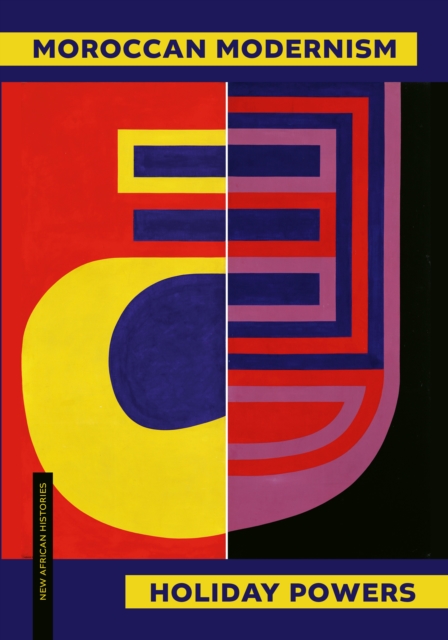
This groundbreaking study of Moroccan modernism in the visual arts contextualizes the work in terms of postcolonial struggles and a constellation of contemporary artistic movements.
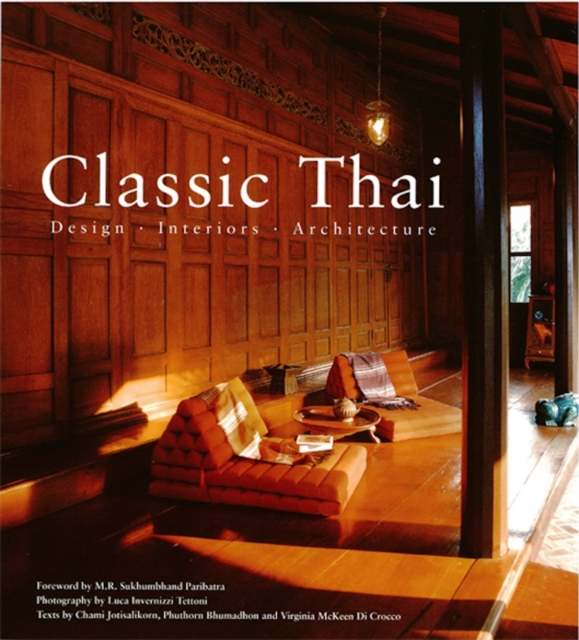
With over 350 full-color photographs and in-depth text, Classic Thai showcases the finest interior design art and architecture of the Kingdom of Thailand.
This groundbreaking study of Moroccan modernism in the visual arts contextualizes the work in terms of postcolonial struggles and a constellation of contemporary artistic movements.
Studienarbeit aus dem Jahr 2022 im Fachbereich Kunst - Kunstgeschichte, Note: 1,3, Universität Vechta; früher Hochschule Vechta (Kulturwissenschaft und Kunst), Veranstaltung: Wissenskulturen: 1945, 1968 und unsere breite Gegenwart.
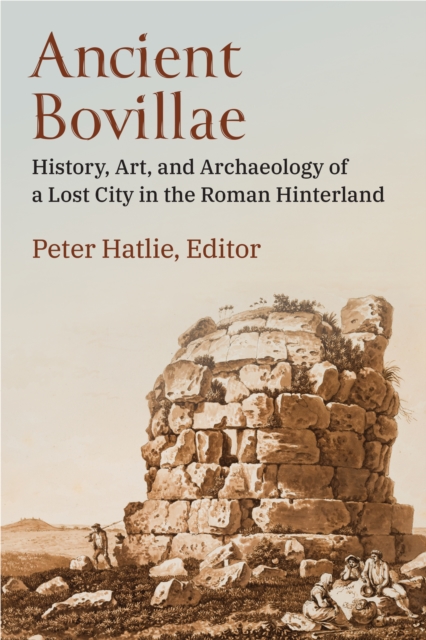
Ancient Bovillae is the first comprehensive study in English about the ancient city south of Rome that flourished for centuries before eventual abandonment.
In a major analysis of pictorial forms from the late Middle Ages to the Enlightenment, Christopher Braider argues that the painted image provides a metaphor and model for all other modes of expression in Western culture-particularly literature, philosophy, religion, and science.