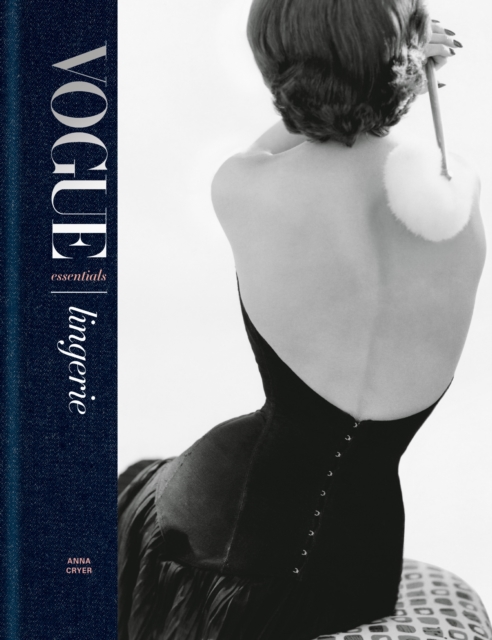
'From silk slips to bondage bras and Kate Moss' barely-there vest top - the evolution of lingerie over 100 years of Vogue's history is revealed in a stunning new book.
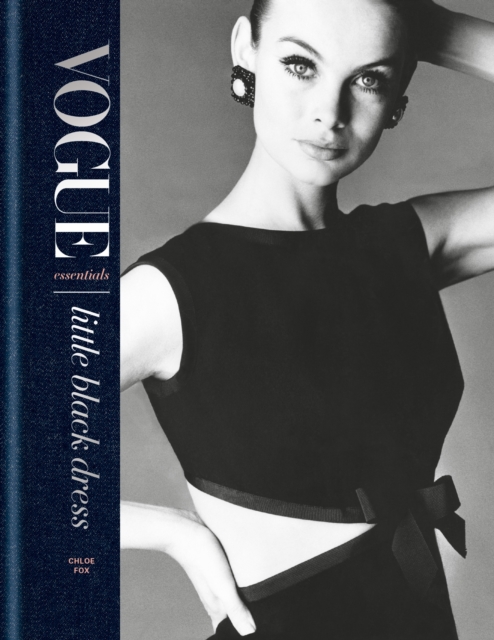
'One is never over-dressed or under-dressed with a Little Black Dress'Karl LagerfeldNinety years after Vogue dubbed Coco Chanel's simple short black 'Ford' dress 'the frock that all the world will wear', Chloe Fox celebrates the best LBDs in Vogue Essentials: Little Black Dress.
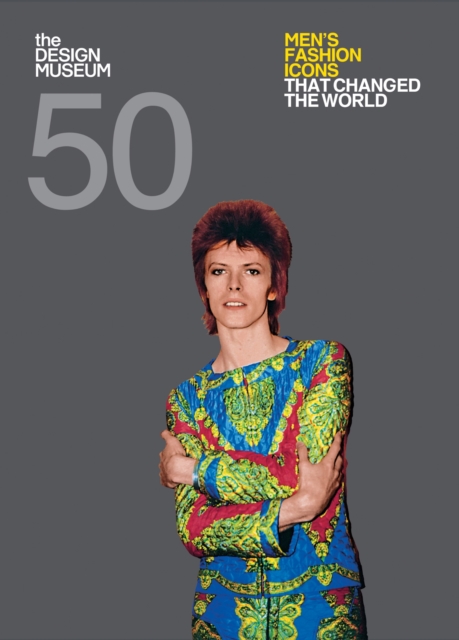
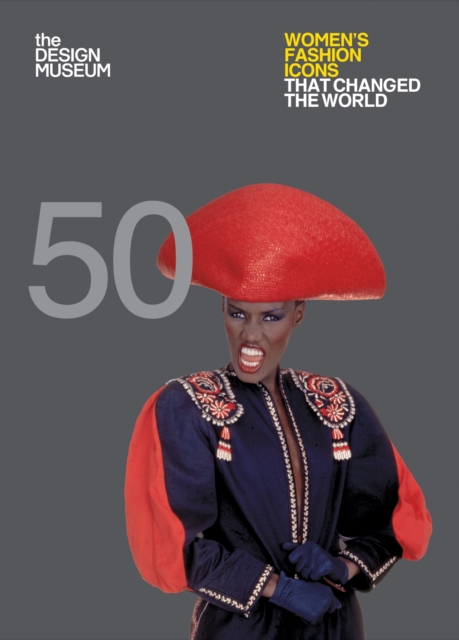
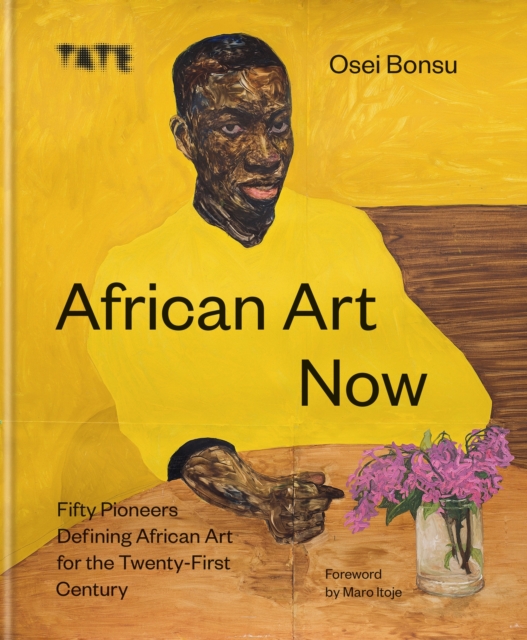
Painfully cool and instantly recognisable, the 50 style trailblazers in this collection used fashion to attract attention, gain influence, express themselves and make powerful statements.
The new colour bible: a gorgeously illustrated exploration of colour and the modern gaze, from an award-winning designer'One of the best books on colour I've read.
The story of modernity told through a cultural history of twentieth-century PragueSetting out to recover the roots of modernity in the boulevards, interiors, and arcades of the "e;city of light,"e; Walter Benjamin dubbed Paris "e;the capital of the nineteenth century.
In this unprecedented ‘fictive’ construction of the work of five imaginary artists from the 1980s, John Roberts produces an exhilarating theoretical encounter between futures past and futures present.
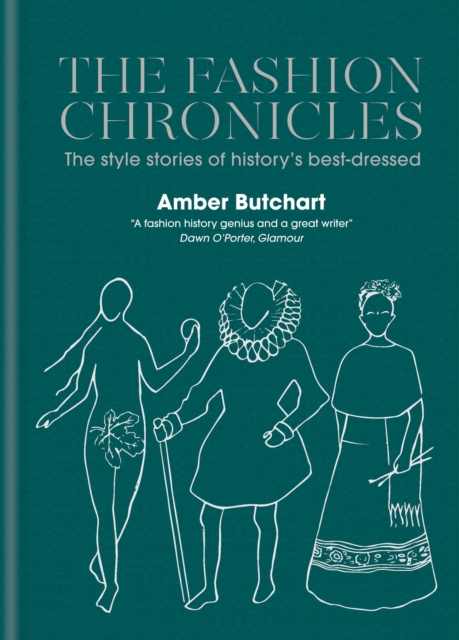
From BBC television and radio presenter Amber Butchart, The Fashion Chronicles is an exploration of 100 of the most fascinating style stories ever told.
A SUNDAY TIMES BOOK OF THE YEARThe ten years leading up to the First World War were the most exciting, frenzied and revolutionary in the history of art.
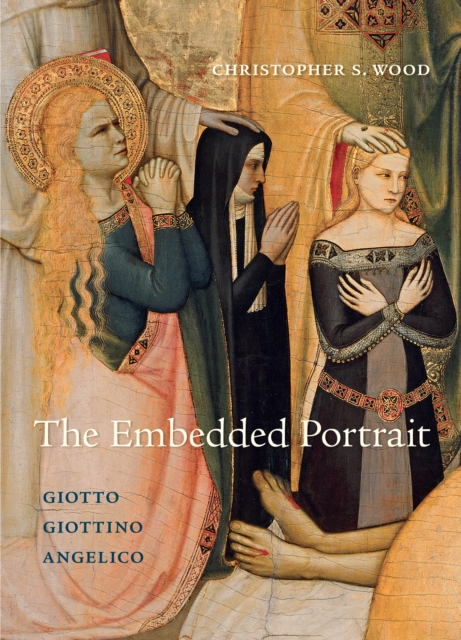
A new study of the early Renaissance portraitIn fourteenth-century Italy, ever more women and mennot only clergy but also laityintroduced their own portraits into sacred paintings.
A beautifully crafted overview of Western artistic tradition OR An exhilarating tour through Western artistic traditionArt has existed for as long as humankind, but defining it is famously difficult.