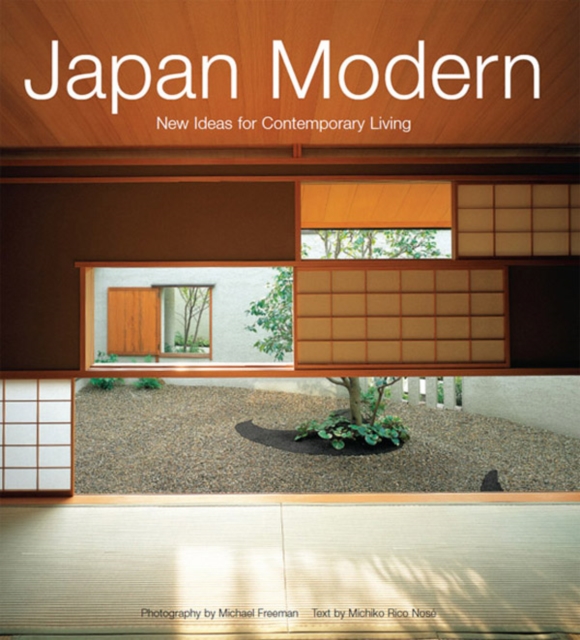
By examining the Japanese history of buildings and building designs from prehistory to modern day, lovers of Japan will develop a deeper understanding and appreciation of this island country.
Japanese Obi or "e;sashes"e; are colorful pieces of fabric that can be used to great effect in interior decorating as well as traditional Japanese dress.
In this richly illustrated study of the relationship of art, drama, and fiction in the nineteenth century, Martin Meisel illuminates the collaboration between storytelling and picturemaking that informed narrative painting, pictorial dramaturgy, and serial illustrated fiction.
By the end of the eighteenth century, the arts had been surveyed by an unprecedented series of major works on literature, music, and painting of which the author or this book provides a rich and comprehensive analysis.
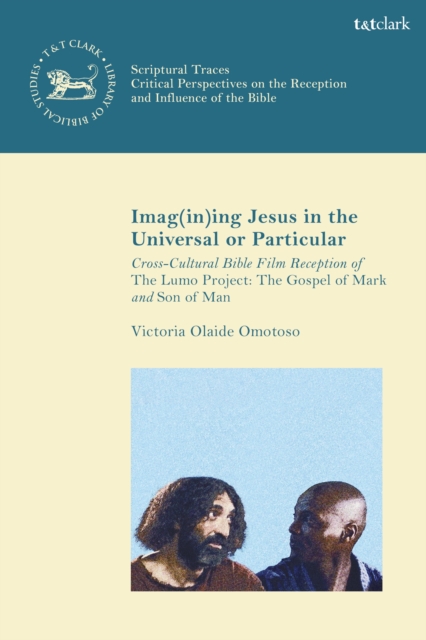
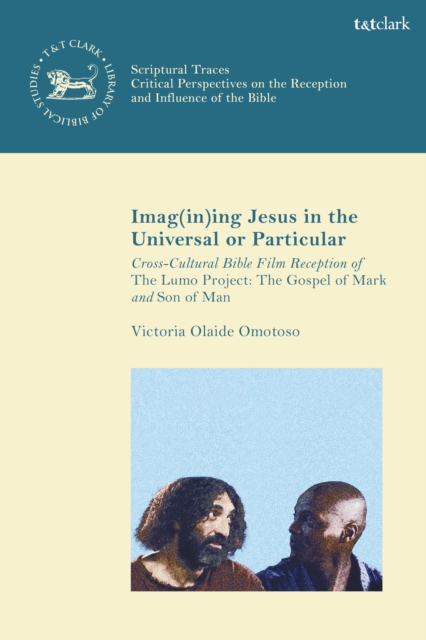
This volume is a critical exploration of cross-cultural Bible film reception presented through an analysis of the responses of UK and South African audiences to The Lumo Project: The Gospel of Mark (2014) and Son of Man (2006).
This volume is a critical exploration of cross-cultural Bible film reception presented through an analysis of the responses of UK and South African audiences to The Lumo Project: The Gospel of Mark (2014) and Son of Man (2006).
The name John Lennon immediately conjures up thoughts and images of the iconic sixties band 'The Beatles', the 'Let It Be' roof top concert, a pedestrian crossing at Abbey Road Studios, a white room, the song 'Imagine' and Yoko Ono.
Guy Sircello's analysis of the varieties of expression and his use of them to justify a particular view of the human mind clarify a number of controversial topics in contemporary philosophy, among them the notion of "e;artistic acts,"e; language as expression, the expression of ideas, expressions as "e;natural signs,"e; and the nature of the causal relationship between an expression and what is expressed.
A wide variety of essays by colleagues and former students reflect Professor Strunk's particular role as music historian, teacher, and a pre-eminent musicologist.
From Philip Henslowe to David Merrick, the producer or theatre manager has generally been seen as a combination of Shylock and Simon Legree, usurer and slavedriver, wholly concerned with profit and loss, indifferent to art and artists.
These volumes continue the only complete edition of the surviving correspondence of William Morris (1834- 1896), a protean figure who exerted a major influence as poet, craftsman, master printer, and designer.
In a systematic overview of classical and modern contributions to aesthetics, Professor Sparshott argues that all four lines of theory, and no others, are necessary to coherent thinking about art.
One of America's foremost contemporary composers, professor of music at the University of California, Roger Sessions here discusses the musical experience of the composer, the performer, the listener.
This book describes a colorful period in French social and cultural history, during which music and science combined to provide the intellectual and aesthetic spirit of the Age of Enlightenment with an enormous vitality.
This work explains how and why Japan supports a community of professional dancers, musicians, production companies, and visual artists that has nearly tripled in size during the past 25 years.
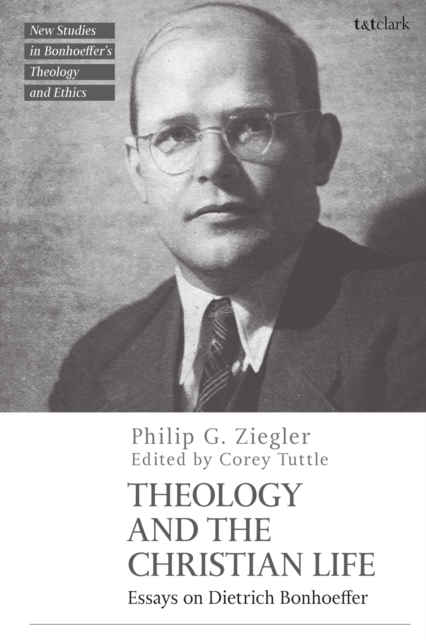
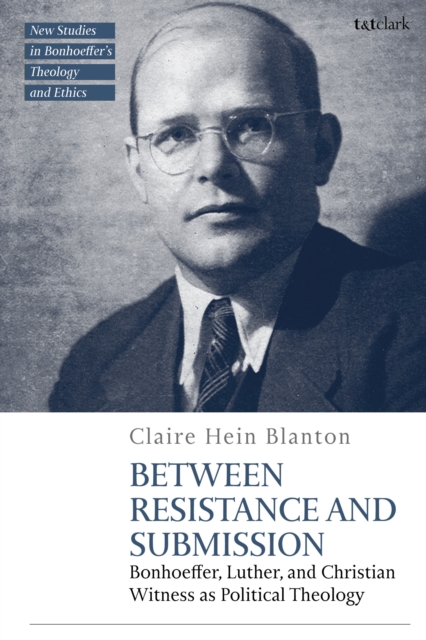
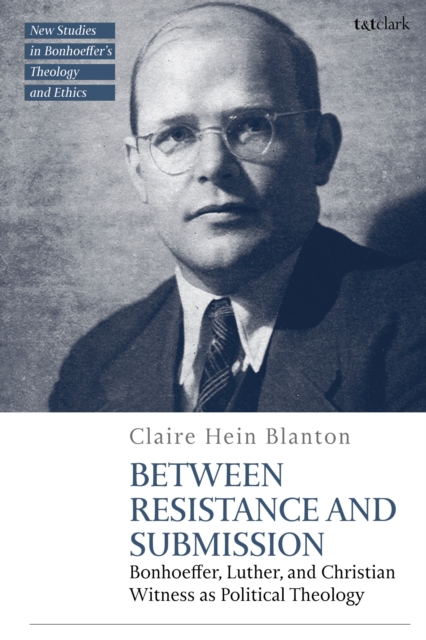
Offering a series of studies on key aspects of the Bonhoeffer's theology, this book emphasizes the biblical texture and dogmatic depth of his work and its continuing legacy.
In a comprehensive work with important implications for tuning theory and musicology, Easley Blackwood, a distinguished-composer, establishes a mathematical basis for the family of diatonic tunings generated by combinations of perfect fifths and octaves.
Starting from the assumption that all theater is at least implicitly participatory, Professor Whitaker approaches thirteen plays, from Ibsen's Rosmersholm to Beckett's Endgame and Stoppard's Rosencrantz and Guildenstern Are Dead.
A pioneer of stage naturalism, David Belasco has come to be universally recognized as one of the first important directors in the history of the American stage.
Well-known for leading audiences to a new appreciation of Verdi as a subtle and elaborate musical thinker, Pierluigi Petrobelli here turns his attention to the intriguing question of how musical theater works.
Focusing on the earliest and most extensive collection of tropes we now possess, those associated with the abbey of Saint Martial de Limoges in the tenth and early eleventh centuries, Professor Evans offers new conclusions about the nature and early development of the trope.
The roots and evolution of two concepts usually thought to be Western in origin-musica mundana (the music of the spheres) and musica humana (music's relation to the human soul)-are explored.
These volumes continue the only complete edition of the surviving correspondence of William Morris (1834- 1896), a protean figure who exerted a major influence as poet, craftsman, master printer, and designer.
Besides documenting the predominant presence of privileged patrons in the audience, the author discusses the shape of the privileged life, the place of the privileged in the social structure, the forces that drew so many of them to London, and the factors that made them such avid theatergoers.
The Lord JESUS CHRIST of Nazareth, just before concluding HIS earthly ministry and service, made a startling announcement to HIS chosen servants and disciples as recorded in the Gospel of St.
Francis James Child's English and Scottish Popular Ballads, published in ten parts from 1882 to 1898, contained the texts and variants of 305 extant themes written down between the thirteenth and nineteenth centuries.
With this volume, incorporating Ballads 244-305, Bertrand Harris Bronson completes his epic task of providing the musical counterpart to Francis James Child's collection of English and Scottish ballads.
Kurt Weitzmann demonstrates that the postulated miniatures of the handbook that goes under the name of Apollodorus migrated into other texts, of which the commentary of Pseudo-Nonnus--attached to several homilies of Gregory of Nazianzus--and the Cynegetka of Pseudo-Oppian are the most important.
This generously illustrated book records the story of Russia's bells--the thousands of awe inspiring instruments that gave voice to the visual splendors of Russian Orthodoxy and to the political aspirations of the tsars.
This book is a comprehensive study of the customary practices of English players of the period--how they lived and worked and were paid, organized, and cast for parts in the phenomenally popular theaters of England.
This book, a companion to the author's Pierrot: A Critical History of a Mask (Princeton, 1978), provides a detailed history of nineteenth-century French pantomime, from the feeries of Jean-Gaspard Deburau at the Theatre des Funambules to the cabaret entertainments of Georges Wague at the height of la Belle Epoque.
Perspectives on Schoenberg and Stravinsky is an analytical and historical study of the twentieth century's most influential figures, by Milton Babbitt, Arthur Berger, Edward T.
This handbook introduces the concept of transformational wisdom as the missing component to build a more sustainable future and address the world’s most pressing challenges.