Key Works on Radical Constructivism brings together a number of essays by Ernst von Glasersfeld that illustrate the application of a radical constructivist way of thinking in the areas of education, language, theory of knowledge, and the analysis of a few concepts that are indispensable in almost everything we think and do.
In this era of mandated high stakes and standardized testing, teachers and schools officials find themselves struggling to meet the demands for improved student achievement.
We know little about diverse youths' engagement in science outside of school, the form such engagement takes and its impact on science literacy development and identity as a potential insider to science.
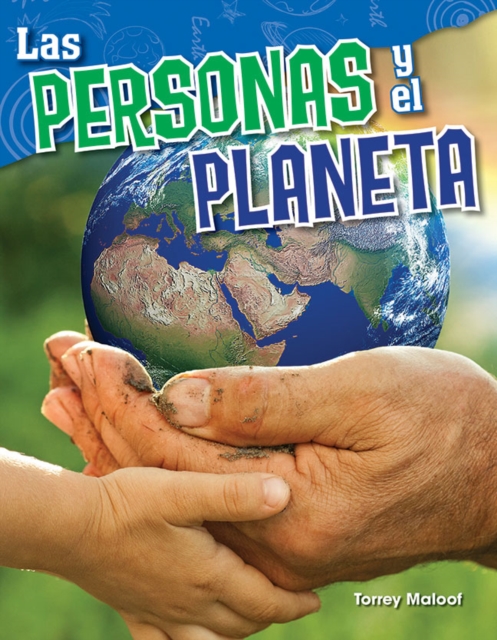
As more attention is devoted to the increasing and complex socio-ecological issues facing the planet, new insights and new ways of thinking are being sought about the learning and agency of children and adults in relation to these environmental concerns.

This book presents an international perspective on environmental educational and specifically the influence that context has on this aspect of curriculum.
The Meaning of Learning and Knowing, co-authored by Erik Jan van Rossum and Rebecca Hamer, brings together empirical studies on epistemology, student thinking, teacher thinking, educational policy and staff development forging a solid and practical foundation for educational innovation.
In Environmental Education: Identity, Politics and Citizenship the editors endeavor to present views of environmental educators that focus on issues of identity and subjectivity, and how 'narrated lives' relate to questions of learning, education, politics, justice, and citizenship.
This is a fully rewritten and extended version of the successful first edition of a textbook which focuses on consumer-driven food product innovation using a systems-oriented approach.
This book focuses on the talk of science classrooms and in particular on the ways in which the different kinds of interactions between teachers and students contribute to meaning making and learning.
The dominance of computer labs in our schools is the result of a long struggle among teachers and technicians for control of precious computer resources.
Research in environmental education (EE) is a growing field of inquiry and should be seen as respondent to a variety of program developments around the world.
The mission of the Knowles Science Teaching Foundation (KSTF), to increase the quantity of high quality high school science and mathematics teachers in United States High Schools, calls for a deeper understanding of what it takes to prepare and support successful teachers.
In the past twenty years, the development of technology education in France was complemented by a development of educational research in technological education.
Since its appearance in 1995, Authentic School Science has been a resource for many teachers and schools to rethink and change what they are doing in and with their science classrooms.
Science in secondary schools has tended to be viewed mainly as a 'practical subject', and language and literacy in science education have been neglected.
With a focus on STEM and late-breaking information, this book shows how scientists have made discoveries about Earth throughout history and how they will continue to do so in the future.
Gobi bears may just be the most unusual bears on the planet: they're the only bears that live in a desert, they eat mainly plants, and they're extremely rare.