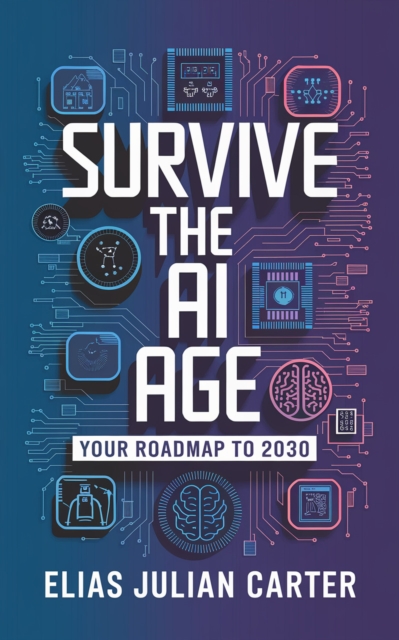
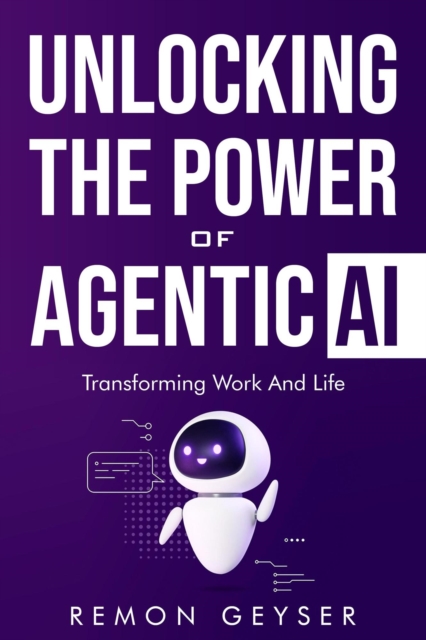
Navigate the Future with ConfidenceAs the world hurtles toward 2030, the transformational force of artificial intelligence becomes impossible to ignore.
Embrace the AI Revolution: Transform Your Life and FutureIn a rapidly evolving world where artificial intelligence reshapes the foundations of our daily lives, navigating the AI landscape is no longer optionalits essential.
Embrace the AI Revolution: Transform Your Life and FutureIn a rapidly evolving world where artificial intelligence reshapes the foundations of our daily lives, navigating the AI landscape is no longer optionalits essential.
Navigate the Future with ConfidenceAs the world hurtles toward 2030, the transformational force of artificial intelligence becomes impossible to ignore.
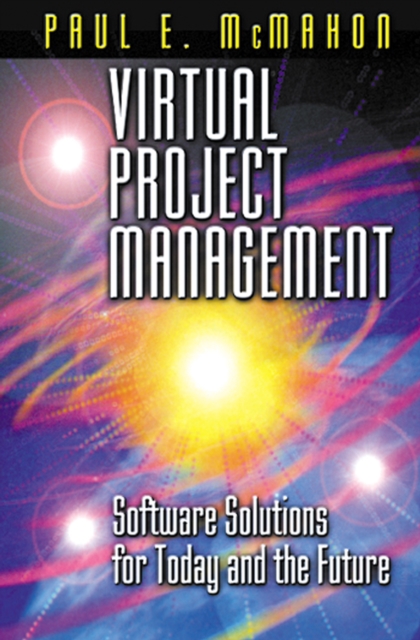
Virtual Project Management: Software Solutions for Today and the Future explores the technical management issues involved in the revolutionary new way of building complex software intensive systems faster and cheaper by employing the power of distributed operations.
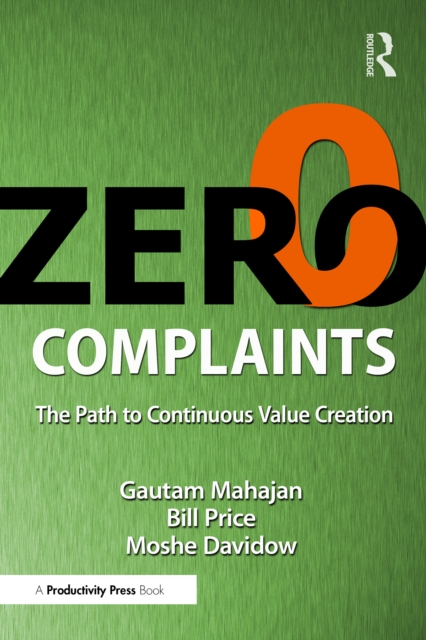
Zero Complaints: The Path to Continuous Value Creation is the ONLY book that lays out the importance for organizations to ensure their customers do not have a need to complain and share their frustrations with other customers.
Lean Manufacturing, the production method first popularized by Toyota, has often been reduced to charts and tools by many US manufactures -- they've abandoned the original intent of the methodology.
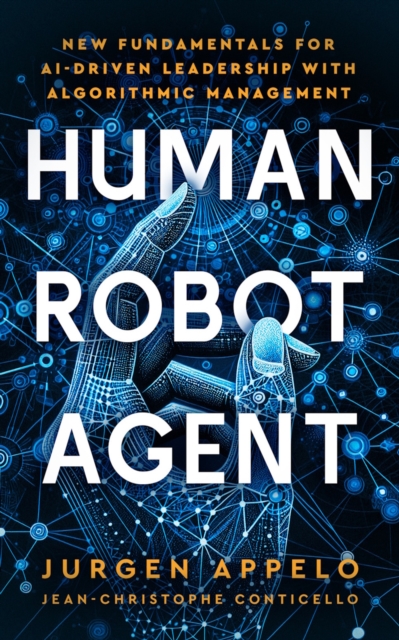
La humanidad se encuentra inmersa en un profundo proceso de trasformación: el humano tecnológico se convierte en una realidad tangible en la sociedad contemporánea.
The goal of Lean is to identify and eliminate nonessential and non-value-adding steps in business processes to streamline operations, improve quality, and gain customer loyalty.
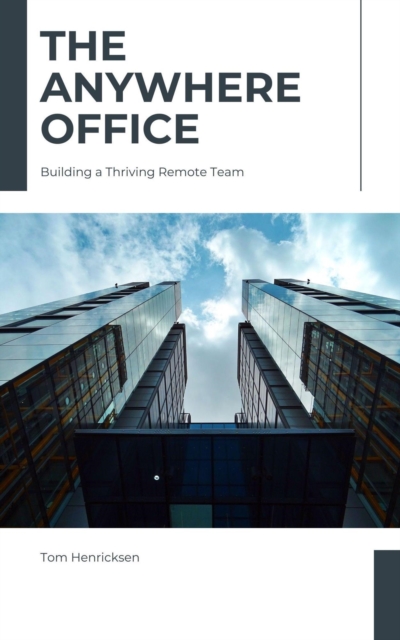
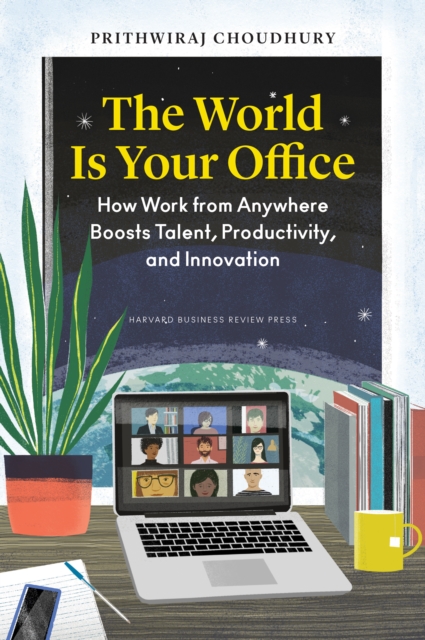
A National BestsellerA research-based deep dive into a growing phenomenoncompanies allowing employees to work from anywhereand how those who adopt this model can boost talent, innovation, and productivity.
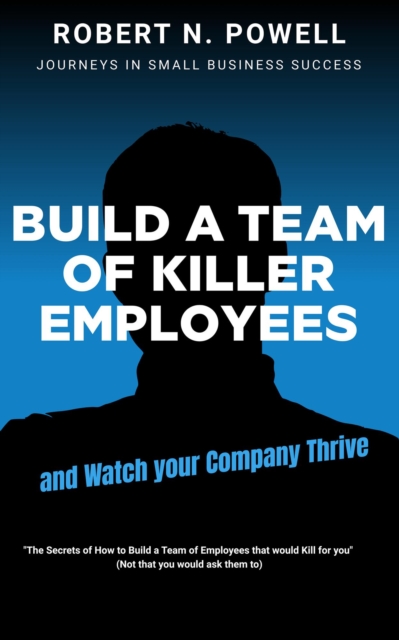
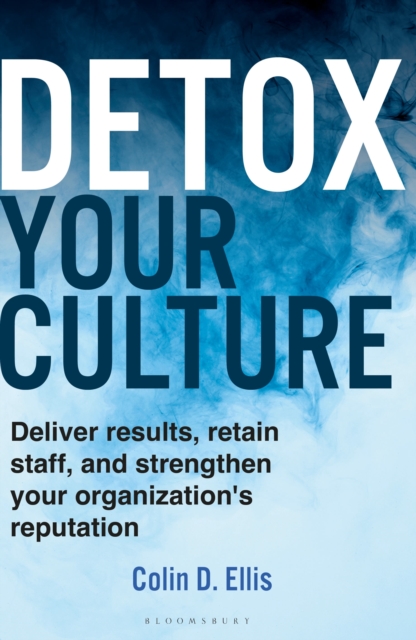
*Shortlisted for The Business Book Awards 2025*The essential guide for organizations to understand how toxic cultures form, identify the warning signs, and take effective action to address and prevent them.