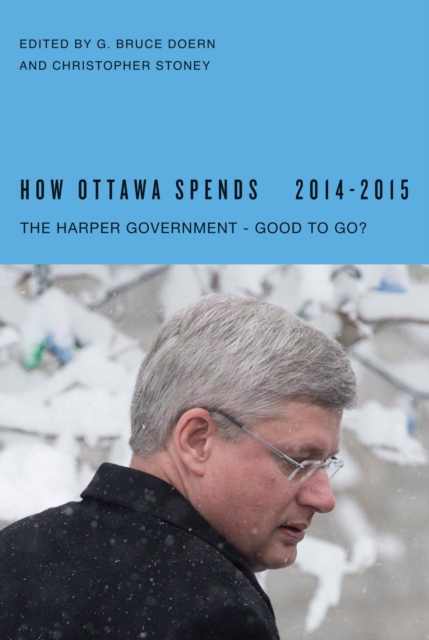
The 2014-15 edition of How Ottawa Spends critically examines national politics and related fiscal, economic, and social priorities and policies, with an emphasis on the now long-running Harper-linked Senate scandal and the serious challenges to Harper's leadership and controlling style of attack politics.
Ranging over 2,500 years of philosophical writing, this five-volume collection of essays is an unrivalled companion for studying and reading philosophy.
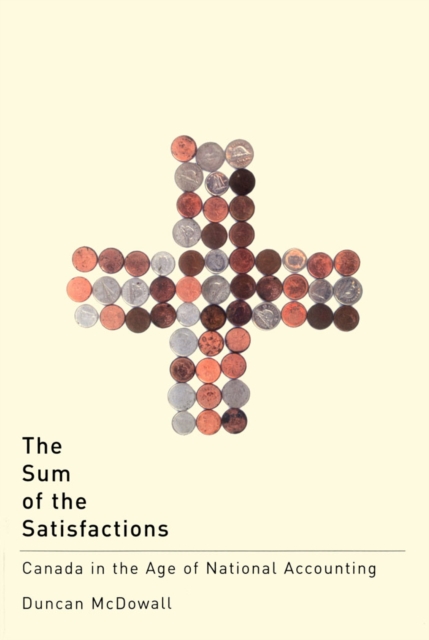
Determined to banish the ravages of the Depression, win the war, and build a better post-war world, Canadian academics and mandarins applied the ideas of Keynes and Kuznets to the Canadian predicament - a highly regionalized nation interested in building a society that harnessed both the private and public sector to the goal of economic stability and increased national wealth.
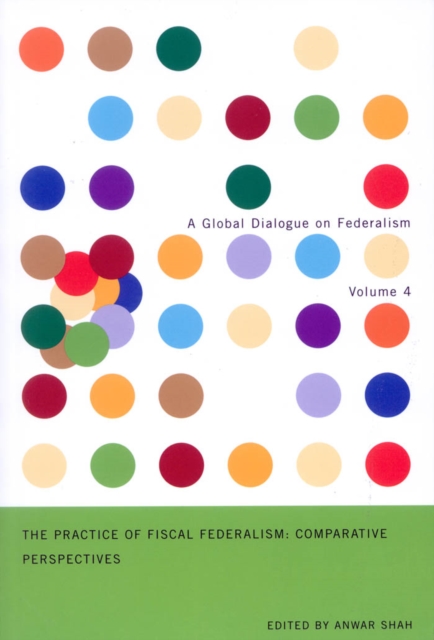
Contributors provide a fascinating account of how federal countries are confronting the traditional challenges of conflicts over division of fiscal powers while also coping with emerging challenges of globalization and citizen empowerment arising from the information revolution.
Voulant à tout prix éliminer la dévastation de la Grande dépression, gagner la guerre et construire un monde meilleur après-guerre, les académiciens et leaders canadiens appliquèrent les idées de Keynes et de Kuznets à la situation canadienne : une nation très régionalisée désirant bâtir une société recrutant les secteurs privé et public afin d'atteindre la stabilité économique et d'accroître les richesses du pays.
Voulant à tout prix éliminer la dévastation de la Grande dépression, gagner la guerre et construire un monde meilleur après-guerre, les académiciens et leaders canadiens appliquèrent les idées de Keynes et de Kuznets à la situation canadienne : une nation très régionalisée désirant bâtir une société recrutant les secteurs privé et public afin d'atteindre la stabilité économique et d'accroître les richesses du pays.
Determined to banish the ravages of the Depression, win the war, and build a better post-war world, Canadian academics and mandarins applied the ideas of Keynes and Kuznets to the Canadian predicament - a highly regionalized nation interested in building a society that harnessed both the private and public sector to the goal of economic stability and increased national wealth.
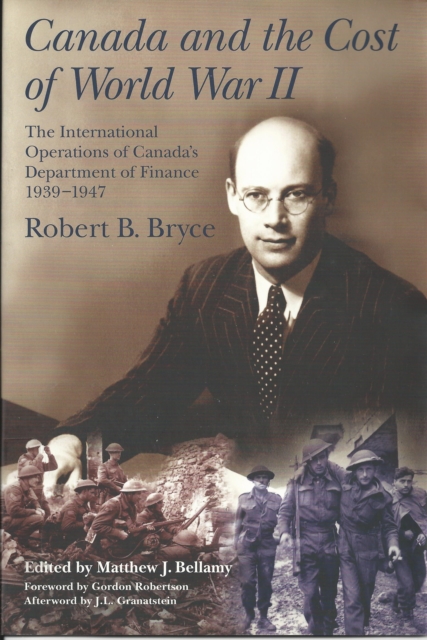
Bryce chronicles in splendid detail how the tiny and overburdened department in Ottawa worked behind the scenes to deal with the critical public policy challenges that accompanied World War II and postwar reconstruction.
Drawing on the work of academics and other experts from across Canada, Carleton University's School of Public Policy and Administration's annual book takes a focused and robust look at an era where a political coronation seemed inevitable but high expectations had to be managed downwards almost immediately.
MacKinnon, Canada's first female finance minister, provides keen observations on how personalities and shared regional perspectives cut across party affiliations in the evolution of federal-provincial deliberations on managing the debt crisis.
Arguing that the consequences of the unemployment crisis could have been avoided by better government policies, particularly less restrictive monetary control, the contributors examine the effect of the zero-inflation policy adopted by the Bank of Canada and the role of unemployment insurance on the unemployment crisis of recent years.
Basing his study on in-depth interviews with more than 130 companies across Canada, Jorge Niosi analyses the scope of collaborative research activities - both domestic and international - in the fields of biotechnology, electronics, advanced materials, and manufacturing of transportation equipment.
The deep recession and slow recovery of the Canadian economy in the 1980s and the lengthy recession of the early 1990s raised serious questions about economic policy making.
At the start of his career Innis set out to explain the significance of price rigidities in the cultural, social, and political institutions of new countries; by the end of his intellectual journey he had become one of the most influential critics of modernity.
Daub discusses both the rationale for the practice of forecasting and the methods commonly used, and traces the history of aggregate economic forecasting in Canada, examining the structure, conduct, and performance of the present forecasting "e;industry,"e; particularly the nature of demand and supply, pricing and promotion considerations, and profits and efficiency.
Ginter focuses on the years 1780 to 1832, a period for which many land tax records survive and precisely when modern forms of political organization began to emerge and when industrialization and enclosure are thought to have altered the fabric of society and the economy.
Based on a survey of all national business associations, and interviews with many interest-group executives, Business and Politics outlines the wide variety of roles assumed by interest groups in the Canadian policy process.
Orthodox economics has played a role in the gradual narrowing of the concept of man from a being involved with the fullness of life to "e;economic man"e; an efficiently functioning mechanism within present-day technological society.
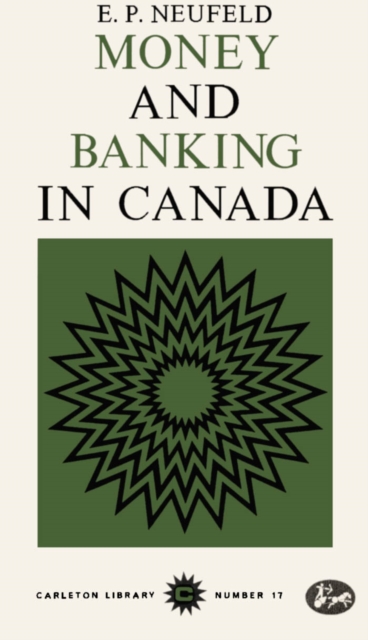
This collection of original documents, contemporary commentaries and articles outlines the major developments in the history of money and banking in Canada.
Contributors provide a fascinating account of how federal countries are confronting the traditional challenges of conflicts over division of fiscal powers while also coping with emerging challenges of globalization and citizen empowerment arising from the information revolution.
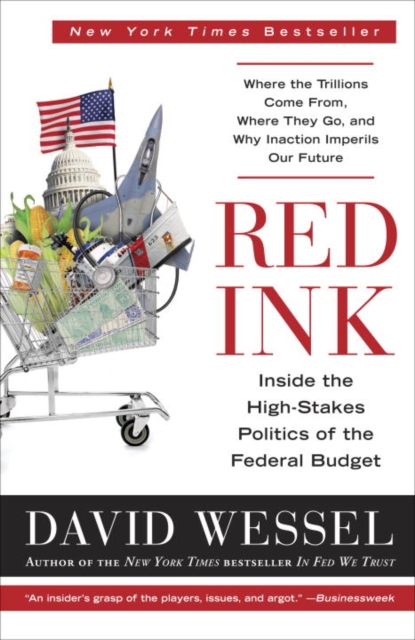
David Wessel, the Pulitzer-Prize-winning reporter, columnist, and bestselling author of In Fed We Trust, dissects the federal budget: a topic that is fiercely debated today in the halls of Congress and the media, and yet is misunderstood by the American public.
Answer your questions and maximise returns with this easy-to-follow tax guide The Taxpayers Guide 2014 2015: 26th Edition is the complete guide to understanding the Australian tax system.
An engaging and enlightening account of taxation told through lively, dramatic, and sometimes ludicrous stories drawn from around the world and across the agesGovernments have always struggled to tax in ways that are effective and tolerably fair.
Public debt in developing economies has increased dramatically over the last 20 years, with debt repayment obligations putting the livelihoods of millions of individuals at risk and threatening to stall progress toward lowering poverty rates and achieving long- term development objectives across many countries, especially in sub-Saharan Africa.
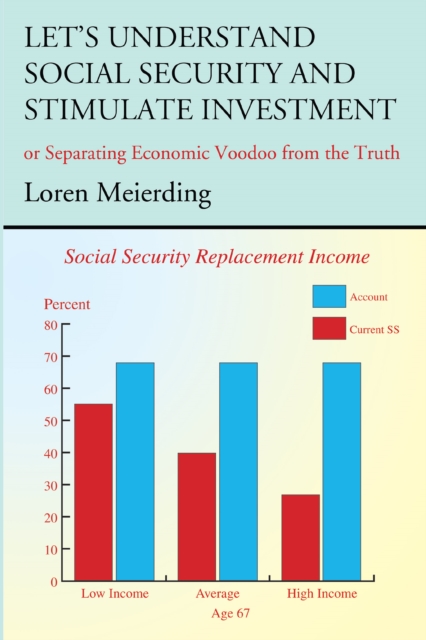
Let's Understand Social Security and Stimulate Investment cuts through the ambiguous and confusing statements in the debate about reforming Social Security to include personal retirement accounts.
How creditors came to wield unprecedented power over heavily indebted countries-and the dangers this poses to democracyThe European debt crisis has rekindled long-standing debates about the power of finance and the fraught relationship between capitalism and democracy in a globalized world.
The ultimate guide to running a tax-efficient home-based business Today, millions of people are making either a full- or part-time living selling things on Internet auction sites like eBay.
The Learning Annex Presents Small Business Basics If you're a small business owner, you probably dedicate the majority of your time to the day-to-day activities that keep your company up and running.
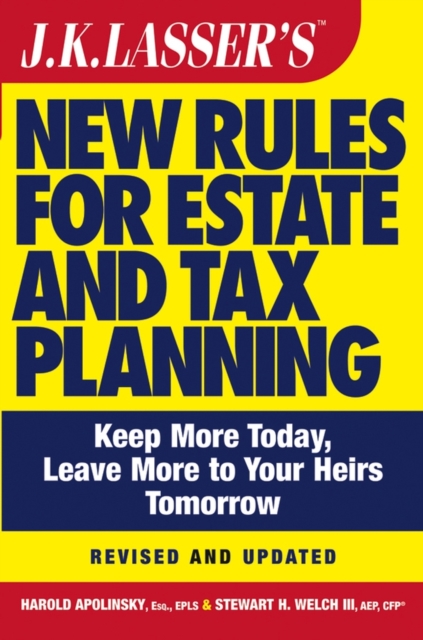
A complete guide to planning an estate under today's tax rules When it comes to your estate--no matter how big or small it may be--you shouldn't leave anything to chance.
A clear, concise explanation of United States tax law s international aspects In tackling a sometimes thorny set of laws and treaties, international tax expert Ernest Larkins emphasizes their economic effects, showing how to avoid hazards while reaping rewards which often go ignored.
A corporate guide to understanding the basic tax implications of everyday business Organized to cover the tax implications of transactions as they occur through a company's life cycle, the basic principles of tax management are applied through the use of case studies that simulate a variety of real-world marketplace conditions.