An examination of Latino/a immigrant farmers as they transition from farmworkers to farm owners that offers a new perspective on racial inequity and sustainable farming.
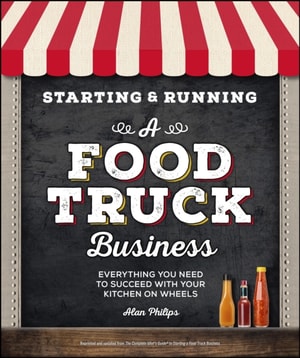
Become a mobile food mogul with advice from an industry expertThis book is fully stocked with everything you need to know to join the ranks of foodies-on-wheels.
Learn to start and run your own coffee bar with tips to brewing successThe caffeine-lover in you has always wanted to start your own coffee bar--and all the guidance you'll need is right here in your hands!
THE SUNDAY TIMES BESTSELLER A PRACTICAL, ACCESSIBLE GUIDE TO UNDERSTANDING THE SECRET TO LASTING WEIGHT LOSS AND HOW YOU CAN GET IN SHAPE WITHOUT COUNTING CALORIES 'A compelling look at the science of appetite and metabolism' Vogue'Fascinating science' ITV _______________What we've been told about our diet has been all wrong.
Nearly a century before it became known as Silicon Valley, the Santa Clara Valley was world-renowned for something else: the succulent fruits and vegetables grown in its fertile soil.
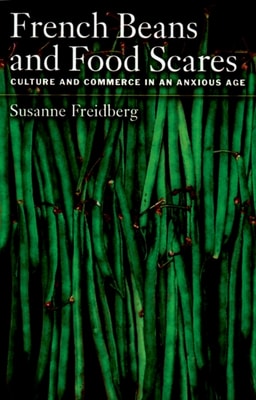
From mad cows to McDonaldization to genetically modified maize, European food scares and controversies at the turn of the millennium provoked anxieties about the perils hidden in an increasingly industrialized, internationalized food supply.
Why David Sometimes Wins tells the story of Cesar Chavez and the United Farm Workers' groundbreaking victory, drawing important lessons from this dramatic tale.
Nearly a century before it became known as Silicon Valley, the Santa Clara Valley was world-renowned for something else: the succulent fruits and vegetables grown in its fertile soil.
Evidence has been mounting for some time that intensive row-crop agriculture as practiced in developed countries may not be environmentally sustainable, with concerns increasingly being raised about climate change, implications for water quantity and quality, and soil degradation.
Why David Sometimes Wins tells the story of Cesar Chavez and the United Farm Workers' groundbreaking victory, drawing important lessons from this dramatic tale.
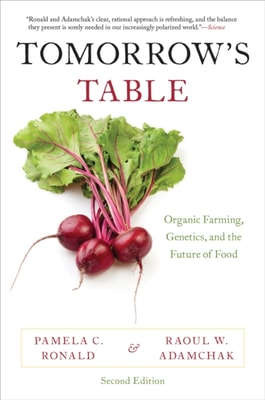
"e;Tomorrow's Table"e; argues that a judicious blend of two important strands of agriculture--genetic engineering and organic farming--is key to helping feed the world's growing population in an ecologically balanced manner.
"e;Tomorrow's Table"e; argues that a judicious blend of two important strands of agriculture--genetic engineering and organic farming--is key to helping feed the world's growing population in an ecologically balanced manner.
From mad cows to McDonaldization to genetically modified maize, European food scares and controversies at the turn of the millennium provoked anxieties about the perils hidden in an increasingly industrialized, internationalized food supply.
From farm to fork, the conventional food chain is under enormous pressure to respond to a whole series of new challenges - food scares in rich countries, food security concerns in poor countries, and a burgeoning problem of obesity in all countries.
This brand new Dictionary of Agriculture and Land Management addresses the increasing overlap between agricultural sectors and the demands of the management of rural land and property.
Plant intellectual property law is a complex proposition which stands apart from other intellectual property endeavours, and this book seeks to elucidate on the key issues involved.
Plant intellectual property law is a complex proposition which stands apart from other intellectual property endeavours, and this book seeks to elucidate on the key issues involved.
Evidence has been mounting for some time that intensive row-crop agriculture as practiced in developed countries may not be environmentally sustainable, with concerns increasingly being raised about climate change, implications for water quantity and quality, and soil degradation.
This book argues that Africa can feed itself in a generation and help contribute to global food security despite its history of persistent food shortages and the rising threat of climate change.
This book argues that Africa can feed itself in a generation and help contribute to global food security despite its history of persistent food shortages and the rising threat of climate change.
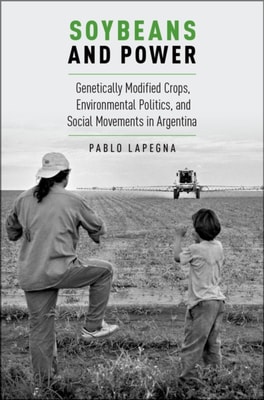
Although Argentina's use of genetically modified (GM) soybean seeds has spurred a major agricultural boom, it has also had a negative impact on many communities.
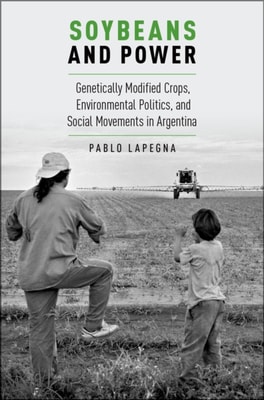
Although Argentina's use of genetically modified (GM) soybean seeds has spurred a major agricultural boom, it has also had a negative impact on many communities.