Este libro es un viaje de regreso, un retorno al origen de los mejores alimentos que nutren nuestra despensa, a los espacios donde se crían o cultivan, y a los paisajes que la humanidad ha modelado durante siglos para obtener sus mejores frutos en armonía con la naturaleza.
A collection of 120 fish and shellfish dishes, all made using accessible yet sustainable fish - from salmon and trout to bream and bass to mussels and crayfish.
Fish is currently THE rockstar ingredient - prized for its healthy benefits - but there is still a lot of fear surrounding its preparation and cooking.
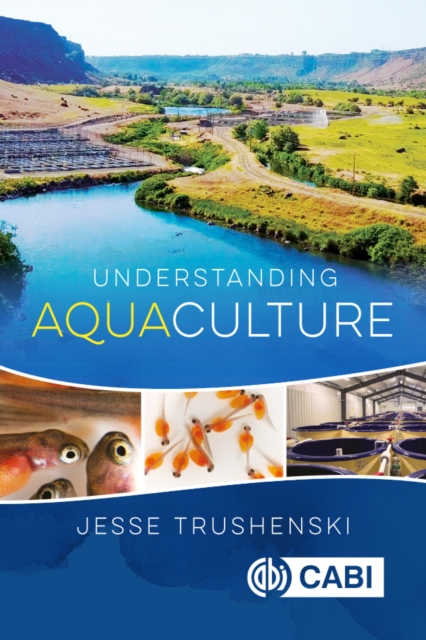
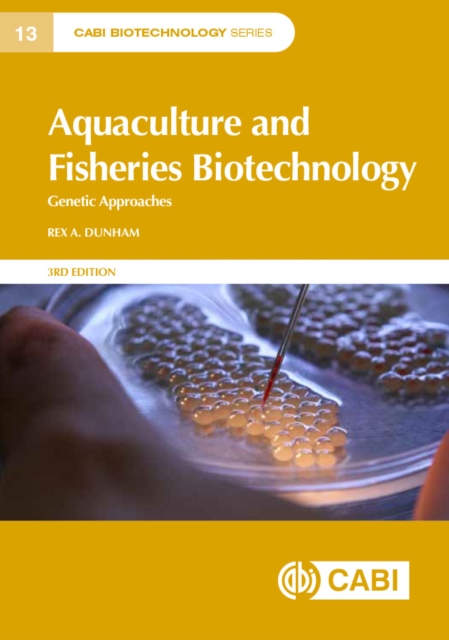
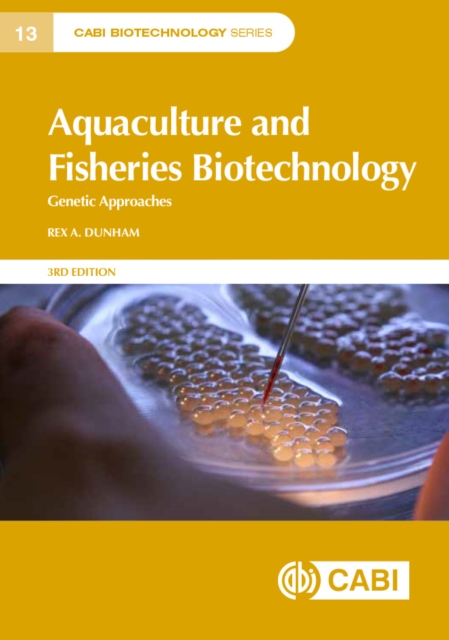
Aquaculture exemplifies the ongoing global struggle to strike a sustainable balance between the conflicting needs of a rapidly increasing world population, human health, ecosystem health, the welfare of wild and domesticated animals, and the economic principles of globalized economies.
The prominence of the carp group of fish is widely recognised in three important economic areas: food production, recreation and the ornamental market.
The freshwater eels, the Anguillids, have increasingly become the focus of attention for fisheries managers, scientists, researchers, policy makers, conservation bodies and other stakeholders.
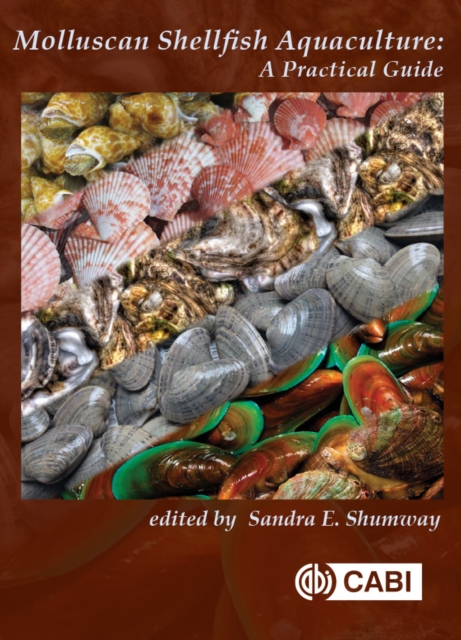
Molluscan Shellfish Aquaculture: A Practical Guide is a readable, useable, and com-prehensive source of information for all those interested in growing shellfish.
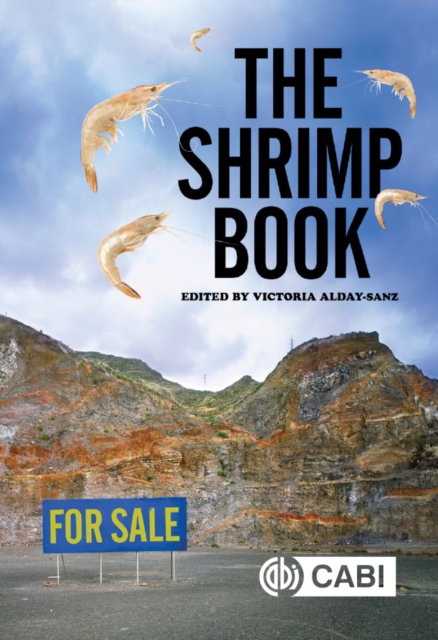
This new volume of The Shrimp Book is complementary to the first, bringing together new knowledge, new technologies, new perspectives and new ideas from 98 international authors, from both academia and industry.
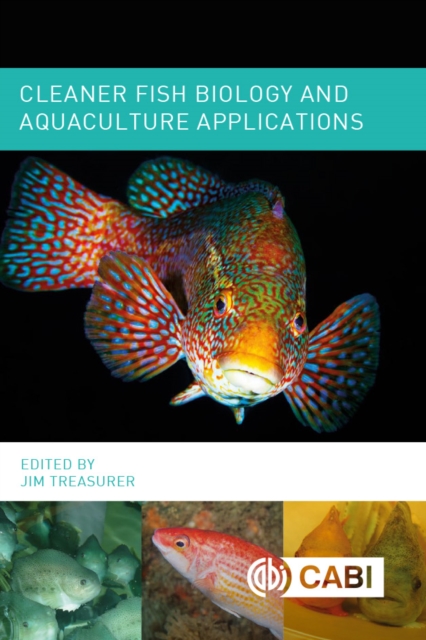
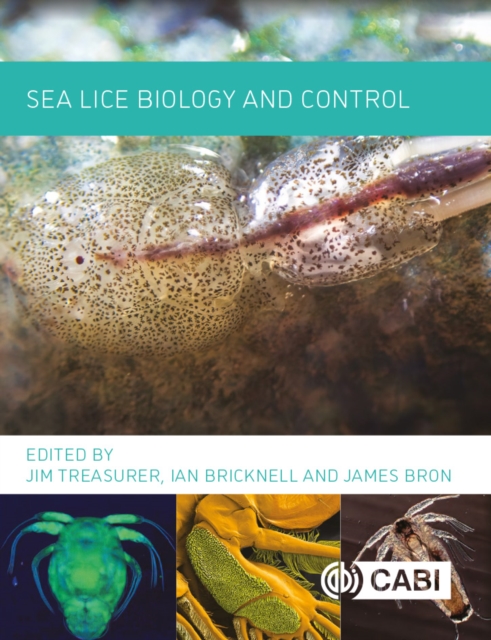
Cleaner fish are increasingly being deployed in aquaculture as a means of biological control of parasitic sea lice, and consequently the farming of wrasse and lumpfish, the main cleaner fish species in current use in salmon farming, is now one of the fastest expanding aquaculture sectors, with over 40 hatcheries in Norway alone.
This new volume of The Shrimp Book is complementary to the first, bringing together new knowledge, new technologies, new perspectives and new ideas from 98 international authors, from both academia and industry.
Molluscan Shellfish Aquaculture: A Practical Guide is a readable, useable, and com-prehensive source of information for all those interested in growing shellfish.
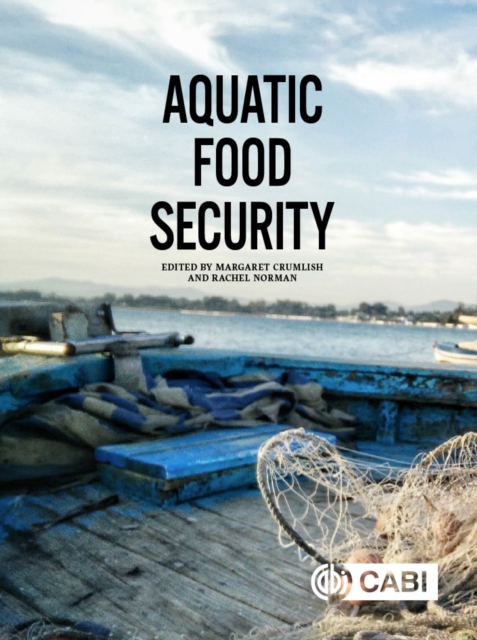
Aquatic Food Security explores a range of issues related to this subject using global examples to illustrate both the strengths and weaknesses within the existing aquatic food supply chain.
Aquatic Food Security explores a range of issues related to this subject using global examples to illustrate both the strengths and weaknesses within the existing aquatic food supply chain.
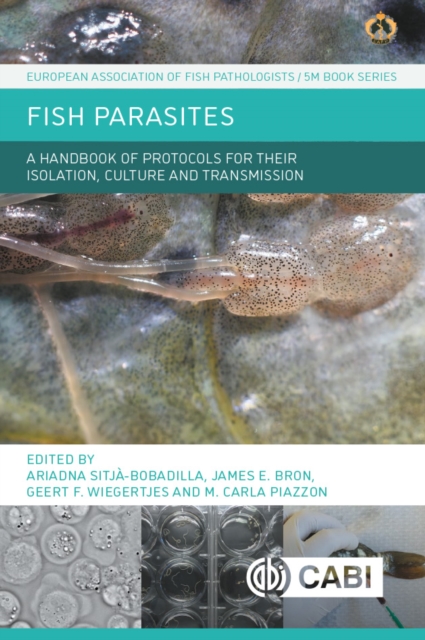
Good fish health and welfare are essential components of sustainable aquaculture and, in this regard, fish parasites constitute a major constraint to production.
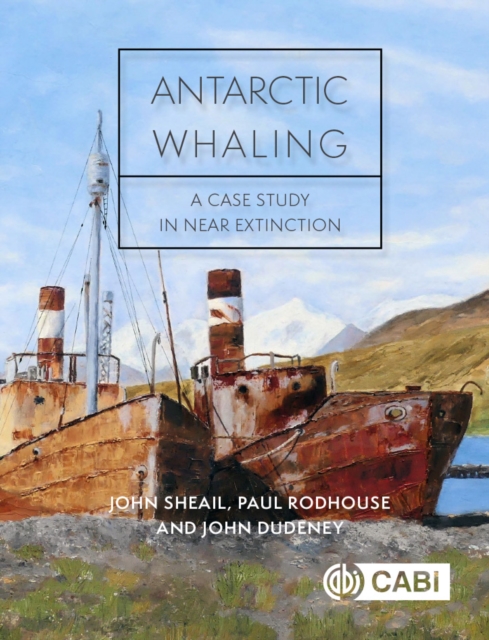
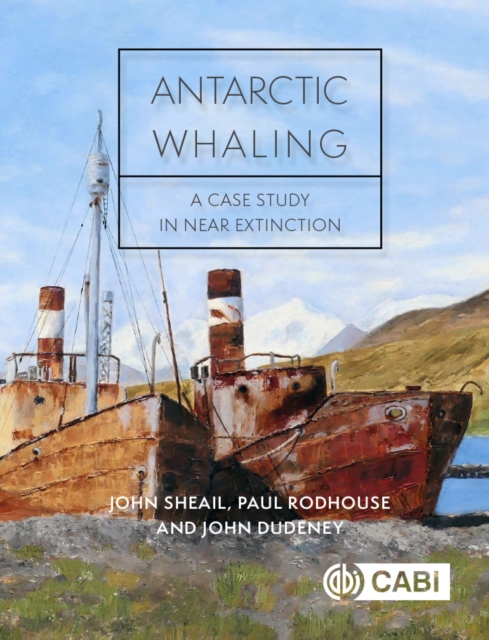
Antarctic Whaling explores how British whalers came to claim so large a share of the whales taken from the Southern Ocean in the first half of the twentieth century, and, more particularly, where, when, how and why the British Government came to play so large a part in whaling history through its endeavour to regulate the whaling grounds.
Antarctic Whaling explores how British whalers came to claim so large a share of the whales taken from the Southern Ocean in the first half of the twentieth century, and, more particularly, where, when, how and why the British Government came to play so large a part in whaling history through its endeavour to regulate the whaling grounds.
Tilapia are a group of cichlid fish endemic to tropical freshwater in Africa, Jordan and Israel, that are extremely nutritious and in high global demand.
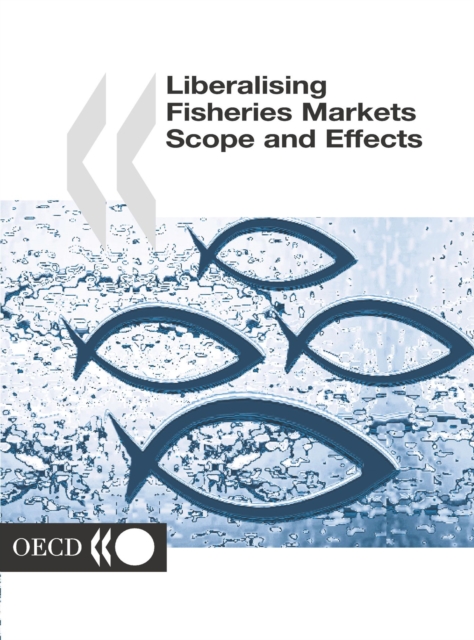
This publication reviews the significant changes that have taken place in the world fisheries sector and provides an in-depth analysis of the prospects for and potential effects of further market liberalisation in the sector.
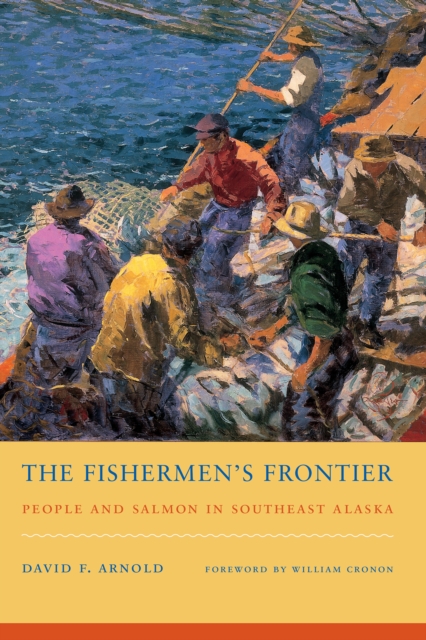
In The Fishermen's Frontier, David Arnold examines the economic, social, cultural, and political context in which salmon have been harvested in southeast Alaska over the past 250 years.
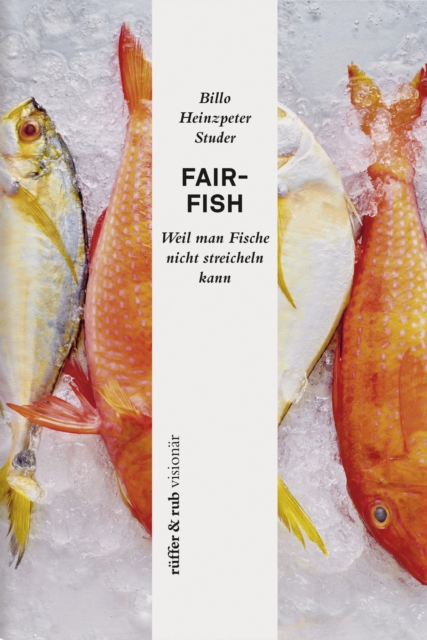
Billo Heinzpeter Studer widmet sich seit über 20 Jahren ganz den Fischen: "Fische hatten mich immer fasziniert und zugleich erbarmt, weil sie geringgeachtet und nur als Masse wahrgenommen werden - doch Fisch ist kein Gemüse!
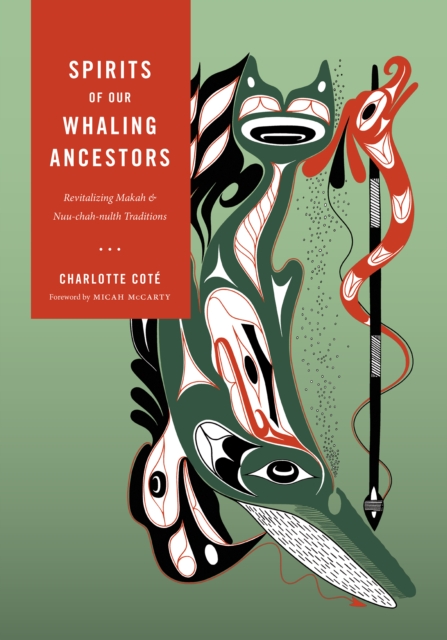
Following the removal of the gray whale from the Endangered Species list in 1994, the Makah tribe of northwest Washington State announced that they would revive their whale hunts; their relatives, the Nuu-chah-nulth Nation of British Columbia, shortly followed suit.
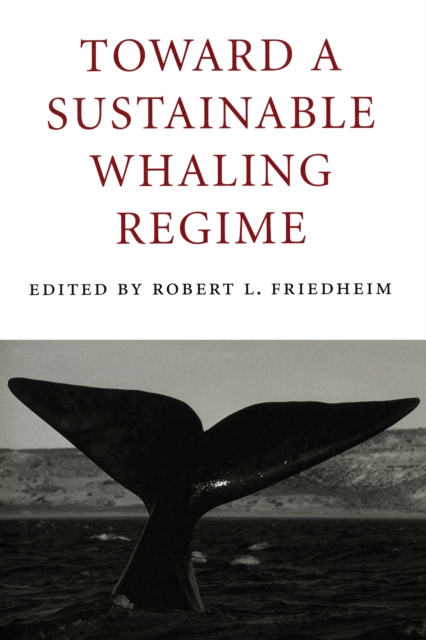
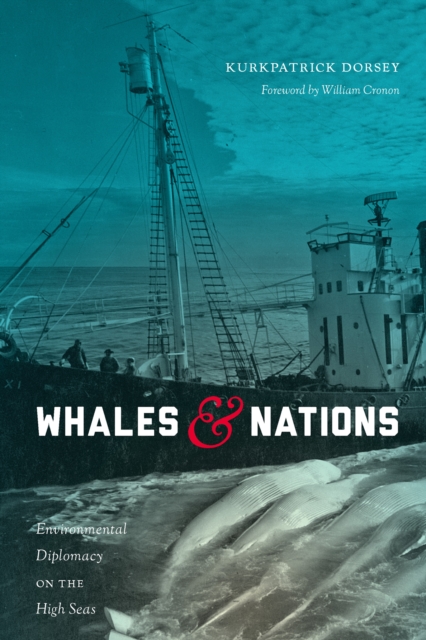
Before commercial whaling was outlawed in the 1980s, diplomats, scientists, bureaucrats, environmentalists, and sometimes even whalers themselves had attempted to create an international regulatory framework that would allow for a sustainable whaling industry.