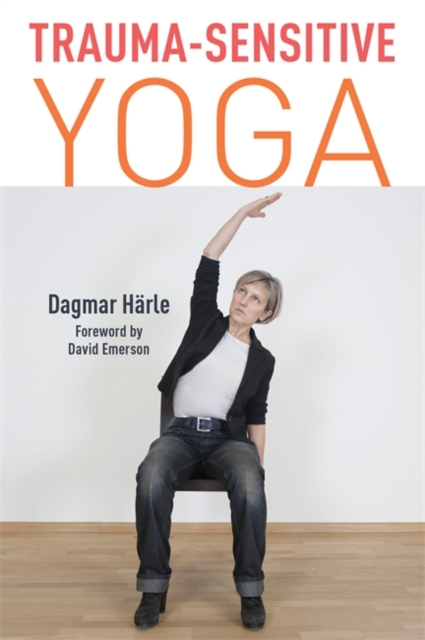
Traumatic events are more than a narrative or singular event in a person's life; the body remembers traumatic events and can experience them over and over, even after many years have passed.
Yoga therapy is commonly used for the management of arthritis, but often focusses exclusively on adaptation of the physical poses and on structural solutions.
With the help of this compact guide, anyone suffering from CRPS (Complex Regional Pain Syndrome) (also known as RSD - Reflex Sympathetic Dystrophy) will better understand their condition and cope with the reality of living with it.
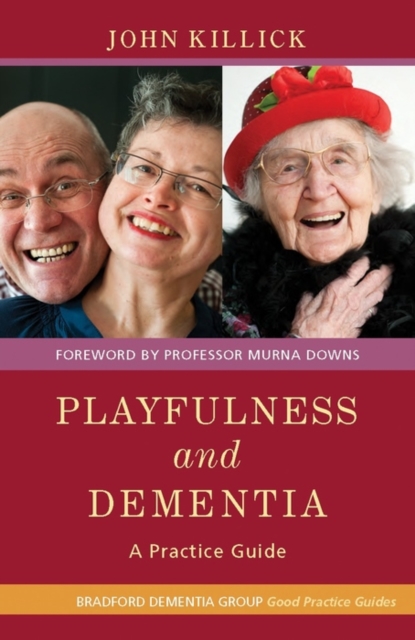
Establishing playfulness as an essential component of dementia care, this positive and uplifting book will be key in changing attitudes and providing ideas for new and valuable ways of interacting and being with individuals with the condition.
People with Chronic Fatigue Syndrome (CFS)/ME experience extreme tiredness and a range of other symptoms, including pain, headaches, impaired concentration and memory, anxiety, sleep problems, and palpitations.
Positive shifts in attitudes mean that emphasis is now being placed on the person with dementia and their personal relationships, rather than the illness.
Establishing playfulness as an essential component of dementia care, this positive and uplifting book will be key in changing attitudes and providing ideas for new and valuable ways of interacting and being with individuals with the condition.
When cancer specialists at Boston’s internationally renowned Dana-Farber Cancer Institute diagnosed Margie Levine with a deadly asbestos-related lung cancer, they predicted that she had only six months to live.
The Sunday Times BestsellerFrom the award-winning writer of The Times Magazine's 'Spinal Column': a deeply moving, darkly funny, inspirational memoir'It's beautiful - full of love and light - and an exploration into not only how, but why we survive, despite everything' Christie Watson, author of The Language of KindnessOn Good Friday, 2010 Melanie Reid fell from her horse, breaking her neck and fracturing her lower back.
The only child of an electrical engineer and a mother who resented the fact that she'd never been to university, the broadcaster Jenni Murray grew up in a traditional household in the 1950s.
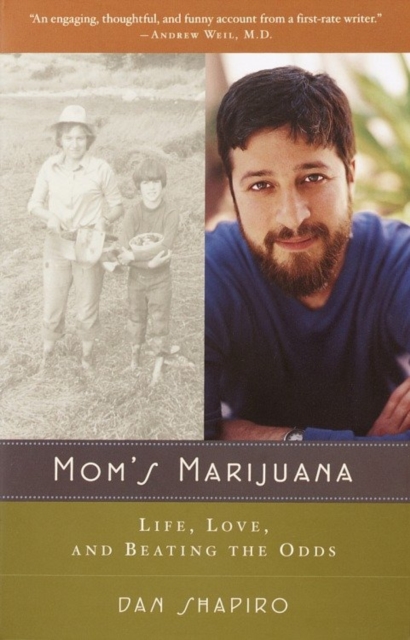
A young man battles Hodgkin''s disease and survives--with more than a little help from his Mom--in this wry and uplifting memoir about life, love, and beating the odds.
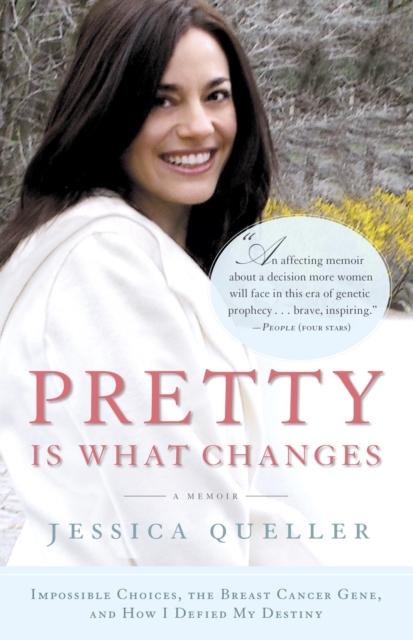
Faced with the BRCA mutation—the so-called “breast cancer gene”—one woman must answer the question: When genetics can predict how we may die, how then do we decide to live?
WINNER OF THE GUARDIAN FIRST BOOK AWARD 2011WINNER OF THE PULITZER PRIZE FOR NON-FICTION 2011'Profound, eloquent and searching' SUNDAY TIMES'Essential reading' INDEPENDENT'Masterly' GUARDIAN'Extraordinary' NEW YORK TIMES BOOK REVIEWAN OBSERVER BEST BOOK OF THE CENTURY SO FARRiveting, audacious and now more urgent than ever in this vast update, The Emperor of All Maladies is a masterpiece.
The definitive guide to targeting and reversing food intolerance from the UK's leading nutritionist, Antony Haynes, and Glenfiddich award-winning cookery writer, Antoinette Savill.
Although currently many people with dementia are not given the opportunity to receive professional counselling, this book explores the value of counselling for men and women living with this condition and how it enables them to make sense of their lives and their notions of themselves.
For the increasing number of people diagnosed with dementia each year, treatment in the early stages can make a significant difference to their quality of life.
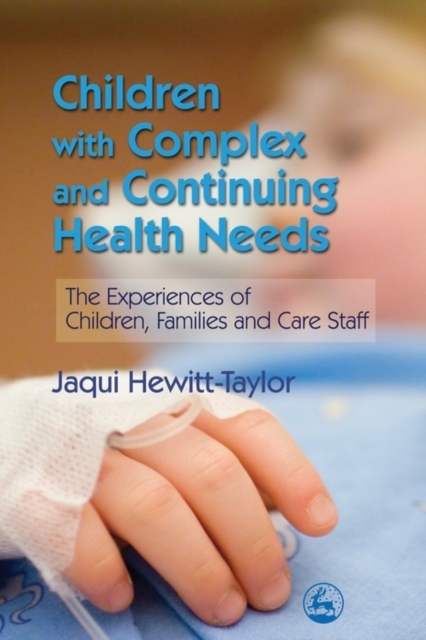
Aimed at students and practitioners involved in supporting such children, and designed to give them an insight into what it means to raise a child with such multiple needs.
After progressive multiple sclerosis landed Dr Wahls in a tilt/recline wheelchair, she exhaustively researched autoimmune disease and brain biology, and embraced the concepts of functional medicine.
Focusing on theoretical, policy and practice issues which are predicted to become fundamental priorities in the near future, the contributors to this important book examine how dementia care works around the globe.
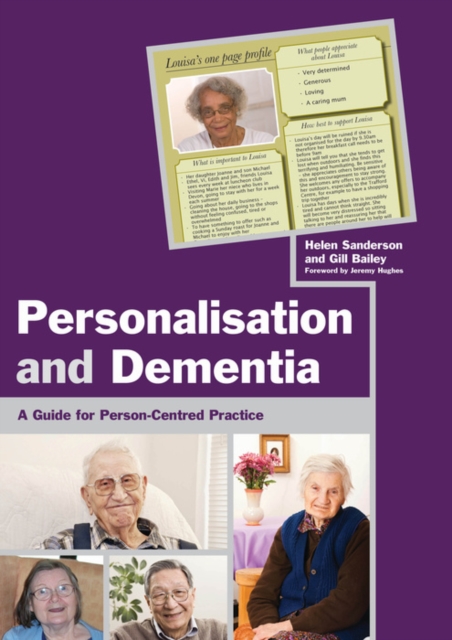
Personalisation builds on person-centred care to focus on how people with dementia can have more choice and control over decisions affecting them, and be supported to be part of their communities.
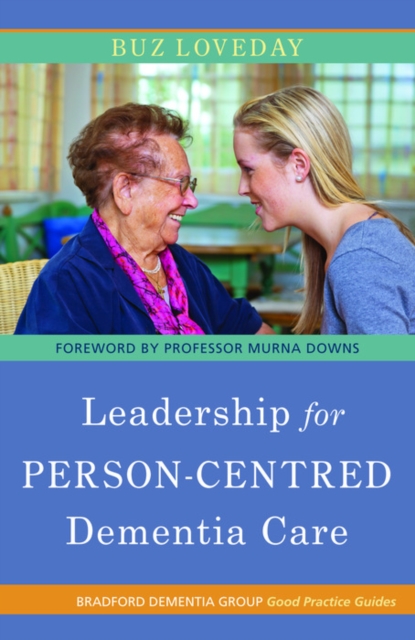
Person-centred dementia care relies on leadership that supports the ongoing process of learning about and valuing individuals, their feelings, strengths and needs, and using this knowledge to enhance wellbeing and create a positive care environment.
People with Chronic Fatigue Syndrome (CFS)/ME experience extreme tiredness and a range of other symptoms, including pain, headaches, impaired concentration and memory, anxiety, sleep problems, and palpitations.
Positive shifts in attitudes mean that emphasis is now being placed on the person with dementia and their personal relationships, rather than the illness.