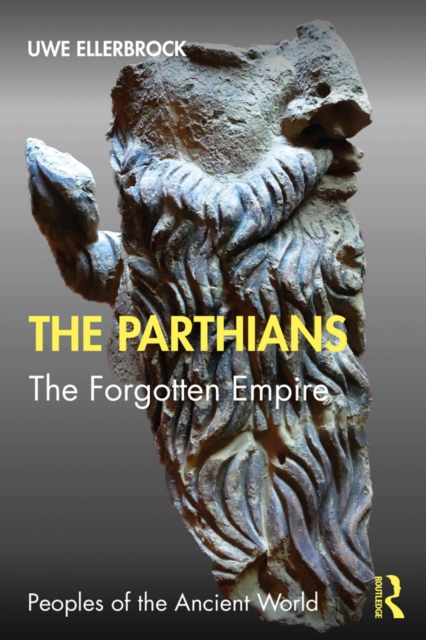
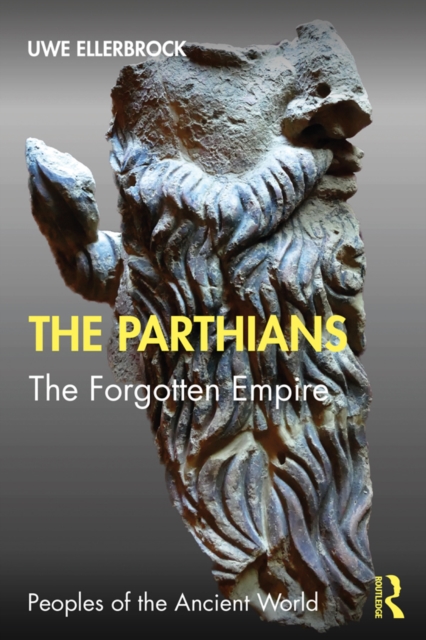
This volume provides a comprehensive overview of the history and culture of the Parthian Empire, which existed for almost 500 years from 247 BC to 224 AD.
This volume provides a comprehensive overview of the history and culture of the Parthian Empire, which existed for almost 500 years from 247 BC to 224 AD.
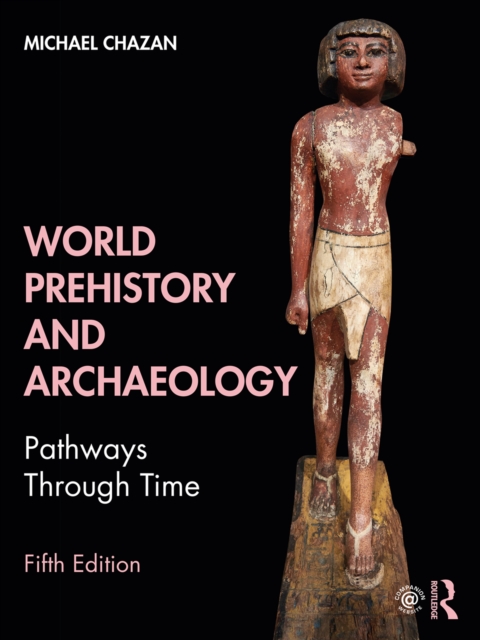
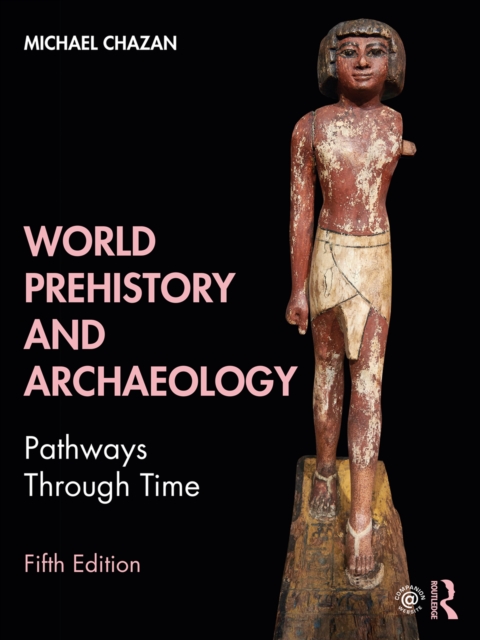
World Prehistory and Archaeology provides an integrated discussion of world prehistory and archaeological methods, presenting an up-to-date perspective on what we know about our human prehistory and how we come to know it.
World Prehistory and Archaeology provides an integrated discussion of world prehistory and archaeological methods, presenting an up-to-date perspective on what we know about our human prehistory and how we come to know it.
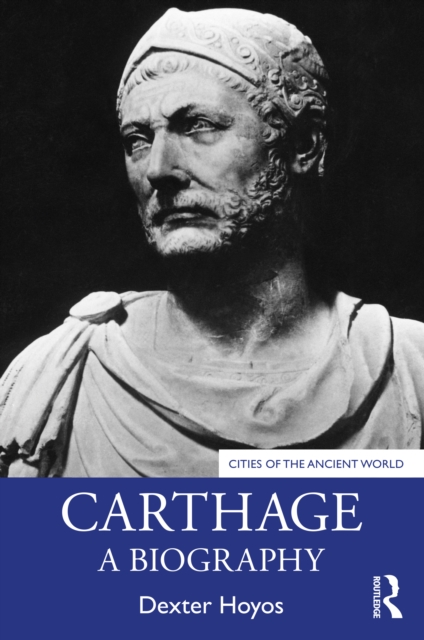
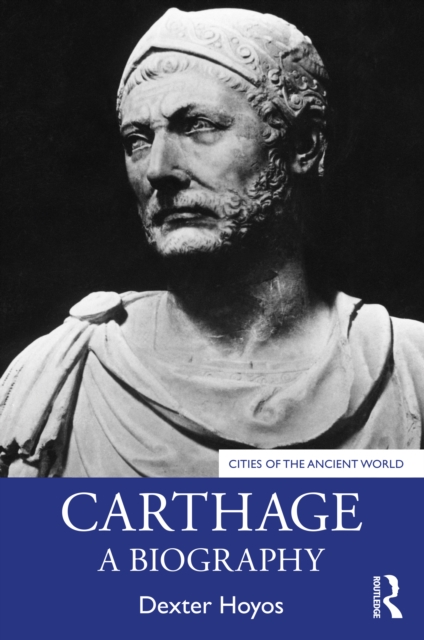
Carthage tells the life story of the city, both as one of the Mediterranean's great seafaring powers before 146 BC, and after its refounding in the first century BC.
Carthage tells the life story of the city, both as one of the Mediterranean's great seafaring powers before 146 BC, and after its refounding in the first century BC.
Based on recent archaeological surveys and excavations, the chapters in this volume provide current, comprehensive, area-by-area summaries of the region's Precolumbian past.
The Archeology of the New Testament is the authoritative illustrated account of what is presently known about the chief sites and monuments connected with the life of Jesus and the history of the early church.
This book is about Charles Clark Willoughby's studies on the collection of artifacts and field records from the 1891-1892 excavations at the Hopewell Site that were included in the Field Museum.
Recent archaeoglogical work in the American Southwest and Northern Mexico has fueled a great deal of regionally specific research: archaeologists, faced with an avalanche of new and unassimilated data, tend to foucs on their own areas to the exclusion of the broader, panregional view.
Cultural Heritage Management and Indigenous People in the North of Colombia explores indigenous people's struggle for territorial autonomy in an aggressive political environment and the tensions between heritage tourism and Indigenous rights.
Cultural Heritage Management and Indigenous People in the North of Colombia explores indigenous people's struggle for territorial autonomy in an aggressive political environment and the tensions between heritage tourism and Indigenous rights.
Based on recent archaeological surveys and excavations, the chapters in this volume provide current, comprehensive, area-by-area summaries of the region's Precolumbian past.
The Archeology of the New Testament is the authoritative illustrated account of what is presently known about the chief sites and monuments connected with the life of Jesus and the history of the early church.
This book is about Charles Clark Willoughby's studies on the collection of artifacts and field records from the 1891-1892 excavations at the Hopewell Site that were included in the Field Museum.
Recent archaeoglogical work in the American Southwest and Northern Mexico has fueled a great deal of regionally specific research: archaeologists, faced with an avalanche of new and unassimilated data, tend to foucs on their own areas to the exclusion of the broader, panregional view.
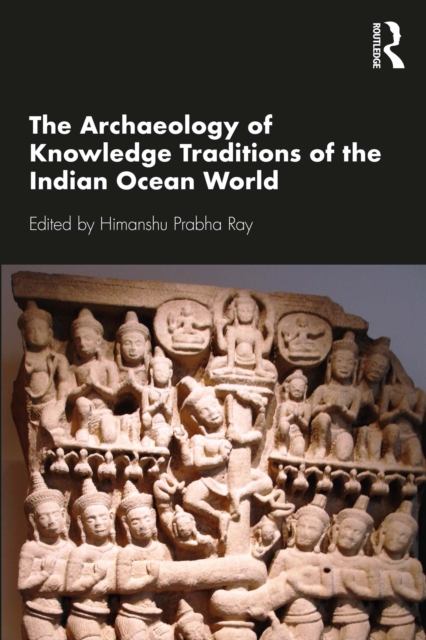
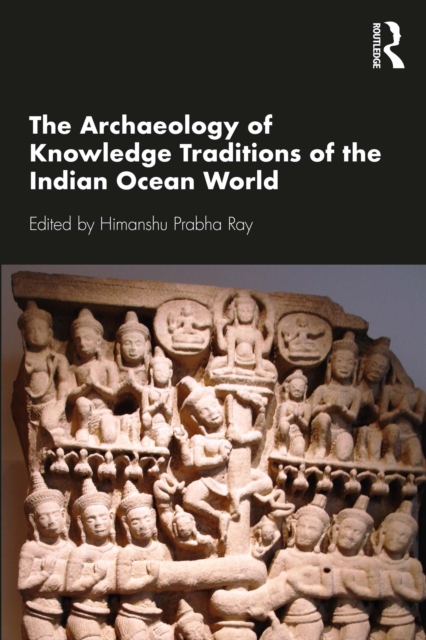
This book examines knowledge traditions that held together the fluid and overlapping maritime worlds of the Indian Ocean in the premodern period, as evident in the material and archaeological record.
This book examines knowledge traditions that held together the fluid and overlapping maritime worlds of the Indian Ocean in the premodern period, as evident in the material and archaeological record.
This volume explores the changes that occurred during the Viking Age, as Scandinavian societies fell in line with the larger forces that dominated the Insular world and Continental Europe, absorbing the powerful symbiosis of Christianity and monarchy, adapting to the idea of royal lineage and supremacy, and developing a buzzing urbanism coupled with large-scale trade networks.
This volume explores the changes that occurred during the Viking Age, as Scandinavian societies fell in line with the larger forces that dominated the Insular world and Continental Europe, absorbing the powerful symbiosis of Christianity and monarchy, adapting to the idea of royal lineage and supremacy, and developing a buzzing urbanism coupled with large-scale trade networks.
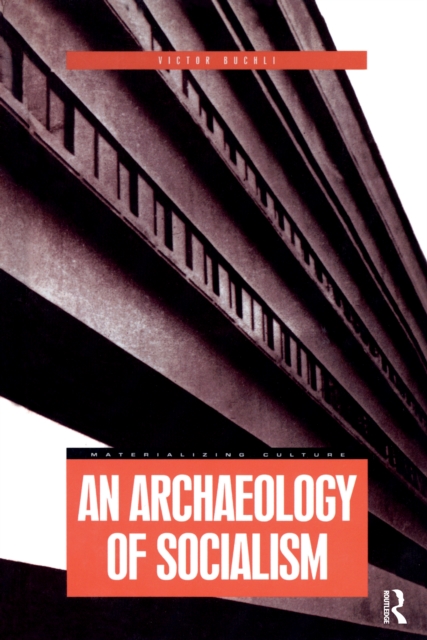
This highly original case study, which adopts a material culture perspective, is unprecedented in social and cultural histories of the Soviet period and provides a unique window on social relations.
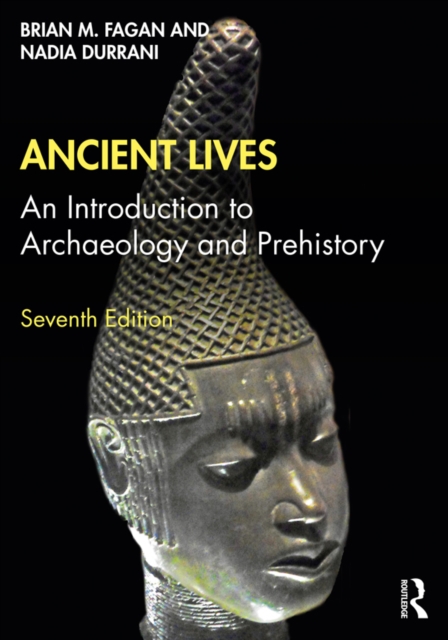
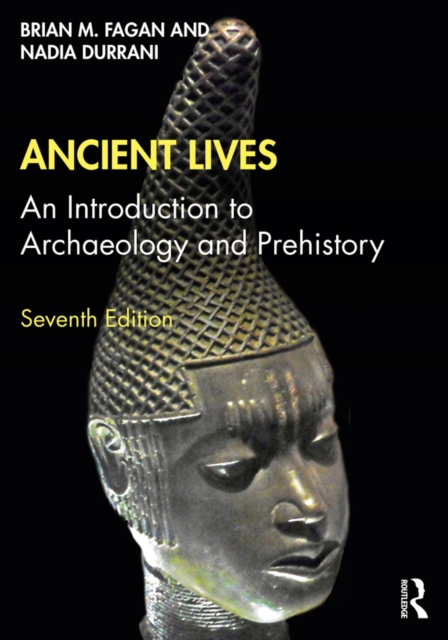
Focusing on sites of key significance and the world's first civilizations, Ancient Lives is an accessible and engaging textbook which introduces complete beginners to the fascinating worlds of archaeology and prehistory.
Focusing on sites of key significance and the world's first civilizations, Ancient Lives is an accessible and engaging textbook which introduces complete beginners to the fascinating worlds of archaeology and prehistory.
This highly original case study, which adopts a material culture perspective, is unprecedented in social and cultural histories of the Soviet period and provides a unique window on social relations.
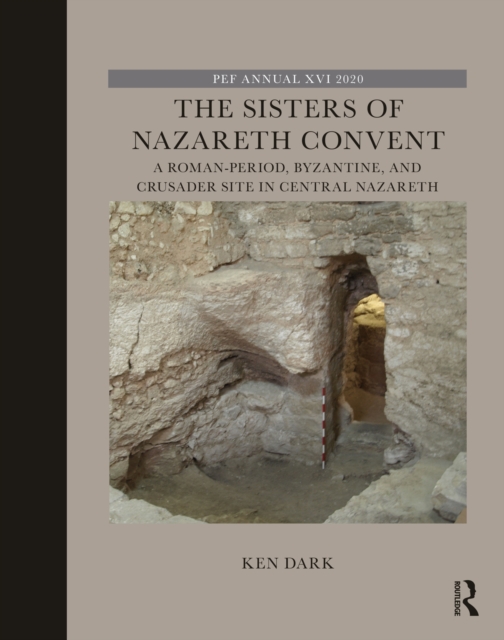
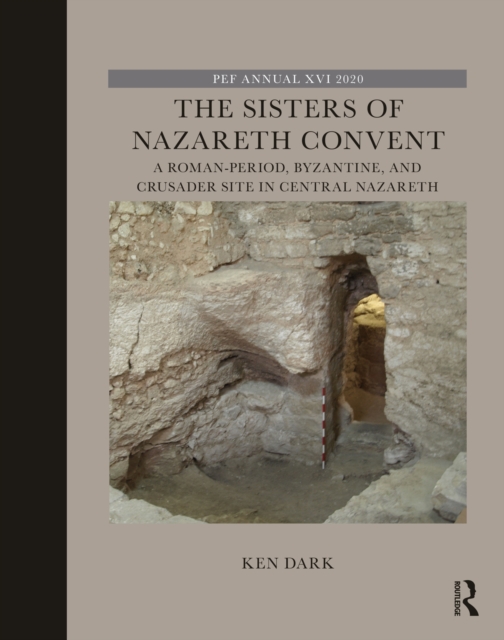
This book transforms archaeological knowledge of Nazareth by publishing over 80 years of archaeological work at the Sisters of Nazareth convent, including a detailed re-investigation in the early twenty-first century under the author's direction.
This book transforms archaeological knowledge of Nazareth by publishing over 80 years of archaeological work at the Sisters of Nazareth convent, including a detailed re-investigation in the early twenty-first century under the author's direction.
Rituals, Collapse, and Radical Transformation in Archaic States explores the role of ritual in a variety of archaic states and generates discussion on how the decline in a state's ability to continue in its current form affected the practices of ritual and how ritual as a culture-forming dynamic affected decline, collapse, and regeneration of the state.
Rituals, Collapse, and Radical Transformation in Archaic States explores the role of ritual in a variety of archaic states and generates discussion on how the decline in a state's ability to continue in its current form affected the practices of ritual and how ritual as a culture-forming dynamic affected decline, collapse, and regeneration of the state.
This book provides a realistic historical and geographical perspective to begin closest to the Scandinavian homelands of Vikings and the Viking ideology and material culture, by looking at new research into aspects of their use of the sea, maritime communications and trade.
This volume, the first in the One World Archaeology series, is a compendium of key papers by leaders in the field of the emergence of agriculture in different parts of the world.
This book provides a realistic historical and geographical perspective to begin closest to the Scandinavian homelands of Vikings and the Viking ideology and material culture, by looking at new research into aspects of their use of the sea, maritime communications and trade.
This volume, the first in the One World Archaeology series, is a compendium of key papers by leaders in the field of the emergence of agriculture in different parts of the world.