The Scandinavian Early Modern World explores the early modern colonialism, globalization, and modernity in Scandinavia, along with its colonies, and its role in the shaping of the modern world.
The Scandinavian Early Modern World explores the early modern colonialism, globalization, and modernity in Scandinavia, along with its colonies, and its role in the shaping of the modern world.
Drawing upon invasion biology and the latest archaeological, skeletal and environment evidence, From Arabia to the Pacific documents the migration of humans into Asia, and explains why we were so successful as a colonising species.
Drawing upon invasion biology and the latest archaeological, skeletal and environment evidence, From Arabia to the Pacific documents the migration of humans into Asia, and explains why we were so successful as a colonising species.
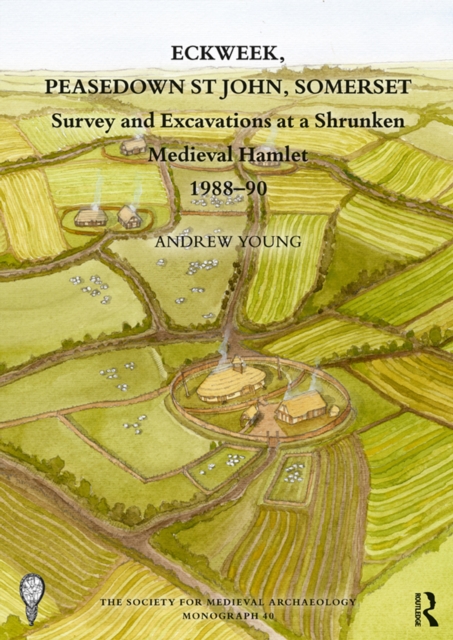
This volume presents the results of archaeological survey and excavation at Eckweek, Somerset, which yielded one of the most important medieval rural settlement sequences yet excavated from south-west England.
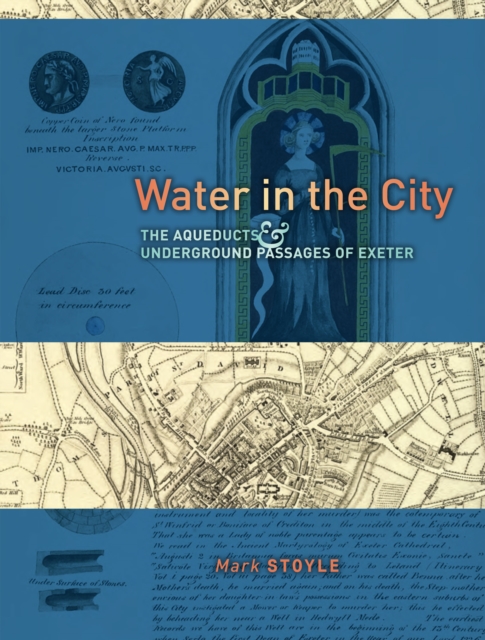
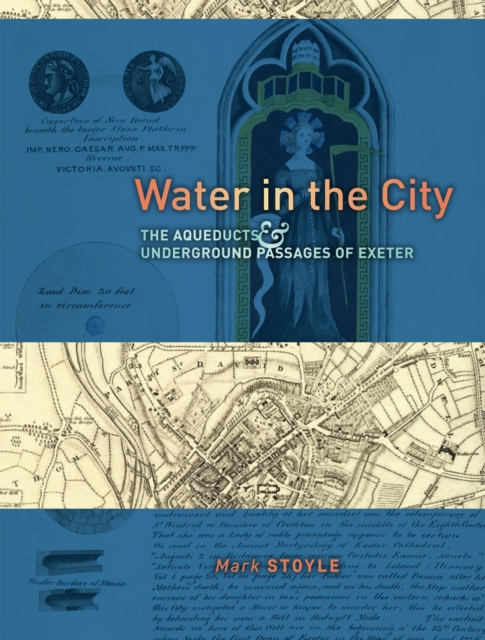
The city of Exeter was one of the great provincial capitals of late medieval and early modern England, possessing a range of civic amenities fully commensurate with its size and importance.
The city of Exeter was one of the great provincial capitals of late medieval and early modern England, possessing a range of civic amenities fully commensurate with its size and importance.
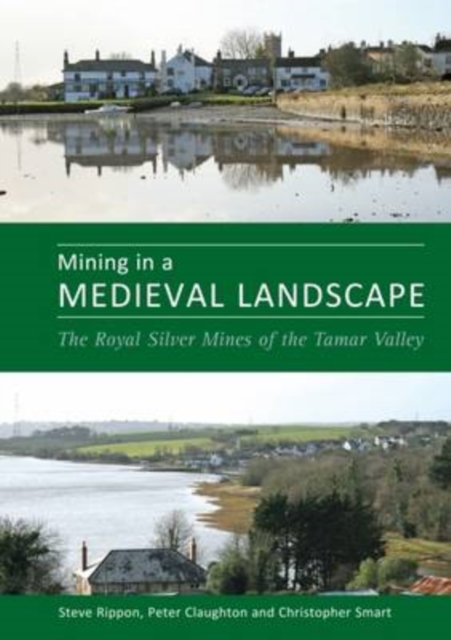
This book explores an industry that was of profound importance both in terms of the local economy and the history of mining nationally, but is long forgotten: the late medieval royal silver mines at Bere Ferrers in the Tamar Valley.
The retreat of the Byzantine army from Syria in around 650 CE, in advance of the approaching Arab armies, is one that has resounded emphatically in the works of both Islamic and Christian writers, and created an enduring motif: that of the Islamic-Byzantine frontier.
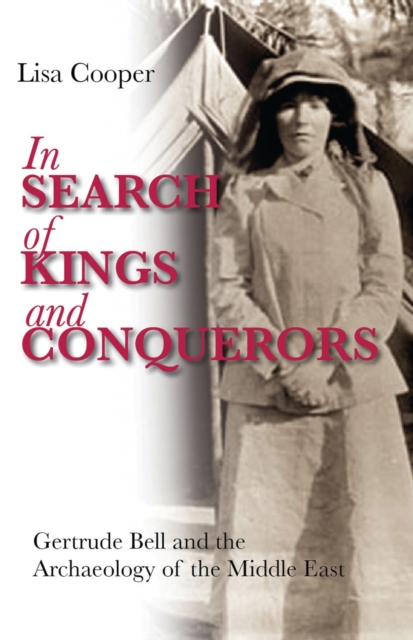
At the height of her career, Bell journeyed into the heart of the Middle East retracing the steps of the ancient rulers who left tangible markers of their presence in the form of castles, palaces, mosques, tombs and temples.
At the height of her career, Bell journeyed into the heart of the Middle East retracing the steps of the ancient rulers who left tangible markers of their presence in the form of castles, palaces, mosques, tombs and temples.
The retreat of the Byzantine army from Syria in around 650 CE, in advance of the approaching Arab armies, is one that has resounded emphatically in the works of both Islamic and Christian writers, and created an enduring motif: that of the Islamic-Byzantine frontier.
From as early as 1420 a few intrepid explorers made their way to Greece and Turkey, to recover - from brambles or burial, lime-kilns or building sites - the precious relics of the Greeks' classical past.
The biography of Arthur Weigall, the British Egyptologist who was involved in the exploration and conservation of the monuments and antiquities of a region stretching from Luxor to the Sudan border.
Richard Bradley's latest thought provoking re-examination of familiar monumental archaeology drawing on latest discussions of multi-temporality and the implications of new levels of analysis afforded by developments in archaeological sciences such as DNA, radiocarbon dating and isotopes.
In this collection of essays Nicholas Brooks explores some of the earliest and most problematic sources, both written and archaeological, for early English history.
A major contribution to both art history and Latin American studies, A Culture of Stone offers sophisticated new insights into Inka culture and the interpretation of non-Western art.
An engaging look at the rise and fall of cultural diversity in the colonial South and its role in shaping a distinct southern identity The 18th-century South was a true melting pot, bringing together colonists from England, France, Germany, Ireland, Switzerland, and other locations, in addition to African slaves-all of whom shared in the experiences of adapting to a new environment and interacting with American Indians.
Applying the legend of the stranger king to Caonabo, the mythologized Taino chief of the Hispaniola settlement Columbus invaded in 1492, Keegan examines how myths come to resonate as historycreated by the chaotic interactions of the individuals who lived the events of the past as well as those who write and read about them.
Pathways to Complexity synthesizes a wealth of new archaeological data to illuminate the origins of Maya civilization and the rise of Classic Maya culture.
Applying the legend of the stranger king to Caonabo, the mythologized Taino chief of the Hispaniola settlement Columbus invaded in 1492, Keegan examines how myths come to resonate as historycreated by the chaotic interactions of the individuals who lived the events of the past as well as those who write and read about them.
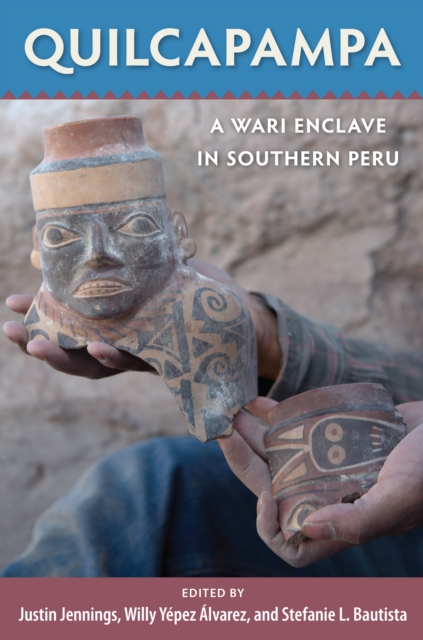
In the ninth century AD, settlers from the heartland of the Wari Empire founded Quilcapampa, a short-lived site overlooking the Sihuas River in southern Peru.
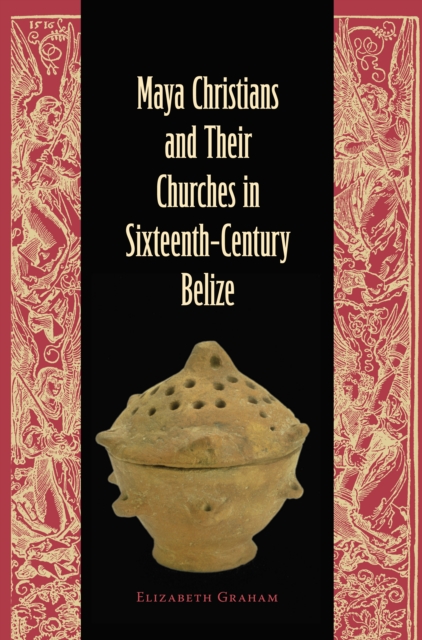
It is widely held that Christianity came to Belize as an extension of the conquest of Yucatan and that adherence to Christian belief and practice was abandoned in the absence of enduring Spanish authority.