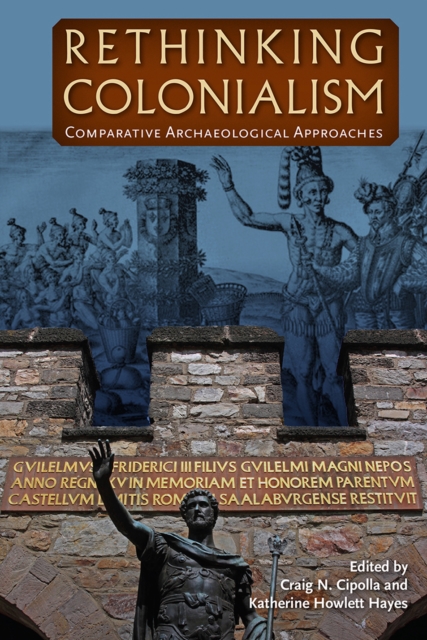
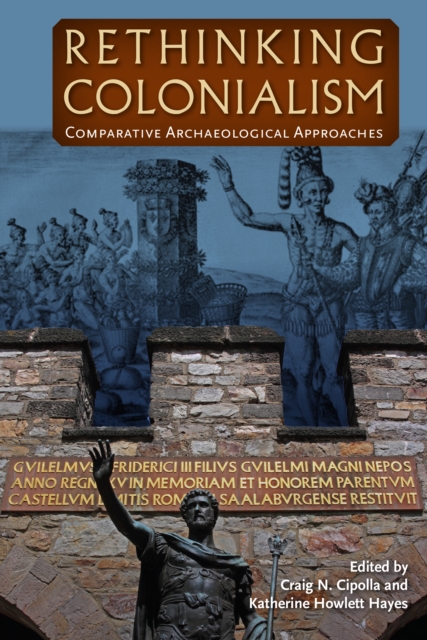
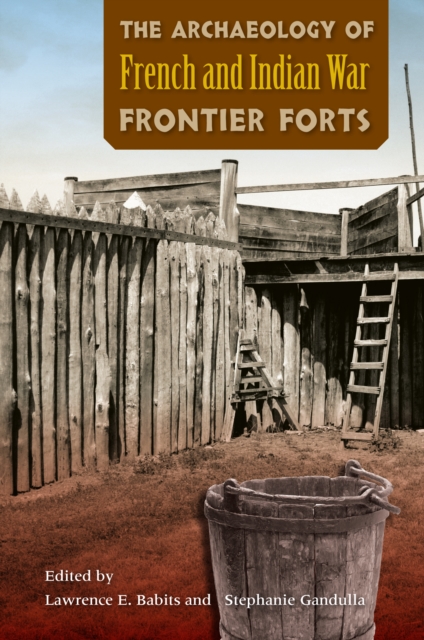
Historical archaeology studies once relied upon a binary view of colonialism: colonizers and colonized, the colonial period and the postcolonial period.
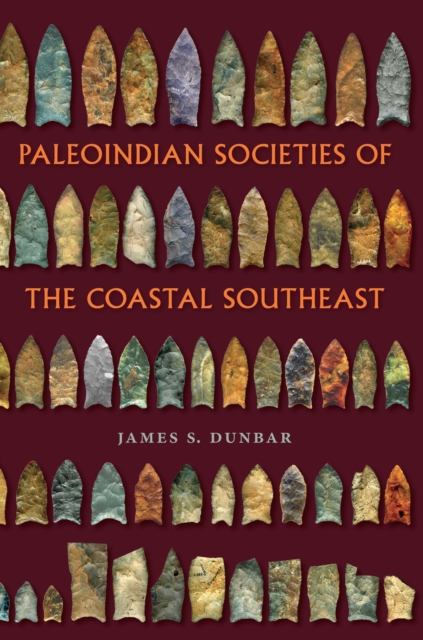
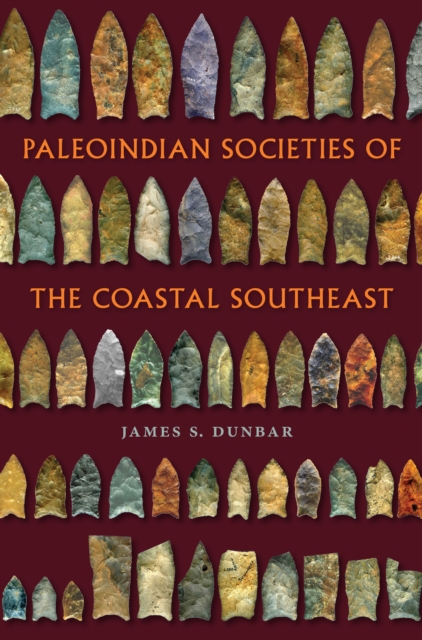
The late Pleistocene-early Holocene landscape hosted more species and greater numbers of them in the Southeast compared to any other region in North America at that time.
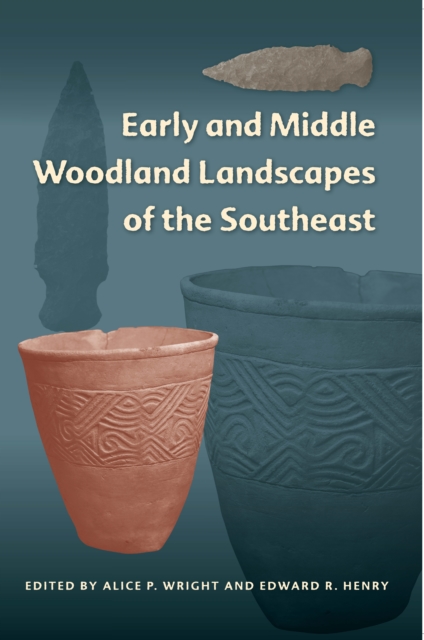
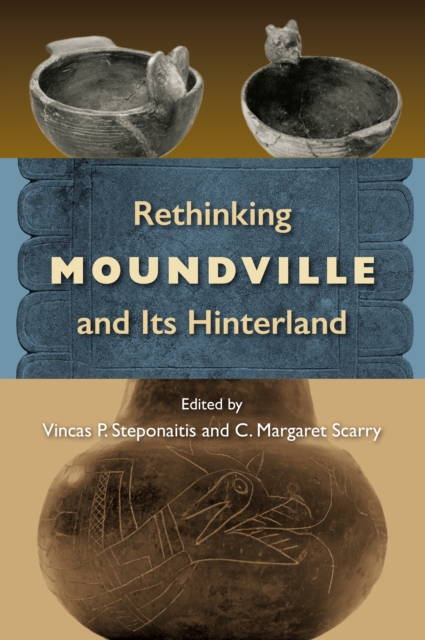
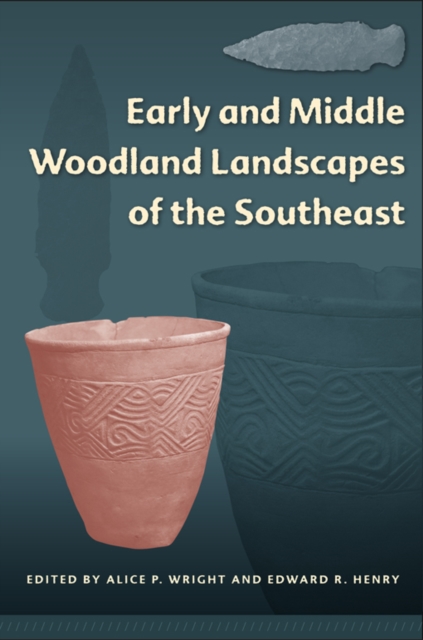
Fourteen in-depth case studies incorporate empirical data with theoretical concepts such as ritual, aggregation, and place-making, highlighting the variability and common themes in the relationships between people, landscapes, and the built environment that characterize this period of North American native life in the Southeast.
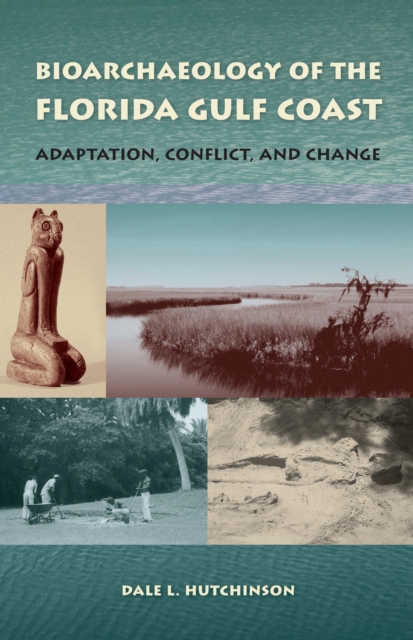
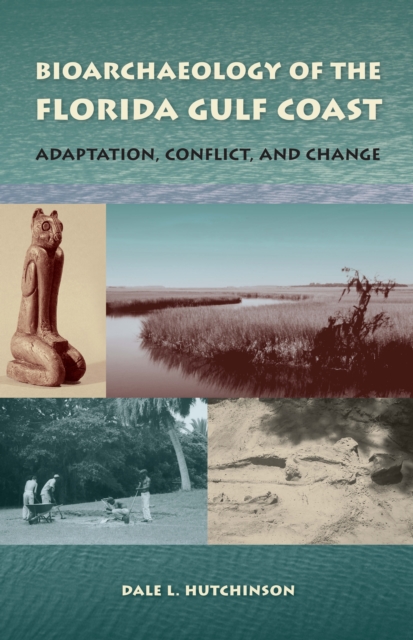
In Bioarchaeology of the Florida Gulf Coast, Dale Hutchinson explores the role of human adaptation along the Gulf Coast of Florida and the influence of coastal foraging on several indigenous Florida populations.
';Thought-provoking and engaging, Beyond the Walls provides new and relevant theoretical perspectives and specific case studies for archaeologists conducting research related to household archaeology.
In this milestone work, William Fowler uses archaeology, history, and social theory to show that the establishment of cities was essential to Spanish colonialism.
While mortuary ruins have long fascinated archaeologists and art historians interested in the cultures of the Near East and eastern Mediterranean, the human skeletal remains contained in the tombs of this region have garnered less attention.
This volume brings together archaeologists working in Ecuador, Peru, and Bolivia to construct a new prehistory of the Upper Amazon, outlining cultural developments from the late third millennium B.
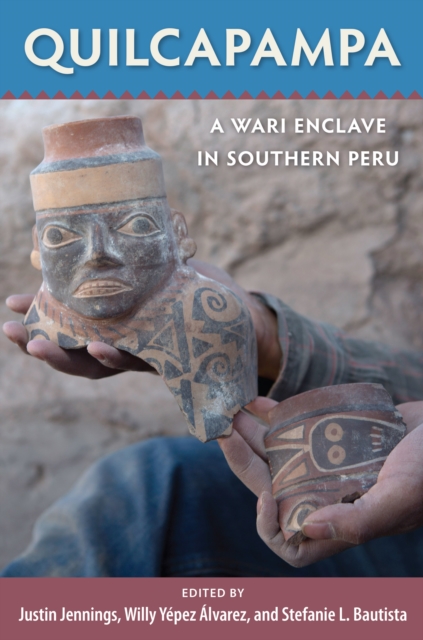
In the ninth century AD, settlers from the heartland of the Wari Empire founded Quilcapampa, a short-lived site overlooking the Sihuas River in southern Peru.
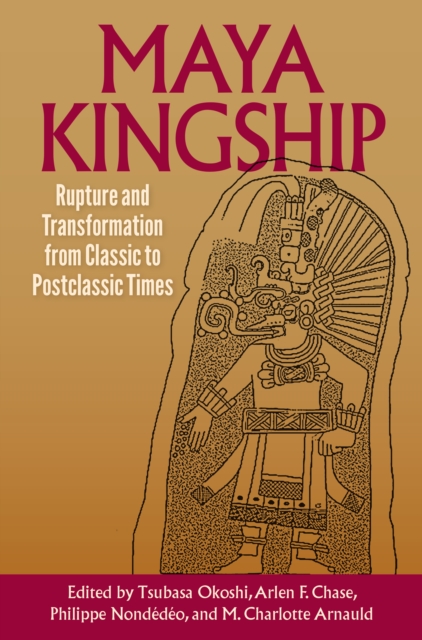
Examining changes to the institution of divine kingship from 750 to 950 CE in the Maya lowland cities, Maya Kingship presents a new way of studying the collapse of that civilization and the transformation of political systems between the Terminal Classic and Postclassic Periods.
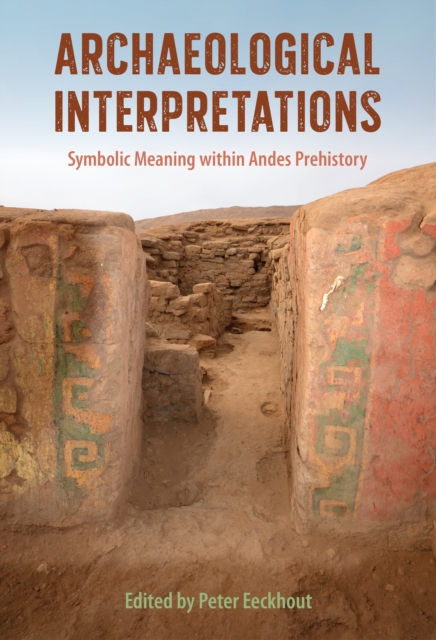
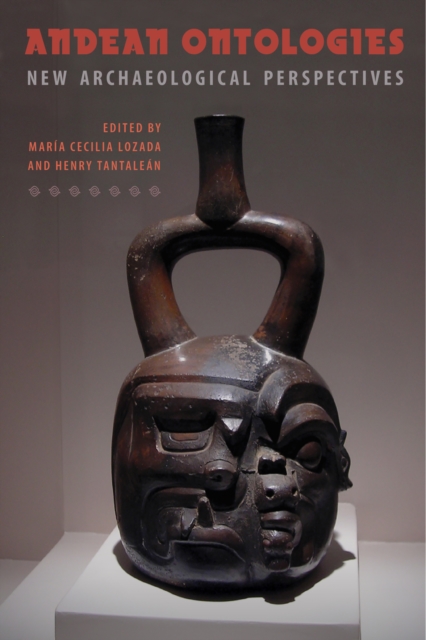
Presenting studies in Andean archaeology and iconography by leading specialists in the field, this volume tackles the question of how researchers can come to understand the intangible, intellectual worlds of ancient peoples.
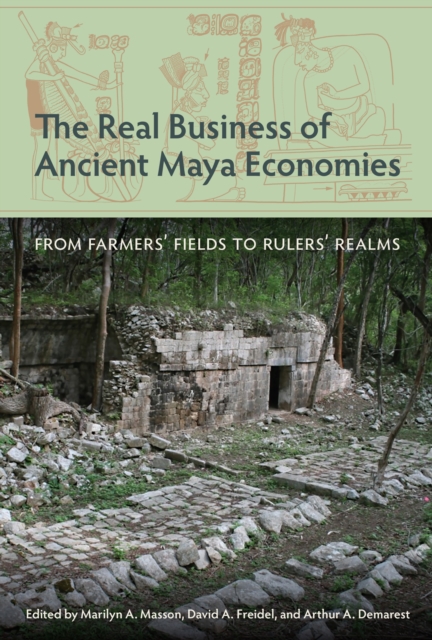
A timely synthesis of the latest research and perspectives on ancient Maya economics, this volume illuminates the sophistication and intricacy of economic systems in the Preclassic, Classic, and Postclassic periods.
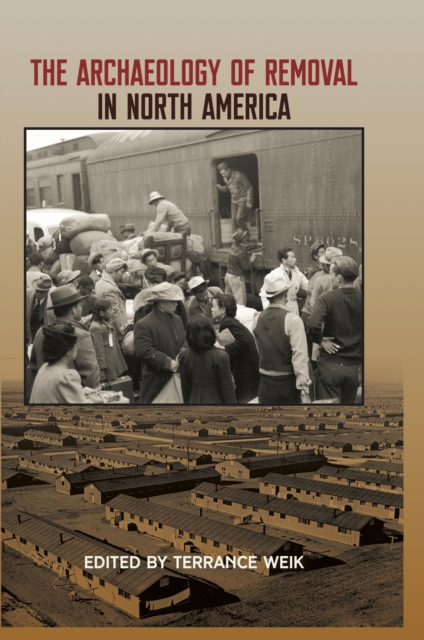
Exploring a wide range of settings and circumstances in which individuals or groups of people have been forced to move from one geographical location to another, the case studies in this volume demonstrate what archaeology can reveal about the agents, causes, processes, and effects of human removal.
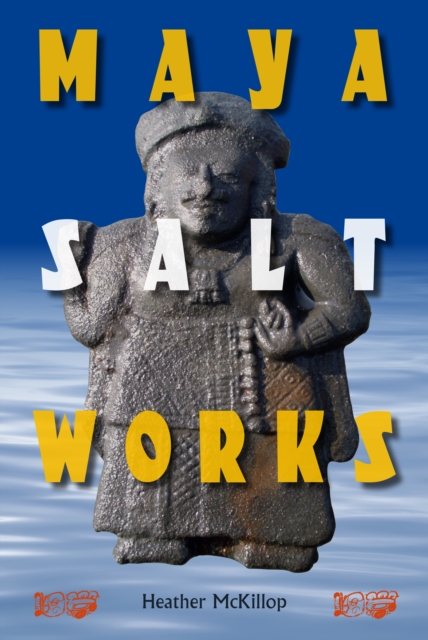
In Maya Salt Works, Heather McKillop details her archaeological team's groundbreaking discovery of a unique and massive salt production complex submerged in a lagoon in southern Belize.
Historical archaeology studies once relied upon a binary view of colonialism: colonizers and colonized, the colonial period and the postcolonial period.
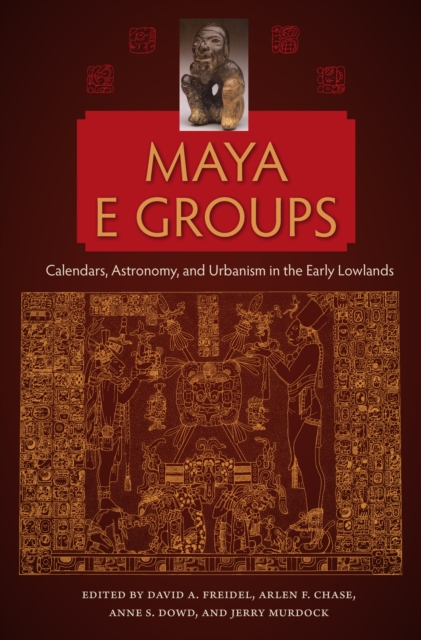
As complex societies emerged in the Maya lowlands during the first millennium BCE, so did stable communities focused around public squares and the worship of a divine ruler tied to a Maize God cult.
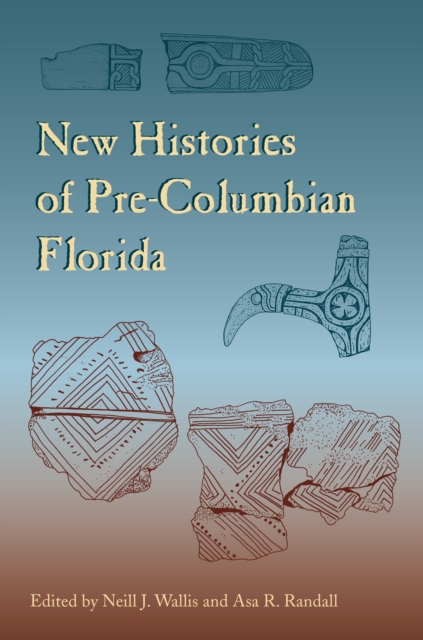
Given its pivotal location between the Atlantic Ocean and the Gulf of Mexico, its numerous islands, its abundant flora and fauna, and its subtropical climate, Florida has long been ideal for human habitation.
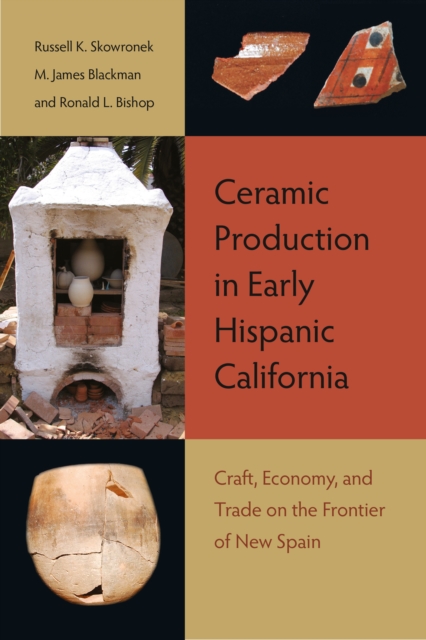
In the eighteenth and early nineteenth centuries, much of what is now the southwestern United States was known as Alta California, a remote part of New Spain.
While most works of southeastern archaeology focus on stone artifacts or ceramics, this volume is the first to bring together past and current trends in zooarchaeological studies.
Prehistoric Florida societies, particularly those of the peninsula, have been largely ignored or given only minor consideration in overviews of the Mississippian southeast (A.
While mortuary ruins have long fascinated archaeologists and art historians interested in the cultures of the Near East and eastern Mediterranean, the human skeletal remains contained in the tombs of this region have garnered less attention.
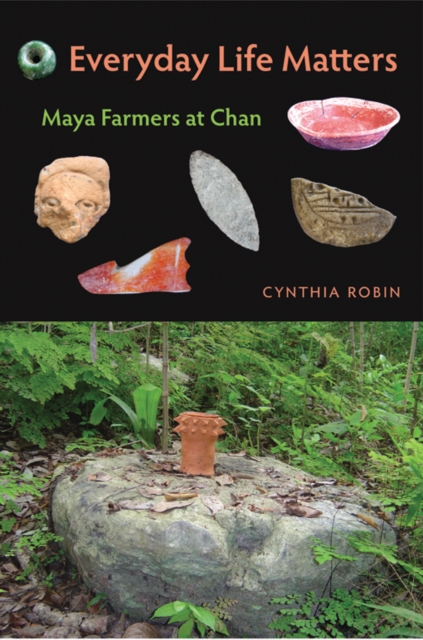
While the study of ancient civilizations has often focused on holy temples and royal tombs, a substantial part of the archaeological record remains hidden in the understudied day-to-day lives of artisans, farmers, hunters, and other ordinary people of the ancient world.
The Early and Middle Woodland periods (1000 BCE-500 CE) were remarkable for their level of culture contact and interaction in pre-Columbian North America.
The study of ancient Greek urbanism has moved from examining the evidence for town planning and the organization of the city-state, or polis, to considerations of "e;everyday life.
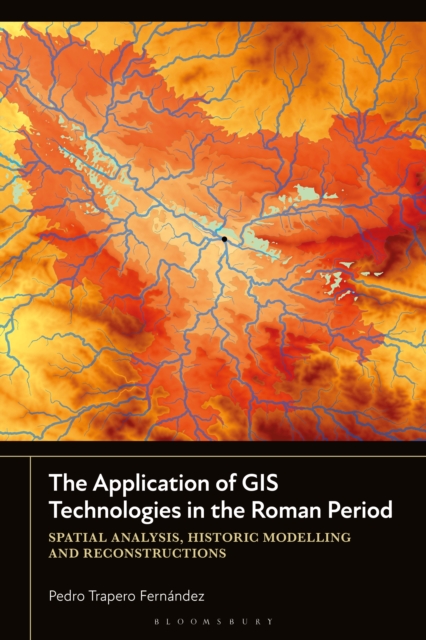
Using a selection of archaeological cases studies from the Roman period in the Mediterranean region, Pedro Trapero Fern ndez shows how GIS technologies can be employed in the creation of spatial models to reproduce historical realities.
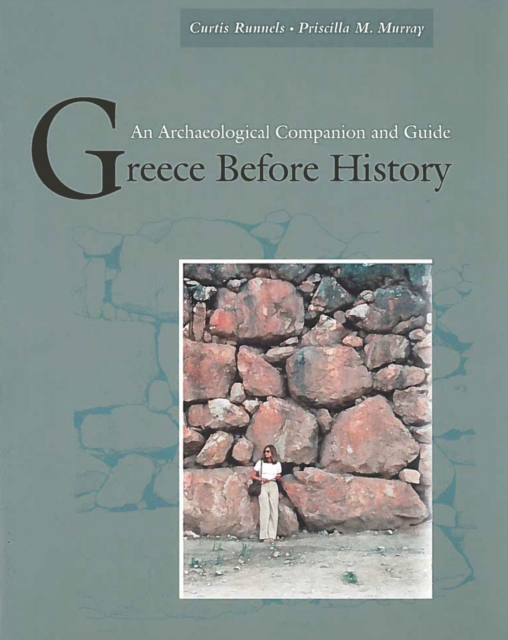
This book, a guide and companion to the prehistoric archaeology of Greece, is designed for students, travelers, and all general readers interested in archaeology.
Prehistory covers the period of some 4 million years before the start of written history, when our earliest ancestors, the Australopithecines, existed in Africa.
This volume challenges patrimonialism as a political model for the ancient Near East by engaging with letters and legal texts concerning royal women at Late Bronze Age Ugarit, demonstrating women's pivotal roles in the exercise of power, and then bringing these insights to bear on the Hebrew Bible.
For as long as humanity has ventured on the seas, naval warfare has been an integral part of their activities and the focal point for many histories and ideas of heritage.
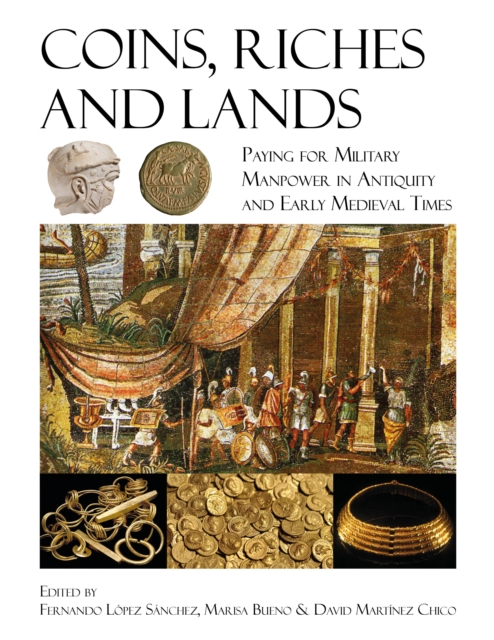
A study of how coins, riches and lands were gained and distributed among the soldiers, warriors, and mercenaries in the Antiquity and Early Medieval times.
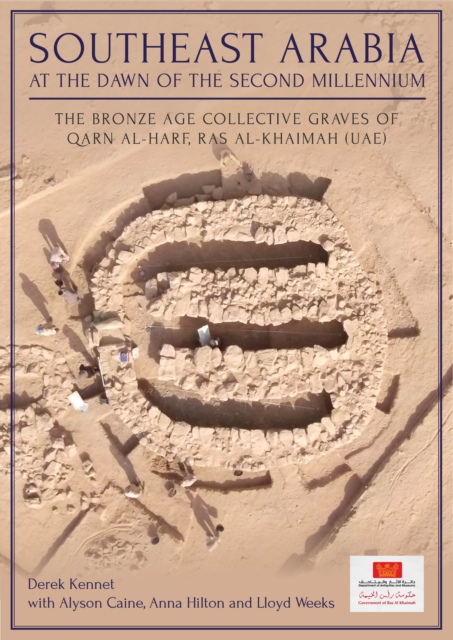
First full publication of a cemetery of the Bronze Age Wadi Suq period (2000-1650 BC) in the region of the UAE, a period marked by large scale cultural and economic changes.
Archaeologists studying human remains and burial sites of North America's Indigenous peoples have discovered more than information about the beliefs and practices of cultures - they have also found controversy.