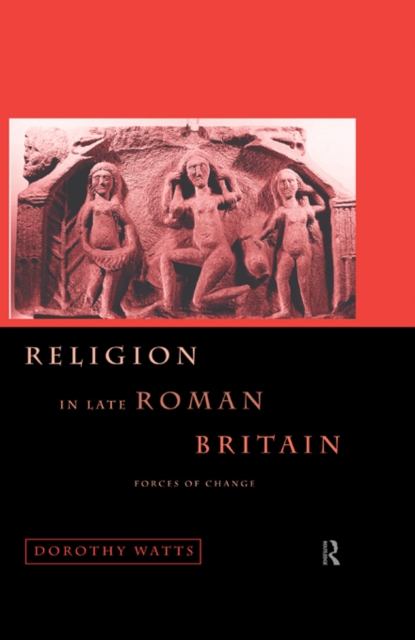
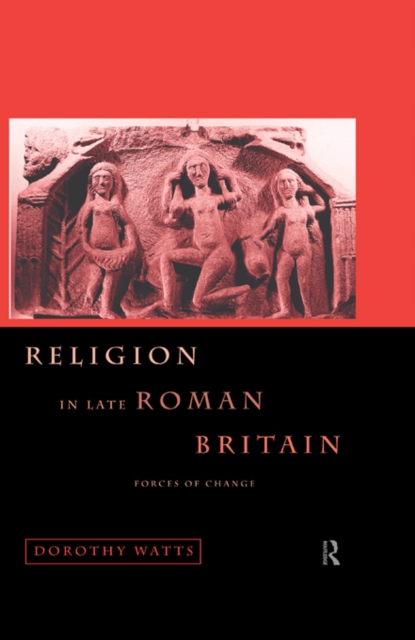
Religion in Late Roman Britain explores the changes in religion over the fourth century; the historical background for these changes and the forces which contributed to them.
Religion in Late Roman Britain explores the changes in religion over the fourth century; the historical background for these changes and the forces which contributed to them.
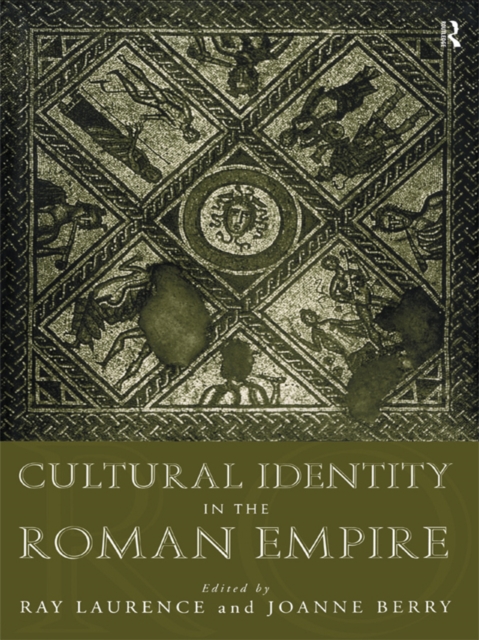
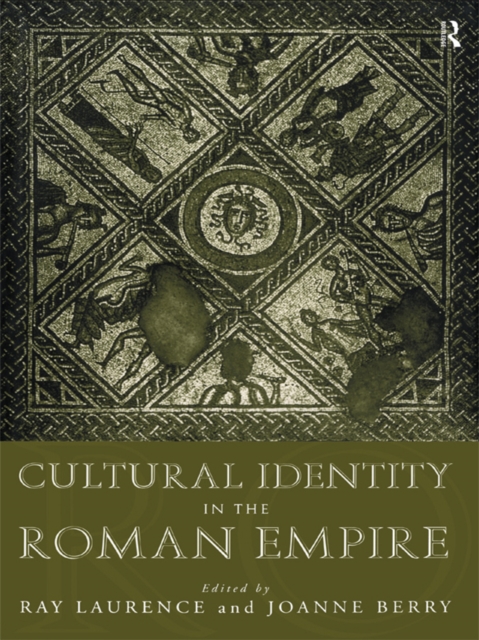
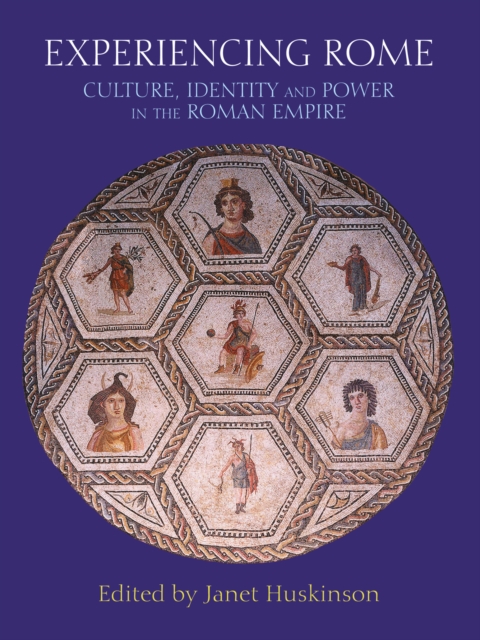
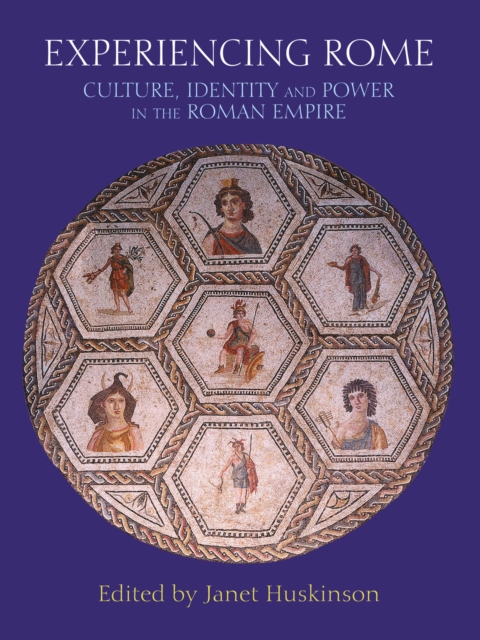
This provocative and often controversial volume examines concepts of ethnicity, citizenship and nationhood, to determine what constituted cultural identity in the Roman Empire.
This provocative and often controversial volume examines concepts of ethnicity, citizenship and nationhood, to determine what constituted cultural identity in the Roman Empire.
With the help of over 100 illustrations, many of them little known, Martin Henig shows that the art produced in Britannia--particularly in the golden age of Late Antiquity--rivals that of other provinces and deserves comparison with the art of metropolitan Rome.
With the help of over 100 illustrations, many of them little known, Martin Henig shows that the art produced in Britannia--particularly in the golden age of Late Antiquity--rivals that of other provinces and deserves comparison with the art of metropolitan Rome.
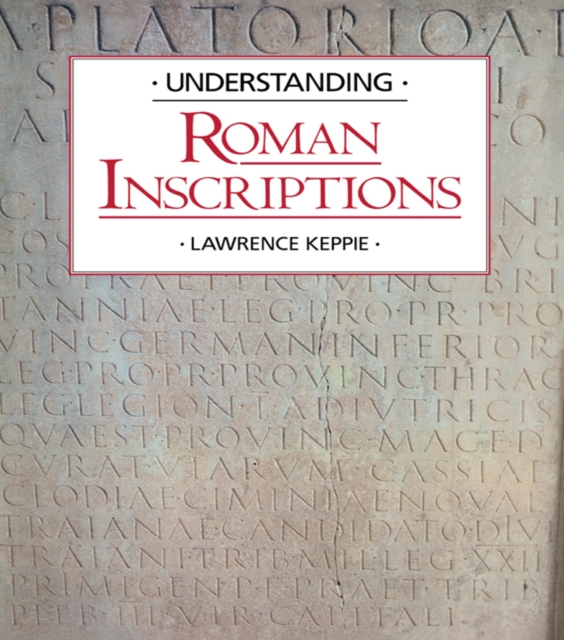
Lawrence Keppie's book offers the non-specialist a comprehensive and enjoyable guide to undestanding the texts of Roman inscriptions, as well as explaining the numerous different contexts in which they were produced.
Lawrence Keppie's book offers the non-specialist a comprehensive and enjoyable guide to undestanding the texts of Roman inscriptions, as well as explaining the numerous different contexts in which they were produced.
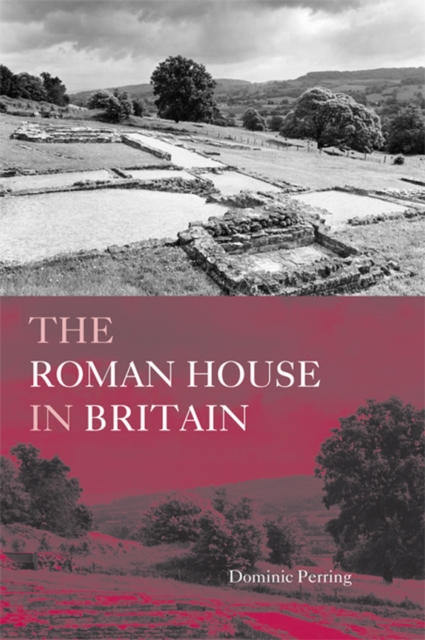
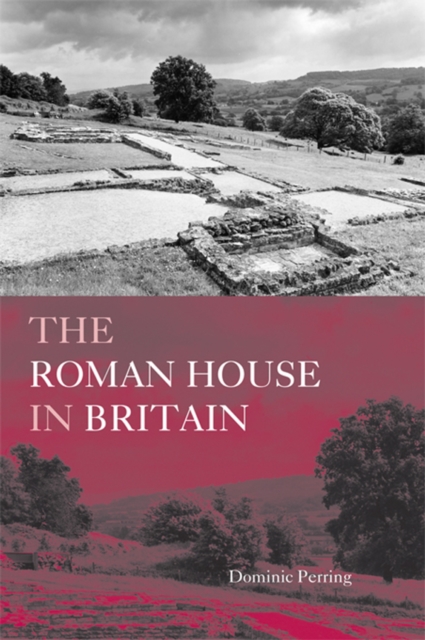
This authoritative and original work sets the results of recent archaeological research in the context of classical scholarship, as it explores three main aspects of Romano-British buildings:* general characteristics of form and structure* the ways in which they were built and decorated* the range of activities for which they were designed.
This authoritative and original work sets the results of recent archaeological research in the context of classical scholarship, as it explores three main aspects of Romano-British buildings:* general characteristics of form and structure* the ways in which they were built and decorated* the range of activities for which they were designed.
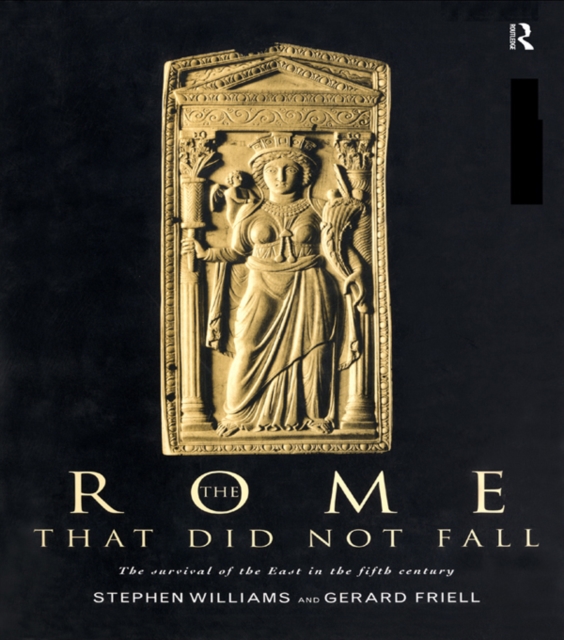
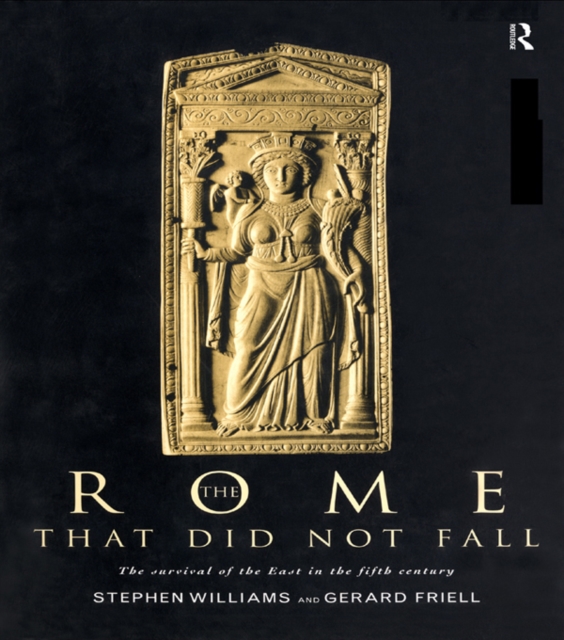
The Rome that Did Not Fall provides a well-illustrated, comprehensive narrative and analysis of the Roman empire in the east, charting its remarkable growth and development which resulted in the distinct and enduring civilization of Byzantium.
The Rome that Did Not Fall provides a well-illustrated, comprehensive narrative and analysis of the Roman empire in the east, charting its remarkable growth and development which resulted in the distinct and enduring civilization of Byzantium.
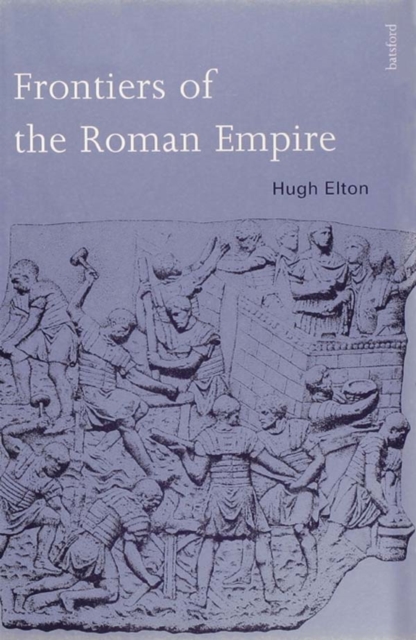
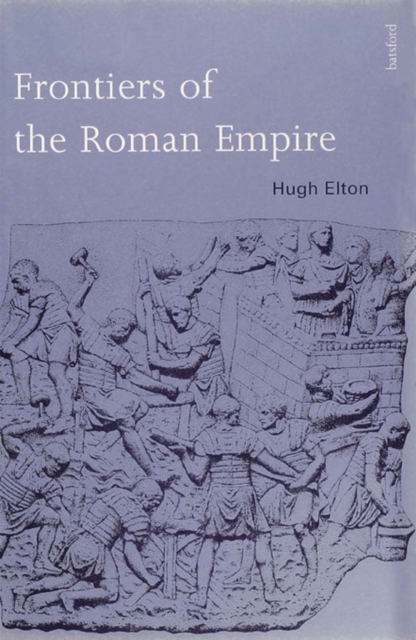
With its succinct analysis of the overriding issues and detailed case-studies based on the latest archaeological research, this social and economic study of Roman Imperial frontiers is essential reading.
With its succinct analysis of the overriding issues and detailed case-studies based on the latest archaeological research, this social and economic study of Roman Imperial frontiers is essential reading.
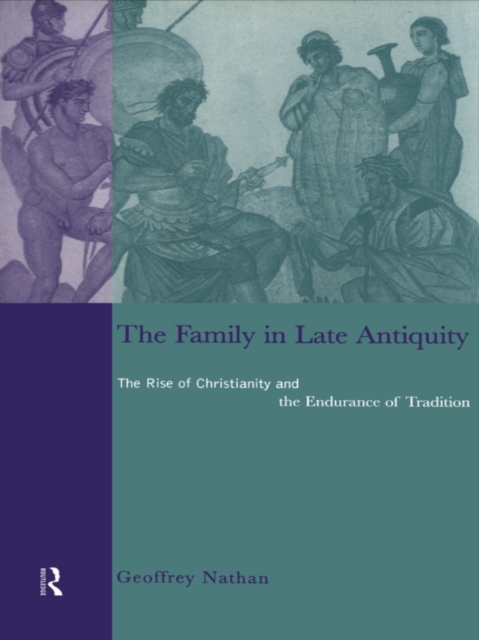
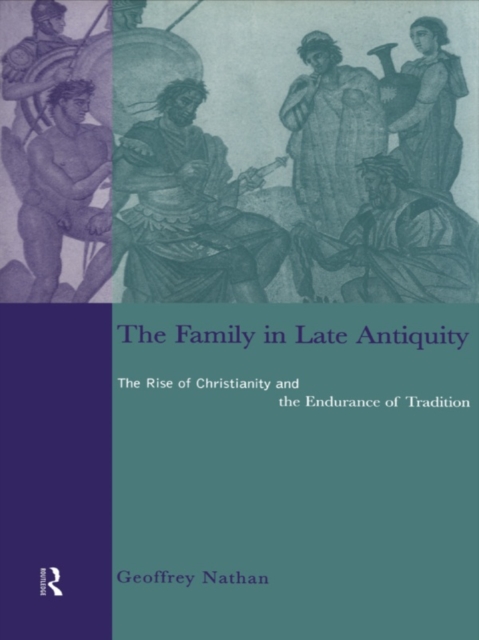
The Family in Late Antiquity offers a challenging, well-argued and coherent study of the family in the late Roman world and the influence of the emerging Christian religion on its structure and value.
The Family in Late Antiquity offers a challenging, well-argued and coherent study of the family in the late Roman world and the influence of the emerging Christian religion on its structure and value.
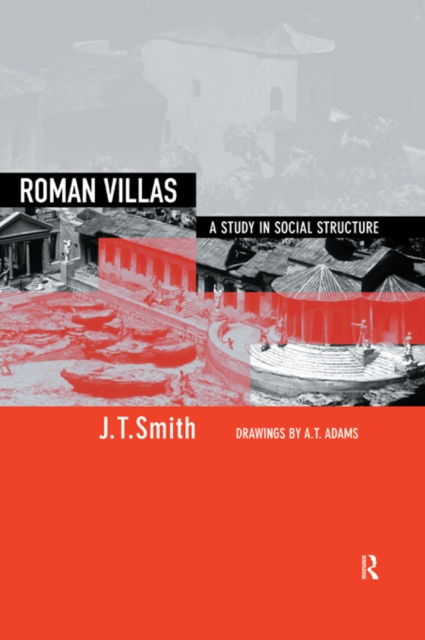
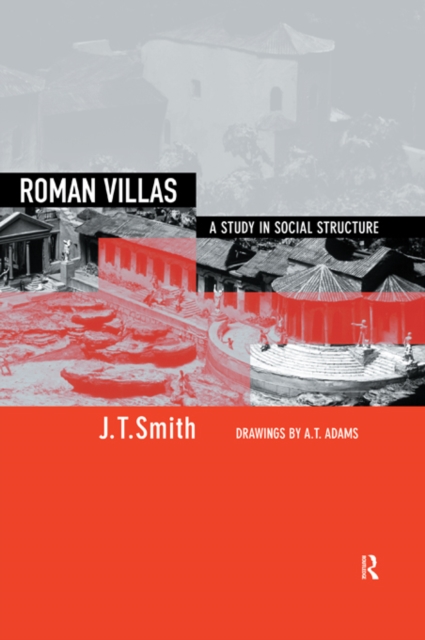
Roman Villas explores the social structures of the Roman world by analysing the plans of buildings of all sizes from slightly Romanized farms to palaces.
Roman Villas explores the social structures of the Roman world by analysing the plans of buildings of all sizes from slightly Romanized farms to palaces.
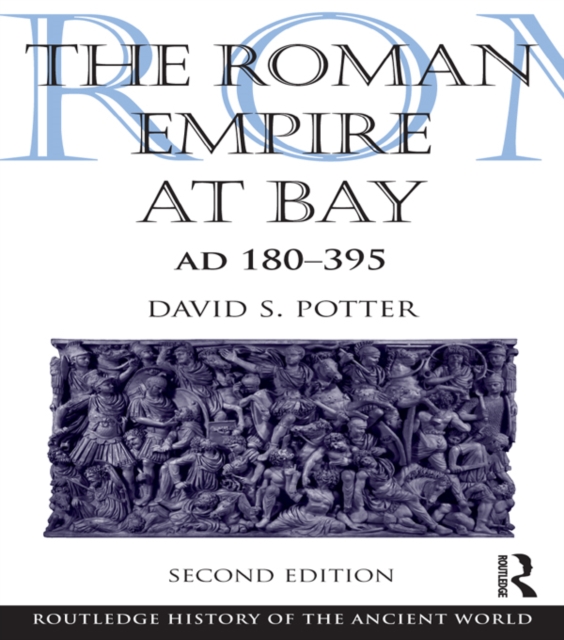
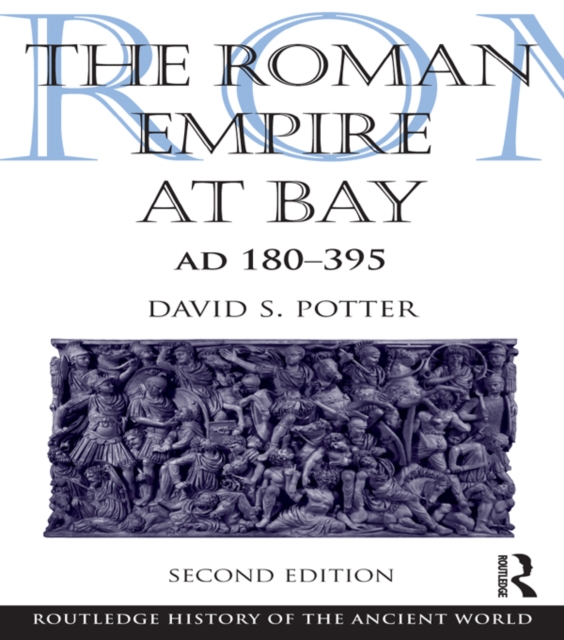
The Roman Empire at Bay is the only one volume history of the critical years 180-395 AD, which saw the transformation of the Roman Empire from a unitary state centred on Rome, into a new polity with two capitals and a new religion-Christianity.
The Roman Empire at Bay is the only one volume history of the critical years 180-395 AD, which saw the transformation of the Roman Empire from a unitary state centred on Rome, into a new polity with two capitals and a new religion-Christianity.
The Republican Roman Army assembles a wide range of source material and introduces the latest scholarship on the evolution of the Roman Army and the Roman experience of war.
The Republican Roman Army assembles a wide range of source material and introduces the latest scholarship on the evolution of the Roman Army and the Roman experience of war.
Roman Edessa offers a comprehensive and erudite analysis of the ancient city of Edessa (modern day Urfa, Turkey), which constituted a remarkable amalgam of the East and the West.
Roman Edessa offers a comprehensive and erudite analysis of the ancient city of Edessa (modern day Urfa, Turkey), which constituted a remarkable amalgam of the East and the West.
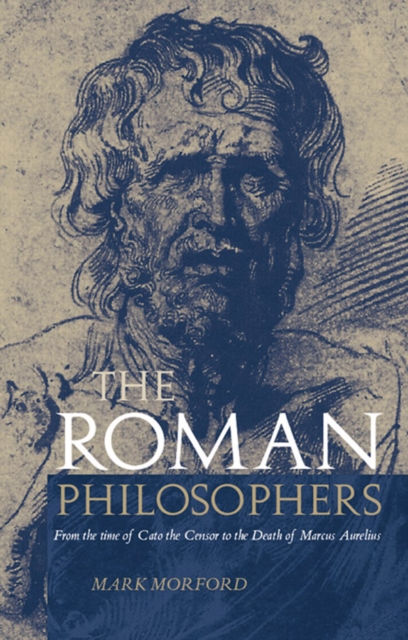
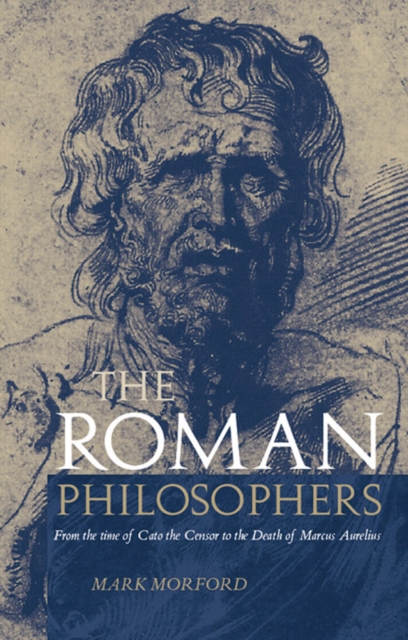
The philosophers of the Roman world were asking questions whose answers had practical effects on people's lives in antiquity, and which still influence our thinking to this day.
The philosophers of the Roman world were asking questions whose answers had practical effects on people's lives in antiquity, and which still influence our thinking to this day.
This lively and original guidebook is the first to show students new to the subject exactly what Roman social history involves, and how they can study it for themselves.
This lively and original guidebook is the first to show students new to the subject exactly what Roman social history involves, and how they can study it for themselves.
Matrona Docta presents a unique study of the education of upper-class women in Roman society in the central period of Roman history, from the second century BC to AD 235.
Matrona Docta presents a unique study of the education of upper-class women in Roman society in the central period of Roman history, from the second century BC to AD 235.
Throughout history, every culture has had its own ideas on what growing up and growing old means, with variations between chronological, biological and social ageing, and with different emphases on the critical stages and transitions from birth to death.