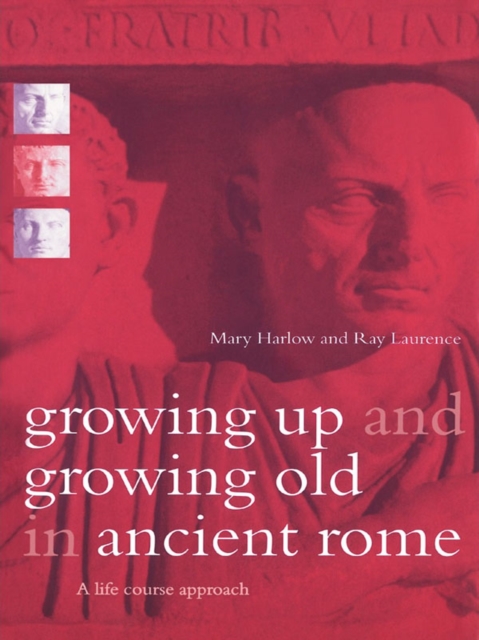
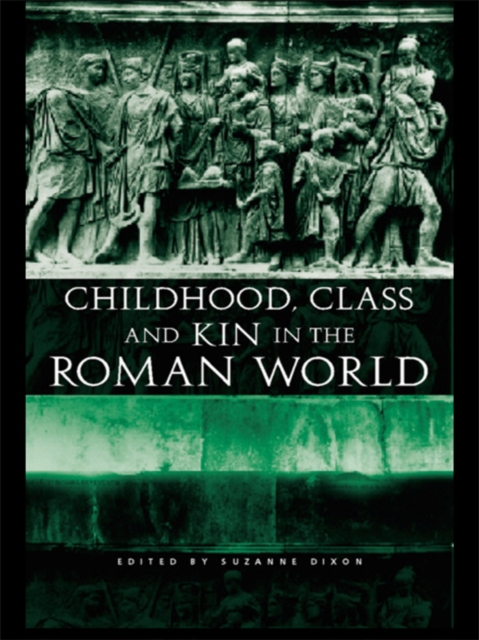
Throughout history, every culture has had its own ideas on what growing up and growing old means, with variations between chronological, biological and social ageing, and with different emphases on the critical stages and transitions from birth to death.
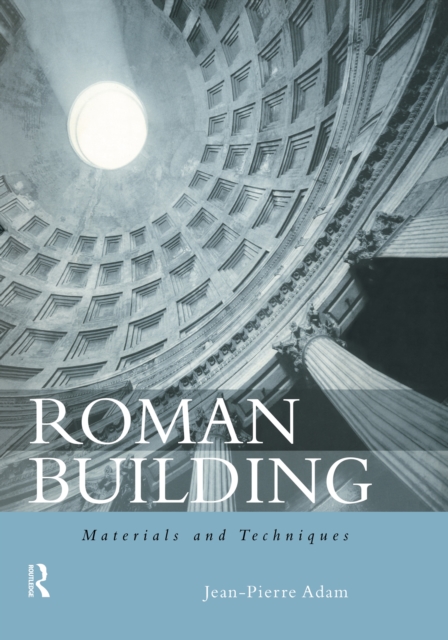
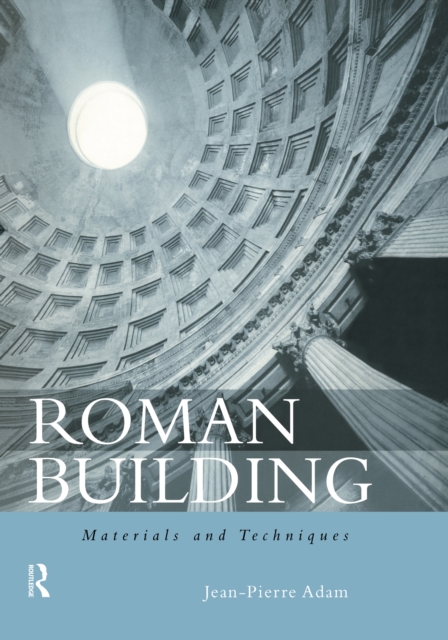
With over 750 illustrations, Roman Buildings is a thorough and systematic examination of Roman architecture and building practice, looking at large-scale public buildings as well as more modest homes and shops.
With over 750 illustrations, Roman Buildings is a thorough and systematic examination of Roman architecture and building practice, looking at large-scale public buildings as well as more modest homes and shops.
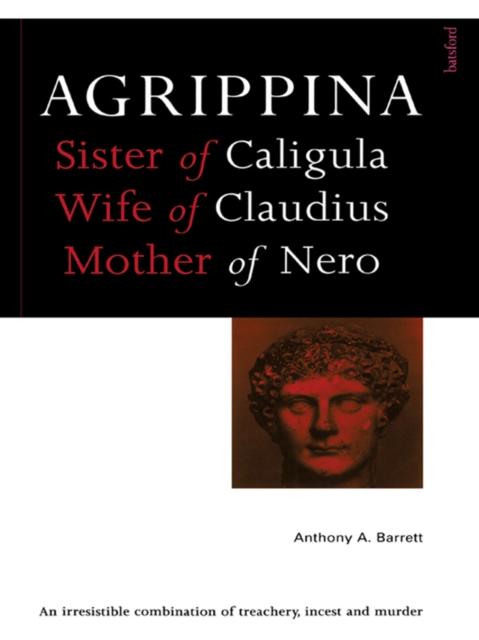
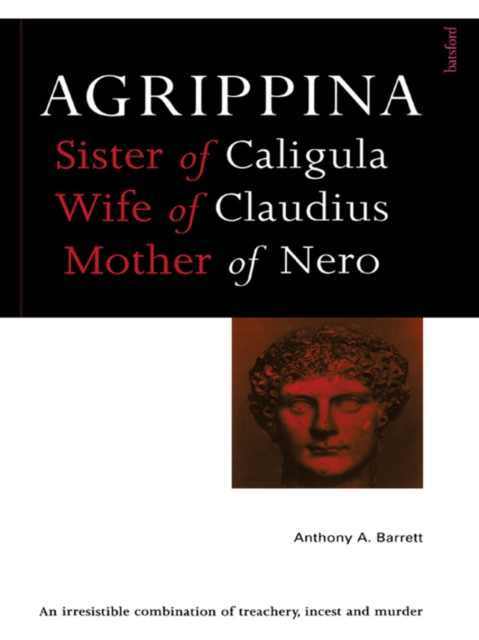
In this dynamic new biography - the first on Agrippina in English - Professor Barrett uses the latest archaeological, numismatic and historical evidence to provide a close and detailed study of her life and career.
In this dynamic new biography - the first on Agrippina in English - Professor Barrett uses the latest archaeological, numismatic and historical evidence to provide a close and detailed study of her life and career.
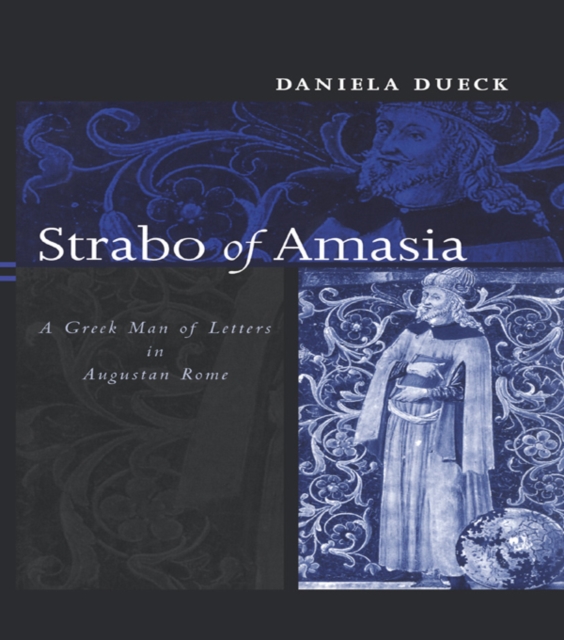
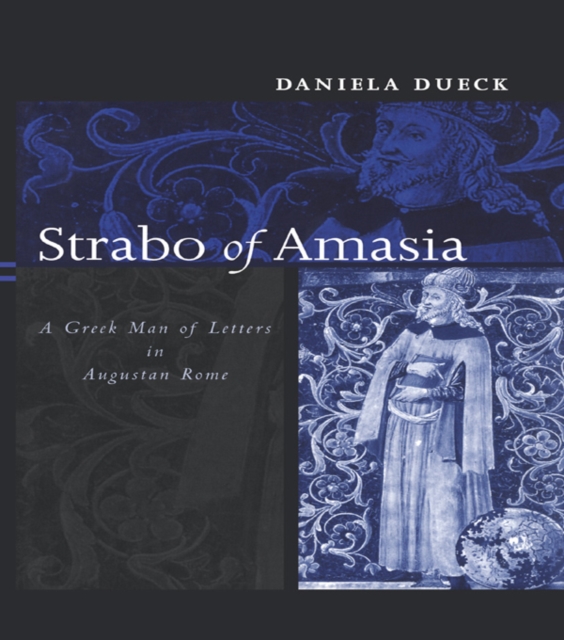
Strabo of Amasia offers an intellectual biography of Strabo, a Greek man of letters, set against the political and cultural background of Augustan Rome.
Strabo of Amasia offers an intellectual biography of Strabo, a Greek man of letters, set against the political and cultural background of Augustan Rome.
This book reveals how an empire that stretched from Glasgow to Aswan in Egypt could be ruled from a single city and still survive more than a thousand years.
This book reveals how an empire that stretched from Glasgow to Aswan in Egypt could be ruled from a single city and still survive more than a thousand years.
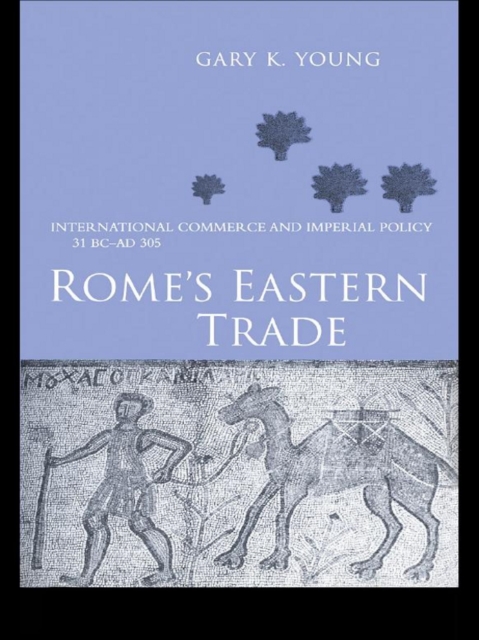
The spectacular ruins of such places as Palmyra and Petra bear witness to the wealth and power which could be derived from the silks, spices and incense of the east.
The spectacular ruins of such places as Palmyra and Petra bear witness to the wealth and power which could be derived from the silks, spices and incense of the east.
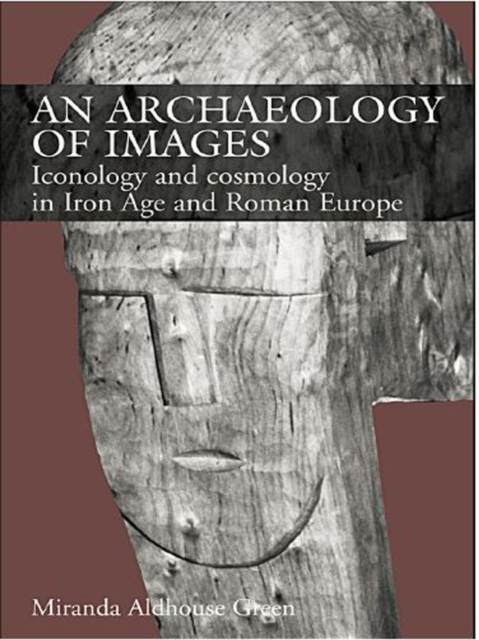
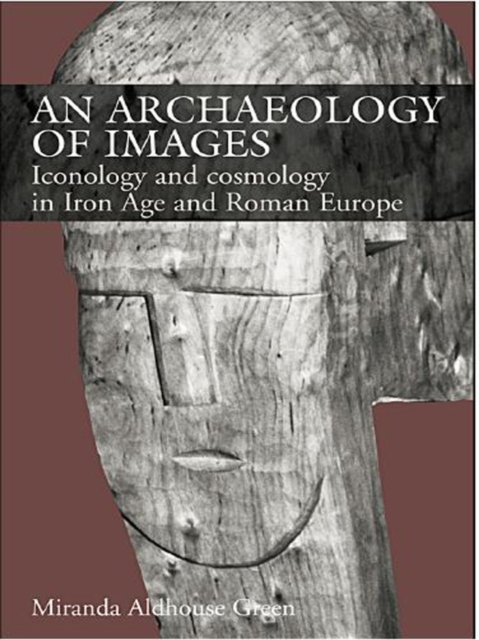
Using archaeology and social anthropology, and more than 100 original line drawings and photographs, An Archaeology of Images takes a fresh look at how ancient images of both people and animals were used in the Iron Age and Roman societies of Europe, 600 BC to AD 400 and investigates the various meanings with which images may have been imbued.
Using archaeology and social anthropology, and more than 100 original line drawings and photographs, An Archaeology of Images takes a fresh look at how ancient images of both people and animals were used in the Iron Age and Roman societies of Europe, 600 BC to AD 400 and investigates the various meanings with which images may have been imbued.
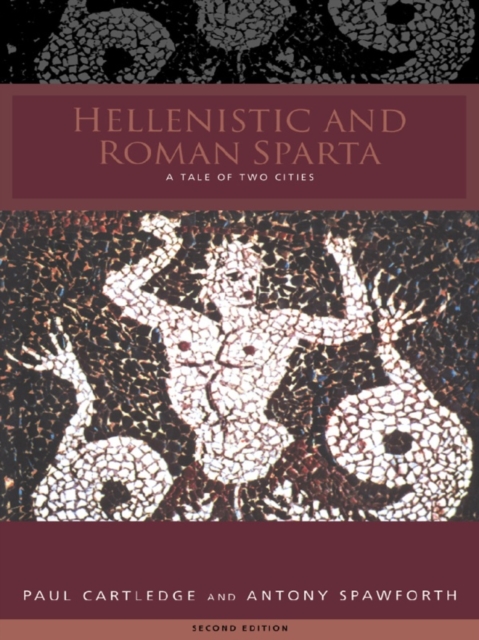
In this new edition, Paul Cartledge and Antony Spawforth have taken account of recent finds and scholarship to revise and update their authoritative overview of later Spartan history, and of the social, political, economic and cultural changes in the Spartan community.
In this new edition, Paul Cartledge and Antony Spawforth have taken account of recent finds and scholarship to revise and update their authoritative overview of later Spartan history, and of the social, political, economic and cultural changes in the Spartan community.
Affording a clearer depiction of women in the Late Iron Age and Roman Britain than currently exists, Dorothy Watts examines archaeological, inscriptional and literary evidence to present a unique assessment of women and their place during the Romanization of Britain.
Affording a clearer depiction of women in the Late Iron Age and Roman Britain than currently exists, Dorothy Watts examines archaeological, inscriptional and literary evidence to present a unique assessment of women and their place during the Romanization of Britain.
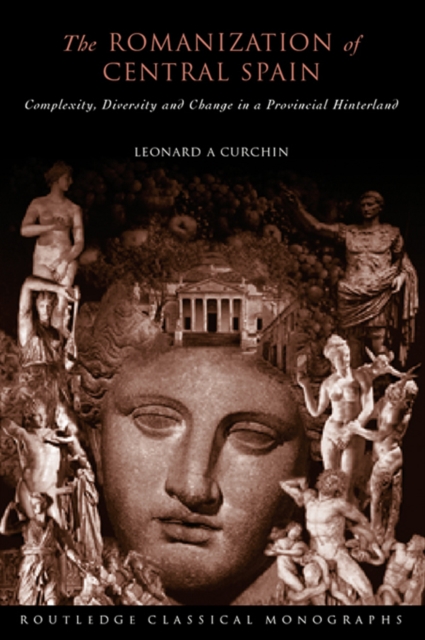
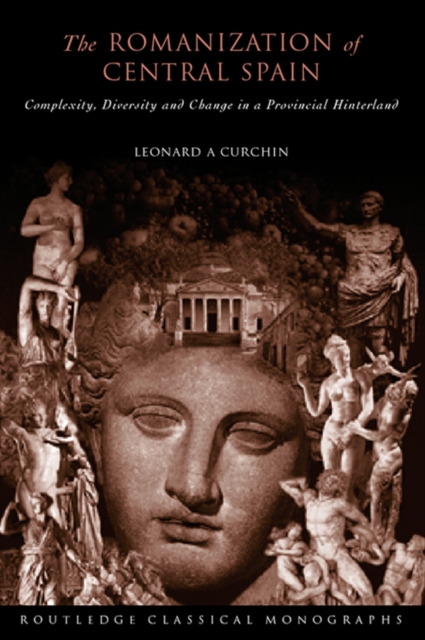
Curchin explores how, why and to what extent the peoples of Central Spain were integrated into the Roman Empire during the period from the second century BC to the second century AD.
Curchin explores how, why and to what extent the peoples of Central Spain were integrated into the Roman Empire during the period from the second century BC to the second century AD.
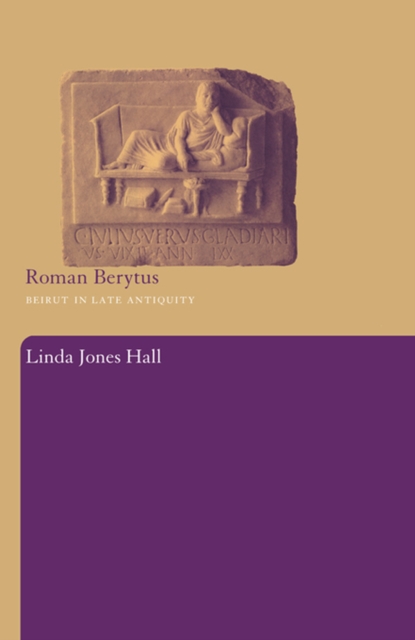
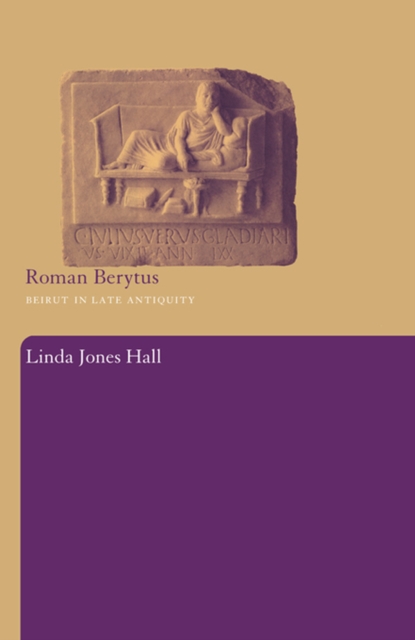
Examining the numerous primary sources, including inscriptions, religions, histories, literary references, legal codes, and archaeological reports, Linda Jones Hall presents a composite history of late antique Berytus - from its founding as a Roman colony in the time of Augustus, to its development into a center of legal study under Justinian.
Examining the numerous primary sources, including inscriptions, religions, histories, literary references, legal codes, and archaeological reports, Linda Jones Hall presents a composite history of late antique Berytus - from its founding as a Roman colony in the time of Augustus, to its development into a center of legal study under Justinian.
Challenging both traditional and fashionable theories, this collection of pieces from an international range of contributors explores the separation of the human past into history, archaeology and their related sub-disciplines.
Challenging both traditional and fashionable theories, this collection of pieces from an international range of contributors explores the separation of the human past into history, archaeology and their related sub-disciplines.