This book focuses on early childhood education (ages 3-8), (UNICEF, 2023; Vandenbroeck, Lenaerts & Miroslav, 2018), emphasizing the transition to compulsory schooling.
This ethnographic work examines both the colonial language governmentality imposed by the Turkish state and the Kurdish language activism as a response to this system.
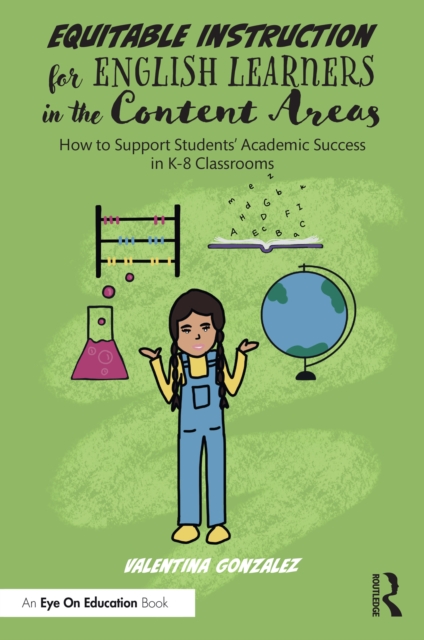
In Equitable Instruction for English Learners in the Content Areas, ESL expert Valentina Gonzalez shows you how to meet the needs of English learners in K-8 classrooms.
Grammar Toolkit Lesson Plans for Middle School: Mentor Text-Based Grammar Lessons for the Middle School English Classroom contains detailed grammar lesson plans for teachers in grades six, seven, and eight.
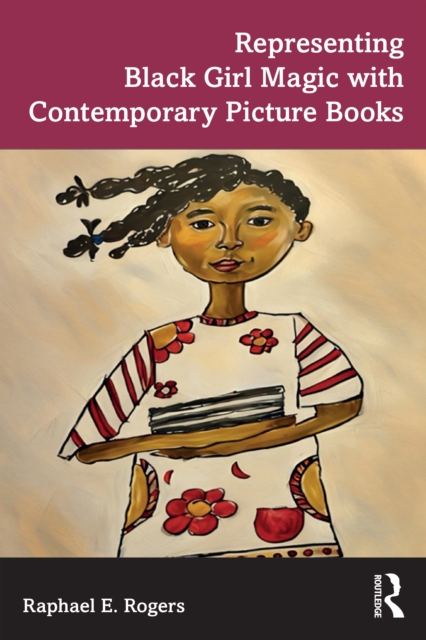
Representing Black Girl Magic with Contemporary Picture Books explores how contemporary, culturally relevant, and responsive picture books can provide educators with a chance to teach about race and racism in the classroom.
This edited book focuses on the ways in which contemporary societal challenges are constructed, mediated and lived through language and other semiotic modalities in new on- and off-line spaces.
This edited book focuses on the ways in which contemporary societal challenges are constructed, mediated and lived through language and other semiotic modalities in new on- and off-line spaces.
This collection examines the learning and teaching of minority languages for adult migrants in Europe, with studies featuring perspectives from adult migrants themselves as well as local authorities, teachers, education planners and representatives from working life.
This collection spotlights the authentic voices of plurilingual learners, bringing together autoethnographies of over twenty graduate students to deepen current understandings of lived experiences of plurilingualism.
The new sixth edition of this popular book has been written to help international students succeed in writing essays and reports for their English-language academic courses.
This book explores the marginalization that English as additional language (EAL) learners, immigrant or language-minoritized people confront when learning to socialize into using the language of schooling.
This book explores the marginalization that English as additional language (EAL) learners, immigrant or language-minoritized people confront when learning to socialize into using the language of schooling.
Representing Black Girl Magic with Contemporary Picture Books explores how contemporary, culturally relevant, and responsive picture books can provide educators with a chance to teach about race and racism in the classroom.
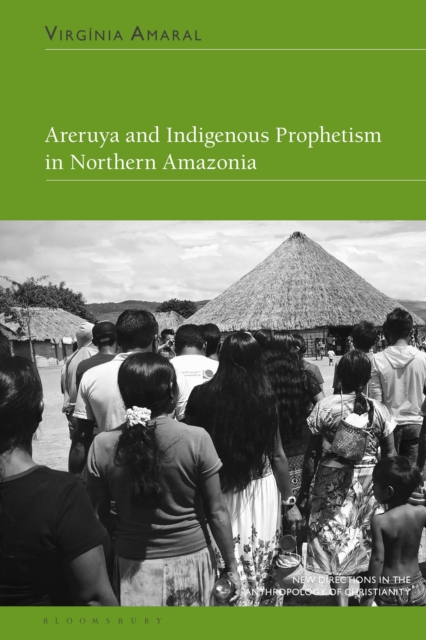
Based on four years of ethnographic research, this book discusses the presence of Christianity on Areruya, an indigenous religious movement practiced by the Ingarik in Northern Amazonia.
New Approaches to Language and Identity in Contexts of Migration and Diaspora draws together expertise and contemporary research findings in respect of language and identity in migrant and diasporic contexts throughout the world.
This book addresses increasingly diverse language learning trajectories in a modern, globalized world, specifically outside of formal classroom situations and with respect to second and additional language practices.
New Approaches to Language and Identity in Contexts of Migration and Diaspora draws together expertise and contemporary research findings in respect of language and identity in migrant and diasporic contexts throughout the world.
This edited volume presents an inter- and multidisciplinary approach towards language teacher education, confronting the issues that have continued to pervade the field for the last two decades.
This volume looks at the preparation of future critical language teachers in the face of an increasingly multilingual and transcultural contemporary world.
In a world where cultural identity is often defined by national borders, this book follows the compelling journeys of young adults caught between preserving the culture and language of their migrant parents and navigating societal pressures to fit into the country in which they were born.
This book takes urban Wolof beyond Senegal to consider the effects of mobility on language and examine how the diasporans engage in their daily language practices as transmigrants.
Das Kulturphänomen Mehrsprachigkeit hat sich in den letzten Jahren wie kaum ein anderes Thema in den Brennpunkt sowohl der Öffentlichkeit als auch der Forschung katapultiert.
Das Kulturphänomen Mehrsprachigkeit hat sich in den letzten Jahren wie kaum ein anderes Thema in den Brennpunkt sowohl der Öffentlichkeit als auch der Forschung katapultiert.
The notion of the native speaker and its undertones of ultimate language competence, language ownership and social status has been problematized by various researchers, arguing that the ensuing monolingual norms and assumptions are flawed or inequitable in a global super-diverse world.
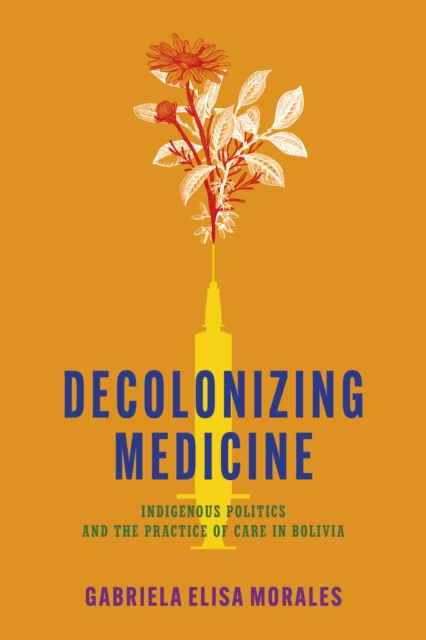
Decolonizing Medicine examines Bolivian state-led efforts to decolonize health services during the administration of Evo Morales, Bolivia's first Indigenous president.
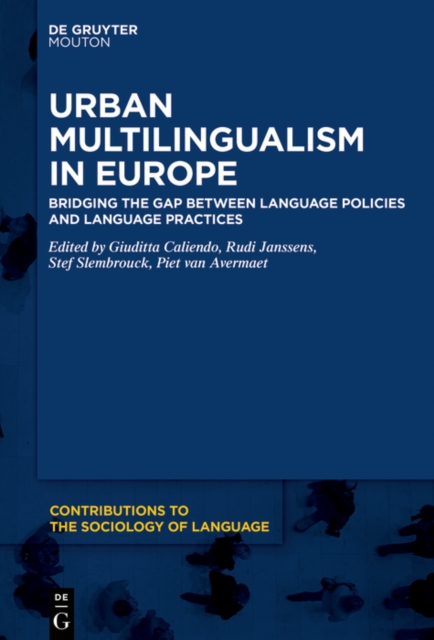
Today's growing mobility in European urban regions results in a more widespread language diversity, which is increasingly challenging current language policies.