Bridging Texts: Translation and Literary Studies in Dialogue is an insightful examination of the relationship between translation and literary studies.
This volume presents a systematic overview of current research on the issues that arise when recreating and translating dialogue in works of fiction (including narrative, drama and film scripts).
Today's theological students, an increasingly diverse population, face the task of reading and interpreting the Bible in multicultural contexts, which leads them to ask somewhat different questions than students of previous generations.
This book looks at the intersection where languages "e;meet"e;, where literary studies connect with other domains of knowledge such as translation, modern linguistics, philosophy of language, the teaching of languages, and cultural studies.
This book looks at the intersection where languages "e;meet"e;, where literary studies connect with other domains of knowledge such as translation, modern linguistics, philosophy of language, the teaching of languages, and cultural studies.
This edited collection explores the mediation between languages, cultures and people that occurs when Shakespeare is translated - in multiple senses - and who is included and excluded in the process.
This edited collection explores the mediation between languages, cultures and people that occurs when Shakespeare is translated - in multiple senses - and who is included and excluded in the process.
This book details the process of building a Chinese-English machine translation system that automatically translates Chinese recipes into English through machine processing without human intervention (TransRecipe).
The Routledge Guide to Teaching Foreign Languages for Translation and Interpreting is an essential resource for lecturers and course designers looking to develop a foreign language module within a translation and interpreting program.
The Routledge Guide to Teaching Foreign Languages for Translation and Interpreting is an essential resource for lecturers and course designers looking to develop a foreign language module within a translation and interpreting program.
This book details the process of building a Chinese-English machine translation system that automatically translates Chinese recipes into English through machine processing without human intervention (TransRecipe).
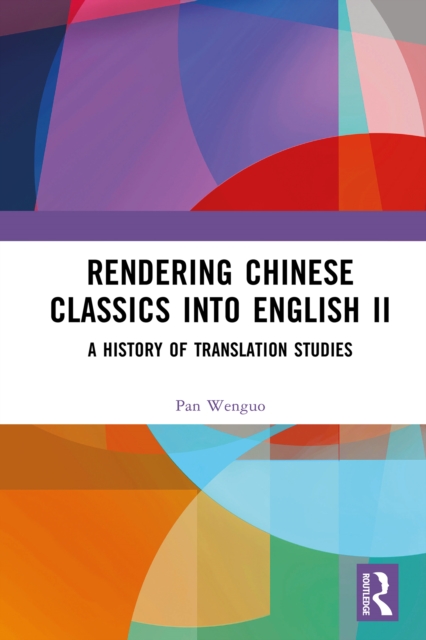
This second volume of the three-part encyclopedia of Chinese-English translation provides a comprehensive exploration of the evolution of translation studies in both China and the West.
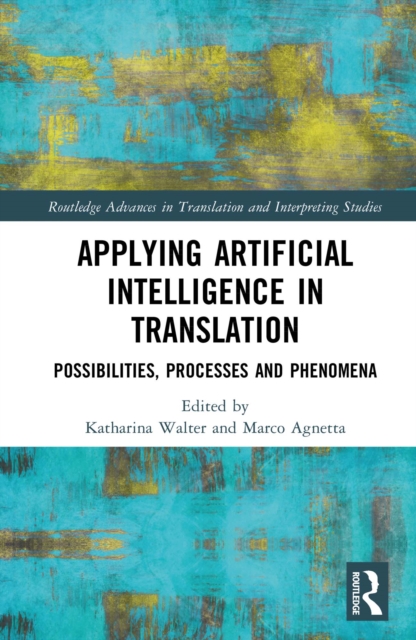
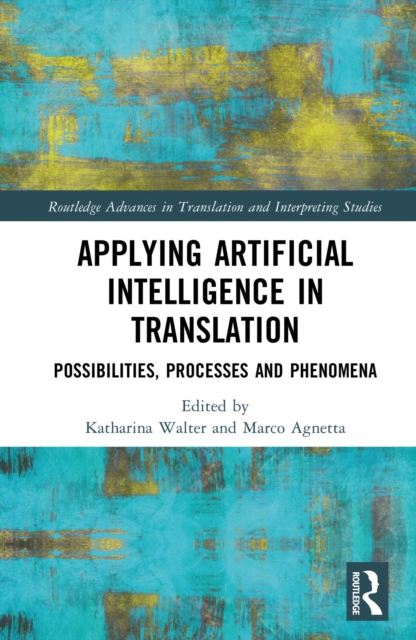
This collection critically examines the opportunities and challenges associated with the use of AI-based tools in translation, which have rapidly transformed the language industry in recent years.
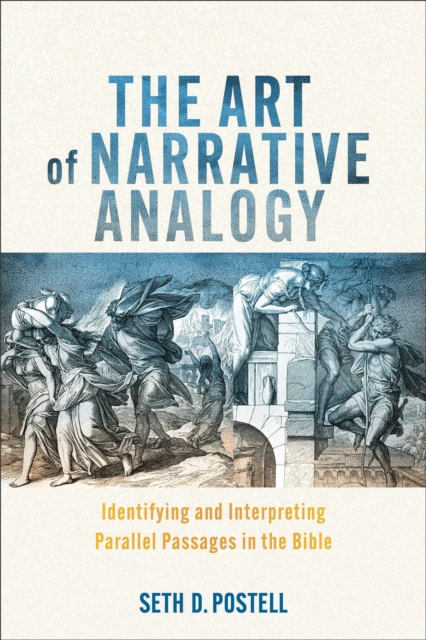
Explore how scriptural authors employ parallels to illuminate theological truths and deepen narrative coherenceIn The Art of Narrative Analogy, Seth Postell offers a literary approach for understanding the relationship between the two Testaments, and between various biblical narratives, that is more sensitive to the verbal meaning of the Old Testament than popular typological approaches.
This second volume of the three-part encyclopedia of Chinese-English translation provides a comprehensive exploration of the evolution of translation studies in both China and the West.
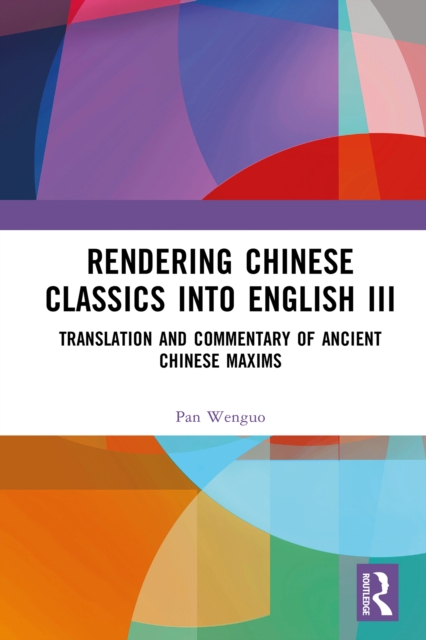
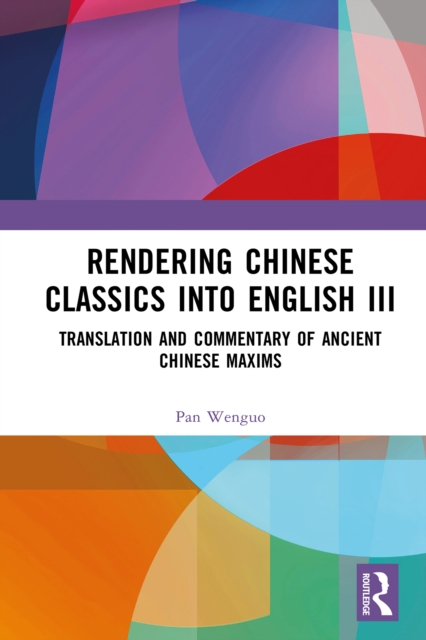
This third volume of the three-volume encyclopedic set of Chinese-English translations offers practical insights by examining ancient Chinese maxims, comparing different translations, and providing expert commentary.
This collection critically examines the opportunities and challenges associated with the use of AI-based tools in translation, which have rapidly transformed the language industry in recent years.
This third volume of the three-volume encyclopedic set of Chinese-English translations offers practical insights by examining ancient Chinese maxims, comparing different translations, and providing expert commentary.
Following the historical analysis that focused on the actors and the institutions of book culture in the first volume, volume two discusses writing strategies in the global licensing realm, as well as revealing the form, character, and structure of multilateral literature.
Following the historical analysis that focused on the actors and the institutions of book culture in the first volume, volume two discusses writing strategies in the global licensing realm, as well as revealing the form, character, and structure of multilateral literature.