This book addresses a controversial issue regarding SL-TL transfer in the translation process, namely the question as to the dominant route in English-Chinese and Chinese-English professional consecutive interpretations, respectively: the form-based processing route or meaning-based processing route.
This book sheds new light on corpus-assisted translation pedagogy, an intersection of three distinct but cognate disciplines: corpus linguistics, translation and pedagogy.
Naoki Sakai is an important and prominent thinker in Asian and cultural studies and his work continues to make itself felt across a broad range of both national and disciplinary borders.
This book addresses the hot topic in audiovisual translation (AVT) of video game localization through the unique perspective of dubbing, an area which has so far received relatively little scholarly focus.
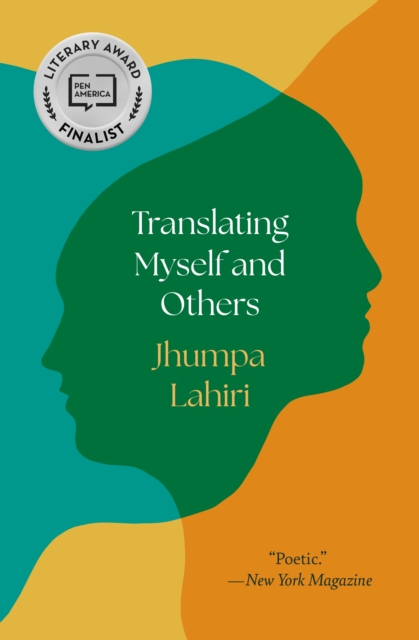
Luminous essays on translation and self-translation by an award-winning writer and literary translatorTranslating Myself and Others is a collection of candid and disarmingly personal essays by Pulitzer Prizewinning author Jhumpa Lahiri, who reflects on her emerging identity as a translator as well as a writer in two languages.
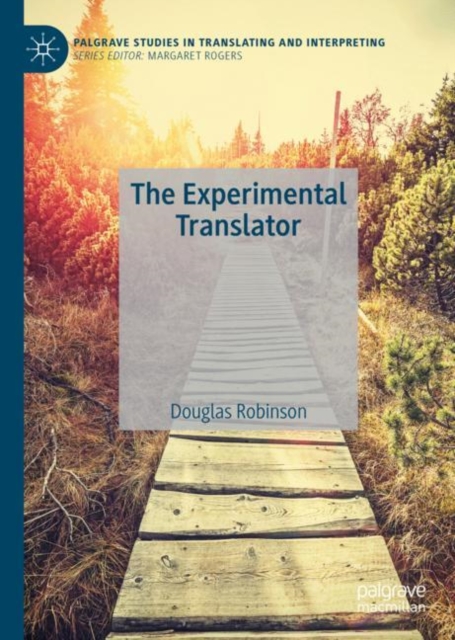
This book celebrates experimental translation, taking a series of exploratory looks at the hypercyborg translator, the collage translator, the smuggler translator, and the heteronymous translator.
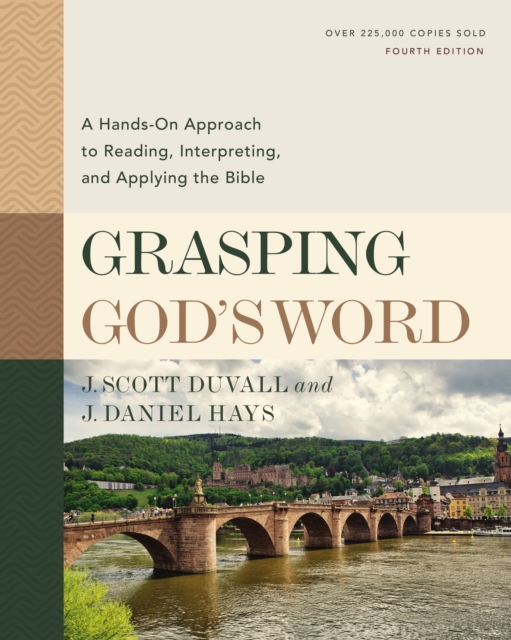
A Proven Approach to Help You Interpret and Understand the BibleGrasping God's Word has proven itself in classrooms across the country as an invaluable help to students who want to learn how to read, interpret, and apply the Bible for themselves.
Bringing a fuzzy logic-based approach into translation studies and drawing on the theory of information entropy, this book discusses the translation of fuzzy language in literary works and advances a new method of measuring text fuzziness between translation and source text.
Bringing a fuzzy logic-based approach into translation studies and drawing on the theory of information entropy, this book discusses the translation of fuzzy language in literary works and advances a new method of measuring text fuzziness between translation and source text.
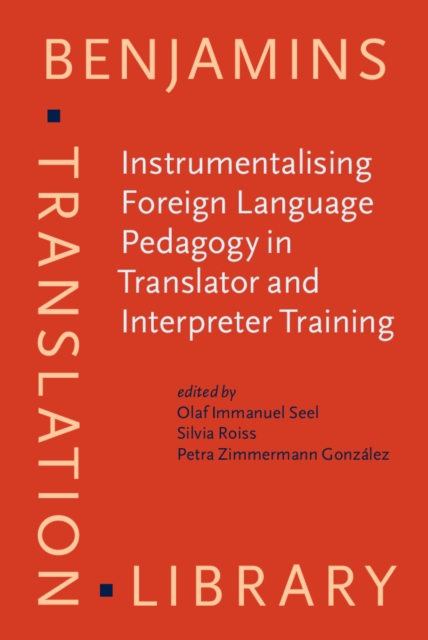
This volume offers a wide array of cutting-edge original research on the implementation of Foreign Language Pedagogy in translator and interpreter training, a still rather unexplored field of research in Translation Studies.
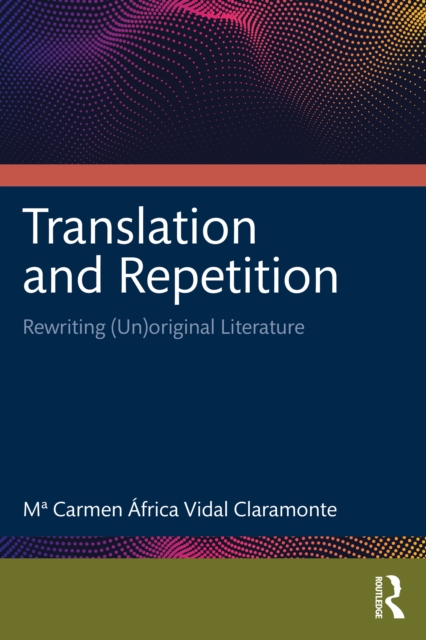
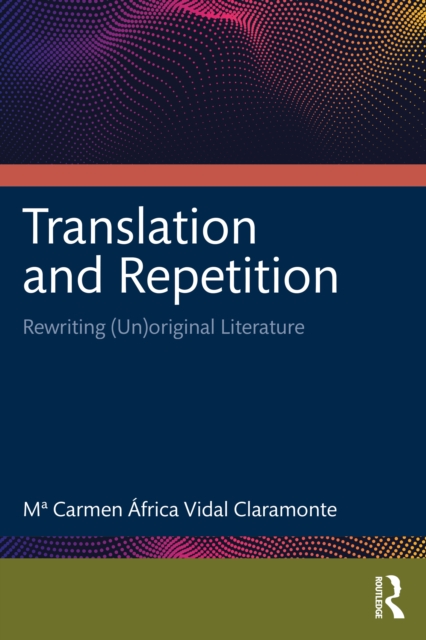
Translation and Repetition: Rewriting (Un)original Literature offers a new and original perspective in translation studies by considering creative repetition from the perspective of the translator.
Translation and Repetition: Rewriting (Un)original Literature offers a new and original perspective in translation studies by considering creative repetition from the perspective of the translator.
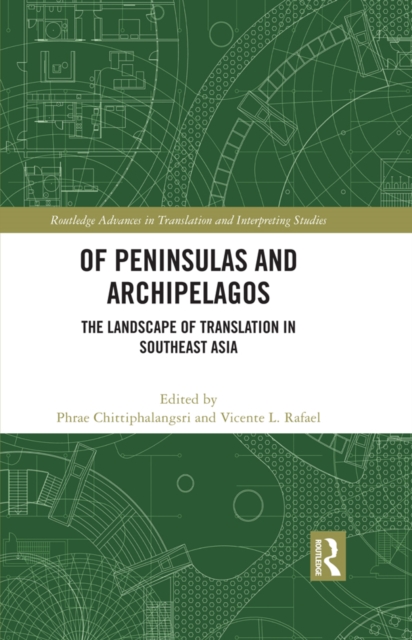
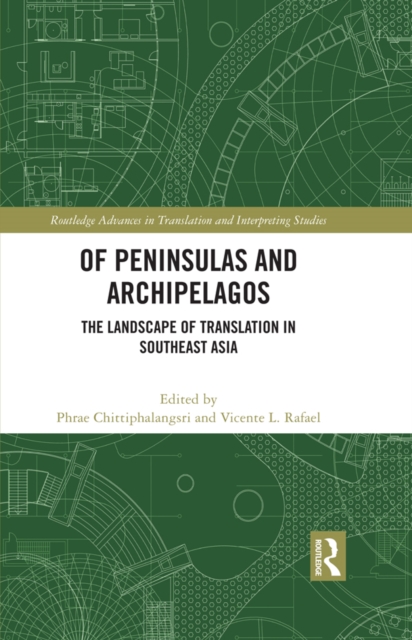
Comprising 11 countries and hundreds of languages from one of the most culturally diverse regions in the world, the chapters in this collection explore a wide range of translation issues.
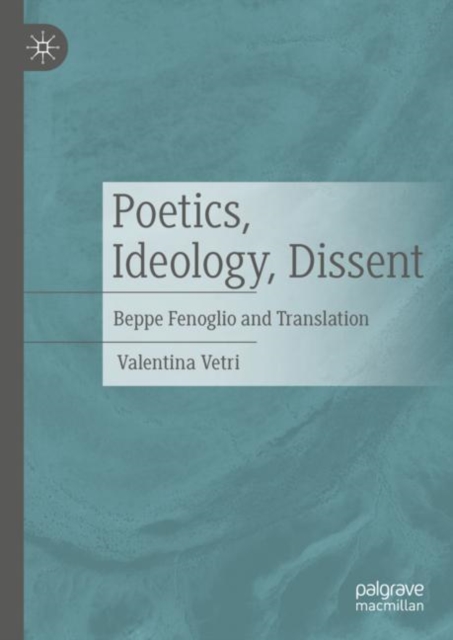
This book examines the translations carried out by Italian novelist Beppe Fenoglio, one of the most important Italian writers of the twentieth century.
Comprising 11 countries and hundreds of languages from one of the most culturally diverse regions in the world, the chapters in this collection explore a wide range of translation issues.
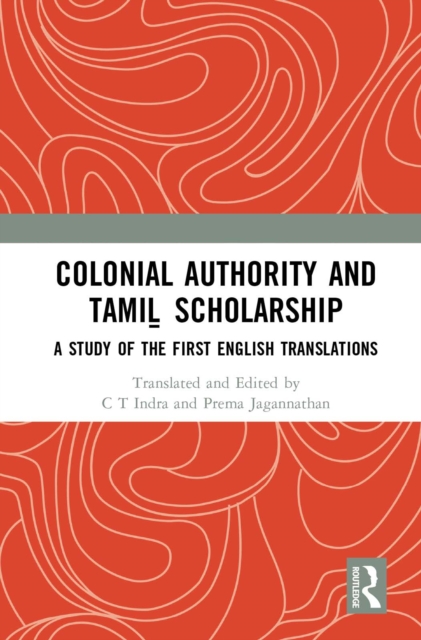
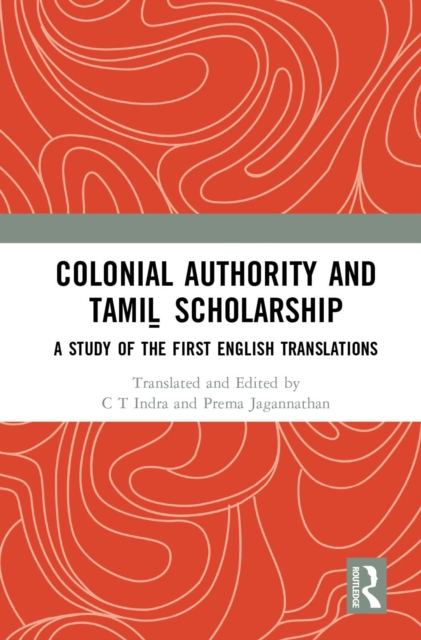
This book-an English translation of a key Tamil book of literary and cultural criticism-looks at the construction of Tamil scholarship through the colonial approach to Tamil literature as evidenced in the first translations into English.
This book-an English translation of a key Tamil book of literary and cultural criticism-looks at the construction of Tamil scholarship through the colonial approach to Tamil literature as evidenced in the first translations into English.
This book unveils the legendary life and the mystic poems of the iconic Chinese Tang poet Han-shan (known by his pen name "e;Cold Mountain"e;) and investigates the dissemination and reception of the Cold Mountain Poems (CMPs) attributed to him.
This book unveils the legendary life and the mystic poems of the iconic Chinese Tang poet Han-shan (known by his pen name "e;Cold Mountain"e;) and investigates the dissemination and reception of the Cold Mountain Poems (CMPs) attributed to him.
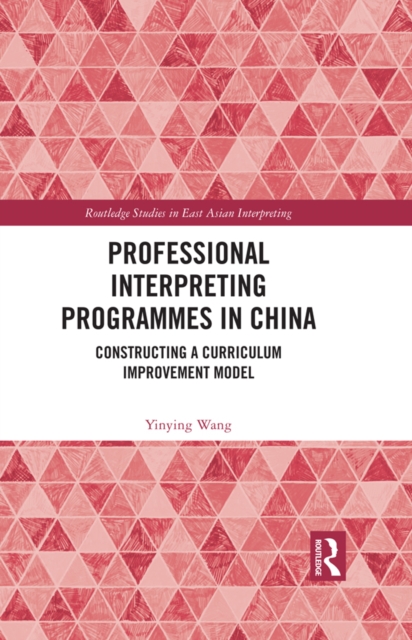
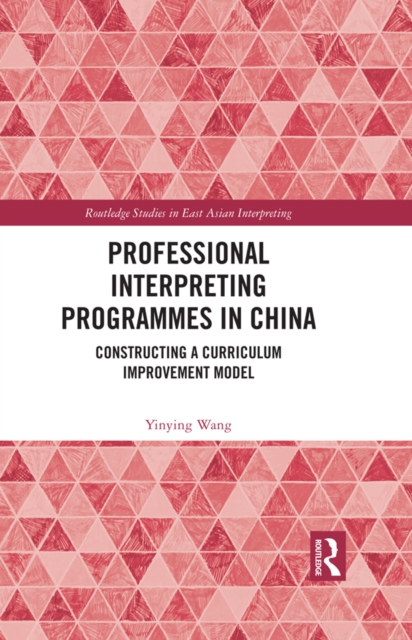
Wang presents the status quo of curriculum development in professional interpreting programmes in China and points to the urgency to devise a curriculum improvement model to ensure the relevance of such programmes against a changing reality.
This book examines the translations carried out by Italian novelist Beppe Fenoglio, one of the most important Italian writers of the twentieth century.
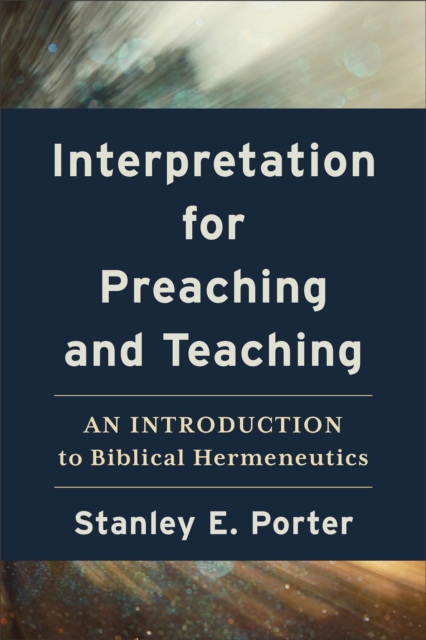
Renowned biblical scholar Stanley Porter offers an accessible introduction to hermeneutics to help students and pastors better interpret and understand God's Word.
Wang presents the status quo of curriculum development in professional interpreting programmes in China and points to the urgency to devise a curriculum improvement model to ensure the relevance of such programmes against a changing reality.
This volume offers a wide array of cutting-edge original research on the implementation of Foreign Language Pedagogy in translator and interpreter training, a still rather unexplored field of research in Translation Studies.
From using machine learning to shave seconds off translations, to using natural language processing for accurate real-time translation services, this book covers all the aspects.