Movement Disorders in Childhood, Second Edition, provides the most up-to-date information on the diseases and disorders that affect motor control, an important area of specialization within child neurology.
A "e;fascinating"e; and groundbreaking work of science that demonstrates the possibilities for human control over the workings of the brain (Cleveland Plain Dealer).
Big Data in Psychiatry and Neurology provides an up-to-date overview of achievements in the field of big data in Psychiatry and Medicine, including applications of big data methods to aging disorders (e.
Dieses Buch untersucht die besten verfügbaren empirischen Beweise für eine der schwierigsten und allgegenwärtigsten Fragen in allen Zeitaltern, Kulturen und Religionen: das Überleben des menschlichen Bewusstseins nach dem Tod.
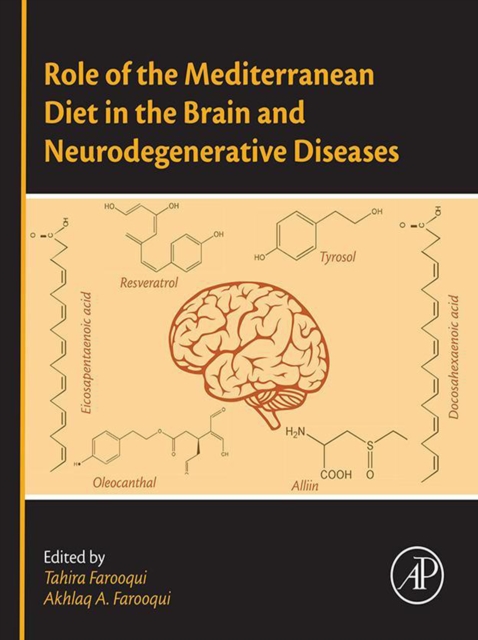
Role of the Mediterranean Diet in the Brain and Neurodegenerative Disease provides a comprehensive overview of the effects of all components of the Mediterranean diet on the brain, along with its beneficial effects in neurodegenerative diseases.
The Human Sciences after the Decade of the Brain brings together exciting new works that address today's key challenges for a mutual interaction between cognitive neuroscience and the social sciences and humanities.
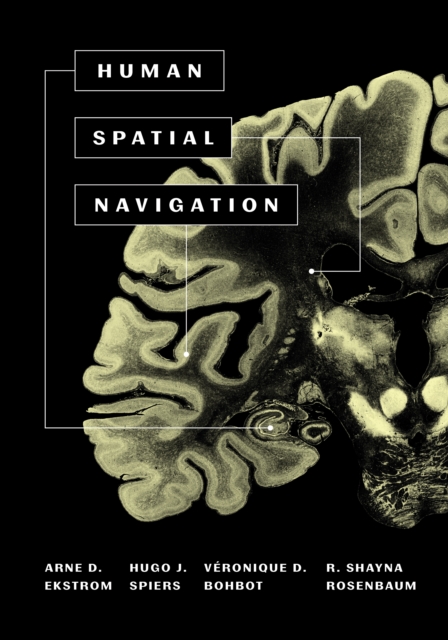
The first book to comprehensively explore the cognitive foundations of human spatial navigationHumans possess a range of navigation and orientation abilities, from the ordinary to the extraordinary.
A new framework for the neuroscientific study of emotions in humans and animalsThe Neuroscience of Emotion presents a new framework for the neuroscientific study of emotion across species.
From one of the world's leading authorities on animal behavior, the astonishing story of how the female brain drives the evolution of beauty in animals and humansDarwin developed the theory of sexual selection to explain why the animal world abounds in stunning beauty, from the brilliant colors of butterflies and fishes to the songs of birds and frogs.
A book that fundamentally changes how neuroscientists and psychologists categorize sensations and understand the origins and significance of human feelingsHow Do You Feel?
The remarkable story of how today's brain scanning techniques were developed, told by one of the field's pioneersIt is now possible to witness human brain activity while we are talking, reading, or thinking, thanks to revolutionary neuroimaging techniques like magnetic resonance imaging (MRI).
A look at the true nature of the zombie brainEven if you've never seen a zombie movie or television show, you could identify an undead ghoul if you saw one.
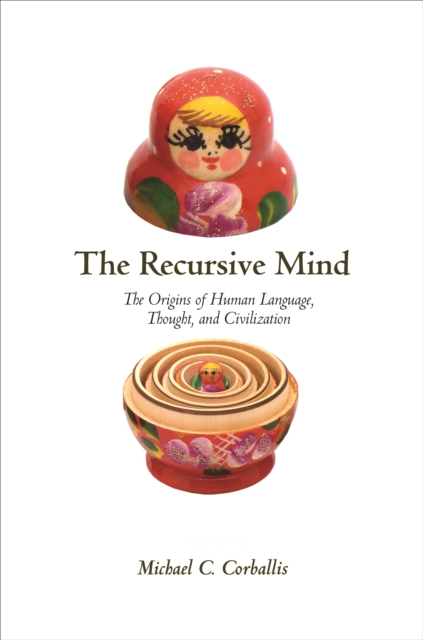
A groundbreaking theory of what makes the human mind uniqueThe Recursive Mind challenges the commonly held notion that language is what makes us uniquely human.
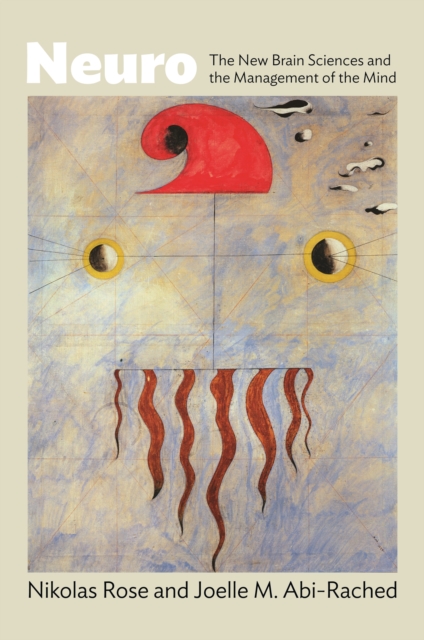
How the new brain sciences are transforming our understanding of what it means to be humanThe brain sciences are influencing our understanding of human behavior as never before, from neuropsychiatry and neuroeconomics to neurotheology and neuroaesthetics.
Bipolar Disorder Vulnerability: Perspectives from Pediatric and High-Risk Populations synthesizes our current understanding of high-risk and pediatric populations to aid readers in identifying markers of vulnerability for the development of bipolar disorder, with an ultimate goal of the development of drug targets and other therapies for early diagnosis and treatment.
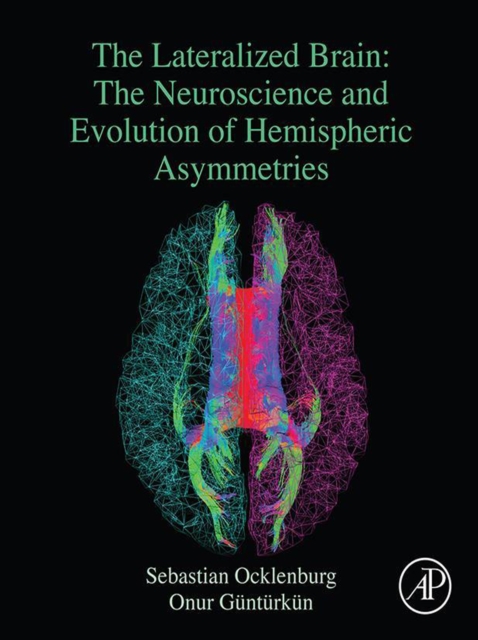
The Lateralized Brain: The Neuroscience and Evolution of Hemispheric Asymmetries is an up-to-date teaching resource for neuroscience faculty members that teach courses concerning hemispheric asymmetries.
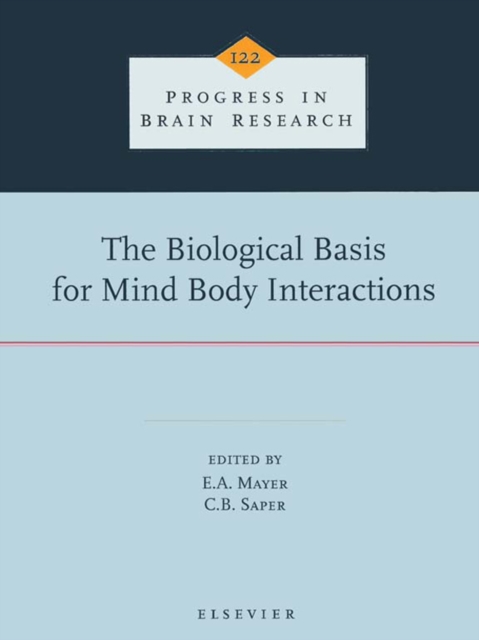
The current volume focuses on several key aspects of mind/brain/body interactions in health and disease, including specific examples of interactions between body and brain, mechanisms underlying the response of the system to stressors, the role of early life events in permanently biasing the responsiveness of the system and practical implications of mind body interactions in human disease.
The imaging of small cellular components requires powerful instruments, and an entire family of equipment and techniques based on the confocal principle has been developed over the past 30 years.
Paxinos and Franklin's The Mouse Brain in Stereotaxic Coordinates, Compact Fifth Edition, is the compact version of the most widely used and cited atlas of the mouse brain in print.
Un arsenal de armas contra el miedo que te llevará a establecer una nueva relación con las circunstancias que te producen temor e iniciar el camino a un nuevo y mejor futuro.
Development of the Nervous System presents a broad and basic treatment of the established and evolving principles of neural development as exemplified by key experiments and observations from past and recent times.
Handbook of Ultrasonic Vocalization: Window into the Mammalian Brain, Volume 25, is an exhaustive resource on ultrasonic vocalizations in vertebrates, providing full coverage of all aspects of these vocalizations.
Translational Neuroimaging: Tools for CNS Drug Discovery, Development and Treatment combines the experience of academic, clinical and industrial neuroimagers in a unique collaborative approach to provide an integrated perspective of the use of small animal and human brain imaging in developing and validating translational models and biomarkers for the study and treatment of neuropsychiatric disorders.
A single volume of 85 articles, the Handbook of the Neurobiology of Aging is an authoritative selection of relevant chapters from the Encyclopedia of Neuroscience, the most comprehensive source of neuroscience information assembled to date (AP Oct 2008).
Fundamentals of Cognitive Neuroscience: A Beginner's Guide, Second Edition, is a comprehensive, yet accessible, beginner's guide on cognitive neuroscience.
A major new theory of why human intelligence has not evolved in other speciesThe Human Evolutionary Transition offers a unified view of the evolution of intelligence, presenting a bold and provocative new account of how animals and humans have followed two powerful yet very different evolutionary paths to intelligence.
A revelatory tale of how the human brain develops, from conception to birth and beyondBy the time a baby is born, its brain is equipped with billions of intricately crafted neurons wired together through trillions of interconnections to form a compact and breathtakingly efficient supercomputer.
The neuroscience of why bad habits are so hard to break-and how evidence-based strategies can help us change our behavior more effectivelyWe all have habits we'd like to break, but for many of us it can be nearly impossible to do so.
The first ethnographic exploration of the contentious debate over whether nonhuman primates are capable of cultureIn the 1950s, Japanese zoologists took note when a number of macaques invented and passed on new food-washing behaviors within their troop.
A textbook that lays down the foundational principles for understanding social neuroscienceHumans, like many other animals, are a highly social species.
A leading neuroscientist explains why your personal traits are more innate than you thinkWhat makes you the way you are-and what makes each of us different from everyone else?
The child is neither an adult miniature nor an immature human being: at each age, it expresses specific abilities that optimize adaptation to its environment and development of new acquisitions.
'This book can catapult you into living fully the life that is yours to live while you have the chance' Jon Kabat-Zinn'A must-read for our distracted times' Dan Goleman'A must-have guide to experiencing every moment of our lives' Goldie Hawn'A treasure trove of insights and exercises to enrich our lives' Dan SiegelStop for a moment.