Rhythmic Stimulation Procedures in Neuromodulation offers a unique approach to rhythm-related stimulation as it pertains to modulating neural functioning, with the goal of alleviating symptoms of mental disorder.
Risk Factors for Psychosis: Paradigms, Mechanisms, and Prevention combines the related, but disparate research endeavors into a single text that considers all risk factors for psychosis, including biological, psychological and environmental factors.
Neurobiology of Addiction is conceived as a current survey and synthesis of the most important findings in our understanding of the neurobiological mechanisms of addiction over the past 50 years.
A call to action to prevent a brain health crisis - does for diet what Why We Sleep does for sleep 'I cannot recommend this book enough' - Dr Rupy Aujla, author of The Doctor's KitchenWe often talk about how our diets affect our fitness - but we don't discuss how they affect the hungriest organ in the body, the brain.
DELVE INTO THE SCIENCE BEHIND YOUR PRACTICE WITH THIS ESSENTIAL AND PRACTICAL GUIDE TO MEDITATION 'This is a book that really can change your life' Arianna Huffington, author of the New York Times bestseller The Sleep RevolutionMeditation is fascinating, but often it feels elusive.
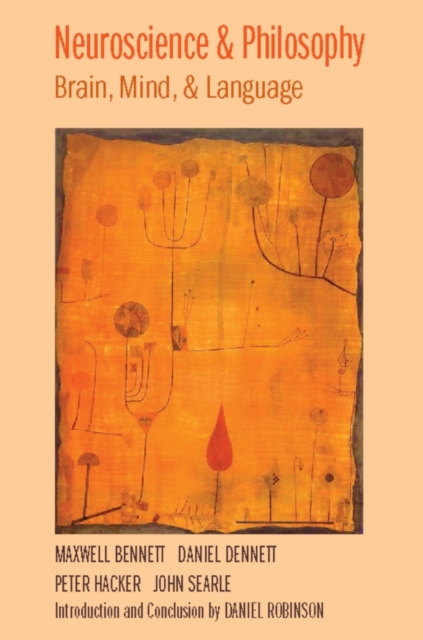
In recent decades, issues that reside at the center of philosophical and psychological inquiry have been absorbed into a scientific framework variously identified as "e;brain science,"e; "e;cognitive science,"e; and "e;cognitive neuroscience.
In Neuroscience and Philosophy three prominent philosophers and a leading neuroscientist clash over the conceptual presuppositions of cognitive neuroscience.
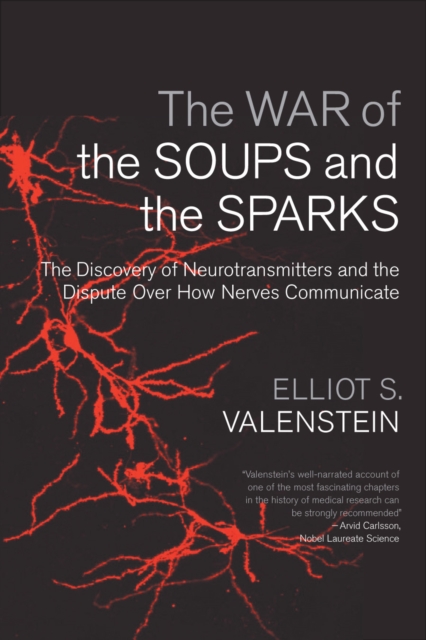
Like the cracking of the genetic code and the creation of the atomic bomb, the discovery of how the brain's neurons work is one of the fundamental scientific developments of the twentieth century.
Our understanding of how the human brain performs mathematical calculations is far from complete, but in recent years there have been many exciting breakthroughs by scientists all over the world.
A world-renowned conductor and composer who has lead most of the major orchestras in North America and Europe, a talented musician who has played under the batons of such luminaries as Toscanini and Walter, and an esteemed arranger, scholar, author, and educator, Gunther Schuller is without doubt a major figure in the music world.
The recent explosion of neuroscience techniques has proved to be game changing in terms of understanding the healthy brain, and in the development of neuropsychiatric treatments.
Human brain imaging, connectomics, network analysis, and neuroinformatics are just some of the important current arenas in neuroscience addressed here.
Brain on Fire is the stunning debut from journalist and author Susannah Cahalan, recounting the real-life horror story of how a sudden and mysterious illness put her on descent into a madness for which there seemed to be no cure'My first serious blackout marked the line between sanity and insanity.
The media, scientific researchers, and the Diagnostic and Statistical Manual all refer to "e;autism"e; as if it were a single disorder or a single disorder over a spectrum.
Now shortlisted for the 2012 Financial Times Business Book of the Year Award and the Wellcome Trust Book Prize, The Hour Between Dog and Wolf is a resonant exploration of economic behaviour and its consequences.
Neural Regeneration provides an overview of cutting-edge knowledge on a broad spectrum of neural regeneration, including:- Neural regeneration in lower vertebrates- Neural regeneration in the peripheral nervous system- Neural regeneration in the central nervous system- Transplantation-mediated neural regeneration- Clinical and translational research on neural regenerationThe contributors to this book are experts in their fields and work at distinguished institutions in the United States, Canada, Australia, and China.
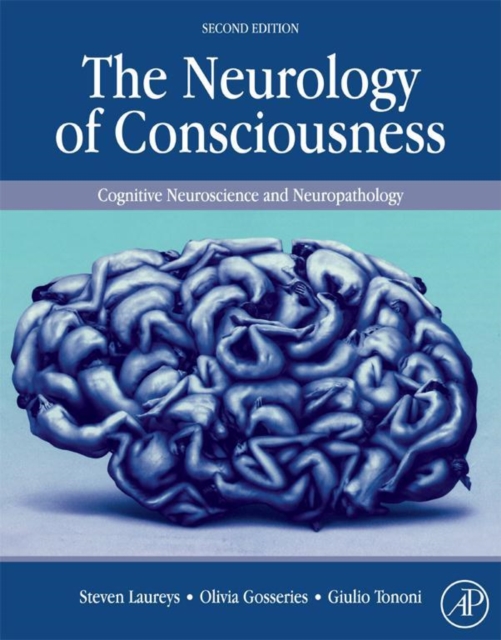
The second edition of The Neurology of Consciousness is a comprehensive update of this ground-breaking work on human consciousness, the first book in this area to summarize the neuroanatomical and functional underpinnings of consciousness by emphasizing a lesional approach offered by the study of neurological patients.
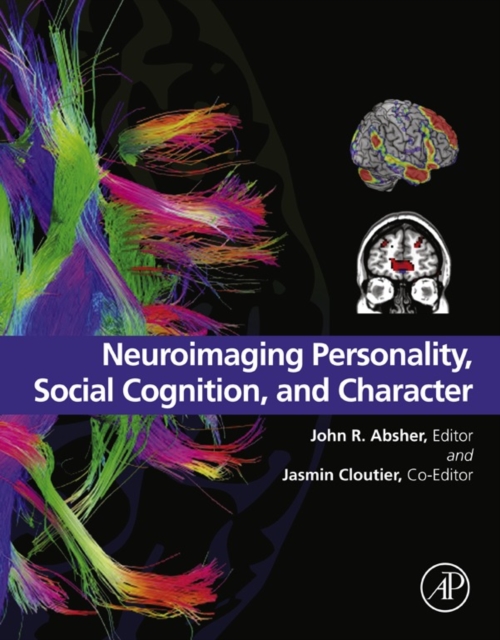
Neuroimaging Personality, Social Cognition, and Character covers the science of combining brain imaging with other analytical techniques for use in understanding cognition, behavior, consciousness, memory, language, visual perception, emotional control, and other human attributes.
Neuropathology of Drug Addictions and Substance Misuse, Volume 3: General Processes and Mechanisms, Prescription Medications, Caffeine and Areca, Polydrug Misuse, Emerging Addictions and Non-Drug Addictions is the third of three volumes in this informative series and offers a comprehensive examination of the adverse consequences of the most common drugs of abuse.
Critical Care Neurology, Part II: Neurology of Critical Illness focuses on the care specialists and general neurologists that consult in the ICU and their work with patients in acute, life-threatening situations who are dealing with neurologic or neurosurgical crises emanating from either a preexisting neurologic syndrome or from a new neurologic complication appearing as a result of another medical or surgical critical illness.
Winner of the 2002 BMA Popular Medicine Book Prize: This is a haunting literary and scientific examination of Alzheimer's disease and the race to find a cure.
The fourth edition of Fundamental Neuroscience reinvents itself as an engrossing and comprehensive presentation of the discipline of neuroscience, from molecules to cognition.
In this fascinating and often hilarious work - winner of the Royal Society of Science Prize 2007 - pre-eminent psychologist Daniel Gilbert shows how - and why - the majority of us have no idea how to make ourselves happy.