Methods for identification and measurement of existing and newly discovered contaminants are required, especially those that are cheap, simple and rapid, so that testing may be more frequent within the food supply chain.
People today are more concerned about their health and are looking to consume food products that serve both nutritional purposes and help prevent modern life-style diseases.
In the past decade, many scientific studies were conducted on pomegranates, revealing that pomegranate fruit, flowers, bark, and leaves contain bioactive phytochemicals that are antimicrobial, reduce blood pressure, and act against diseases such as diabetes and cancer.
Potential applications of nanotechnology in food industry include: encapsulation and delivery of substances in targeted sites, increasing flavor, introducing antibacterial nanoparticles into food, enhancing shelf life, sensing contamination, improved food storage, tracking, tracing, and brand protection.
As with the first edition, the main goal of Advanced Technologies for Meat Processing is to provide the reader with recent developments in new advanced technologies for the full meat- processing chain.
Global oilseeds industry is expected to expand in the future but would also constitute a platform for a variety of other products from processing waste such as protein meals and aromatic compounds.
Toxins and Other Harmful Compounds in Foods provides information on the contents, distribution, chemical properties, and biological activity of toxins and other harmful compounds in foods that are natural components of the raw materials, accumulated due to microbial actions and environmental pollution, or are generated due to processing.
High pressure processing is a fast-growing food processing technology and opens the door to nearly-fresh products that retain their sensorial and nutritional qualities.
Because they meet the needs of today's consumers, fresh-cut plant products are currently one of the hottest commodities in the food market of industrialized countries.
Seaweed is used in many countries for very different purposes - directly as food, especially in sushi, as a source of phycocolloids, extraction of compounds with antiviral, antibacterial or antitumor activity and as biofertilizers.
"e;Functional carbohydrates"e; is the term used to describe those carbohydrates that play an important role in strengthening immunity, decreasing the level of blood-lipid, and regulating the intestinal flora of humans, beyond those simply used as the energy-supplying materials.
Supplying sustenance for millions of the poorest people in the world, freshwater flora and fauna also contribute to overall economic well-being by means of export commodity trade, tourism, and recreation.
This monograph introduces the students and specialists of agricultural and food science to the fundamentals of optical spectroscopy, main principles of modern spectroscopic instrumentation, advantages and practical applications of spectroscopic methods to investigation of agricultural objects such as milk and dairy products, eggs, honey, animal hair, and agronomic plants.
This new reference presents the most recent information on new and potential food hydrocolloids originated from agricultural products, including o yellow mustard gum o flaxseed gum o cereals (wheat, barley, oat, and corn)o psyllium fenugreek o soybean.
This reference provides a comprehensive treatment of the physiological effects of foods and food components capable of promoting good health and preventing or alleviating diseases.
"e;Furnishes exhaustive, single-source coverage of the production and postharvest technology of more than 70 major and minor vegetables grown in tropical, subtropical, and temperate regions throughout the world.
This handbook of nutrition and diet provides information on food nutrients and their functions; food safety and distribution; food composition, consumption and utilization; adequacy of diet; and the nutritional management of diseases and disorders.
This work focuses on the preparation, structure, chemistry, functional properties, stability, handling and applications of naturally-derived colorants approved for use in food products in the USA, Europe and Asia.
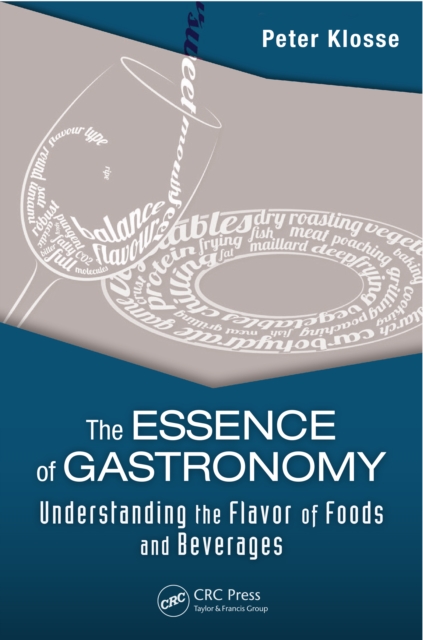
The Essence of Gastronomy: Understanding the Flavor of Foods and Beverages presents a new comprehensive and unifying theory on flavor, which answers ancient questions and offers new opportunities for solving food-related issues.
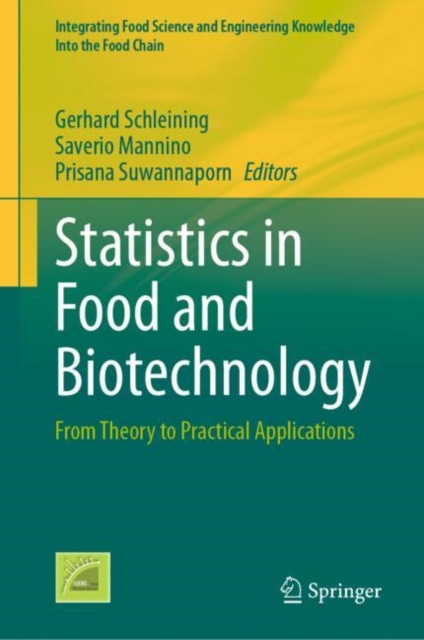
The proper use of statistical methods is essential in food processing and biotechnology, and very few publications have focused on the practical application of these methods.