This text contains a detailed guide to the biochemical aspects of brewing beer, including a wealth of detailed information on subjects such as mashing, boiling, and cooling.
Contained within this antique book is a comprehensive discussion of the history of hops, including information on different uses, methods of cultivation, related equipment, and much more.
With the advancement in medicinal chemistry and material science, several highly specific, biocompatible and non-toxic therapeutic agents have been discovered and successfully applied for various clinical applications.
Sugar consumption is suspected to play an important role in the pathogenesis of diabetes, cardiovascular disorders, fatty liver disease, and some forms of cancers.
Differential Scanning Calorimetry: Applications in Fat and Oil Technology provides a complete summary of the scientific literature about differential scanning calorimetry (DSC), a well-known thermo-analytical technique that currently has a large set of applications covering several aspects of lipid technology.
The ability to provide quality juices that contain proper vitamins and nutritional components strongly depends on the processes fruits undergo during the various stages of industrial manufacturing.
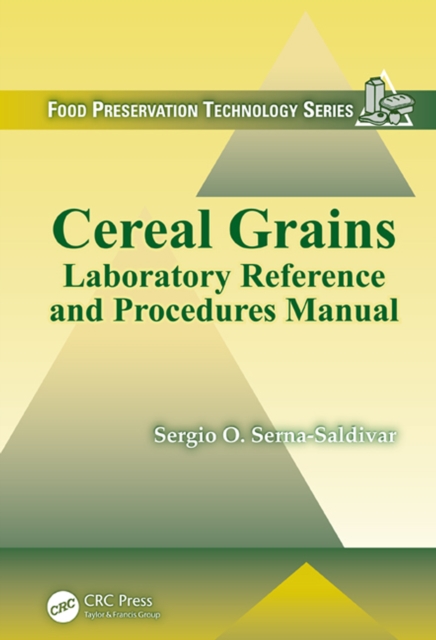
Emphasizing the essential principles underlying the preparation of cereal-based products and demonstrating the roles of ingredients, Cereal Grains: Laboratory Reference and Procedures Manual is a practical laboratory manual complementing the author's text, Cereal Grains: Properties, Processing, and Nutritional Attributes.
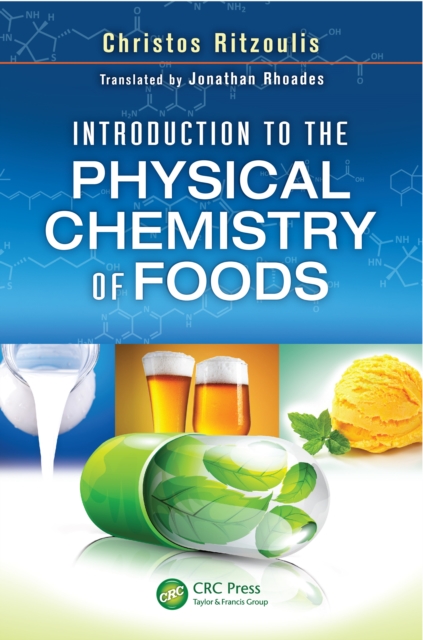
Introduction to the Physical Chemistry of Foods provides an easy-to-understand text that encompasses the basic principles of physical chemistry and their relationship to foods and their processing.
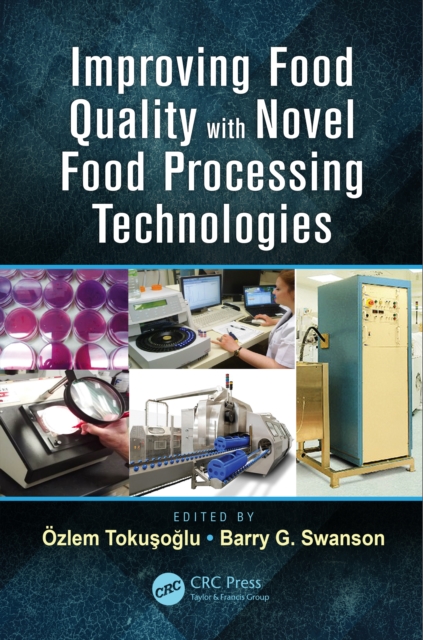
Consumers around the world have become better educated and more demanding in their identification and purchase of quality health-promoting foods; therefore the food industry requires innovative technologies to provide their clientele with safe and stable foods that meet safety regulations .
This concise text on biologically active substances of the food, pharmaceutical and agricultural industries presents data on natural compounds of vegetable and animal origin.
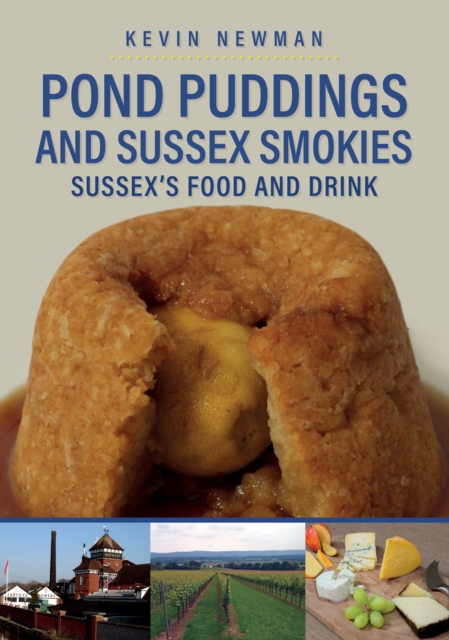
Its farming and fishing industries yield an impressive harvest of ingredients, so it is no surprise to discover that Sussex also boasts a rich culinary heritage.
Readers may be surprised to learn the real origins of Lancashire hotpot and discover that some of those all-time-favourites like Jelly Babies, Vimto, and Fox's biscuits all have their roots in the county.
Essential Microbiology and Hygiene for Food Professionals is an accessible and practical introduction, providing the basic science relating to microorganisms in food.
Controlling, measuring, and "e;designing"e; the color of food are critical concerns in the food industry, as the appeal of food is chiefly determined visually, with color the most salient visual aspect.
Emphasizing the essential principles underlying the preparation of cereal-based products and demonstrating the roles of ingredients, Cereal Grains: Laboratory Reference and Procedures Manual is a practical laboratory manual complementing the author's text, Cereal Grains: Properties, Processing, and Nutritional Attributes.
The fourth edition of Alternative Sweeteners follows the same formula as the previous three books by discussing each sweetener in terms of its characteristics.
There are many advantages to stir bar sorptive extraction (SBSE) for isolating and concentrating flavor-active chemicals from foods, including its simplicity and wide application appeal.
Specialty foods are made from high quality ingredients and offer distinct features to targeted customers who pay a premium price for their perceived benefits.
This book contains papers from the symposium "e;Critical Issues, Current and Emerging Technologies for Determination of Crude Fat Content in Food, Feed and Seeds,"e; held in 2003 at the AOCS Annual Meeting in Kansas City, Missouri.
Even though the perception of food quality may depend on its hedonic and often subjective attributes, it is essential to quantitatively evaluate its quality and safety.
A fresh view of the state-of-the-art, Advances in Food Extrusion Technology focuses on extruder selection, extrudate development, quality parameters, and troubleshooting in the 21st century extrusion process.
Guru to a new generation of chefs from Chicago to Copenhagen, Spain's Ferran Adri,as been featured on Time magazine's list of the 100 most influential people of our times and touted by the press as an alchemist and a genius.
Frying of Food is the first reference to examine frying of food from the point of view of changes occurring to biologically-active constituents and the effects of such changes on the stability, performance and nutritive value of frying oil.
Presenting up-to-date data in an easy-to-use format, this comprehensive overview of the chemistry of bioactive components of fruits and cereals addresses the role of these compounds in determining taste, flavor, and color, as well as recent claims of anticarcinogenic, antimutagenic, and antioxidant capabilities.
Based on years of academic and industrial research by an international panel of experts, Chemical, Biological, and Functional Properties of Food Lipids, Second Edition provides a concise, yet well-documented presentation of the current state of knowledge on lipids.
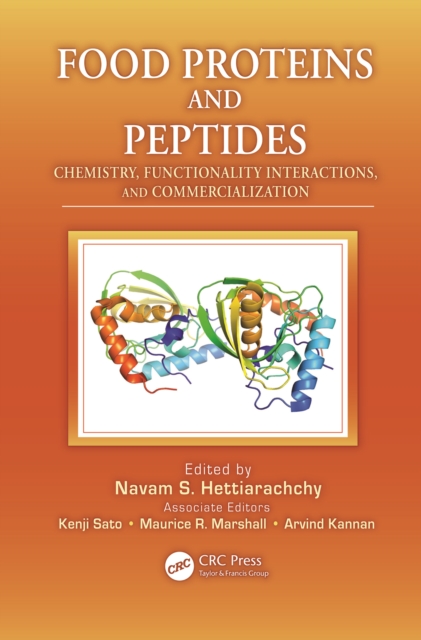
A multidisciplinary resource, this volume enables researchers to understand the physicochemical and biochemical factors that govern the functionality of food peptides and proteins.
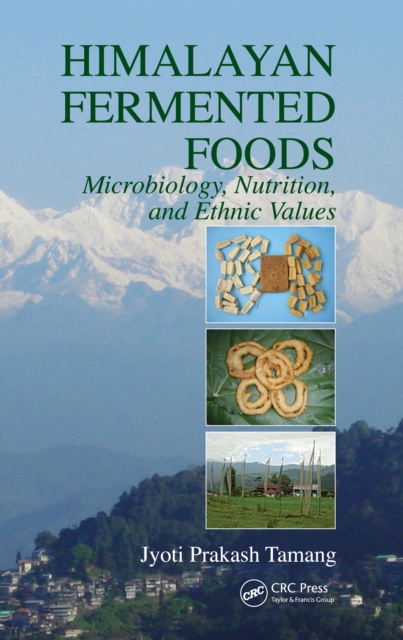
The magnificent Himalayan Mountains, the highest in the world and home to the famed Mount Everest and K2, are also imbued with a rich diversity of ethnic fermented foods.
While the science of yogurt is nearly as old as the origin of mankind, there have been rapid changes in yogurt development since the turn of the 19th century, fueled by continuing developments in biological sciences.
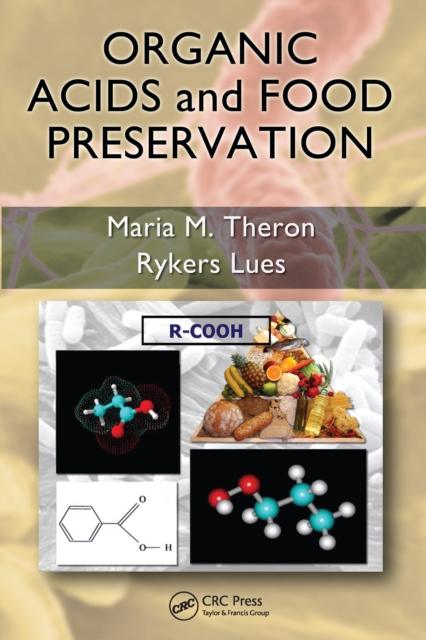
Although organic acids have been used to counteract pathogens in food for many years, there is a glaring need to assess and improve their continued effectiveness and sustainability.
A unique and interdisciplinary field, food processing must meet basic process engineering considerations such as material and energy balances, as well as the more specialized requirements of food acceptance, human nutrition, and food safety.
The fastest growing demographic in both developed and developing societies around the world, the elderly bring unique medical and financial health-care burdens.
Covers a Host of Groundbreaking TechniquesThermal processing is known to effectively control microbial populations in food, but the procedure also has a downsideit can break down the biochemical composition of foods, resulting in a marked loss of sensory and nutritional quality.
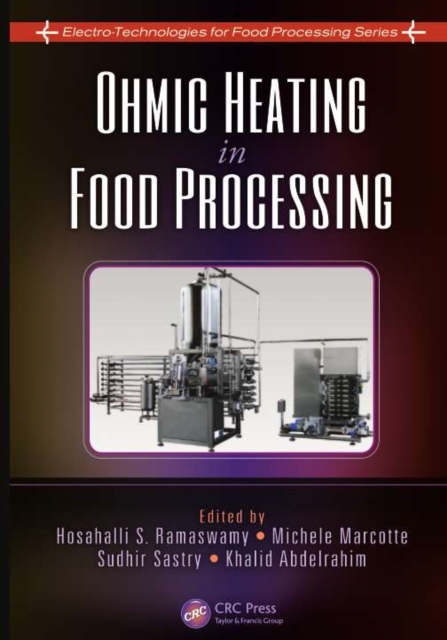
Ohmic heating provides rapid and uniform heating, resulting in less thermal damage than conventional heating and allowing manufacturers to obtain high-quality products with minimum sensorial, nutritional, and structural changes.
Rapid expansion of research on the development of novel food processes in the past decade has resulted in novel processes drawn from fields outside the traditional parameters of food processing.
Despite a worldwide increase in demand for fresh-cut fruit and vegetables, in many countries these products are prepared in uncontrolled conditions and have the potential to pose substantial risk for consumers.
Access the Latest Advances in Food Quality Optimization and Safety AssuranceThermal processing has undergone a remarkable amount of research throughout the past decade, indicating that the process not only remains viable, but that it is also expanding around the world.