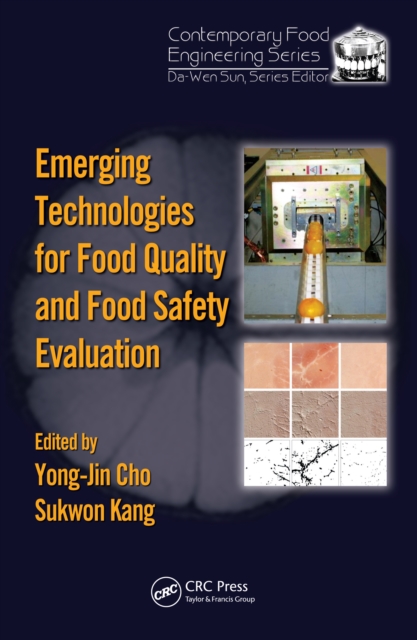
Even though the perception of food quality may depend on its hedonic and often subjective attributes, it is essential to quantitatively evaluate its quality and safety.
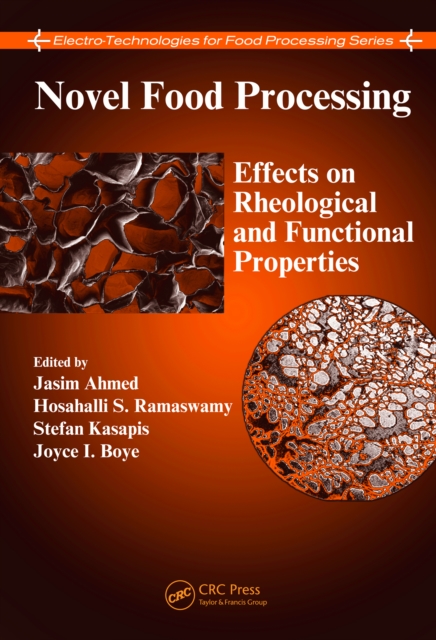
Rapid expansion of research on the development of novel food processes in the past decade has resulted in novel processes drawn from fields outside the traditional parameters of food processing.
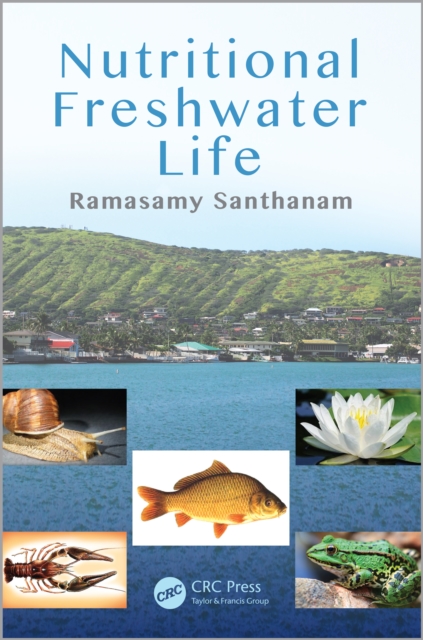
Supplying sustenance for millions of the poorest people in the world, freshwater flora and fauna also contribute to overall economic well-being by means of export commodity trade, tourism, and recreation.
The application of microwaves has been a major advancement in food processing over the past 50 years, and yet to date there have been very few publications focusing exclusively on microwave processing and none covering the latest technological and theoretical advances.
Ohmic heating provides rapid and uniform heating, resulting in less thermal damage than conventional heating and allowing manufacturers to obtain high-quality products with minimum sensorial, nutritional, and structural changes.
While modern food production has become increasingly efficient in providing a wide range of convenient and affordable products, individuals struggling with gluten intolerance, FODMAP intolerance, and intolerance to food additives are an exception when their health conditions limit the foods they can safely eat.
Consumers around the world have become better educated and more demanding in their identification and purchase of quality health-promoting foods; therefore the food industry requires innovative technologies to provide their clientele with safe and stable foods that meet safety regulations .
Handbook of Vegetable Processing Waste: Chemistry, Processing Technology, and Utilization serves as an essential resource for food scientists, environmental engineers, and industry professionals.
Large amounts of money, time and effort are devoted to sensory and consumer research in food and beverage companies in an attempt to maximize the chances of new products succeeding in the marketplace.
Presenting up-to-date data in an easy-to-use format, this comprehensive overview of the chemistry of bioactive components of fruits and cereals addresses the role of these compounds in determining taste, flavor, and color, as well as recent claims of anticarcinogenic, antimutagenic, and antioxidant capabilities.
Sweeteners: Nutritional Aspects, Applications, and Production Technology explores all essential aspects of sugar-based, natural non-sugar-based, and artificial sweeteners.
Despite a worldwide increase in demand for fresh-cut fruit and vegetables, in many countries these products are prepared in uncontrolled conditions and have the potential to pose substantial risk for consumers.
Specialty foods are made from high quality ingredients and offer distinct features to targeted customers who pay a premium price for their perceived benefits.
Building upon the success of the bestselling first volume, Functional Foods: Biochemical and Processing Aspects, Volume II explores new sources of nutraceutical and functional food ingredients and addresses crucial issues for product development and processing.
This reference provides a comprehensive treatment of the physiological effects of foods and food components capable of promoting good health and preventing or alleviating diseases.
This work focuses on the preparation, structure, chemistry, functional properties, stability, handling and applications of naturally-derived colorants approved for use in food products in the USA, Europe and Asia.
A unique and interdisciplinary field, food processing must meet basic process engineering considerations such as material and energy balances, as well as the more specialized requirements of food acceptance, human nutrition, and food safety.
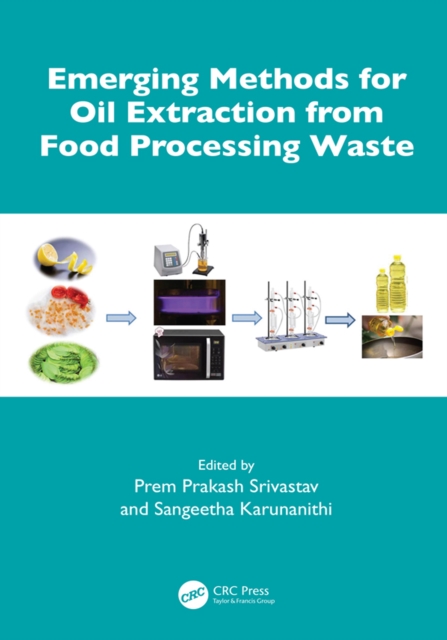
Emerging Methods for Oil Extraction from Food Processing Waste is a comprehensive and cutting-edge exploration of sustainable oil extraction practices, catering to professionals and researchers in food science.
Handbook of Vegetable Processing Waste: Chemistry, Processing Technology, and Utilization serves as an essential resource for food scientists, environmental engineers, and industry professionals.
"e;Offers unique data on the physiochemical properties, functions and metabolism, toxicological and pharmacological effects, regulatory control, antimicrobial resistance, and consumer perceptions of food residue regulation.
The ability to regulate and manipulate the generation or remodeling of blood vessels is key to the successful treatment of many chronic diseases, both oncological and non-oncological.
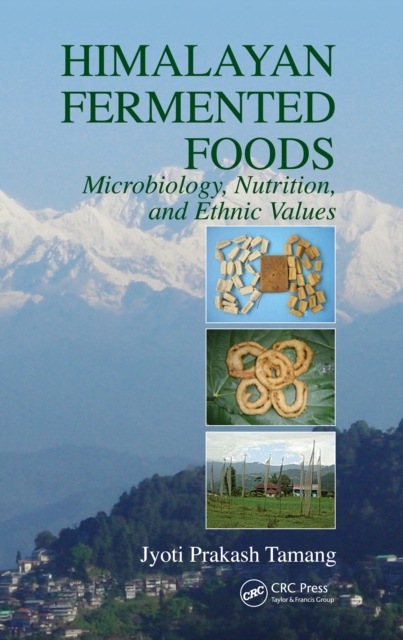
The magnificent Himalayan Mountains, the highest in the world and home to the famed Mount Everest and K2, are also imbued with a rich diversity of ethnic fermented foods.
Today, flavor chemists can generate copious amounts of data in a short time with relatively little effort using automated solid phase micro-extraction, Gerstel-Twister and other extraction techniques in combination with gas chromatographic (GC) analysis.
An A to Z Catalog of Innovative Spices and FlavoringsDesigned to be a practical tool for the many diverse professionals who develop and market foods, the Handbook of Spices, Seasonings, and Flavorings combines technical information about spices-forms, varieties, properties, applications, and quality specifications- with informatio
This new reference presents the most recent information on new and potential food hydrocolloids originated from agricultural products, including o yellow mustard gum o flaxseed gum o cereals (wheat, barley, oat, and corn)o psyllium fenugreek o soybean.
Cereal food engineering has become increasingly important in the food industry over the years, as it plays a key role in developing new food products and improved manufacturing processes.
Frying of Food is the first reference to examine frying of food from the point of view of changes occurring to biologically-active constituents and the effects of such changes on the stability, performance and nutritive value of frying oil.
Essential Microbiology and Hygiene for Food Professionals is an accessible and practical introduction, providing the basic science relating to microorganisms in food.